Note: This article is for informational purposes only and is based on reputable U.S. medical, psychological, and peer-reviewed research sources. It is not a substitute for professional medical advice, diagnosis, or treatment.
The placebo effect is one of science’s strangest “wait, seriously?” moments. A person takes a sugar pill, receives a fake injection, or even undergoes a sham procedureand somehow feels better. No active drug. No magic potion. No tiny wizard in a lab coat hiding inside the capsule. Yet the body responds.
That does not mean illness is “all in your head.” It means the brain and body are in constant conversation, and sometimes expectation, trust, memory, conditioning, and context can change symptoms in measurable ways. Pain may ease. Anxiety may soften. Nausea may calm down. A patient may feel more energetic simply because the treatment ritual tells the nervous system, “Help is here.”
The placebo effect is not a cure-all, and it cannot replace real medicine for infections, cancer, diabetes, heart disease, or other serious conditions. But it does reveal something fascinating about human biology: the meaning we attach to treatment can become part of the treatment experience itself.
What Is the Placebo Effect?
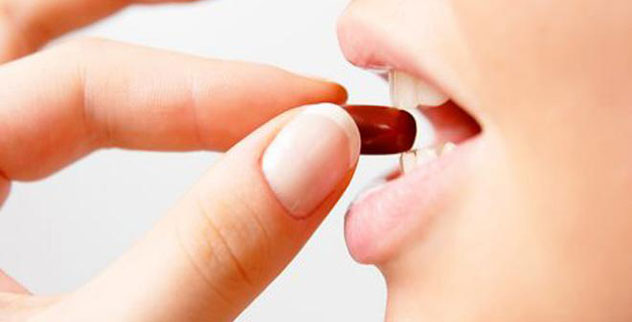
The placebo effect happens when a person experiences real improvement after receiving a treatment that has no active therapeutic ingredient. The classic example is a sugar pill used in a clinical trial. The pill itself does not contain medicine, but the patient’s expectation of relief may trigger changes in perception, mood, pain processing, stress hormones, and brain chemistry.
Modern researchers view the placebo effect as a psychobiological response. That fancy term simply means the mind and body are both involved. Expectations, previous experiences, doctor-patient communication, treatment rituals, and even the color or price of a pill can influence how strongly someone responds.
Now let’s get to the wonderfully weird part. Here are 10 crazy facts about the placebo effect that show just how powerfuland occasionally hilariousthe human brain can be.
10 Crazy Facts About the Placebo Effect
1. Your Brain Can Make Its Own Painkillers
One of the most mind-blowing placebo effect facts is that the brain can activate its own pain-relief systems. When someone expects a treatment to reduce pain, the brain may release endorphins, which are natural chemicals that work somewhat like the body’s built-in painkillers.
This helps explain why placebo responses are especially strong in pain studies. The sugar pill is not numbing your knee, back, or migraine. Instead, the expectation of relief can change how the nervous system processes pain signals. It is less “fake medicine” and more “the brain found the emergency comfort button.”
That is why researchers take placebo responses seriously. If someone’s pain drops after a placebo, the pain was not imaginary. The relief was real, even if the pill was not pharmacologically active.
2. Placebos Can Work Even When People Know They Are Placebos
Here is where the placebo effect starts acting like it has read too much science fiction: placebos can sometimes help even when patients are told upfront that the pills are inactive.
These are called open-label placebos. In this approach, patients are not deceived. They are clearly told, “This pill does not contain active medicine, but studies suggest that the ritual of taking it may still help some people.” Surprisingly, research on conditions such as irritable bowel syndrome, chronic pain, and stress-related symptoms has found that some people still report improvement.
Why would that happen? The treatment routine itself may matter. Taking a pill at the same time each day, receiving supportive care, and believing that the body can respond may all shape the experience. Apparently, the brain sometimes says, “I know this is a sugar pill, but I appreciate the ceremony.”
3. Expensive Placebos Can Feel Stronger Than Cheap Ones
In one famous line of research, people were more likely to report pain relief when they believed they had taken an expensive medication compared with a cheaper oneeven though both were placebos.
This is both fascinating and mildly insulting to our wallets. The brain often uses price as a shortcut for quality. If a pill is presented as premium, powerful, or high-tech, expectations rise. Higher expectations can lead to stronger placebo responses, especially for subjective symptoms like pain.
This does not mean expensive medicine is automatically better. It means marketing, branding, packaging, and perceived value can influence how people feel. The placebo effect is basically the reason your brain sees a fancy label and whispers, “Ah yes, elite healing.”
4. A Doctor’s Words Can Act Like Medicineor Like Trouble
The placebo effect is not only about pills. The words, confidence, warmth, and body language of a healthcare professional can shape patient expectations.
When a clinician explains treatment clearly, listens carefully, and communicates realistic hope, patients may feel safer and more optimistic. That can reduce stress and improve symptom perception. In contrast, cold or frightening communication can make symptoms feel worse, even when the medical situation has not changed.
This does not mean doctors should make false promises. Honest communication matters. But the tone of that honesty matters too. “This may sting for a second, but you’re doing well” lands very differently from “Brace yourself, this is going to be awful.” The body is listening, and apparently it takes notes.
5. The Nocebo Effect Is the Placebo Effect’s Evil Twin
If positive expectations can help, negative expectations can hurt. That is called the nocebo effect.
The nocebo effect happens when someone experiences worse symptoms because they expect something bad to happen. For example, a person may feel headache, nausea, muscle pain, or fatigue after taking an inactive pill if they believe it might cause those side effects.
This is one reason clinical trials are so complicated. Participants who receive placebos sometimes report side effects similar to those associated with real drugs. Their symptoms are not fake; they are real experiences shaped by expectation, attention, anxiety, and body awareness.
The nocebo effect is also why health communication requires care. People deserve to know risks, but terrifying them with dramatic language can backfire. The brain, unfortunately, does not always distinguish between “possible” and “incoming disaster.”
6. Sham Surgery Has Produced Real Symptom Relief
One of the wildest chapters in placebo research involves sham surgery. In certain studies, patients underwent a simulated procedure designed to look and feel like surgery, but without the active surgical step being tested.
A landmark study on arthroscopic surgery for knee osteoarthritis found that patients who received real surgery did not do better than those who received a placebo-like surgical procedure. Many participants in both groups improved, suggesting that the ritual, expectation, recovery process, and natural symptom fluctuation played major roles.
To be clear, sham surgery is used only under strict research ethics, and surgery is absolutely necessary in many medical situations. Nobody should replace an appendectomy with “positive vibes and a clipboard.” But these studies show how powerful medical rituals can be when symptoms such as pain and function are involved.
7. Placebos Are Strongest for Symptoms, Not Disease Cures
The placebo effect is impressive, but it has limits. Placebos may influence symptoms such as pain, nausea, fatigue, anxiety, depression-related distress, and perceived shortness of breath. They do not reliably cure infections, shrink tumors, lower dangerously high blood sugar, or repair broken bones.
This distinction is extremely important. A person may feel better while the underlying disease remains unchanged. For example, in asthma research, placebo inhalers and sham acupuncture improved how patients felt, but active medication produced stronger changes in objective lung function.
In plain English: the placebo effect can improve the experience of illness, but it should not be confused with treating the disease itself. It can be a helpful supporting actor, not the entire medical cast.
8. Pill Color, Size, and Form Can Influence Response
Yes, even the look of a pill can matter. Research has suggested that pill color, size, number, and method of delivery may affect expectations. In some contexts, people may perceive capsules as stronger than tablets, injections as stronger than pills, and larger or more frequent doses as more powerful.
Colors may also carry meaning. A bright red or orange pill may feel energizing to some people, while a blue pill may seem calming. These associations can vary by culture and experience, but the general point is clear: presentation matters.
Your brain is not merely swallowing chemistry. It is swallowing a story: the packaging, the instructions, the doctor’s tone, the white coat, the pharmacy bag, the tiny folded insert with microscopic print that looks like it contains both side effects and ancient prophecies.
9. Placebos Can Trigger Dopamine in Parkinson’s Disease
Parkinson’s disease involves a loss of dopamine-producing neurons, and dopamine plays a key role in movement, motivation, and reward. Studies using brain imaging have shown that placebo responses in Parkinson’s disease can be associated with dopamine release in areas of the brain involved in movement and reward.
That does not mean placebos replace Parkinson’s medication. They do not. But it does show that expectation can interact with real neurochemical systems. When patients believe they may receive a helpful treatment, the brain’s reward pathways may respond in measurable ways.
This is one reason the placebo effect is not dismissed as “just imagination” by serious researchers. Imagination does not mean unreal. The brain can imagine a threat and raise your heart rate. It can imagine an embarrassing moment from 2014 and ruin your shower. Naturally, it can also imagine relief and shift body chemistry.
10. Clinical Trials Need Placebos Because Humans Are Terrible Measuring Instruments
Placebos are essential in medical research because symptoms naturally change over time. People may improve because of rest, regression to the mean, lifestyle changes, extra attention, or the simple passage of time. Without a placebo group, researchers might wrongly credit a new drug for improvements that would have happened anyway.
That is why randomized, placebo-controlled trials are so valuable. They help separate the specific effect of a treatment from expectation, bias, natural recovery, and measurement noise.
In other words, the placebo effect is not just a quirky medical trivia topic. It is one of the main reasons modern medicine tests treatments carefully. Humans are emotionally rich, biologically complicated, and statistically messy. Placebos help researchers clean up the mess.
Why the Placebo Effect Matters in Real Healthcare
The placebo effect teaches an important lesson: treatment is not only a chemical event. It is also a human experience. The same medication may feel different depending on the patient’s trust, the explanation they receive, the environment, and their previous experiences with illness.
This does not give anyone permission to lie to patients. Deceptive placebo use raises serious ethical problems. Trust is part of good medicine, and tricking people can damage that trust. But ethical placebo research suggests that clinicians may be able to use placebo principles without deception.
For example, healthcare providers can explain treatments with confidence and honesty. They can create calm clinical environments. They can validate symptoms instead of dismissing them. They can avoid unnecessarily frightening language. They can help patients understand that the body’s own healing systems may support recovery alongside evidence-based care.
The practical takeaway is not “skip your prescription and meditate at a scented candle.” The real takeaway is: medicine works best when science and human context cooperate.
Common Myths About the Placebo Effect
Myth 1: The Placebo Effect Means Symptoms Are Fake
False. Placebo responses can involve real changes in pain processing, mood, stress, and brain chemistry. A placebo response does not prove someone was pretending.
Myth 2: Only Gullible People Respond to Placebos
Also false. Placebo responses can happen in thoughtful, skeptical, intelligent people. Expectation and conditioning are normal brain processes, not signs that someone has been mentally defeated by a sugar cube.
Myth 3: Placebos Can Cure Anything
No. Placebos are most useful for symptoms influenced by perception and nervous system regulation. They are not replacements for antibiotics, insulin, surgery, chemotherapy, blood pressure medication, or emergency care.
Myth 4: The Placebo Effect Is Always Good
Not necessarily. The nocebo effect can make people feel worse. Negative expectations can increase discomfort, side effects, and fear. That is why responsible communication matters.
Experiences and Everyday Lessons Related to the Placebo Effect
You do not need to be inside a laboratory to see placebo-like forces at work. Everyday life is full of expectation effects. Think about the person who buys an expensive running shoe and suddenly feels faster on the first jog. The shoe may be comfortable, sure, but part of the improvement may come from confidence. The brain says, “We are an athlete now,” and the body tries to honor the memo.
Or consider the classic headache scenario. Someone takes a pain reliever and feels better two minutes later, even though the medicine has not had enough time to fully work. That early relief may come from expectation. The act of taking the pill signals that help has arrived, which can reduce tension and shift attention away from pain. The medicine may still help later, but the first wave of comfort may be the brain getting a head start.
The placebo effect also appears in routines. A favorite mug may make coffee feel more energizing. A familiar blanket may make sleep feel easier. A carefully arranged desk may make work feel more productive. None of these objects contains secret productivity enzymes, unfortunately. But they create cues of comfort, control, and readiness. Those cues can change mood and behavior.
Healthcare experiences work the same way, only with higher stakes. A patient who feels heard may leave an appointment with less anxiety, even before treatment begins. A clear explanation can make a diagnosis feel manageable. A rushed visit, on the other hand, can make symptoms feel scarier. The body does not respond only to lab values; it responds to fear, reassurance, trust, and uncertainty.
There is also a lesson for how we talk about side effects. Imagine reading a long list of possible reactions and then monitoring every tiny sensation for the rest of the day. Was that a stomach cramp? Is that dizziness? Did my elbow always feel this philosophical? Attention can amplify symptoms. This does not mean side effects are imaginary. It means expectation and focus can turn the volume knob up.
The best everyday use of placebo knowledge is not self-deception. It is thoughtful framing. Build routines that make healthy actions feel meaningful. Choose healthcare providers who communicate clearly. Avoid doom-scrolling symptoms at midnight as if WebMD were a bedtime story. Use positive expectations responsibly, without pretending serious conditions can be wished away.
The placebo effect reminds us that humans are not machines. We are meaning-making organisms. We respond to stories, rituals, trust, design, tone, and hope. Sometimes that makes us vulnerable to hype. Sometimes it helps us heal. The trick is learning how to respect the mind-body connection without falling for nonsense in a lab coat.
Conclusion
The placebo effect is one of the strangest and most useful windows into the connection between mind and body. It shows that expectation can influence symptoms, that medical rituals can shape experience, and that communication can change how treatment feels. It also reminds us to stay humble: if a sugar pill can produce real relief in some situations, then human biology is far more complicated than a simple “medicine works, mind does nothing” model.
Still, the placebo effect has boundaries. It is not a replacement for evidence-based medical care. It cannot cure serious disease by sheer optimism, and it should never be used as an excuse to dismiss someone’s symptoms. The smartest approach is to combine scientific treatment with the healing power of trust, clarity, compassion, and realistic hope.
In the end, the placebo effect is not proof that medicine is fake. It is proof that the experience of medicine matters. The brain is not just sitting in the balcony watching the body suffer. It is part of the showoccasionally dramatic, sometimes gullible, but always worth understanding.