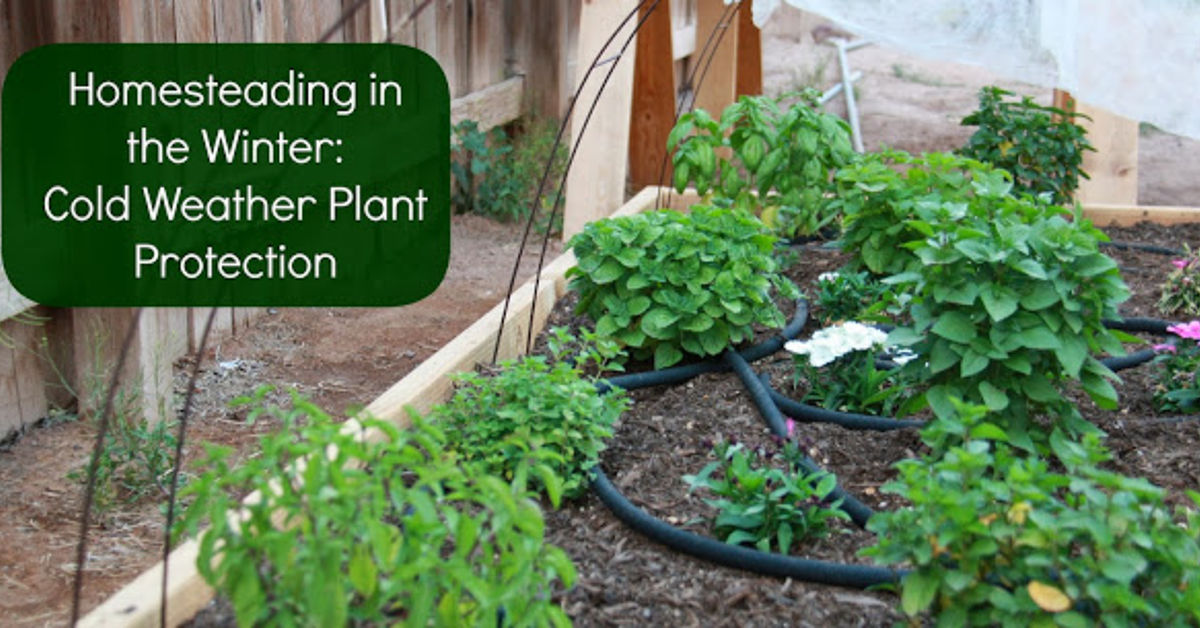
Winter has a talent for exposing every optimistic decision made during spring planting. That tender rosemary placed in an open field? Questionable. The beautiful ceramic pot left beside the barn? Now auditioning for the role of “expensive pile of shards.” And the gardener who promised to install row covers before the first freeze? Currently outside in pajamas, holding a bedsheet and several bricks.
Fortunately, winter homesteading does not require heating the entire property or wrapping every shrub like a holiday gift. Protecting plants in cold weather is mostly about understanding where heat is stored, how moisture behaves, which plants truly need help, and when protective materials should be applied.
With thoughtful planning, mulch, frost cloth, wind protection, cold frames, and a few well-timed trips outside, a homesteader can keep hardy vegetables producing, protect perennial roots, reduce winter burn, and help young trees reach spring in good condition.
Why Cold Weather Damages Plants
Cold injury is more complicated than simply “the temperature dropped below 32°F.” Damage depends on the plant species, its stage of growth, how quickly temperatures fall, how long freezing conditions last, soil moisture, wind exposure, and whether the plant has gradually hardened off.
When ice forms inside or between plant cells, it can disrupt membranes and dehydrate tissues. Sudden temperature drops are especially dangerous when plants have not entered dormancy. A plant that tolerates deep cold in January may be injured by a milder freeze in early fall or late spring because its tissues are still actively growing.
Frost, Freeze, and Hard Freeze
A light frost can damage tender leaves and flowers even when tougher crops remain unharmed. Temperatures around 28°F or below are commonly considered a hard freeze capable of killing many warm-season vegetables. Kale, spinach, carrots, collards, and some other cool-season crops can tolerate considerably colder conditions, especially after gradual acclimation.
Duration matters too. A brief dip to 30°F is not the same as eight hours at 25°F. Wind can make matters worse by increasing moisture loss, particularly from evergreen leaves that continue losing water while frozen soil prevents roots from replacing it.
Freeze-and-Thaw Cycles
Repeated freezing and thawing can push shallow-rooted plants upward, exposing crowns and roots to drying air. This process, known as frost heaving, commonly affects newly planted perennials, herbs, strawberries, and young nursery plants. Mulch helps moderate soil temperatures so the ground does not repeatedly freeze, thaw, and rearrange the garden furniture underground.
Start With Plants Suited to Your Climate
The most effective winter-protection strategy begins before anything is planted. The USDA Plant Hardiness Zone Map divides the country according to average annual extreme minimum winter temperatures. It helps gardeners identify perennial plants likely to survive in their region, although local wind, elevation, drainage, snow cover, and microclimates also influence survival.
Choose trees, berries, herbs, and perennial vegetables rated for your zone or colder. A plant rated for Zone 5 generally offers a safer margin in a Zone 6 garden than a plant barely hardy to Zone 6.
Pay attention to the source of the plant as well. Locally adapted varieties often handle regional conditions better than plants selected mainly because their photograph looked irresistible in a catalog. That photograph was taken in perfect weather. Your homestead has sideways sleet.
Use Microclimates Strategically
A microclimate is a small area with conditions different from the surrounding property. A south-facing wall may absorb warmth during the day, while a low hollow may collect cold air at night. Exposed ridges experience more wind, and sheltered courtyards may remain several degrees warmer.
Place borderline-hardy plants near protected walls, fences, hedges, or other structures. Avoid planting frost-sensitive crops in low spots where cold air settles. Evergreens vulnerable to winter burn generally perform better where they are protected from prevailing wind and intense winter sun.
Water Plants Before the Ground Freezes
Plants still need moisture during winter, even when they appear dormant. Evergreens are particularly vulnerable because their foliage continues losing water. If roots sit in dry or frozen soil, the plant may develop brown needles or scorched leaf margins known as winter burn.
Water trees, shrubs, perennials, and berry plants deeply during dry fall weather before the ground freezes. Moist soil also holds and releases more heat than extremely dry soil, giving roots slightly more protection during cold nights. Do not irrigate when the soil is frozen or when water will immediately form hazardous ice.
The goal is moist soil, not a winter swamp. Waterlogged roots can suffer from oxygen deprivation and rot. Good drainage remains important in every season, including the season when the hose behaves like a frozen garden sculpture.
Apply Mulch at the Right Time
Mulch is one of the most useful tools in winter homesteading. It does not heat plants like an electric blanket. Instead, it slows temperature changes, conserves moisture, reduces frost heaving, and protects crowns and shallow roots.
Suitable materials include clean straw, shredded leaves, pine needles, bark, wood chips, and evergreen boughs. The best material depends on the crop and what is available locally. Avoid diseased plant debris or mulch loaded with weed seeds.
Do Not Mulch Too Early
Wait until plants have hardened off and the soil has become consistently cold. Applying deep winter mulch during warm fall weather may keep the ground too warm, encourage tender growth, provide shelter for rodents, or delay dormancy.
For many perennial herbs and small plants, about four inches of loose organic material is useful. Newly established plants or crops exposed to severe freeze-and-thaw cycles may need a deeper layer. Keep heavy mulch from pressing directly against tree trunks or woody stems, where trapped moisture can encourage decay and pests.
Protecting Specific Crops With Mulch
Strawberries benefit from straw or shredded-leaf mulch applied after cold weather arrives and plants become dormant. Their shallow roots and crowns are vulnerable to frost heaving. Carrots, beets, and parsnips can sometimes remain in the garden beneath a thick insulating layer, allowing harvest during winter whenever the soil can be reached.
Garlic, shallots, perennial onions, and shallow-rooted herbs also benefit from mulch in colder regions. Mark the rows before spreading it, unless digging randomly through snow is part of your winter entertainment plan.
Use Frost Cloth and Row Covers Correctly
Floating row covers are lightweight fabrics made from spun-bonded polyester or polypropylene. They allow varying amounts of light, air, and water to pass through while trapping warmth near plants. Depending on material weight and installation, row covers commonly provide several degrees of frost protection.
Cover plants before sunset so warmth stored in the soil can be captured beneath the fabric. Extend the material all the way to the ground and secure every edge with soil, boards, sandbags, stones, or landscape staples. An open edge allows warm air to escape and cold wind to enter, turning an expensive frost blanket into a decorative flag.
Support Covers Above Tender Plants
Lightweight fabric can sometimes rest directly on sturdy greens. However, hoops or simple frames are better for tender foliage because leaves touching a cold, wet cover may be damaged. Supports also prevent snow or rain from crushing plants.
Remove, fold back, or ventilate covers during warm, sunny days. Temperatures beneath plastic tunnels and cold frames can rise quickly, even when outdoor air feels chilly. Fabric row covers breathe better than plastic, but crops should still be inspected regularly.
Emergency Household Covers
For one unexpected frost, use old sheets, blankets, burlap, cardboard boxes, bushel baskets, or overturned containers. Avoid placing plastic directly against foliage. Plastic transfers cold readily at contact points and can trap excessive condensation.
Temporary covers should reach the soil and be weighted securely. Remove them the following morning after temperatures rise above freezing. Do not leave heavy wet blankets on plants all day unless your goal is to replace frost damage with crushing damage.
Build Cold Frames and Low Tunnels
A cold frame is a low, enclosed growing structure with a transparent lid. It captures solar warmth, blocks wind, and creates a protected environment for hardy greens, seedlings, and overwintering herbs. Low tunnels use hoops covered with frost fabric or plastic to protect longer garden rows.
Position a cold frame in a sunny, well-drained location. A wall or hedge on the north side can reduce cold wind exposure. Angle the lid toward the south when possible to collect more winter sunlight.
Ventilation Is Essential
Open or prop the lid on sunny days. A closed cold frame can become surprisingly hot, causing plants to grow too quickly, wilt, or break dormancy prematurely. Close it before evening temperatures fall. Automated vent openers are useful for homesteaders who do not enjoy sprinting across the property whenever clouds move.
Cold frames work especially well for spinach, mâche, kale, parsley, scallions, lettuce, and other cold-tolerant crops. Growth slows dramatically during the darkest weeks, but established plants may remain harvestable and resume active growth as daylight increases.
Protect Containers and Potted Plants
Container plants are more exposed than plants growing in the ground because cold air surrounds the pot. Roots that would normally be insulated by a large mass of soil may freeze quickly inside a small container.
Move tender tropical plants indoors before cold nights arrive. Inspect them for insects first, gradually reduce their light exposure, and avoid placing them immediately beside heating vents. Some tropical plants experience chilling injury well above freezing.
Hardy potted perennials can be moved into an unheated garage, shed, enclosed porch, or sheltered area. Group containers together and wrap them with burlap, insulating blankets, or bags of dry leaves. Another option is sinking pots into the ground and mulching around them.
Choose frost-resistant containers. Water expands when it freezes, so saturated porous pots may crack. Empty unused containers, turn them upside down, or store them under cover.
Shield Trees and Shrubs From Wind, Sun, Snow, and Animals
Cold is not the only winter hazard. Dry wind, intense sunlight, road salt, heavy snow, ice, rabbits, voles, and deer can all damage woody plants.
Prevent Winter Burn
Erect burlap screens on the windward side of vulnerable evergreens rather than wrapping foliage tightly in plastic. Burlap allows airflow while reducing drying wind and direct winter sun. Watering before freeze-up and maintaining mulch over the root zone also reduce moisture stress.
Handle Snow and Ice Carefully
Light, loose snow can usually be brushed upward from branches with a broom. Never strike frozen branches or shake ice-covered shrubs aggressively. Ice removal often breaks more limbs than the storm itself. Snow also acts as natural insulation around low plants, so not every drift is an enemy.
Guard Against Browsing Animals
Install hardware cloth, tree guards, or fencing before snow accumulates. Barriers should be tall enough to remain effective when deep snow gives rabbits and deer an unexpected elevation upgrade. Keep mulch a few inches away from trunks to make the area less attractive to nesting rodents.
A Practical Winter Plant-Protection Checklist
During Early Fall
- Identify tender plants and check their hardiness ratings.
- Move tropical containers indoors before cold nights.
- Repair cold frames, hoops, greenhouse panels, and fencing.
- Purchase frost cloth before every local gardener wants it on the same afternoon.
- Stop applying high-nitrogen fertilizer that encourages tender growth.
Before the Ground Freezes
- Water trees, shrubs, berries, and perennials during dry weather.
- Install stakes and frames while the soil is still workable.
- Protect young trunks from rodents and winter sun.
- Drain hoses and irrigation components after watering.
After Plants Become Dormant
- Apply winter mulch around shallow-rooted crops and perennials.
- Secure burlap windbreaks around vulnerable evergreens.
- Group and insulate outdoor containers.
- Cover strawberry beds and mark crops stored beneath mulch.
Before a Forecast Freeze
- Harvest tender vegetables that cannot survive.
- Cover remaining crops before sunset.
- Anchor covers tightly to the ground.
- Close cold frames and low tunnels.
- Bring small containers into protected shelter.
Common Winter Protection Mistakes
More protection is not always better. Wrapping plants too tightly can trap moisture, encourage disease, or cause overheating. Applying thick mulch before dormancy may attract rodents and delay hardening. Leaving plastic sealed on a sunny day can cook crops that survived the freeze perfectly well.
Another common mistake is assuming every brown leaf means the plant is dead. Cold-damaged foliage may look terrible while roots and dormant buds remain healthy. Wait until spring growth begins before performing major pruning. Then remove clearly dead tissue back to living wood.
Finally, do not protect unsuitable plants forever. If a perennial requires a custom shelter, six blankets, three extension cords, and emotional support every winter, replacing it with a hardier species may be the more sustainable homesteading decision.
Real-World Experiences From Protecting Plants Through Winter
One of the most useful lessons from winter gardening is that elaborate equipment matters less than preparation. On a small homestead, the greatest losses often occur during the first unexpected freeze, not during the coldest part of January. A gardener may own frost fabric, hoops, and dozens of clips, but those supplies are not helpful when they are buried behind feed buckets in a dark shed.
A reliable system is to store winter plant-protection supplies together in one labeled container. Frost cloth, landscape staples, clothespins, gloves, a flashlight, and a few lengths of twine should be ready before the forecast becomes dramatic. Bricks or sandbags can remain beside frequently covered beds. This turns frost preparation into a short routine instead of an evening scavenger hunt.
Another practical discovery involves wind. During one cold spell, a carefully covered bed of spinach survived, while a nearby bed protected with the same material suffered significant leaf damage. The difference was not the fabric. The damaged cover had lifted slightly along one side, allowing cold wind to move underneath it. Since then, securing every edge has been treated as more important than adding another layer on top.
Mulch timing also teaches patience. It is tempting to spread straw during a pleasant fall weekend simply because the chore is convenient. However, waiting until the soil becomes cold and plants are dormant produces better results. When mulch is applied too early, mice may settle in, plants may remain soft, and warm soil may encourage growth that is vulnerable to the next temperature drop.
Cold frames provide their own memorable education. On a bright winter morning, outside temperatures may remain near freezing while the enclosed frame becomes unexpectedly warm. Forgetting to open the lid can leave spinach wilted and lettuce stressed by afternoon. A simple thermometer inside the frame makes management much easier. So does tying a brightly colored reminder to the back door handle.
Snow has also proved more helpful than expected. A consistent snow layer can insulate garlic, strawberries, herbs, and low perennials. Problems develop when snow becomes heavy enough to bend branches or when repeated melting and freezing creates solid ice. The best response is usually gentle observation rather than immediate attack with a shovel.
Container plants require the most conservative planning. A perennial labeled hardy for the local zone may survive in the ground but die in an exposed pot because its roots become much colder. Moving containers against a sheltered wall, grouping them closely, and packing leaves around the pots often makes a substantial difference. Decorative ceramic planters are emptied or stored because frozen potting mix can turn a lovely container into a seasonal jigsaw puzzle.
Keeping notes improves results from year to year. Record the lowest temperature, which coverings were used, which beds held snow, when mulch was applied, and how plants performed in spring. Over several winters, these notes reveal the homestead’s warm pockets, wind tunnels, drainage problems, and dependable crop varieties.
The final lesson is to protect priorities rather than everything. Young fruit trees, recently planted berries, valuable perennials, fall vegetables, and plants near the edge of their hardiness range deserve attention first. Established native plants and truly hardy crops generally need less assistance. Winter homesteading becomes far more manageable when the gardener works with plant biology instead of attempting to negotiate personally with the weather.
Conclusion
Protecting plants in the cold is not about defeating winter. Winter has an excellent record and considerably more resources. The goal is to reduce sudden temperature changes, preserve soil moisture, shield vulnerable roots and foliage, and give well-chosen plants the conditions they need to remain dormant or continue slow growth.
Start with cold-hardy varieties, use sheltered microclimates, water during dry fall weather, mulch after dormancy, secure row covers before sunset, and ventilate enclosed structures on sunny days. Protect containers, young trees, berries, and evergreens according to their specific risks rather than covering the entire homestead indiscriminately.
With preparation and careful observation, winter becomes less of an annual emergency and more of a predictable part of the growing cycle. Spring will still bring surprises, of course. Gardening likes suspense.