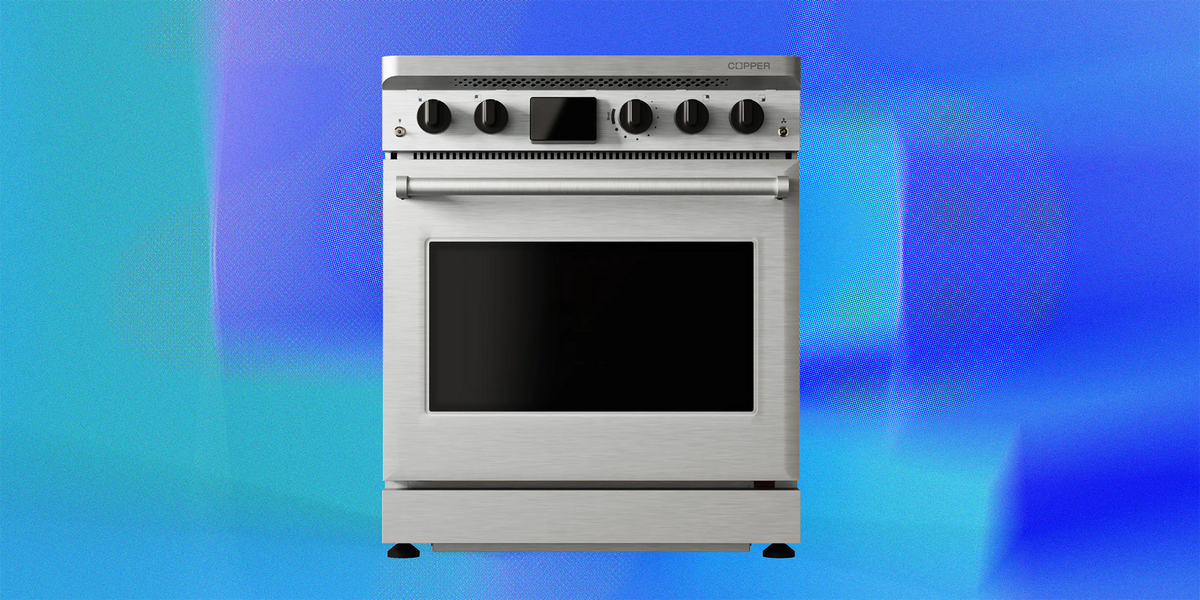
A battery stove sounds like something you would pack for a camping trip, right between the marshmallows and the flashlight that mysteriously has no batteries. But in today’s kitchen world, the term usually refers to a battery-equipped induction stove: a full-size range or cooktop with a built-in rechargeable battery that helps power high-performance electric cooking.
In simple terms, it is an induction stove with an energy storage system tucked inside. The battery charges from a standard outlet, then releases extra power when you boil pasta water, sear steak, bake bread, or cook during a power outage. That makes it one of the most interesting new appliances for people who want to switch from gas to electric without ripping open walls, upgrading an electrical panel, or having a long emotional conversation with an electrician.
Battery stoves are still new, premium, and not yet as common as gas ranges or regular induction ranges. But they are gaining attention because they solve a very real problem: many American homes have a gas stove and only a regular 120-volt outlet behind it. A traditional induction range often needs a 240-volt circuit. A battery stove can bridge that gap.
What Is a Battery Stove?
A battery stove is an electric cooking appliance, usually an induction range or induction cooktop, that includes a built-in battery. Instead of relying only on instant power from the wall, it stores electricity and uses that stored energy when cooking demand is high.
Most battery stoves on the U.S. market are not “battery-only” appliances. You do not charge them like a phone, unplug them, and wander around making pancakes in the backyard. They are connected to household electricity, but the battery allows them to operate with more flexibility.
Battery Stove vs. Regular Induction Stove
A regular induction stove uses electricity from your home’s wiring to create a magnetic field that heats compatible cookware directly. It is fast, responsive, and efficient. However, many full-size induction ranges require a 240-volt outlet and a dedicated circuit.
A battery stove uses the same basic induction cooking technology, but adds battery storage. That battery can charge slowly from a standard 120-volt outlet, then deliver a burst of power when the stove needs it. Think of it like a kitchen energy savings account: small deposits over time, big withdrawal when you want a roaring boil.
Battery Stove vs. Portable Battery Burner
Some people use “battery stove” to describe a portable electric burner powered by a power station. That is a different category. This article focuses on built-in or full-size battery-equipped induction stoves designed for everyday home cooking.
How Does a Battery Stove Work?
A battery stove combines three main systems: induction cooking, battery storage, and smart power management.
1. Induction Heats the Pan Directly
Induction cooking uses electromagnetic energy. Beneath the glass cooktop are copper coils. When you turn on a burner, the coil creates a magnetic field. If you place a magnetic pan on the surface, that field creates heat inside the cookware itself.
This is why induction feels so quick. The stove is not wasting as much energy heating a metal coil, open flame, or the air around the pan. The pan becomes the heat source. That is also why induction cooktops are easier to wipe clean: the glass surface usually does not get as hot as a traditional electric burner.
2. The Battery Stores Energy
The built-in battery charges when the stove is plugged in and not using all available power. Many battery stove designs use lithium iron phosphate batteries, often called LFP batteries. This battery chemistry is widely used in home energy storage and electric vehicles because it is known for stability and long cycle life.
When the stove needs more power than the outlet can provide at that moment, the battery steps in. For example, a standard 120-volt outlet may not provide enough power for a full-size oven and multiple high-power induction burners at once. The battery helps supply that extra energy.
3. Smart Controls Balance Charging and Cooking
Battery stoves use software to decide when to charge, when to discharge, and how much power to send to the burners or oven. Some models may also support updates, energy monitoring, or future grid-friendly features.
This is where the appliance gets clever. It can sip power from a regular outlet, store it, and then unleash it when dinner gets dramatic. In cooking terms, that means faster boiling, strong searing, responsive simmering, and fewer installation headaches.
Real Examples of Battery Stoves
Battery stoves are an emerging category, so there are only a few major examples available or developing in the United States.
Copper Charlie
Copper’s Charlie is a full-size, 30-inch battery-equipped induction range. It includes an induction cooktop, electric oven, and integrated battery. It is designed to plug into a standard 120-volt outlet, which makes it especially interesting for homes switching from gas.
The major selling point is installation simplicity. If your current gas range has a normal outlet for the clock and ignition, a battery-equipped range may be able to use that outlet instead of requiring a new 240-volt circuit. That can save time, money, and drywall dust.
Impulse Cooktop
Impulse Labs offers a battery-integrated induction cooktop with a built-in battery and high peak burner power. It is designed for strong cooking performance while offering flexible electrical requirements. Depending on the installation, it may work with 120-volt or 240-volt service.
This kind of cooktop is aimed at people who want powerful induction performance but may not want to overhaul the electrical system. It is also part of a bigger idea: appliances with batteries could eventually help homes manage energy more intelligently.
Pros of a Battery Stove
Battery stoves are not cheap, but they offer several meaningful advantages.
Lower Installation Barriers
The biggest benefit is that some battery stoves can work from a standard 120-volt outlet. That matters because many kitchens with gas ranges do not have a 240-volt circuit behind the stove.
Adding a new circuit can be simple in some houses and complicated in others. If the electrical panel is full, the panel is far away, or the home is in a multifamily building, costs can rise quickly. A plug-in battery stove can make induction possible where a standard induction range would be a project.
Fast, Precise Cooking
Because battery stoves use induction, they inherit induction’s best cooking traits: quick heat, fast adjustments, excellent simmer control, and less wasted heat. You can bring water to a boil quickly, lower heat almost instantly, and avoid the “why is this sauce suddenly lava?” moment that can happen on older electric coils.
Cleaner Indoor Air Than Gas
Battery stoves do not burn gas in the kitchen. That means they avoid combustion byproducts such as nitrogen dioxide and carbon monoxide from the stove itself. You still need ventilation for smoke, steam, grease, and the occasional blackened grilled cheese, but induction eliminates the open flame and combustion emissions from cooking fuel.
Backup Cooking During Outages
Depending on battery size and charge level, a battery stove may allow limited cooking during a power outage. That can be a major comfort during storms, wildfires, grid interruptions, or the deeply inconvenient moment when the power goes out halfway through dinner.
Performance varies by model and how you cook. Boiling huge pots and running the oven for hours will drain a battery faster than simmering soup or reheating leftovers. Still, the ability to cook several meals without grid power is a standout feature.
Potential Time-of-Use Savings
In areas with time-of-use electricity rates, a battery stove may eventually help shift some energy use away from expensive peak hours. The appliance could charge when power is cheaper and use stored energy when electricity costs more. This depends on the model, software, utility rules, and local rates, but it is part of the long-term promise.
Cooler Kitchen
Gas burners release heat into the room. Traditional electric burners also heat the cooktop and surrounding air. Induction sends energy directly into the pan, so the kitchen often feels cooler. In summer, that can mean less sweating into your spaghetti sauce, which everyone at the table will appreciate.
Cons of a Battery Stove
Battery stoves are exciting, but they are not magic. Here are the drawbacks to understand before buying.
High Upfront Cost
Battery stoves are premium appliances. Current battery-equipped induction ranges and cooktops often cost several thousand dollars, with some models around the $6,000 to $7,000 range before taxes, delivery, installation, accessories, or rebates.
That is much more than many basic gas or electric ranges. The price may make sense if it avoids expensive electrical upgrades, replaces a premium range, or provides valuable backup cooking. But for a tight budget, a portable induction burner or conventional electric range may be more practical.
Limited Product Choices
This category is still young. You will not find twenty battery stove models lined up at every appliance store. Choices may be limited by size, finish, delivery area, warranty support, and installation requirements.
Heavy Appliance Weight
Adding a battery makes the appliance heavier. That matters for delivery, stairs, older floors, tight doorways, and installation logistics. Before buying, check dimensions, weight, outlet location, and clearance requirements.
Battery Aging
All rechargeable batteries age. Over years of use, battery capacity can decline. Reputable manufacturers design around this with battery management systems, warranties, and safe chemistries, but buyers should still ask about expected lifespan, replacement options, warranty coverage, and service availability.
Cookware Compatibility
Like all induction stoves, battery stoves require magnetic cookware. Cast iron, carbon steel, and many stainless steel pans work well. Aluminum, copper, glass, and some nonmagnetic stainless pans will not work unless they have an induction-compatible base.
The easiest test is the magnet test. If a magnet sticks firmly to the bottom of the pan, it will usually work on induction. If the magnet slides off like it just received bad news, you may need new cookware.
Learning Curve
Induction responds quickly. That is a benefit, but it also means you may need to adjust your habits. Medium heat on induction can behave like high heat on an old gas burner. Your pancakes may become “modern abstract toast” during the first week. Fortunately, most cooks adapt quickly.
How Much Does a Battery Stove Cost?
Battery stove pricing depends on brand, size, battery capacity, installation, and available incentives. As of current U.S. market examples, expect premium pricing.
Typical Purchase Price
A battery-equipped induction range or cooktop may cost around $5,999 to $6,999 before taxes and installation. Prices can change as the market grows, but this gives a realistic starting point for early-generation products.
Installation Costs
If the appliance truly works with your existing outlet and kitchen layout, installation may be much simpler than installing a traditional 240-volt induction range. However, you may still pay for delivery, haul-away, anti-tip bracket installation, cabinetry adjustments, or minor electrical checks.
If your outlet is not in the right location, the circuit is shared with too many loads, or your building has special rules, costs can increase. Always verify the product’s electrical requirements before ordering.
Rebates and Incentives
Some electric and induction cooking appliances may qualify for rebates through federal, state, local, or utility programs. In the United States, qualifying households may be eligible for rebates of up to $840 for certain electric or induction cooking appliances, depending on income, location, program availability, and appliance eligibility.
Important note: rebate programs vary by state and may change. Before you buy, check your state energy office, utility provider, and the manufacturer’s rebate guidance. Do not assume a product qualifies just because it is shiny and expensive. The rebate paperwork does not care how beautiful the knobs are.
Is a Battery Stove Worth It?
A battery stove may be worth it if you want induction cooking, currently have gas, and do not want or cannot easily install a 240-volt circuit. It may also make sense if backup cooking during outages is valuable to your household.
It is less compelling if you already have a 240-volt range outlet, rarely lose power, or simply want the lowest-cost way to cook with electricity. In that case, a standard induction range may offer similar cooking benefits for less money.
Best Fit for a Battery Stove
- Homes switching from gas to induction without easy 240-volt access
- Apartments, condos, and multifamily buildings with electrical limits
- Households in areas with frequent outages
- Homeowners who value cleaner indoor air and fast induction performance
- Early adopters who like smart energy technology
Not the Best Fit
- Budget shoppers looking for the cheapest range
- Homes that already have a suitable 240-volt outlet
- People unwilling to switch cookware
- Renters who cannot change appliances
- Cooks who strongly prefer the visual feedback of flame
Battery Stove Buying Checklist
Before buying, ask these questions:
- Does the stove fit my existing range or cooktop space?
- Does it require 120 volts, 240 volts, or either?
- Is the outlet close enough and on the right type of circuit?
- How large is the battery in kilowatt-hours?
- How many meals can it cook during an outage?
- What is the warranty on the appliance and battery?
- Can the battery be serviced or replaced?
- Does my cookware work with induction?
- Are rebates available in my area?
- What happens if the appliance needs repair?
Battery Stove Experience: What It Feels Like to Live With One
Living with a battery stove is less like adopting a futuristic robot chef and more like upgrading to a very calm, very powerful kitchen assistant. The first thing most people notice is speed. Water heats quickly, pans respond immediately, and the stove feels eager without being chaotic. If gas cooking is a campfire with manners, induction is a laser pointer with a dinner plan.
The second big experience is control. A good induction burner can go from aggressive sear to gentle simmer quickly. That is helpful for foods that punish distraction: scrambled eggs, chocolate, rice, sauces, and anything involving butter. Instead of sliding a pan halfway off the burner to reduce heat, you tap or turn the control down and the pan responds. It makes cooking feel cleaner and more exact.
The built-in battery changes the experience in a quieter way. Most days, you may not think about it. The stove charges, manages power, and cooks like a normal premium induction appliance. But during high-demand cooking, the battery is the hidden muscle. It helps the stove deliver strong performance from an ordinary outlet, which is the whole trick.
During a power outage, the mood changes. Suddenly the battery is not just a technical feature; it is comfort. Being able to make coffee, heat soup, scramble eggs, or bake something simple during an outage can make the house feel normal again. You still need to cook wisely. A full oven roast will use more energy than a quick stovetop meal. But having any real cooking capacity when the grid is down feels like finding a secret pocket in your winter coat.
There is also an indoor comfort difference. Without an open flame, the kitchen can feel less hot and less stuffy. Cleanup is easier because the flat glass surface has fewer places for sauce to hide and begin a new civilization. You still need to clean spills quickly, especially sugary ones, but there are no burner grates to scrub like you are training for a forearm competition.
The learning curve is real, though. Induction can be so responsive that old habits may lead to overcooking. If you are used to cranking gas to high for everything, you may need to make peace with medium settings. You may also discover that a favorite pan is not magnetic. This is emotionally inconvenient, especially if the pan has been with you through several apartments and at least one questionable pasta phase.
The other experience is financial. A battery stove feels premium because it is premium. The price can be hard to swallow unless you compare it with the total cost of a standard induction range plus electrical work, panel upgrades, permits, and repairs. For some households, the battery stove is expensive but logical. For others, it is simply too costly right now.
Overall, the experience is best described as “quietly impressive.” It does not turn dinner into science fiction. It just makes electric cooking easier to adopt, faster to use, and more resilient when power gets weird. That may not sound flashy, but in a kitchen, reliable and easy usually wins.
Final Verdict
A battery stove is one of the most practical new ideas in kitchen electrification. It combines the speed and precision of induction with built-in energy storage, helping solve the electrical barrier that keeps many gas households from switching to electric cooking.
The pros are strong: easier installation, cleaner indoor air, fast performance, outage backup, and potential energy flexibility. The cons are also real: high cost, limited model choices, heavy appliance weight, battery aging, and induction cookware requirements.
If you want induction and your kitchen lacks a 240-volt outlet, a battery stove deserves serious consideration. If you already have the right wiring or need a budget-friendly appliance, a standard induction range may be the smarter buy. Either way, battery stoves are a sign of where kitchens are heading: cleaner, smarter, and much less dependent on the phrase “call an electrician.”