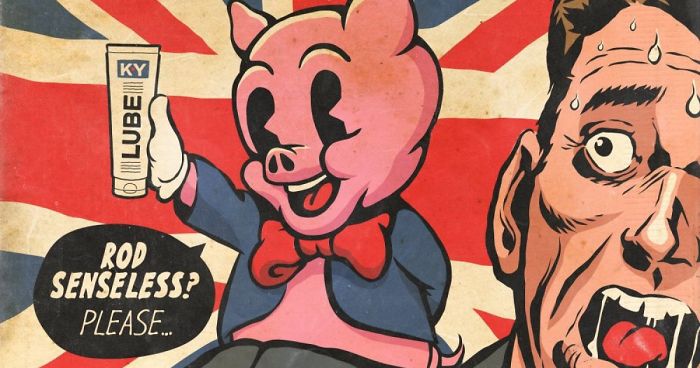
Note: This article is an editorial, non-official pop-culture thought experiment inspired by real Black Mirror episodes and classic American comic book cover traditions.
Imagine walking into an old comic shop, the kind with long boxes, squeaky floors, and at least one employee who knows the publication date of Action Comics No. 1 but cannot remember where they put their coffee. Now picture the wall display: instead of caped heroes punching meteors, you see Black Mirror episodes reimagined as classic-style comic book covers. Suddenly, “Nosedive” becomes a pastel nightmare romance comic. “USS Callister” screams from a Silver Age space adventure cover. “White Bear” looks like it crawled out of a pre-Code horror anthology and forgot to wipe its shoes.
The idea works because Black Mirror and vintage comics share a secret handshake: both love big concepts, bold imagery, moral panic, and titles that sound like warnings shouted by someone running out of a laboratory. Charlie Brooker’s anthology series is famous for twisting modern technology into dark satire, while classic comic covers were designed to grab readers instantly with a single dramatic image. Put them together, and you get a perfect collision of retro pulp energy and digital-age dread.
Why “Black Mirror” Belongs on Vintage Comic Covers
Black Mirror is built like a stack of standalone issues. Each episode has its own world, cast, premise, and emotional trapdoor. That format feels surprisingly close to old anthology comics, especially horror and science-fiction titles that promised readers a complete shock in just a few pages. A comic cover had to do the same job that a Black Mirror opening premise does: make you ask, “Wait, what terrible thing is about to happen, and why am I excited to watch it?”
Classic comic book covers were not shy. The Golden Age introduced muscular heroes, collapsing buildings, alien threats, and visual urgency. The Silver Age leaned into strange science, space exploration, glowing machines, and impossible transformations. Pre-Code horror comics, especially the EC-style tradition, loved ghoulish hosts, cruel irony, and final-panel punishment. Romance comics used tearful close-ups and melodramatic taglines. Black Mirror has all of thatjust with smartphones, surveillance systems, virtual consciousness, subscription nightmares, and people making poor decisions at broadband speed.
The Classic Comic Cover Formula
A classic-style comic cover usually needs four ingredients: a dramatic central image, a punchy title, a high-stakes caption, and a promise that the story inside is more outrageous than your tax bill. The image does the grabbing. The title does the shouting. The caption does the selling. The cover does not politely suggest; it announces.
For a Black Mirror cover series, the design language would change depending on the episode. Some stories would look like horror comics with cracked lettering and moonlit terror. Others would become space opera covers full of ray guns and doomed captains. A few would fit romance comics, which is funny until you remember that Black Mirror romance usually comes with cloud storage, identity collapse, or a moral injury wrapped in neon.
“Nosedive”: The Pastel Romance Comic From Hell
“Nosedive” is one of the easiest episodes to translate into a comic cover because its world is already visually loud: soft colors, forced smiles, social rankings, and emotional panic dressed as lifestyle branding. A classic cover might show Lacie reaching toward a five-star rating floating above a perfect suburban party, while the crowd behind her drops their phones in synchronized judgment.
Cover concept
Title: Nosedive: The Girl Who Fell Below 4.0!
Tagline: “One bad rating…and society unfriends her forever!”
The joke is that the cover could look like a 1950s teen romance comic, but the heartbreak is algorithmic. Instead of “Will Betty choose Archie?” the question is “Will this woman be allowed to rent a car after a public meltdown?” That is the kind of dystopian pettiness Black Mirror does beautifully.
“USS Callister”: Silver Age Space Adventure With a Cruel Captain
“USS Callister” already wears a retro sci-fi costume, so turning it into a comic cover feels almost too natural. It would borrow from classic space adventure, complete with bright uniforms, dramatic starfields, and a villain posed like he owns both the galaxy and the office microwave.
Cover concept
Title: USS Callister: Prisoners of the Infinite Game!
Tagline: “Trapped in space by a man who should never have been given admin privileges!”
The central image would show Nanette Cole and the crew fighting against a digital cosmos, while Captain Daly looms above them like a pulp tyrant. The cover would look heroic at first glance, but the story underneath is about control, consent, workplace resentment, and the terrifying emotional life of someone who mistakes revenge for imagination.
“San Junipero”: A Neon Romance Comic With a Sci-Fi Soul
“San Junipero” is one of the rare Black Mirror stories that lets hope survive the machinery. A classic-style cover could blend 1980s neon with old romance comic drama: two women reaching for each other under a glowing arcade sign, while a digital moon hangs over the beach like a heavenly loading screen.
Cover concept
Title: San Junipero: Love After the Last Dance!
Tagline: “In a town where time never ends, can two hearts choose forever?”
The cover would be lush, emotional, and slightly unreal. It could mimic romance comics, but with a science-fiction twist: instead of a jealous rival in the background, there would be a server farm. Honestly, that is progress of some kind.
“White Bear”: Pre-Code Horror in Broad Daylight
“White Bear” belongs on a horror cover. Not a quiet, tasteful horror cover. A full screaming-face, jagged-lettering, “What unspeakable secret awaits?” cover. The episode’s nightmare logicbeing chased, recorded, and punished without understanding whyfits perfectly into the moral-trap structure of old horror anthologies.
Cover concept
Title: White Bear: The Carnival of Judgment!
Tagline: “Everyone is watching…but no one will help!”
The artwork might show Victoria running through a crowd of silent spectators holding phones instead of pitchforks. That tiny update says everything. Classic horror had villagers with torches. Modern horror has people filming vertically.
“The Entire History of You”: Noir Memory Detective
This episode would make an excellent noir comic cover. The “grain” memory device is basically a private detective living behind your eye, except the detective is terrible for your marriage and never stops replaying suspicious footage. A cover could show a man staring into a giant eye-shaped screen while fragments of a dinner party, a smile, and a betrayal spiral around him.
Cover concept
Title: The Entire History of You: Replay of Doom!
Tagline: “He could remember everything…except how to let go!”
The genius of the episode is that the technology does not create jealousy; it feeds it until jealousy becomes an unpaid full-time job. A noir cover would capture that perfectly: shadows, obsession, suspicion, and one very unfortunate piece of wearable tech.
“Be Right Back”: Gothic Romance Meets Artificial Intelligence
“Be Right Back” could be drawn like a tragic gothic romance comic. A grieving woman stands at a doorway while the silhouette of her dead partner appears in blue digital light. It is tender, eerie, and exactly the kind of cover that would make someone whisper, “This cannot end well,” before buying it anyway.
Cover concept
Title: Be Right Back: The Man Who Returned From the Cloud!
Tagline: “She wanted one more conversation. The machine gave her much more.”
Classic comics loved resurrection stories, duplicates, robots, and tragic doubles. This episode modernizes those ideas through data, grief, and the uncomfortable truth that a simulation can imitate someone without becoming them. A comic cover could make that theme instantly visible with one almost-human face and one devastated expression.
“Fifteen Million Merits”: Dystopian Game Show Spectacle
“Fifteen Million Merits” would look like a futuristic satire magazine exploded into a comic book. The cover might show rows of people pedaling bikes under giant screens, while a talent-show stage glows above them like a false heaven. It is part science fiction, part labor nightmare, part entertainment-industry roast.
Cover concept
Title: Fifteen Million Merits: Pedal or Perish!
Tagline: “He saved for freedom…and bought a better cage!”
The classic cover tradition is perfect for this episode because the satire is visual. Bodies in rows. Screens everywhere. Bright prizes. Hidden despair. The result would feel like a 1960s sci-fi warning about television culture that accidentally predicted influencer economics, microtransactions, and the phrase “personal brand,” which remains one of humanity’s most chilling inventions.
“Black Museum”: EC Horror Anthology With a Tech Twist
If any episode deserves a full pre-Code horror treatment, it is “Black Museum.” The episode is already an anthology inside an anthology, complete with cursed artifacts, cruel inventions, and a museum host who might as well be standing beside a crypt door saying, “Step inside, dear reader.”
Cover concept
Title: Black Museum: Tales of the Damned Devices!
Tagline: “Every exhibit has a victim…and every victim has a story!”
A classic cover could show a glass case full of sinister gadgets: a headset, a monkey toy, a pain device, and other relics of technological arrogance. EC-style horror often punished greed, cruelty, and hypocrisy. Black Museum does the same thing, only with sleeker hardware and better lighting.
“Bandersnatch”: Choose-Your-Own Comic Madness
“Bandersnatch” would not be just one cover. It would be several covers, each slightly wrong. One might show Stefan standing at a forked path made of comic panels. Another might show giant hands choosing his fate from outside the page. A special edition could have fake fold-out tabs, alternate endings, and a warning label that reads: “Reader responsibility not included.”
Cover concept
Title: Bandersnatch: You Are Holding the Trap!
Tagline: “Turn the page…if the page lets you.”
This is where the comic format becomes more than decoration. Comics already make readers control time by choosing when to move from panel to panel. “Bandersnatch” adds the illusion of choice to that experience, making it a natural match for a metafictional comic cover that seems aware of the person holding it.
“Common People”: Medical Sci-Fi as Subscription Horror
Season 7’s “Common People” would be terrifying as a modernized vintage cover because its fear is not a monster from space; it is a payment plan. The cover might show a couple embracing beneath a glowing medical machine while a giant billing statement wraps around them like a serpent. In the corner, a cheerful corporate mascot says, “Upgrade now!” which is scarier than most vampires.
Cover concept
Title: Common People: Life on the Premium Plan!
Tagline: “Her heart still beats…but only while the payments clear!”
The best Black Mirror premises are not about technology alone. They are about systems: healthcare, labor, media, memory, dating, policing, and entertainment. A comic cover helps compress those systems into one unforgettable image. If the image makes you laugh and then check your bank account, it has done its job.
Why This Mashup Feels So Natural
Classic comic covers were built for instant emotion. Fear. Wonder. Desire. Suspicion. Heroism. Panic. Black Mirror is built from those same ingredients, but it usually replaces monsters with platforms and curses with terms of service. That is why the mashup works so well. It makes the invisible visible.
A social rating becomes a giant floating score. A memory implant becomes an eye-shaped projector. A cloud-based consciousness becomes a ghost in a server room. A virtual spaceship becomes a battlefield. A subscription medical device becomes a monster with a customer-service smile. These are not just visual jokes; they are sharp interpretations of what the episodes are really about.
It also helps that old comic covers loved exaggeration. A hand reaching from a screen? Perfect. A woman pursued by a crowd of phone-wielding spectators? Absolutely. A man trapped in a comic panel while the reader chooses his fate? Put it on the spinner rack immediately. Black Mirror often feels restrained on the surface, but its ideas are enormous. Classic comic art gives those ideas permission to yell.
The Experience of Seeing “Black Mirror” as a Wall of Comics
There is a special kind of joy in imagining these covers lined up together. At first, the experience would feel playful, almost nostalgic. You would see the aged paper texture, the bold title boxes, the dramatic poses, the fake issue numbers, and the oversized captions. It would look like something discovered in a dusty attic between baseball cards and a suspiciously sticky lunchbox. Then the joke would sharpen. These are not innocent adventures. These are warnings dressed in halftone dots.
Standing in front of a “Nosedive” cover, you might laugh at the melodrama of a woman collapsing beneath a giant five-star rating. Then you would remember every time you checked likes, reviews, comments, delivery ratings, follower counts, or professional scores that quietly decide who gets seen and who gets ignored. The cover would be funny because it is exaggerated. It would sting because it is not exaggerated enough.
The “USS Callister” cover would offer a different experience. It would look thrilling, like a lost space adventure from a spinner rack. Bright uniforms, alien vistas, heroic movement. But the more you looked, the more the power dynamic would become clear. The villain is not some alien emperor; he is a resentful man with technical access and no emotional brakes. That is what makes the comic-cover format interesting: it can seduce the eye before revealing the rot inside the premise.
“San Junipero” would probably be the cover people stare at the longest. It would glow with romance, music, and the ache of a summer night that never quite ends. Unlike many Black Mirror concepts, this one would not need a visual scream. It would need a promise: love can survive the body, but forever is still a choice. A classic romance cover could capture that with two figures, a dance floor, and a horizon that looks suspiciously digital.
Then there would be “White Bear,” the cover that ruins the mood in the best possible way. It would feel like a horror comic you almost do not want to touch. The crowd would not be monsters in makeup. They would be ordinary people holding phones, which is worse because it suggests the monster has excellent battery life. That cover would turn the viewer into part of the joke. Are you observing the terror, or participating in it?
The most powerful part of the experience would be realizing how well old visual language explains new anxieties. Classic comic covers knew how to externalize fear. They turned guilt into ghosts, science into glowing machines, jealousy into shadows, and danger into a giant hand reaching from the sky. Black Mirror needs that kind of visual translation because its villains are often abstract: algorithms, corporations, memories, rankings, interfaces, entertainment systems, and the human ego wearing a headset.
By the time you reached the final cover, the imaginary comic wall would feel less like fan art and more like a museum of modern nerves. The style would be retro, but the fears would be painfully current. That is the magic of the concept. It does not simply ask, “Wouldn’t this look cool?” It asks, “Why do our newest nightmares fit so neatly into the oldest pop-culture frames?” The answer is uncomfortable and delicious: technology changes, but people remain spectacularly talented at misusing it.
Conclusion
Reimagining Black Mirror episodes as classic-style comic book covers is more than a clever aesthetic exercise. It reveals how closely modern tech satire and vintage comic storytelling overlap. Both forms thrive on bold concepts, immediate stakes, moral pressure, and unforgettable images. Whether it is “Nosedive” as a pastel social-credit romance, “USS Callister” as a Silver Age space nightmare, “White Bear” as phone-era horror, or “San Junipero” as neon afterlife romance, each episode becomes clearer when translated into cover art.
The best part is that the covers would not need to explain everything. Classic comics understood the power of suggestion. One panicked face, one impossible machine, one dramatic caption, and the reader is already hooked. That is exactly how Black Mirror works: it gives us a premise, lets us recognize ourselves in it, and then politely pushes us down the stairs of implication. In comic-book form, those stairs would simply be printed in glorious four-color ink.