Pressure points have excellent “energy,” or knock a villain unconscious before the popcorn gets cold. Real human anatomy, unfortunately, did not consult the screenwriters.
The truth about pressure points is more interesting than either extreme. Certain areas of the body really are unusually sensitive. Applying gentle pressure may help some people manage nausea, muscle tension, headaches, or stress. Pressure on vulnerable structures can also cause intense pain or serious injury. What science does not support is the idea that every person has a collection of reliable secret buttons that produce identical, dramatic results.
This guide works as a companion to any video about pressure points. It separates acupressure from trigger-point massage, explains why some martial arts demonstrations look convincing, and shows how to judge extraordinary claims without becoming the volunteer who wakes up wondering why everyone is standing over him.
What Are Pressure Points, Exactly?
“Pressure point” is an umbrella term rather than one precise medical diagnosis. People may use it to describe traditional acupressure points, painful muscle knots, sensitive nerves, vulnerable anatomical structures, or targets discussed in martial arts.
Traditional acupressure points
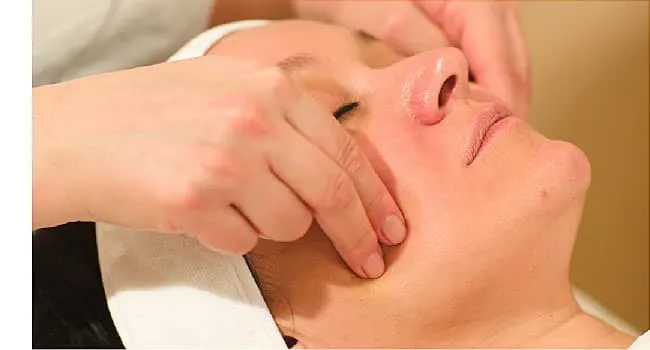
Acupressure developed from traditional East Asian medical practices. Practitioners apply finger, hand, or device pressure to specific locations called acupoints. Traditional explanations connect these points through pathways commonly called meridians and describe treatment as a way of influencing the flow of vital energy.
Modern research does not establish meridians as visible anatomical structures. Researchers instead investigate whether touch, pressure, expectation, relaxation, nerve stimulation, and changes in pain processing could explain reported benefits. Acupressure is best viewed as a complementary practice, not a magical repair system or substitute for necessary medical care.
Muscle trigger points
Trigger points belong to a different category. They are tender, irritable areas found within tight muscle or surrounding connective tissue. Pressing one may produce local discomfort or referred pain somewhere nearby. A point in a shoulder muscle, for example, may seem to send discomfort toward the neck or head.
Massage therapists and physical therapists may use manual pressure, stretching, movement, or myofascial techniques to reduce tenderness and restore comfortable motion. Trigger-point massage can feel useful for muscle tension, but it is not the same thing as manipulating a traditional energy meridian. Similar vocabulary has caused decades of conversational soup. </spaAnatomically vulnerable areas
Some areas hurt more because nerves lie close to the surface, soft tissue covers a hard bone, or important structures have little protection. That is ordinary anatomy, not evidence of a hidden electrical switchboard.
Pressure around the eyes, throat, neck, joints, and other delicate regions can cause injury. These are not locations to test casually on friends, students, children, or the brave cousin who always says, “Go ahead; I can take it.”
Do Acupressure Points Actually Work?
The honest answer is sometimes, for some symptoms, with important limitations. Research results vary according to the condition being treated, the point used, treatment duration, study quality, and comparison group.
Nausea is one of the better-known applications
The point most frequently discussed for nausea is located on the inner wrist and is often called P6 or Neiguan. It is the point targeted by many motion-sickness and morning-sickness wristbands.
MedlinePlus describes wrist acupressure as an option that may relieve mild nausea. Major medical sources also note that studies of acupressure wristbands have produced mixed findings. That means a band may help an individual without proving that it works strongly or consistently for everyone. Pain and tension relief are plausible but variable
Reviews have reported possible improvements in certain types of pain, although studies differ in quality and are difficult to compare. Gentle pressure may promote relaxation, temporarily change sensory input, reduce muscle guarding, or make a person feel more in control of a symptom.
These effects matter. A treatment does not need to produce fireworks to be useful. However, modest symptom relief should not be inflated into claims that pressing one spot cures arthritis, repairs a damaged disk, removes a tumor, or permanently corrects a chronic illness. Context can influence the result
Touch-based treatments come with several powerful companions: focused attention, rest, human interaction, expectation, slower breathing, and time away from whatever was causing stress. These factors can influence pain and symptom perception.
Calling this a contextual or placebo-related effect does not mean a person imagined the improvement. Pain is produced and regulated by the nervous system, and expectations can affect how strongly symptoms are experienced. The scientific challenge is determining how much benefit comes from the exact point, how much comes from general pressure or massage, and how much comes from the surrounding treatment experience.
The Truth About Martial Arts Pressure Points
Martial arts pressure-point videos tend to make one of two claims. The reasonable claim is that certain anatomical targets are painful and may influence balance, posture, or compliance. The extraordinary claim is that a light tap, special sequence, or invisible energy attack can reliably disable almost anyone.
The first claim is unsurprising. The second requires much better evidence than dramatic demonstrations with cooperative students.
Pain compliance is not the same as a knockout
A painful grip may persuade a calm training partner to move in a particular direction. In a real emergency, however, pain responses are unpredictable. Fear, adrenaline, intoxication, protective clothing, body position, individual anatomy, and determination can all change the outcome.
A technique that works beautifully on a stationary volunteer may fail when a person is moving, resisting, pulling away, or striking back. This is why responsible self-defense training emphasizes awareness, escape, verbal boundaries, distance, balance, and simple skills practiced against realistic resistance. It does not build the entire plan around finding a spot the size of a shirt button during chaos.
Light-touch knockout claims are not dependable
Researchers have documented physiological changes during some pressure-point demonstrations, but small observational studies do not validate every explanation offered by an instructor. Loss of consciousness can result from dangerous interference with blood flow, breathing, heart-rate regulation, or normal brain function. It is not proof that a mystical sequence has unlocked a secret energy pathway. </spa Demonstrations may also be influenced by suggestion, anticipation, social pressure, practiced reactions, or highly selected participants. A claim becomes especially doubtful when it fails with unfamiliar, skeptical, or noncompliant volunteers.
No-touch knockouts belong in the myth category
There is no credible evidence that a person can reliably render another person unconscious from a distance by projecting internal energy. When no-touch demonstrations fail under independent conditions, explanations often shift toward excuses about the volunteer’s posture, tongue position, skepticism, energy, or cosmic Wi-Fi connection.
Extraordinary abilities should work under controlled testing. If a technique functions only inside one instructor’s school with loyal students, the demonstration may reveal more about psychology and group expectations than combat physiology.
Why Neck “Pressure Points” Are Especially Dangerous
The side of the neck contains carotid arteries, nerves, pressure-sensitive receptors, the airway, and other essential structures. The carotid sinus helps the body regulate blood pressure. In susceptible people, stimulation can trigger an exaggerated reflex involving a sudden drop in heart rate or blood pressure, dizziness, fainting, or more serious complications.
Medical carotid sinus massage is a controlled diagnostic procedure performed for selected patients with appropriate monitoring and screening. It is not a party trick, martial arts experiment, headache remedy, or shortcut for making someone “take a nap.” Chokeholds and neck compression can reduce blood flow to the brain or interfere with breathing. Unconsciousness is a sign of physiological distress, not evidence that a technique was harmless. Emergency physicians describe neck compression in grappling as a process involving major circulatory and reflex changes, which is precisely why it requires trained supervision and strict safety rules. </span Never practice neck compression after learning it from an online clip. Someone who loses consciousness, has difficulty breathing, develops weakness, experiences severe headache, becomes confused, or has persistent neck pain after compression needs urgent medical evaluation.
How to Evaluate a Pressure-Point Video
A polished video can make weak evidence look impressive. Slow motion, dramatic music, uniforms, testimonials, and one very cooperative assistant are not substitutes for controlled testing.
Check the speaker’s qualifications
Look for relevant credentials that can be verified. A licensed physician, physical therapist, massage therapist, athletic trainer, or qualified acupuncturist should remain within the boundaries of that profession. A collection of self-created grandmaster titles is less persuasive, especially when every certificate appears to have been printed with the same home-office font.
Watch for exaggerated promises
Be skeptical when a video promises instant cures, guaranteed knockouts, permanent pain removal, delayed death touches, or techniques that supposedly work on every body. Human anatomy varies, symptoms have many causes, and legitimate health professionals rarely guarantee identical results.
Ask whether resistance is realistic
In a credible martial arts demonstration, the instructor explains limitations and distinguishes practice from real-world performance. The technique should not depend entirely on a partner who freezes, presents the perfect target, and collapses on schedule.
Look for safety warnings
Responsible educators warn viewers not to experiment around the eyes, airway, neck, injured joints, broken skin, blood clots, recent surgical sites, or other vulnerable areas. They also explain when symptoms require medical care.
Separate evidence from tradition
Traditional explanations can have cultural and historical value. Problems begin when tradition is presented as settled laboratory science. A trustworthy presenter can say, “This is how the practice has traditionally been explained,” while also acknowledging what research has and has not confirmed.
Using Acupressure More Safely
For ordinary self-care, pressure should feel firm but tolerable. Stop when pressure causes sharp pain, worsening numbness, dizziness, bruising, weakness, nausea, or unusual symptoms. More force does not automatically create more benefit. Your body is not a stubborn jar lid.
Avoid pressing damaged skin, infected areas, fresh injuries, suspected fractures, prominent veins, or unexplained lumps. People who are pregnant, take blood-thinning medication, have bleeding disorders, live with nerve damage, or have serious cardiovascular conditions should ask a qualified healthcare professional before trying unfamiliar techniques.
Acupressure should complement appropriate treatment rather than delay it. Persistent headaches, chest pain, breathing problems, one-sided weakness, fainting, severe abdominal pain, sudden vision changes, unexplained vomiting, and rapidly worsening symptoms need proper medical assessment.
Major health organizations describe complementary approaches as options that should be evaluated for both safety and usefulness. “Natural” does not mean risk-free, and “ancient” does not automatically mean scientifically proven. on>
Common Experiences With Pressure Points: What People Actually Notice
The following experience-based observations are a realistic composite of commonly reported situations rather than a claim of personal medical treatment. They show why pressure-point discussions can become confusing: several very different experiences are often given the same name.
Experience one: trying a wrist point for nausea
A traveler puts on an acupressure wristband before a winding bus ride. During the first half hour, the pressure beneath the band feels noticeable but not painful. The traveler also sits near a window, watches the horizon, avoids reading, drinks water, and expects the band to help.
The nausea is milder than usual. Was the improvement caused by stimulation of the wrist point, reduced anxiety, better seating, expectation, or all four? One trip cannot answer that question. Still, the band was inexpensive, noninvasive, and apparently useful to that person. This is a reasonable example of complementary self-care: modest expectations, low risk, and no claim that the wristband has reorganized the digestive system.
Experience two: receiving trigger-point massage
An office worker with tight shoulders visits a qualified massage therapist. When the therapist presses a tender area near the upper back, the sensation seems to travel toward the base of the skull. The pressure is uncomfortable, but controlled. Afterward, the shoulder feels looser and turning the head is easier.
The relief may last several hours or several days. It may improve further when combined with movement breaks, exercise, better desk positioning, sleep, and stress management. The experience feels dramatic because one tiny area reproduced a familiar ache, but it does not prove that the therapist found an energy button connected directly to the head. A muscular and nervous-system explanation is sufficient.
Experience three: attending a martial arts demonstration
During a seminar, an instructor asks an experienced student to stand still. The instructor touches or strikes a carefully chosen area, and the student bends, loses balance, or drops to the mat. The audience gasps. The technique appears effortless.
Later, participants try the movement with different partners. Results vary wildly. One person reacts strongly, another feels only mild discomfort, and a third moves before contact because the demonstration has created powerful expectations. When partners resist, change posture, wear thicker clothing, or refuse to present the target, the technique becomes much less reliable.
This experience teaches an important lesson. Sensitive anatomical areas exist, but demonstrations are not the same as emergencies. Familiar partners know what is expected, and skilled presenters know how to control timing, angle, balance, and attention. The result may be real without supporting every explanation attached to it.
What these experiences have in common
Pressure can influence sensation. It can reduce discomfort, create discomfort, redirect attention, relax muscle, provoke a reflex, or encourage movement. The outcome depends on context, anatomy, force, expectation, health status, and cooperation.
The sensible conclusion is neither “all pressure points are fake” nor “every pressure-point legend is true.” Gentle acupressure may be worthwhile for selected symptoms. Trigger-point work may help muscular tension. Vulnerable anatomical structures can be injured. Reliable supernatural knockout buttons, however, remain excellent material for action movies and very poor material for a safety plan.
Conclusion: Pressure Points Are Anatomy, Therapy, and Myth Mixed Together
The truth about pressure points becomes clearer once the term is divided into separate categories. Traditional acupressure may offer limited relief for symptoms such as nausea, stress, or pain, although research is mixed and individual results vary. Trigger points are tender muscular areas that may respond to massage, stretching, and movement. Anatomically vulnerable locations are real, but manipulating them can cause injury rather than unlock a special power.
Martial arts pressure points may add detail to broader training, but they should never replace awareness, escape skills, realistic practice, physical conditioning, and sound judgment. Any video promising effortless knockouts, universal cures, or invisible energy attacks deserves careful skepticism.
The human body contains nerves, muscles, reflexes, blood vessels, and plenty of sensitive tissue. That reality is fascinating enough. It does not need secret death touches, mystical remote controls, or an instructor whose strongest scientific evidence is that his favorite student always falls down.