Note: This article is written in standard American English and synthesizes current cooking, charcuterie, and food-safety guidance from reputable culinary and food-safety references, including USDA/FSIS, FDA, FoodSafety.gov, Serious Eats, Epicurious, Martha Stewart, Bon Appétit, Food Network, Allrecipes, Williams Sonoma, Leite’s Culinaria, Saveur, and expert home-cooking sources.
A Make-Ahead Turkey Terrine That Looks Fancy but Behaves Nicely
A turkey terrine sounds like the kind of dish that should arrive wearing a tiny tuxedo and speaking French. In reality, it is a beautifully practical recipe: seasoned turkey, herbs, aromatics, and pistachios are packed into a loaf pan, wrapped in bacon, baked gently, chilled, sliced, and served like the star of a holiday appetizer board. It looks elegant, tastes rich, and has the rare party-food superpower of being better when made ahead.
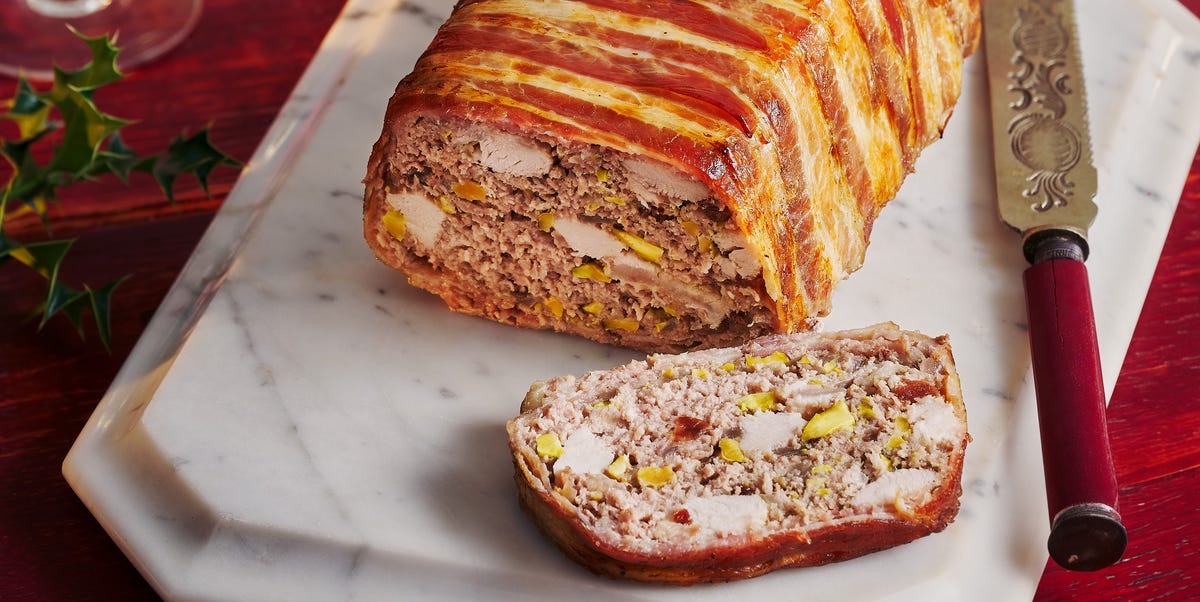
This version brings together lean ground turkey, diced turkey breast, smoky bacon, crunchy pistachios, fresh herbs, garlic, shallots, and a touch of citrus zest. The bacon does more than look dramatic. It bastes the terrine as it cooks, helps hold the loaf together, and creates that savory outer layer everyone tries to steal from the platter first. The pistachios add color, texture, and a buttery crunch that keeps each slice interesting.
Think of this turkey and pistachio terrine as a cousin of meatloaf that went to finishing school. It is rustic enough for a family table, polished enough for Thanksgiving, Christmas, Easter brunch, a wine night, or a make-ahead dinner party, and sturdy enough to slice cleanly once chilled. Serve it with toasted baguette, cornichons, whole-grain mustard, cranberry chutney, pickled onions, or a bright salad. Suddenly, you are not just “putting out snacks.” You are curating a board. Very different energy.
What Is a Terrine?
A terrine is both a dish and the container traditionally used to make it. In classic French cooking, a terrine is usually a loaf-shaped preparation made from meat, poultry, seafood, vegetables, or liver that is packed into a mold and cooked gently. Once chilled, it is sliced and served cold or at room temperature. Some terrines are silky and spreadable, while others, like this turkey terrine recipe, are firm enough to cut into neat slices.
The key idea is controlled cooking. Instead of blasting the mixture with high heat, a terrine is typically baked in a water bath. That gentle heat helps the meat cook evenly, stay moist, and set into a tender loaf rather than a dry brick. Nobody wants a festive brick. Bricks are for fireplaces, not charcuterie boards.
A bacon-wrapped turkey terrine is especially appealing because turkey is lean. Lean meat can dry out if treated carelessly, but the bacon, eggs, breadcrumbs, and careful baking method help keep the texture moist and sliceable. Pistachios bring the signature speckled look that makes the terrine feel special before anyone even tastes it.
Why Turkey, Bacon, and Pistachios Work So Well Together
Turkey Provides a Lean, Mild Base
Turkey has a clean, mild flavor that plays nicely with herbs, spices, nuts, citrus, and cured or smoked meats. Ground turkey forms the body of the terrine, while diced turkey breast gives the slices a more interesting texture. Using both creates a balance between smooth and chunky, which is one of the secrets to a terrine that feels handcrafted instead of processed.
Bacon Adds Fat, Flavor, and Structure
Bacon is the delicious insurance policy in this recipe. It lines the loaf pan, wraps around the turkey mixture, and helps prevent the terrine from drying out. As it cooks, the bacon releases fat and smoky flavor into the loaf. When chilled, it also gives the terrine a handsome outer layer, like a savory gift wrap that says, “Congratulations, you made something impressive.”
Pistachios Add Crunch and Color
Pistachios are small but mighty. Their green color looks gorgeous against the pale turkey and pink bacon, and their crunch breaks up the richness of the meat. For the best texture, use shelled, unsalted pistachios and chop them roughly. Too fine, and they disappear. Too large, and slices may crumble. Aim for pieces that look like they have confidence but not an ego.
Ingredients for Turkey and Pistachio Terrine
This recipe makes one standard loaf-pan terrine, serving about 10 to 12 as an appetizer or 6 to 8 as a main dish with sides.
Main Ingredients
- 14 to 18 thin slices bacon, preferably smoked and not too thick
- 1 tablespoon olive oil
- 2 medium shallots, finely chopped
- 3 garlic cloves, minced
- 1 1/2 pounds ground turkey
- 8 ounces turkey breast, finely diced
- 1/2 cup shelled unsalted pistachios, roughly chopped
- 1/3 cup fresh breadcrumbs
- 2 large eggs, lightly beaten
- 2 tablespoons chopped fresh parsley
- 1 tablespoon chopped fresh thyme
- 1 teaspoon finely grated orange zest
- 1 teaspoon finely grated lemon zest
- 1 tablespoon Dijon mustard
- 1 tablespoon brandy, dry sherry, or apple cider, optional
- 1 1/2 teaspoons kosher salt
- 3/4 teaspoon freshly ground black pepper
- 1/4 teaspoon ground nutmeg
- 1/4 teaspoon ground allspice
For Serving
- Cornichons or dill pickles
- Whole-grain mustard
- Cranberry chutney or fig jam
- Toasted baguette slices or crackers
- Arugula, watercress, or a simple green salad
- Pickled red onions
Step-by-Step: How to Make Bacon-Wrapped Turkey Terrine
Step 1: Prepare the Pan
Heat the oven to 325°F. Lightly oil a 9-by-5-inch loaf pan. Line the pan crosswise with bacon slices, letting the ends hang over the sides. Slightly overlap the slices so the turkey mixture will be fully wrapped. If your bacon is very thick, stretch it gently with the back of a knife or rolling pin so it lies flat and bends easily.
Step 2: Cook the Aromatics
Warm olive oil in a small skillet over medium heat. Add the shallots and cook for 3 to 4 minutes, until softened but not browned. Add the garlic and cook for 30 seconds more. Let the mixture cool slightly. This step may seem small, but it matters. Raw onion can taste harsh in a terrine; softened shallots bring sweetness and depth.
Step 3: Mix the Turkey Filling
In a large bowl, combine the ground turkey, diced turkey breast, pistachios, breadcrumbs, eggs, parsley, thyme, citrus zest, Dijon mustard, optional brandy or cider, salt, pepper, nutmeg, allspice, and cooled shallot mixture. Mix gently but thoroughly with clean hands or a sturdy spoon. The mixture should hold together without being mashed into paste.
For the best texture, do not overmix. You want the terrine to slice cleanly, but you do not want it to bounce like a rubber doorstop. Gentle mixing keeps the finished loaf tender.
Step 4: Pack the Terrine
Spoon the turkey mixture into the bacon-lined loaf pan. Press it firmly into the corners to remove air pockets. Smooth the top, then fold the overhanging bacon slices over the filling. If needed, add one or two extra bacon slices lengthwise across the top to fully cover the terrine.
Step 5: Bake Gently in a Water Bath
Cover the loaf pan tightly with foil. Place it in a larger roasting pan and pour hot water into the roasting pan until it reaches about halfway up the sides of the loaf pan. Bake until the center of the terrine reaches 165°F on an instant-read thermometer. This usually takes 75 to 95 minutes, depending on the pan, the thickness of the bacon, and the exact temperature of the mixture going into the oven.
The 165°F target is especially important because this recipe contains poultry. A thermometer is not optional here; it is the tiny kitchen referee that prevents guesswork from ruining the game.
Step 6: Press and Chill
Carefully remove the loaf pan from the water bath. Pour off excess liquid from the pan, then replace the foil. Set another loaf pan on top and weigh it down with cans or a small heavy skillet. Let the terrine cool at room temperature for about 30 minutes, then refrigerate it with the weight on top for at least 6 hours, preferably overnight.
Pressing the terrine helps compact the loaf so it slices beautifully. Chilling allows the flavors to settle and the texture to firm. This is where patience pays rent.
Step 7: Slice and Serve
To unmold, run a thin knife around the edges of the pan. Invert the terrine onto a cutting board. Slice with a sharp knife, wiping the blade between cuts for clean edges. Serve chilled or slightly cool, not icy cold. The flavors are more expressive when the terrine has had 15 to 20 minutes out of the refrigerator before serving.
Flavor Variations to Make It Your Own
Holiday Turkey Terrine
Add 1/3 cup dried cranberries and a pinch of ground cloves. Serve with cranberry-orange relish. This version tastes like Thanksgiving decided to become a sophisticated appetizer.
Herby Spring Terrine
Use fresh tarragon, chives, and parsley. Skip the warm spices and add lemon zest only. Serve with asparagus, radishes, and a mustardy vinaigrette.
Rustic Charcuterie-Board Terrine
Add a small amount of finely diced cooked ham or pancetta to the turkey mixture. Serve with pickles, crusty bread, and sharp cheddar. It is hearty, salty, and very happy next to a glass of dry cider.
Fruit-and-Nut Terrine
Add chopped dried apricots or figs along with the pistachios. The sweetness works well with the smoky bacon and savory turkey, especially when paired with peppery greens.
Common Mistakes and How to Avoid Them
Using Bacon That Is Too Thick
Thick-cut bacon can be hard to bend around the loaf and may not cling tightly to the terrine. Thin or regular-cut bacon is easier to overlap, wrap, and slice.
Skipping the Water Bath
A water bath helps regulate heat and prevents the outer edges from overcooking before the center is done. Without it, the terrine can become dry and grainy.
Not Pressing the Terrine
Pressing is what transforms a cooked meat mixture into a neat, sliceable terrine. Skip this step and your slices may crumble like a nervous cookie.
Slicing Too Soon
A hot terrine is not ready for its close-up. Chill it thoroughly before slicing so the structure sets and the flavors develop.
Food Safety Tips for Turkey Terrine
Because this recipe uses turkey, eggs, and bacon, food safety should be treated as part of the recipe, not as a footnote wearing sensible shoes. Cook the terrine until the center reaches 165°F. Use an instant-read thermometer inserted into the thickest part of the loaf. Avoid touching the bottom or side of the pan, which can give a false reading.
After baking, cool the terrine promptly. Do not leave it at room temperature for more than two hours. Store it covered in the refrigerator at 40°F or below. For the best quality, eat it within 3 to 4 days. If serving it on a buffet, place the platter out shortly before guests arrive and return leftovers to the refrigerator quickly.
Clean hands, clean cutting boards, and clean utensils also matter. Keep raw turkey separate from ready-to-eat foods, and wash anything that touches raw poultry before using it again. It is not glamorous, but neither is food poisoning, and at least cleaning up gives you a chance to pretend you are the responsible adult in the room.
What to Serve with Turkey and Pistachio Terrine
This terrine shines brightest when served with contrast. It is savory, rich, and gently smoky, so it loves bright, acidic, crunchy, or sweet partners.
- Pickles: Cornichons, pickled carrots, or pickled red onions cut through richness.
- Mustard: Whole-grain mustard adds sharpness and texture.
- Fruit: Cranberry chutney, fig jam, or apple mostarda adds sweetness.
- Bread: Toasted baguette, sourdough, rye crackers, or seeded flatbread all work well.
- Greens: Arugula, endive, or watercress adds a peppery, fresh note.
- Cheese: A mild cheddar, creamy brie, or tangy goat cheese can round out the board.
For drinks, try sparkling wine, dry cider, a crisp pilsner, chilled rosé, or sparkling water with lemon. The goal is refreshment, not a flavor wrestling match.
Make-Ahead and Storage Advice
One of the best things about turkey terrine is that it is designed for advance planning. Make it the day before your gathering, chill it overnight, and slice it shortly before serving. This frees up oven space, reduces day-of stress, and lets the flavors mellow into something deeper and more balanced.
You can also make the turkey mixture several hours ahead, cover it tightly, and refrigerate it before packing the pan. However, once the raw poultry mixture is prepared, keep it cold and cook it the same day. After baking and chilling, wrap the terrine tightly in plastic wrap or store it in an airtight container.
Freezing is possible, though not ideal. The texture may become slightly more crumbly after thawing. If you do freeze it, wrap individual portions tightly and thaw overnight in the refrigerator.
Experience Notes: What Cooking This Terrine Teaches You
Making a turkey terrine teaches patience in the most delicious way. The first time you line a loaf pan with bacon, it may feel like arts and crafts for people who own too many cutting boards. The strips slide around, one end droops, and suddenly you are negotiating with pork. But after a few minutes, the pattern starts to make sense. Overlap the slices, let the ends hang over, and trust the process. The bacon does not need to look perfect before baking. Once folded and chilled, it becomes beautifully rustic.
The mixing stage is where many home cooks gain confidence. Unlike pastry, terrine filling is forgiving. You can smell the herbs, see the pistachios, and adjust the seasoning before baking by cooking a teaspoon of the mixture in a small skillet. That tiny test patty is a smart move. It tells you whether the salt is right, whether the spices are too shy, and whether the garlic has arrived wearing tap shoes. If the flavor tastes a little bold in the test bite, that is usually good; chilled foods often taste milder than hot ones.
The water bath may seem fussy until you understand what it does. It keeps the cooking gentle and steady, which is why the terrine comes out tender instead of tough. It is the same principle behind custards and cheesecakes: calm heat makes calm food. The loaf pan sits in warm water like it booked a spa appointment, and the turkey cooks evenly from edge to center.
The hardest part is waiting. When the terrine comes out of the oven, it smells savory and smoky, and your brain may shout, “Slice it now!” Do not listen. Your brain also thought buying six bunches of cilantro for one taco night was reasonable. Pressing and chilling are what give the terrine its clean shape. Overnight, the flavors become more harmonious. The citrus zest softens, the herbs bloom, and the bacon settles into the turkey like it was always meant to be there.
Serving the terrine is the reward. A sharp knife reveals the pattern: pale turkey, green pistachios, pink bacon, flecks of herbs, and little pockets of texture. Arrange the slices slightly overlapping on a wooden board or white platter. Add mustard, pickles, toasted bread, and something sweet-tart like cranberry chutney. Guests will assume you worked much harder than you did. Accept the compliment. Nod wisely. Do not mention that the loaf pan did most of the architecture.
This recipe is also a lesson in balance. Turkey brings leanness, bacon brings richness, pistachios bring crunch, and pickles bring brightness. Without one of those elements, the dish would still be good, but with all of them, it becomes memorable. That is the magic of a good terrine: it is not loud food. It does not shout across the table. It simply sits there, elegant and sliceable, quietly convincing everyone to go back for one more piece.
Conclusion
A bacon-wrapped turkey terrine studded with pistachios is the kind of recipe that feels special without turning your kitchen into a culinary obstacle course. It is practical, make-ahead friendly, deeply flavorful, and visually impressive. The combination of lean turkey, smoky bacon, crunchy pistachios, fresh herbs, and bright citrus creates a dish that works for holidays, brunches, parties, and elegant appetizers.
The secret is not complicated: season generously, mix gently, wrap carefully, bake slowly, chill thoroughly, and serve with bold accompaniments. A good turkey terrine rewards planning, but it does not demand perfection. In fact, its rustic edges are part of the charm. Add pickles, mustard, toast, and a little chutney, and you have a centerpiece that looks like it came from a boutique charcuterie countereven if it came from your very normal kitchen, where someone may or may not have eaten pistachios straight from the measuring cup.