Note: This article is for educational purposes only and is not a substitute for professional mental health, medical, legal, or emergency-safety advice. Hoarding disorder is a real, treatable mental health condition, not a personality flaw, laziness contest, or “messy room with extra plot twists.”
When most people hear the word hoarding, they picture towers of newspapers, rooms swallowed by boxes, and a sofa that has not seen daylight since the flip-phone era. But the most serious side effects of hoarding are often the ones people do not notice right away. Hoarding disorder can affect breathing, sleep, relationships, finances, mobility, emergency safety, and even a person’s sense of identity.
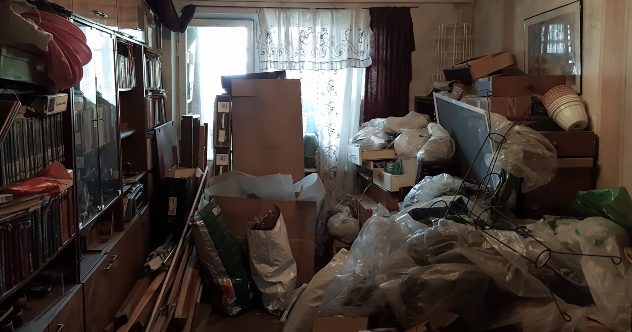
Hoarding disorder involves persistent difficulty discarding possessions, intense distress when trying to let items go, and clutter that interferes with daily living. That last part matters. A collection is usually organized, intentional, and usable. Hoarding is different: the home gradually stops working like a home. The kitchen cannot be cooked in, the bed becomes storage, the bathroom becomes risky, and the front door starts to feel less like an entrance and more like a negotiation.
This guide explores the top 10 side effects of hoarding no one talks about, including the physical, emotional, social, and practical consequences. The tone is friendly, but the subject is serious. Because behind every cluttered hallway is usually a person who is overwhelmed, ashamed, exhausted, and very much in need of supportnot a lecture with a trash bag.
What Makes Hoarding Different From Being Messy?
Everyone has a junk drawer. Some of us have a junk closet. A few ambitious souls have a junk “guest room,” which is funny because no guest has survived entering it since 2018. But hoarding disorder goes beyond ordinary disorganization.
Hoarding usually includes a powerful fear of losing something important, wasting money, forgetting a memory, or making the “wrong” decision. Items may feel emotionally loaded, even if they look useless to someone else. A broken lamp may represent hope. A stack of mail may feel like responsibility. A box of old clothes may seem like a future plan. To outsiders, the object is clutter. To the person hoarding, the object can feel like safety, identity, proof, possibility, or protection.
That is why forced cleanouts often backfire. Removing items without consent may clear a room temporarily, but it can increase panic, grief, mistrust, and future acquiring. Real progress usually requires patience, decision-making support, mental health care, safety planning, and small repeatable steps.
Top 10 Side Effects of Hoarding No One Talks About
1. Decision Fatigue That Turns Tiny Choices Into Mountains
One of the least discussed effects of hoarding is the mental exhaustion of constant decision-making. Should this receipt be saved for taxes? Could this jar be useful? What if that cable belongs to something important? What if the moment it is thrown away is the exact moment it becomes necessary, because the universe loves slapstick?
People with hoarding disorder may experience intense distress around discarding, and that distress can make everyday decisions painfully slow. The issue is not simply “not wanting to clean.” It is often a loop of fear, uncertainty, emotional attachment, and avoidance. Over time, decisions pile up just like the possessions do.
This decision fatigue can spread into other areas of life. Choosing what to eat, what to wear, which bill to open, or which appointment to schedule can feel harder when the brain is already overloaded. The home becomes a giant to-do list with walls.
2. Quiet Breathing Problems From Dust, Mold, and Pests
Hoarding can quietly damage indoor air quality. Clutter traps dust. Overstuffed rooms reduce airflow. Cardboard, fabric, paper, and stored items can hold moisture. If leaks or humidity are present, mold may grow behind or beneath items where no one notices until the home develops that unmistakable “basement wrote a memoir” smell.
For people with asthma, allergies, chronic obstructive pulmonary disease, or sensitive immune systems, this can be more than uncomfortable. Dust mites, mold, cockroaches, rodents, and other indoor triggers can worsen respiratory symptoms. Even people without known breathing problems may develop coughing, sneezing, irritated eyes, headaches, or fatigue in a damp, dusty, poorly ventilated environment.
The tricky part is that the health effects may appear gradually. A person may blame seasonal allergies, aging, or “just being tired,” while the home environment keeps contributing to the problem. Cleaning becomes harder because the clutter blocks access, and the cycle continues.
3. A Higher Risk of Falls and Injuries
Falls are one of the most serious side effects of hoarding, especially for older adults or anyone with mobility issues. Narrow pathways, loose papers, bags on the floor, stacked boxes, hidden cords, and blocked stairways can turn a simple walk to the bathroom into an obstacle course nobody signed up for.
Clutter also makes it harder to use mobility aids such as walkers, canes, wheelchairs, or scooters. A person may start stepping over items, twisting sideways through tight spaces, or using unstable piles for balance. That may work for a whileuntil it does not.
A fall in a cluttered home can be especially dangerous because help may not reach the person quickly. Emergency responders may struggle to enter. Family members may not know where the person landed. The person may be unable to move because items have fallen around them. This is why clear walkways are not just a neatness preference; they are a safety tool.
4. Fire Hazards That Put Everyone at Risk
Hoarding increases fire danger in several ways. Excessive paper, fabric, cardboard, and stored belongings can provide fuel for a fire. Clutter may block exits, cover heaters, crowd electrical outlets, or make cooking unsafe. If a fire starts, it may spread faster and become harder to escape.
The risk does not stop with the person living in the home. Neighbors, apartment residents, pets, firefighters, and emergency medical workers may all be affected. Firefighters can be slowed by blocked doors, unstable piles, heavy smoke, and falling objects. In severe situations, the weight of stored belongings can complicate rescue and structural safety.
This is one of the hardest side effects to discuss because it can sound judgmental. But fire safety is not about shame. It is about creating enough clear space for people to survive an emergency. Even one cleared exit, one safer cooking area, and one unobstructed path to a door can matter.
5. Hygiene Problems That Sneak In Gradually
Hygiene problems caused by hoarding rarely arrive wearing a dramatic cape. They creep in. First, the counters become crowded. Then the sink becomes difficult to use. Then trash is harder to remove. Then laundry has nowhere to go. Eventually, cleaning supplies are buried beneath the very mess they are supposed to defeat, which feels unfair and frankly rude.
When bathrooms, kitchens, and laundry areas become blocked, basic self-care can suffer. People may bathe less often, wear unwashed clothing, avoid cooking, or rely heavily on takeout and packaged food. Spoiled food, pet waste, dirty dishes, and accumulated trash can attract pests and create unsanitary conditions.
These changes can deepen shame. A person may avoid medical appointments, social visits, or even phone calls because they fear being judged. Unfortunately, isolation then makes the hygiene problems easier to hide and harder to solve.
6. Medication and Important Documents Go Missing
Hoarding can interfere with healthcare in very practical ways. Prescription bottles may be misplaced. Glasses, hearing aids, insurance cards, medical devices, appointment papers, and test results can disappear into stacks. A person may know an item is “somewhere safe,” which is the household equivalent of sending it to another dimension.
Missing medications can lead to skipped doses, accidental double doses, or delayed treatment. Lost documents can cause missed appointments, unpaid bills, insurance confusion, or trouble accessing benefits. This is especially concerning for older adults, people managing chronic illness, or anyone who depends on daily medication routines.
One helpful strategy is to create a small “health command center”: one clear container or drawer for medications, appointment cards, insurance information, and emergency contacts. It does not need to be Pinterest-worthy. It simply needs to be findable.
7. Relationships Become Built Around Avoidance
Hoarding affects relationships in ways people rarely discuss openly. Family members may feel scared, angry, helpless, embarrassed, or resentful. The person who hoards may feel criticized, misunderstood, controlled, or betrayed. Everyone starts walking on emotional eggshells, except the eggshells are under three tote bags and a broken fan.
Visitors may stop coming over. Holidays move elsewhere. Children may feel unable to invite friends home. Partners may argue about space, safety, money, and responsibility. Adult children may worry about aging parents but fear starting a fight. Neighbors may complain about odors, pests, blocked exits, or exterior clutter.
The relationship may become organized around the clutter: who is allowed to touch what, which rooms are off-limits, what excuses to give, and how to avoid “the conversation.” Over time, hoarding can shrink a family’s emotional life as much as it shrinks the physical space.
8. Financial Stress Grows in the Background
Hoarding can become expensive. People may buy duplicates because they cannot find what they already own. Storage units may become long-term bills. Repairs may be delayed because workers cannot access plumbing, wiring, appliances, or heating systems. Pest control, professional cleaning, fines, legal notices, and emergency remediation can add up quickly.
There can also be hidden financial losses. Unopened mail may include bills, tax documents, insurance notices, medical statements, or benefit forms. Valuable items may be damaged by moisture, pests, or crushing. A home may lose value if structural issues, odors, or sanitation problems go unaddressed.
Financial shame can make the problem worse. The person may avoid opening bills because the bills are stressful, then the stress grows because the bills remain unopened. It is the administrative version of a horror movie, except the villain is paperwork.
9. Sleep Quality Can Collapse
Sleep is another side effect of hoarding that does not get enough attention. A cluttered bedroom may make it hard to relax. The bed may become covered with clothes, papers, books, or objects that “just need to be sorted.” Some people end up sleeping on a couch, chair, corner of the bed, or small cleared space.
Poor sleep can worsen anxiety, depression, concentration, decision-making, appetite, pain sensitivity, and emotional control. In other words, losing sleep can make it harder to do the very tasks needed to improve the home. That is not a character defect; it is biology being dramatic.
For many people, reclaiming the bed is a powerful first goal. Not the whole house. Not the garage. Not the mysterious closet that may contain winter coats or a portal. Just the bed. A safe, clean place to sleep can improve energy and make future steps more possible.
10. Identity Becomes Tangled With Possessions
Perhaps the most overlooked side effect of hoarding is how deeply possessions can become tied to identity. Items may represent past success, grief, creativity, parenting, survival, intelligence, thriftiness, or dreams that never quite had a chance to happen. Throwing something away may feel like throwing away a version of the self.
This is why advice like “just get rid of it” often fails. To the person hoarding, discarding may feel like betrayal, waste, danger, or loss. A stack of magazines might represent curiosity. Old tools might represent independence. Children’s toys might represent love. Broken appliances might represent the hope of being capable and resourceful again.
Healing requires more than removing objects. It often involves helping the person build new ways to remember, create, feel safe, and make decisions. The goal is not to erase the person’s history. The goal is to make the home livable while preserving dignity.
Why These Side Effects Are So Often Ignored
The side effects of hoarding are often ignored because shame keeps them hidden. People may not invite anyone inside. Family members may protect the secret. Professionals may focus only on the visible clutter, not the anxiety, grief, trauma, depression, or cognitive overload underneath it.
Another reason is that hoarding often worsens slowly. A room does not become unusable overnight. It changes one pile at a time. That slow pace makes it easy to normalize unsafe conditions. The person adapts. The family adapts. Everyone learns the narrow path through the living room and pretends this is fine. The house, however, is quietly filing a complaint.
Hoarding also challenges the way society talks about responsibility. It is both a mental health issue and a safety issue. It deserves compassion, but compassion does not mean ignoring fire hazards, fall risks, pests, blocked exits, or medical concerns. The best response combines empathy with practical action.
How to Help Without Making Things Worse
Start With Safety, Not Perfection
The first goal should not be a magazine-worthy home. The first goal should be safety. Clear a path to exits. Make sure doors open. Reduce fire hazards near stoves, heaters, and electrical outlets. Create access to the bathroom, bed, refrigerator, medication, and phone. These changes may not look glamorous, but neither does a smoke alarm, and that little plastic circle is a hero.
Use Respectful Language
Avoid words like “trash,” “junk,” or “garbage” when talking about someone’s belongings. Even if an item looks worthless to you, it may feel meaningful to them. Try language such as “items,” “belongings,” “papers,” or “things to review.” Respectful language lowers defensiveness and keeps the conversation moving.
Break the Work Into Tiny Steps
Large cleanouts can feel impossible. Tiny steps are more realistic: one drawer, one bag, one chair, one countertop, one 15-minute session. Progress should be measured by usable space and safer routines, not by dramatic before-and-after photos.
Seek Professional Support
Hoarding disorder often responds best to structured help, especially cognitive behavioral therapy designed for hoarding. In some cases, support may also involve primary care doctors, social workers, professional organizers trained in hoarding, fire departments, code enforcement teams, elder services, or community hoarding task forces. The right mix depends on the person’s safety risks, mental health, age, housing situation, and willingness to participate.
of Real-Life Experience: What Hoarding Feels Like From the Inside and Outside
People who have lived near hoardingwhether as family members, friends, neighbors, caregivers, or the person struggling with itoften describe the same strange pattern: the clutter becomes both invisible and impossible to ignore. You learn to step over the same pile so many times that your body memorizes the route. You stop seeing the stack by the door until someone visits and their eyes widen. Then suddenly you see the room through their eyes, and the shame hits like a dropped suitcase.
One common experience is the “I’ll deal with it Saturday” promise. Saturday arrives, but the task looks too big. The person picks up one object and gets pulled into a memory, a worry, or a question: “What if I need this? What if it belongs to someone? What if it is valuable? What if throwing it away is irresponsible?” An hour passes, and only three items have moved. The person feels defeated and may buy more supplies to “get organized,” which is how a home can end up with twelve empty storage bins and no actual storage improvement. The bins had good intentions. They were just unemployed.
Family members often experience a painful mix of compassion and frustration. They may understand that the hoarding is connected to anxiety, grief, trauma, depression, or aging. At the same time, they may be scared of fires, falls, pests, eviction, or medical emergencies. They want to help, but every suggestion sounds like criticism. They may clean secretly, argue loudly, give up quietly, or swing between all three. This emotional whiplash is exhausting.
For the person hoarding, the home can become a place of comfort and threat at the same time. The possessions feel protective, but the environment feels overwhelming. They may want guests but fear judgment. They may want repair workers but fear exposure. They may want change but fear the grief of letting go. Many people are not unaware of the problem; they are painfully aware and stuck.
Small wins matter more than outsiders realize. Clearing a chair can mean having a place to sit. Clearing a stove can mean cooking soup instead of ordering another expensive meal. Clearing a nightstand can mean taking medication on time. Clearing a hallway can mean an ambulance crew can enter if needed. These are not small things. They are pieces of dignity returning.
The most helpful experiences tend to involve patience, consent, and repetition. A trusted helper might say, “Let’s make the bed safe today,” instead of “This whole house is a disaster.” They might sort items into simple categories: keep here, move elsewhere, donate, recycle, trash, decide later. They might celebrate progress without sarcasm. They might accept that the same conversation will happen many times because hoarding recovery is not a one-episode home makeover. It is a long process of learning to tolerate decisions, grief, uncertainty, and change.
The best lesson from real-life experience is this: people do not need humiliation to change. Most have already humiliated themselves internally for years. What they need is safety, structure, mental health support, and someone who can see both the person and the problem. The clutter matters. The person matters more.
Conclusion: Hoarding Is Not Just ClutterIt Is a Whole-Life Issue
The side effects of hoarding reach far beyond a messy home. They can affect breathing, sleep, hygiene, medication routines, finances, family relationships, emergency safety, and self-worth. The hardest consequences are often hidden behind closed doors, where shame keeps people silent and clutter keeps problems growing.
But hoarding disorder is not hopeless. With respectful support, safety-first planning, professional treatment, and small repeatable actions, people can reclaim usable space and rebuild routines. The goal is not to become a minimalist who owns one spoon and whispers to blank walls. The goal is a safer, healthier, more livable home where the personnot the possessionsgets to take up the most space.