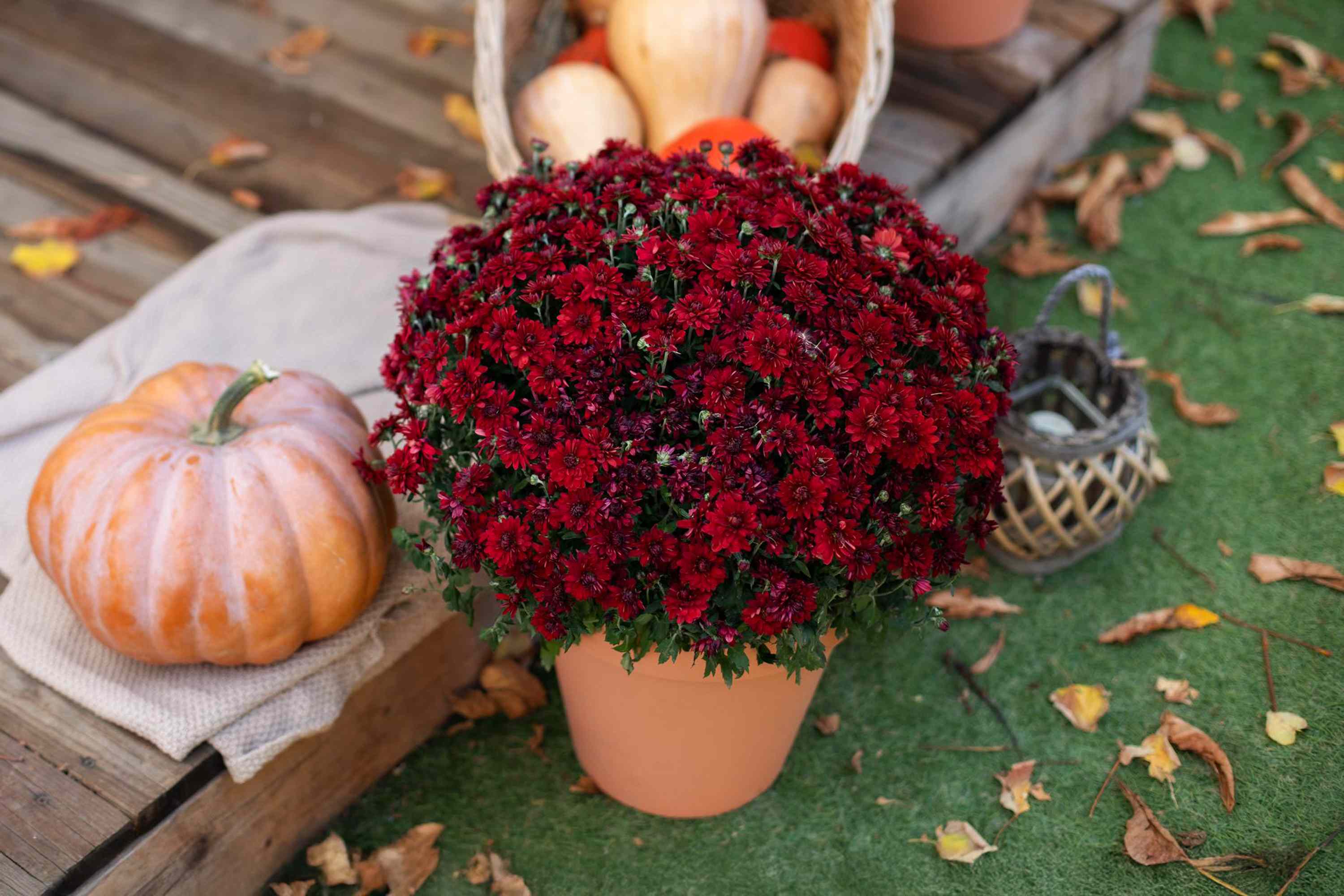
Every fall, I do what millions of Americans do with absolutely zero shame: I buy potted mums like I am personally responsible for autumn. I line them up on the porch, admire their fluffy blooms, and tell myself this year will be different. This year, the flowers will stay fresh, lush, and gloriously overachieving all season long.
Then reality arrives wearing a crunchy leaf-colored windbreaker. A few warm days pass, the pots dry out, and suddenly my once-gorgeous mums look like they’ve been through a small emotional crisis.
That changed when I started using one underrated watering trick: soaking the nursery pot from the bottom before displaying it, and repeating that deep soak anytime the root ball gets stubbornly dry. It sounds almost too simple, which is probably why people overlook it. But for potted mums, simple is often the secret weapon.
If you’ve ever watered a mum from the top only to watch the water race down the sides and out the bottom like it had somewhere better to be, this trick is for you. Below is exactly how it works, why it helps, and what else you should do if you want your potted mums to keep blooming instead of giving up before pumpkin season is even in full swing.
The Underrated Trick: Soak, Don’t Sprinkle
The biggest mistake people make with potted mums is giving them quick, shallow drinks. A little splash on top may make the soil look wet, but that does not mean the root ball is actually hydrated. In fact, many store-bought mums are slightly rootbound by the time you bring them home. That means there is less loose soil in the pot, less room for moisture, and more opportunity for the plant to dry out fast.
Here’s the trick: leave the plant in its nursery pot, fill a bucket or deep tray with water, and set the pot inside so the water can rise through the drainage holes. Let it sit for about 15 to 30 minutes. This allows the root ball and potting mix to absorb moisture evenly instead of rejecting a hasty top watering like a diva refusing tap water.
Why does this work so well? Because container soil that dries too much can become hard to re-wet. Watering from the bottom gives that dry mix time to soften and drink again. Once the pot feels heavier and the soil is evenly moist, remove it from the bucket and let it drain thoroughly before setting it back into a decorative planter or cachepot.
This isn’t something you need to do every single day. Think of it as a reset move. It is especially helpful:
- the day you bring your mums home from the store,
- after a hot spell,
- when the pot feels feather-light,
- when water runs through too quickly from the top,
- or when the plant starts drooping even though you just watered it.
For regular care between soaks, water slowly at the base until moisture drains out the bottom. That combination, a deep soak when needed and a slow base watering the rest of the time, is what keeps potted mums from flaming out early.
Why Potted Mums Fade Faster Than You Expect
Potted mums are gorgeous, but they are not exactly low-drama. They dry faster than mums planted in the ground because containers hold less soil and less moisture. Add warm early-fall weather, breezy porches, black nursery pots, and tightly packed roots, and you have a recipe for thirsty plants that can go from cheerful to crispy in record time.
That is why so many people think they are “bad at mums.” Usually, they are not bad at mums. They are just treating a highly root-packed fall bloomer like a lazy fern in a shady bathroom.
Here are the most common reasons potted mums stop looking good:
1. The Root Ball Dries Out Faster Than the Surface Suggests
The top of the pot may look acceptable while the center root mass is drying out. That is why the finger test, and sometimes the weight test, matters. If the top inch feels dry or the pot feels noticeably light, it is time to water.
2. Decorative Containers Hide Drainage Problems
Mums are often sold in plastic sleeves, foil wraps, or dropped into cute decorative pots that trap excess water. Charming? Yes. Helpful? Not always. If water cannot drain, roots stay soggy. And mums like moisture, but they do not like sitting in a swamp.
3. Overhead Watering Invites Trouble
Soaking the foliage late in the day is a fast way to encourage leaf issues and shorten the plant’s good looks. Watering at the soil line is cleaner, smarter, and much less likely to turn your porch display into a fungal side quest.
4. Too Little Sun Means Fewer Flowers
Mums bloom best with solid sunlight. A bright porch is nice, but bright and shady are not the same thing. If your mums are tucked into a dim corner, they may hold on, but they will not perform like stars.
How to Water Potted Mums the Right Way
Start Strong on Day One
When you first buy your mums, do not just plop them on the porch and hope for the best. Give them a proper hydration boost.
- Remove any foil, plastic wrap, or tight decorative sleeve.
- Check that the nursery pot has drainage holes.
- Set the pot in a bucket or deep tray of water for 15 to 30 minutes.
- Lift it out and let it drain well.
- Place it in a container that does not trap standing water, or set it on a saucer that can be emptied.
This one move can buy you several days of better hydration and gives the plant a much better start than a quick overhead splash.
Use the Finger Test, Not a Random Schedule
Yes, potted mums often need water every other day. In warm weather, some may even need it daily. But no plant worth keeping should be watered by pure vibes alone. Touch the top inch of soil. If it feels dry, water deeply. If it is still moist, wait.
You can also lift the pot slightly. A freshly watered container feels much heavier than a dry one. After a week or two, you will start to recognize the difference without playing detective.
Water Low and Slow
When you water from the top, aim at the base of the plant, not the flowers. Pour slowly so the soil actually absorbs the moisture. Keep going until water starts to drain from the bottom. Then let the excess drain away.
This is not the time for tiny sips. Tiny sips create shallow roots, uneven moisture, and a false sense of accomplishment. Deep watering encourages a fuller, healthier root zone and helps the plant stay stable between waterings.
Water in the Morning When Possible
Morning watering gives the plant time to take up moisture before the hottest part of the day and allows any stray moisture on leaves to dry faster. That is especially useful in early fall when warm days can still sneak up on you.
Repeat the Soak When the Potting Mix Turns Stubborn
If the water keeps rushing through, or the plant wilts more quickly than it should, use the bucket soak again. This is the rescue move that revives a dry, rootbound mum better than five frustrated top-waterings ever could.
Repotting: The Secret Sidekick to Better Watering
If your mum is packed tight in a small nursery pot, consider moving it into a container 1 to 2 inches wider. This is not just about making it look nicer. A slightly larger pot gives you more potting mix, better moisture retention, and a little breathing room for the roots.
Use a container with drainage holes, and do not go wildly oversized. You are helping the plant, not offering it a suburban subdivision. A modest size increase is usually enough.
Repotting also makes regular watering easier because you are not trying to keep a dense root ball alive in the gardening equivalent of skinny jeans.
Other Easy Ways to Keep Mums Blooming Longer
Give Them Real Sun
Potted mums bloom best in full sun, generally at least six hours a day. Morning sun is especially useful because it dries dew and gives the plant a strong start. If your porch gets only a little filtered light, your mums may survive, but they will not look as robust or bloom as generously.
Choose Budded Plants, Not Fully Spent Showoffs
When shopping, pick mums with lots of unopened or partly opened buds instead of plants already in full, glorious peak bloom. Sure, the fully open one is tempting. It is also closer to retirement. Bud-heavy plants usually give you a longer display at home.
Deadhead Spent Flowers
As blooms fade, pinch them off above the next set of leaves. This keeps the plant tidy and encourages it to keep putting energy into fresh flowers instead of clinging to tired ones like an actor staying too long at the after-party.
Keep Drainage Non-Negotiable
Mums like evenly moist soil, not waterlogged roots. Empty saucers or outer pots if water collects. If the plant is wrapped in foil or stuck inside a decorative pot without drainage, fix that immediately.
Do Not Let Them Wilt Repeatedly
A single wilt may be recoverable. Repeated wilting shortens the bloom show and stresses the plant. Your goal is steady moisture, not a recurring suspense plot.
What to Avoid if You Want Flowers All Season
- Do not water over the blooms at night. Wet foliage plus cool darkness is not a great combo.
- Do not rely on shallow sprinkles. If the water never reaches the root ball, you are basically offering a scented candle to a dehydrated plant.
- Do not ignore heat. Early fall can still be hot, and porch pots dry faster than expected.
- Do not leave the pot in standing water. The soaking trick is temporary and intentional. Permanent swamp feet are not.
- Do not assume all mums are perennial forever. Many are used as seasonal décor, and that is fine. The goal here is a longer, better display.
The Real Payoff of This Watering Trick
The beauty of the soak-and-drain method is that it solves the problem people usually miss: uneven hydration in a crowded nursery pot. Once the root ball is thoroughly rehydrated, the plant is much better able to hold onto its buds, keep its flowers fresher, and handle the normal ups and downs of fall weather.
It is not magic, and it will not turn a neglected mum in deep shade into a floral legend. But it does make the plant easier to manage, more resilient, and much less likely to dry out overnight and collapse right when your porch was finally looking photo-ready.
In other words, this underrated trick is not flashy. It is just effective. And in gardening, effective beats flashy every time.
My Experience With the Trick: The Year My Porch Mums Finally Behaved
For years, I treated porch mums like seasonal centerpieces with roots. I bought the prettiest pots I could find, admired them for three days, watered them whenever I remembered, and then acted personally betrayed when they started drooping by week two. The plants were trying. I was improvising. It was not a strong partnership.
Then one fall I brought home three mums, one bronze, one burgundy, and one ridiculous golden-yellow pompom type that looked like it had opinions. Instead of setting them on the porch right away, I filled a storage tub with water and let each nursery pot soak before I arranged them. Right away, I noticed something different: the pots felt heavier, the foliage perked up, and the flowers looked less strained after a warm afternoon.
Over the next few weeks, I kept using a very simple routine. Every morning, coffee in one hand, plant judgment in the other, I checked the soil. If the top inch felt dry, I watered at the base until the pot drained well. If one pot felt suspiciously light or the water rushed straight through, I gave it another bottom soak. That was it. No expensive gadget, no mystical fertilizer schedule, no dramatic monologue over a wilted stem.
The biggest surprise was how much longer the blooms looked clean and full. The plants were not constantly swinging between bone-dry and soaking-wet. They stayed more even, more stable, and honestly more photogenic. I deadheaded spent flowers every few days, turned the pots slightly so each side got good light, and made sure no water sat trapped in the outer containers. Suddenly, my mums were not surviving fall. They were starring in it.
I also learned that placement matters more than I used to admit. One pot near the driveway dried out much faster because it got extra reflected heat. Another, closer to the house, held moisture longer. Once I stopped assuming every container needed the same amount of water on the same day, everything got easier. Gardening became less about following a rigid schedule and more about paying attention.
By the time cooler weather really settled in, those mums still looked remarkably good. Not eternal, not supernatural, just healthy and generous. They kept color on the porch well beyond the point when my old routine would have left me with crispy leaves and a pile of regret. That experience changed the way I handle every thirsty fall container now.
So when I say this watering trick keeps my potted mums blooming all season, I do not mean it performs miracles while you ignore the plant for two weeks and run off to the pumpkin patch. I mean it solves the exact problem that cuts the show short for most porch mums: the root ball dries faster and more unevenly than people realize. Once you fix that, the rest of the care becomes refreshingly manageable.
Now my fall routine is simple: buy bud-heavy plants, soak them before display, give them sun, water low and slow, repeat the soak if the pot goes stubbornly dry, and deadhead like I mean it. The result is a longer bloom season, better-looking containers, and far fewer moments where I stare at a droopy mum and whisper, “We were all rooting for you.”
Conclusion
If your potted mums fade too fast every fall, the problem may not be that you are watering too little or too often. It may be that you are not watering deeply enough in the right way. A bottom soak or bucket soak helps fully rehydrate the root ball, especially in rootbound nursery pots that dry out fast and resist top watering.
Pair that trick with morning checks, slow watering at the base, proper drainage, plenty of sun, and regular deadheading, and your mums have a much better shot at staying full and colorful through the season. Sometimes the best gardening tip is not a grand reinvention. It is a small practical habit that makes everything else work better.