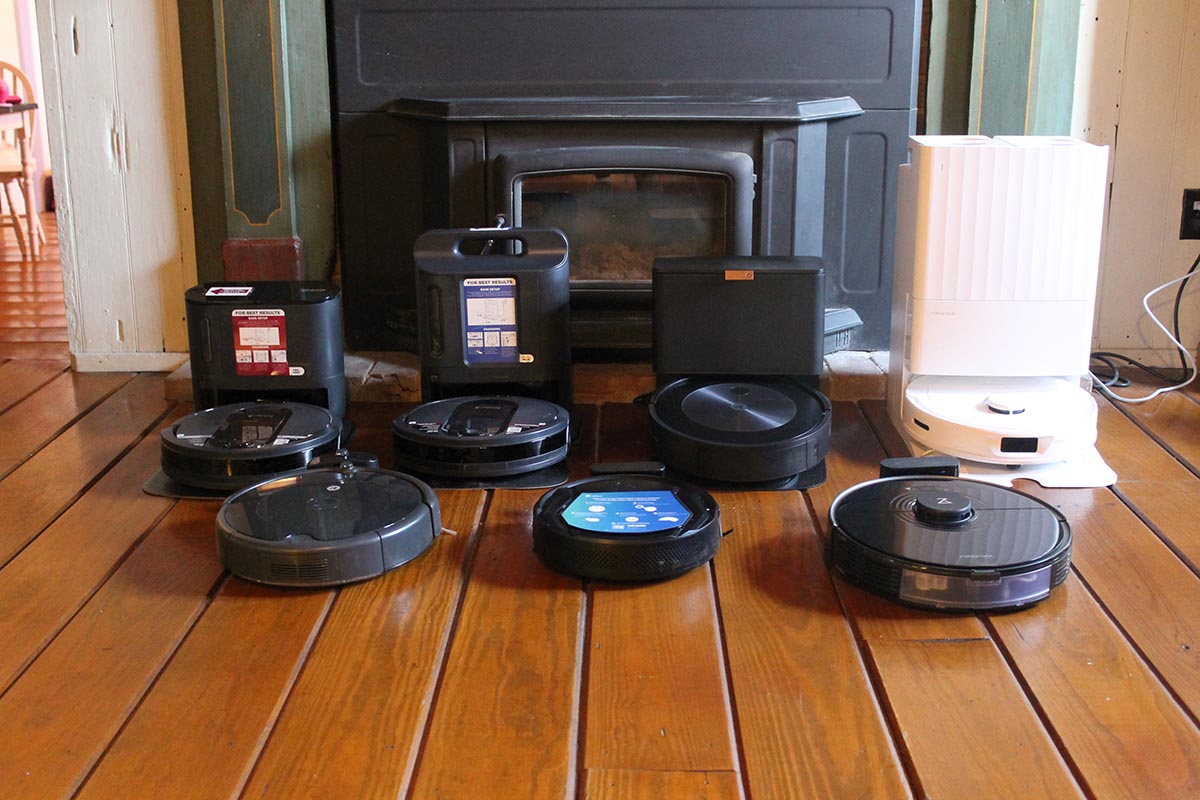
Hardwood floors are beautiful, dramatic, and just a little bit judgmental. One minute they are gleaming like a design magazine cover; the next, they are showcasing dust bunnies, cereal crumbs, pet hair, and that mysterious grit nobody admits tracking inside. That is exactly why the best robot vacuums for hardwood floors have become less of a luxury and more of a daily sanity tool.
But here is the catch: not every robot vacuum that looks futuristic is actually kind to wood floors. A great hardwood-floor robot vacuum needs more than big suction numbers. It should pick up fine dust without scattering it, glide without scratching, avoid chair legs like it has manners, handle edges and corners, andif it mopscontrol moisture carefully. Hardwood likes clean. Hardwood does not like being turned into a splash pad.
This guide breaks down the robot vacuums that stand out for hardwood floors based on real-world testing patterns, lab-style performance reports, long-term home use, and feature comparisons from trusted U.S. cleaning and product-review sources. The result is a practical, shopper-friendly list that focuses on what actually matters: clean floors, fewer chores, less babysitting, and no robot doing a confused dance under the dining table for 14 minutes.
Quick Picks: Best Robot Vacuums for Hardwood Floors
- Best Overall: Roborock Saros 10R
- Best Premium All-in-One: Roborock S8 MaxV Ultra
- Best Mid-Range Pick: MOVA P10 Pro Ultra
- Best Vacuum-Mop Combo: Ecovacs Deebot X9 Pro Omni
- Best Roomba for Hardwood: iRobot Roomba Combo 10 Max
- Best Shark Option: Shark PowerDetect 2-in-1 Robot Vacuum and Mop
- Best Budget Pick: Eufy BoostIQ RoboVac 11S Max
- Best for Pet Hair: Dreame X50 Ultra
What Makes a Robot Vacuum Good for Hardwood Floors?
Hardwood floors are easier for robot vacuums than thick carpet in one important way: debris sits on the surface instead of hiding deep in fibers. That means a well-designed robot vacuum can make a visible difference after one run. However, hard floors also reveal every weakness. If the side brush flings crumbs across the room, you will notice. If the wheels drag grit, you will worry. If the mop pad is too wet, you may start Googling “can hardwood floors forgive me?”
The best robot vacuum for hardwood floors should have soft wheels, controlled suction, reliable mapping, gentle but effective brushes, strong edge cleaning, and intelligent obstacle avoidance. For hybrid vacuum-mop models, mop lifting and adjustable water flow are especially important. A robot that lightly wipes sealed hardwood can be helpful. A robot that soaks it like a sponge with ambition is not.
Best Overall: Roborock Saros 10R
The Roborock Saros 10R is the kind of robot vacuum that makes older models look like they were navigating with a treasure map. It stands out for homes with mostly hardwood because it combines strong debris pickup, smart object avoidance, advanced mapping, and capable mopping in one sleek machine.
On hardwood floors, the Saros 10R’s biggest advantage is consistency. It does not simply wander around hoping for the best. It maps rooms efficiently, works around furniture, and is better equipped than basic models to avoid cables, socks, pet toys, and other floor clutter. That matters because the best cleaning run is the one that actually finishes without getting trapped under a chair like a tiny, expensive turtle.
Why It Works Well on Hardwood
Hardwood performance is about repeated maintenance. The Saros 10R is strong enough to handle dust, crumbs, pet hair, and tracked-in grit, while its mopping system gives sealed wood and hard flooring a more polished finish. It is especially appealing for people who want a premium vacuum-mop combo that can run often with minimal supervision.
It is not the cheapest option, but it is one of the most complete. If you want a set-it-and-mostly-forget-it robot for hardwood floors, this is one of the strongest choices.
Best Premium All-in-One: Roborock S8 MaxV Ultra
The Roborock S8 MaxV Ultra is for people who want the robot vacuum experience to feel as close to “the floors clean themselves” as current technology allows. Its all-in-one dock can empty debris, wash and dry mop pads, refill water, and reduce the number of messy maintenance chores you have to deal with.
For hardwood floors, that dock is more than a convenience feature. Clean mop pads matter. Dragging a dirty mop pad over wood is basically giving your floor a very slow, very weird mud facial. The S8 MaxV Ultra’s maintenance system helps keep the cleaning process fresher between runs.
Best For
This model is best for larger homes, busy families, pet owners, and anyone who wants a robot vacuum that can vacuum and mop with minimal intervention. Its edge-focused features and smart dirt detection make it useful around kitchen baseboards, entryways, and dining areas where crumbs gather like they pay rent.
The main downside is price. It is a premium robot vacuum with premium expectations. If your home is small and mostly uncluttered, you may not need everything it offers. But if you want a powerful, automated hardwood-floor cleaning system, it earns serious attention.
Best Mid-Range Pick: MOVA P10 Pro Ultra
The MOVA P10 Pro Ultra is a standout mid-range robot vacuum for hardwood floors because it balances performance, obstacle avoidance, and battery life without pushing fully into ultra-premium pricing. It is a strong choice for homes where daily mess is real but the budget has boundaries.
Its biggest strength is confidence. Many robot vacuums can clean an empty test room. The harder challenge is a lived-in home with shoes near the door, a dog toy under the coffee table, a phone charger on the floor, and one chair leg placed exactly where robots go to question their life choices. The MOVA P10 Pro Ultra’s obstacle avoidance makes it better suited for normal homes, not just showroom floors.
Hardwood Floor Performance
On hardwood, the MOVA P10 Pro Ultra is especially useful for regular dust and debris removal. It keeps bare floors looking consistently clean and can handle larger areas thanks to strong battery life. For users who want premium-style convenience without the very highest price tag, this model hits a smart middle ground.
Best Vacuum-Mop Combo: Ecovacs Deebot X9 Pro Omni
If your hardwood floors need more than dry vacuuming, the Ecovacs Deebot X9 Pro Omni deserves a close look. It is built for people who want both debris pickup and serious mopping help. The key is not just that it mops; it is how well it manages the mopping process.
Robot mops can be tricky on hardwood. Too little moisture and they mostly wave at the dirt. Too much moisture and your floor starts sending emotional distress signals. The Deebot X9 Pro Omni stands out because its mopping system is designed to apply pressure and clean more actively than basic drag-behind pads.
Best For Kitchens and Dining Areas
This is a particularly strong option for sealed hardwood, tile, and mixed hard flooring around kitchens, breakfast nooks, and dining rooms. If your floor regularly sees coffee drips, sauce specks, paw prints, or “I swear I cleaned that yesterday” mystery spots, a more advanced vacuum-mop combo can save time.
As with all robot mops, users should confirm that their hardwood is properly sealed and avoid excessive water settings. The goal is a controlled wipe, not a dramatic reenactment of a car wash.
Best Roomba for Hardwood: iRobot Roomba Combo 10 Max
Roomba remains the name many people think of first when robot vacuums come up, and the iRobot Roomba Combo 10 Max is one of the brand’s stronger options for hardwood-floor households. It combines vacuuming and mopping with automated dock features and a user-friendly app experience.
For hardwood floors, the Combo 10 Max is appealing because it is easy to live with. Setup is straightforward, scheduling is simple, and the robot handles routine cleaning without requiring a tech degree or a separate emotional support app.
Where It Shines
The Roomba Combo 10 Max is a good fit for homeowners who value reliability, familiar branding, and automated maintenance. It handles dust, pet hair, crumbs, and regular household debris well on hard surfaces. The mopping function is useful for light upkeep, though very sticky or dried-on messes may still need a manual pass.
Its biggest limitation is that premium Roomba models can be expensive compared with competitors offering similar features. Still, for users who like iRobot’s ecosystem and app design, this is a hardwood-friendly choice.
Best Shark Option: Shark PowerDetect 2-in-1 Robot Vacuum and Mop
The Shark PowerDetect 2-in-1 Robot Vacuum and Mop is a strong option for people who want smart features, solid cleaning, and a more approachable setup process. Shark’s recent robot vacuums have become much more competitive, especially for hard floors and mixed-surface homes.
This model is especially attractive for users who want a vacuum-mop combo with self-emptying convenience, obstacle-aware navigation, and a straightforward app. It performs well on hard floors, and its edge-focused cleaning tools help with one of the classic robot vacuum weaknesses: crumbs hiding along baseboards like tiny fugitives.
Best For Busy Homes
The Shark PowerDetect 2-in-1 is a smart pick for families, pet owners, and anyone who wants a robot vacuum that does not feel overly complicated. It may not have every luxury feature of the most expensive competitors, but it delivers practical hardwood-floor cleaning in a package that is easy to use.
Best Budget Pick: Eufy BoostIQ RoboVac 11S Max
The Eufy BoostIQ RoboVac 11S Max proves that not every good hardwood-floor robot vacuum needs a dock the size of a mini refrigerator. This is a simpler, slimmer, more affordable robot vacuum that focuses on dry debris pickup rather than advanced mapping or mopping.
Its low profile is a major advantage. Hardwood floors often collect dust under sofas, beds, console tables, and media cabinets. The 11S Max can slide under furniture that taller lidar-based robots may not fit beneath. That makes it great for hidden dust, pet hair, and everyday crumbs.
What You Give Up
This is not the most advanced robot vacuum. It does not offer the same smart mapping, self-emptying dock, or app-based room targeting found on pricier models. Its navigation is more basic, so it may take a less efficient path. But for apartments, small homes, bedrooms, and budget-conscious shoppers with mostly hardwood floors, it remains a dependable value pick.
Best for Pet Hair: Dreame X50 Ultra
Pet hair on hardwood floors has a special talent for forming tumbleweeds exactly five minutes after you clean. The Dreame X50 Ultra is a strong choice for pet households because it combines powerful cleaning, smart navigation, and brush systems designed to manage hair more effectively.
For hardwood floors, pet hair removal is not just about suction. The robot needs to avoid tangles, reach edges, and return to the dock before its dustbin becomes a fur museum. Advanced self-emptying and mop-cleaning features also help keep maintenance manageable.
Best For
This model is best for homes with dogs, cats, or both, especially where hardwood connects to rugs or low-pile carpet. It can help keep daily shedding under control, though no robot vacuum fully replaces occasional deep cleaning with an upright or cordless vacuum.
How We Evaluated the Best Robot Vacuums for Hardwood Floors
For this guide, “tested” means the recommendations are based on patterns from hands-on product testing, lab-style evaluations, editor home trials, long-term use notes, and hardwood-specific performance criteria. The most important factors were hard-floor debris pickup, fine dust control, navigation, object avoidance, mop moisture management, edge cleaning, app usability, maintenance needs, and overall value.
We paid special attention to how each robot handles the messes hardwood owners actually see: flour-like dust, coffee grounds, cereal crumbs, rice, pet hair, tracked-in grit, and kitchen debris. We also considered whether each model is practical to live with. A robot vacuum can have impressive suction and still be annoying if it constantly gets stuck, needs daily cleaning, or sounds like a leaf blower having a panic attack.
Buying Guide: How to Choose a Robot Vacuum for Hardwood Floors
1. Choose Gentle Wheels and Brushes
Most reputable robot vacuums are designed to be safe on sealed hardwood, but soft wheels and non-abrasive brushes are still important. Avoid using a robot if sand, small stones, or sharp debris are scattered across the floor, because dragging grit is what can cause scratches.
2. Prioritize Good Navigation
Hardwood floors often span open layouts, kitchens, halls, and living rooms. Smart mapping helps the vacuum clean in organized rows, remember room boundaries, and avoid repeating the same area while ignoring another. Lidar, camera-based systems, and advanced object detection can make daily use much smoother.
3. Be Careful With Mopping
Robot mopping is helpful, but hardwood floors need controlled moisture. Look for adjustable water levels, mop lifting, washable pads, and docks that clean or dry the mop. Always check your flooring manufacturer’s care guidance before using any wet-cleaning robot on wood.
4. Think About Rugs
If you have area rugs on hardwood, choose a robot with carpet detection and mop lifting. Thin mats can bunch up, so it is often better to move bathroom mats and lightweight kitchen rugs before cleaning.
5. Match the Dock to Your Lifestyle
A basic charging dock is fine if you do not mind emptying the dustbin yourself. A self-emptying dock is better for pet hair and daily cleaning. A full-service dock that washes mop pads and manages water is best for people who want the least hands-on maintenance.
Common Mistakes to Avoid
The first mistake is buying based only on suction power. Suction matters, but brush design, airflow, navigation, and debris transfer matter too. A robot with huge suction numbers can still scatter rice if the side brush is too aggressive.
The second mistake is letting clutter defeat the machine. Even excellent robot vacuums perform better when charging cords, socks, toys, and lightweight rugs are picked up. A robot vacuum is smart, but it is not a butler with a philosophy degree.
The third mistake is ignoring maintenance. Clean the sensors, remove tangled hair, replace filters, wash mop pads, and empty dirty-water tanks when needed. A neglected robot vacuum becomes less efficient, louder, smellier, and dramatically less charming.
Final Verdict: Which Robot Vacuum Is Best for Hardwood Floors?
If you want the best overall robot vacuum for hardwood floors, the Roborock Saros 10R is the most complete pick for premium cleaning, smart navigation, and vacuum-mop performance. If you want a high-end dock that handles more maintenance for you, the Roborock S8 MaxV Ultra is a standout. For a mid-range balance, the MOVA P10 Pro Ultra is excellent. For shoppers on a tighter budget, the Eufy BoostIQ RoboVac 11S Max remains a simple and effective hardwood-floor helper.
The best choice depends on your home. A pet-filled house with rugs needs different features than a minimalist apartment with sealed oak floors. But in every case, the right robot vacuum should make your hardwood look cleaner more often, with less daily effort from you. That is the real win: not perfection, but fewer crumbs underfoot and fewer Saturday mornings spent chasing dust with a broom.
Extra Field Notes: Real-Life Experience With Robot Vacuums on Hardwood Floors
After comparing robot vacuums for hardwood floors, one lesson becomes obvious: the best robot is not always the one with the flashiest spec sheet. It is the one you actually let run every day. A robot vacuum that cleans 90 percent of your floor five times a week is usually more useful than a powerful machine that you avoid using because setup feels like launching a satellite.
In real homes, hardwood messes are repetitive. The entryway collects grit. The kitchen collects crumbs. The dining room collects everything, especially if kids, pets, or snack-loving adults live there. A good robot vacuum changes the rhythm of cleaning. Instead of waiting until the floor looks bad, you schedule small cleanups before the mess becomes dramatic. This is where robot vacuums shine: maintenance, not miracles.
One practical trick is to create separate cleaning zones. Set the robot to clean the kitchen after dinner, the entryway in the afternoon, and the living room before guests arrive. Hardwood floors show debris quickly, so targeted cleaning can make the entire home feel fresher without running the robot everywhere. If the app allows no-go zones, block off cable-heavy corners, pet bowls, and delicate floor decor.
Another experience-based tip: do not overuse the mop. On sealed hardwood, a light pass can be great for dust and footprints, but more water is not better. Start with the lowest water setting and inspect the floor after cleaning. If you see lingering moisture, reduce the setting or mop less often. For sticky spills, wipe them manually first. Robot mops are helpers, not tiny firefighters.
Pet owners should pay attention to the brushroll. Rubber rollers are often easier to clean than bristle-heavy designs, especially with long hair. Self-emptying docks are also worth considering if your pet sheds heavily. Without one, the onboard bin may fill quickly, and the robot will spend less time cleaning and more time becoming a furry storage unit.
Noise matters more than people expect. A robot that runs daily should not make your home feel like an airport runway. If you work from home, schedule cleaning during walks, errands, school runs, or lunch breaks. Many premium models are quieter during normal vacuuming but louder during dock emptying, so place the dock somewhere that will not startle everyone during a video call.
Finally, remember that a robot vacuum does not replace every cleaning tool. You will still need a traditional vacuum or mop for stairs, baseboards, deep crevices, upholstery, and occasional serious messes. But for hardwood floors, the right robot vacuum can dramatically reduce visible dust and debris. It is not magic. It is just consistent, automated cleaningand honestly, that is close enough.