Winter boots work hard. They stomp through slush, salt, snow, mud, parking-lot puddles, and that mysterious gray sidewalk soup that appears every January. Then they come inside, trap heat and moisture, and quietly transform into tiny odor factories. If your boots smell like a wet dog moved into a gym locker, don’t panic. You probably do not need to throw them away, hold a family meeting, or pretend the smell is “just winter.”
The good news: learning how to clean stinky winter boots is easier than most people think. The trick is to remove moisture, clean the inside gently, deodorize the boot lining, and prevent the smell from returning. Winter boot odor usually comes from sweat, damp socks, bacteria, trapped moisture, dirty insoles, and poor airflow. In other words, your boots are not evil. They are just warm, dark, and humidbasically a luxury resort for stink.
This guide walks you through simple, safe, and practical ways to eliminate odor from winter boots using household items like baking soda, vinegar, mild soap, clean cloths, and good old-fashioned air drying. You’ll also learn what not to do, because yes, putting leather boots next to a heater can create a new problem called “sad, cracked leather.”
Why Do Winter Boots Smell So Bad?
Winter boots smell because moisture gets trapped inside them. Your feet sweat even in cold weather, especially when they are wrapped in thick socks and insulated boots. Add melted snow, road salt, and a long day indoors, and the inside of your boots can stay damp for hours. Bacteria and fungi love damp, warm spaces, and as they grow, they release odor. Charming, right?
Boot odor can also come from removable liners, dirty insoles, synthetic materials that do not breathe well, and wearing the same pair every day without giving them enough time to dry. If your boots are waterproof, that is great for snow, but it can also mean less airflow. Waterproof boots keep water out, but they can also keep sweat in.
Common causes of stinky winter boots include:
- Sweaty feet trapped in thick socks
- Wet or damp boot liners
- Old insoles that hold odor
- Road salt and dirt buildup
- Wearing the same boots every day
- Storing boots before they are fully dry
- Poor airflow in closets, mudrooms, or entryways
The goal is not just to cover up the smell with perfume. That is like spraying air freshener in a trash can and calling it interior design. To truly get rid of winter boot odor, you need to remove the moisture and clean the odor-causing residue.
Before You Start: Check the Boot Material
Not all winter boots should be cleaned the same way. Leather, suede, nubuck, rubber, synthetic fabric, wool liners, and sheepskin all have different care needs. Before using water, vinegar, soap, or baking soda, check the care label or the manufacturer’s instructions. If your boots were expensive, delicate, or emotionally important because they “survived that one ski trip,” test any cleaner on a hidden area first.
Quick material guide:
- Leather boots: Use minimal moisture, mild soap, and leather conditioner after cleaning.
- Suede or nubuck boots: Avoid soaking. Use a suede brush and dry cleaning methods first.
- Rubber boots: Usually tolerate mild soap and water well, but liners may need separate care.
- Fabric or synthetic boots: Spot clean with mild detergent and air dry thoroughly.
- Sheepskin or wool-lined boots: Clean gently and never use direct heat.
Supplies You’ll Need to Clean Stinky Winter Boots
You do not need a laboratory, a hazmat suit, or a shopping cart full of fancy shoe products. Most odor problems can be handled with basic supplies.
- Baking soda
- White vinegar
- Mild dish soap or gentle detergent
- Warm water
- Microfiber cloths
- Soft brush or old toothbrush
- Clean socks, muslin bags, or coffee filters for baking soda sachets
- Paper towels or newspaper
- Spray bottle
- Boot dryer or fan, optional
- Replacement insoles, optional
Step 1: Remove Insoles, Laces, and Liners
Start by taking your boots apart as much as possible. Remove the laces, insoles, and any removable liners. This lets air reach the hidden damp spots where odor likes to party. If the insoles smell worse than the boots, congratulationsyou found the villain.
Wash laces separately in warm, soapy water or place them in a mesh laundry bag if they are machine washable. Removable liners should be cleaned according to their care label. Some felt or synthetic liners can be hand washed with mild detergent and hung to dry. Wool or sheepskin liners need gentler treatment.
Pro tip:
If the insoles are cracked, flattened, permanently damp, or smell like they have their own zip code, replace them. Fresh insoles can make old winter boots feel and smell dramatically better.
Step 2: Dry the Boots Completely
Never deodorize wet boots and expect magic. Baking soda works best when boots are dry or mostly dry. If your boots are damp from snow, sweat, or cleaning, open them wide and let them air out in a cool, ventilated space.
Stuff the boots loosely with newspaper or paper towels to absorb moisture and help them keep their shape. Replace the paper after a few hours if it becomes damp. You can also place the boots near a fan or use a boot dryer on a no-heat or low-heat setting.
Avoid these drying mistakes:
- Do not place leather or suede boots directly on a radiator.
- Do not use a hair dryer on high heat.
- Do not put delicate boots in the dryer.
- Do not store boots in a closed closet while they are still damp.
Heat can shrink materials, crack leather, loosen glue, and damage waterproof coatings. Air drying takes longer, but your boots will not come out looking like they aged 40 years overnight.
Step 3: Brush Away Dirt, Salt, and Debris
Before cleaning the inside, clean the outside. Dirt and road salt can hold moisture and cause stains, especially on leather and suede boots. Use a soft brush or dry cloth to remove loose dirt. For salt stains, use a damp cloth and wipe gently. Do not scrub aggressively, especially on suede or nubuck.
For rubber soles and treads, use an old toothbrush to remove packed-in dirt. This helps prevent odor from spreading from the bottom of the boot into your entryway. It also saves your floors from becoming a modern art piece titled “Slush, 2026.”
Step 4: Use Baking Soda to Absorb Odor
Baking soda is one of the easiest ways to deodorize winter boots because it absorbs moisture and neutralizes smells. For most boots, make a baking soda sachet instead of pouring loose powder directly inside. This keeps cleanup easy and prevents powder from getting stuck in fuzzy linings.
How to make baking soda boot sachets:
- Add 2 to 3 tablespoons of baking soda to a clean sock, coffee filter, or small cloth bag.
- Tie it closed securely.
- Place one sachet deep inside each boot.
- Leave overnight, or up to 24 hours for stronger odors.
- Remove the sachets before wearing the boots.
If the boots are not delicate and do not have a plush lining, you can sprinkle baking soda lightly inside, leave it overnight, and shake or vacuum it out the next day. Use this method carefully with leather interiors because baking soda can be drying if overused.
Step 5: Try a Vinegar Spray for Stubborn Odor
White vinegar can help neutralize odors and reduce odor-causing bacteria. The key is dilution. Do not pour vinegar into your boots like you are marinating them for dinner.
DIY vinegar deodorizing spray:
- Mix 1 part white vinegar with 1 part water.
- Pour into a spray bottle.
- Lightly mist the inside of the boots.
- Do not soak the lining.
- Let the boots air dry completely.
This method works best on synthetic linings, rubber boots, and washable interiors. Be careful with suede, nubuck, sheepskin, and delicate leather. Always test first. The vinegar smell fades as the boots dry, so you will not walk around smelling like a salad.
Step 6: Clean the Inside with Mild Soap
If your boots smell because the lining is dirty, deodorizing alone may not be enough. Mix a few drops of mild dish soap or gentle detergent with warm water. Dip a microfiber cloth into the solution, wring it out well, and wipe the inside of the boots. The cloth should be damp, not dripping.
Use a soft toothbrush to gently scrub seams, heel areas, and toe boxes where sweat collects. Wipe again with a clean damp cloth to remove soap residue. Then air dry completely. Soap left behind can attract dirt, so do not skip the rinse-wipe step.
Important:
Do not dunk winter boots in a bucket unless the manufacturer says they are washable. Many winter boots contain insulation, adhesives, waterproof membranes, leather, or liners that do not enjoy swimming lessons.
Step 7: Clean or Replace the Insoles
Insoles are often the stinkiest part of winter boots. Remove them and smell-check carefully. Actually, maybe do not smell too closely. You have hopes and dreams.
To clean washable insoles, wipe them with warm, soapy water and rinse with a clean damp cloth. For stronger odor, lightly spray them with diluted vinegar and let them air dry. Sprinkle baking soda over dry insoles, let it sit overnight, and brush it off the next day.
If the insoles are leather, wool, sheepskin, or custom orthotics, follow the care instructions. If they are old foam insoles, replacing them is often faster, cleaner, and more effective than trying to rescue them from the odor underworld.
Step 8: Deodorize with Tea Bags, Cedar, or Activated Charcoal
Baking soda is the classic choice, but it is not the only option. Dry black tea bags can absorb light moisture and leave a mild scent. Cedar shoe inserts help absorb moisture and add a fresh woodsy smell. Activated charcoal bags are also useful because they trap odors without adding fragrance.
Easy overnight odor absorbers:
- Dry black tea bags
- Cedar shoe trees or cedar chips in sachets
- Activated charcoal bags
- Baking soda sachets
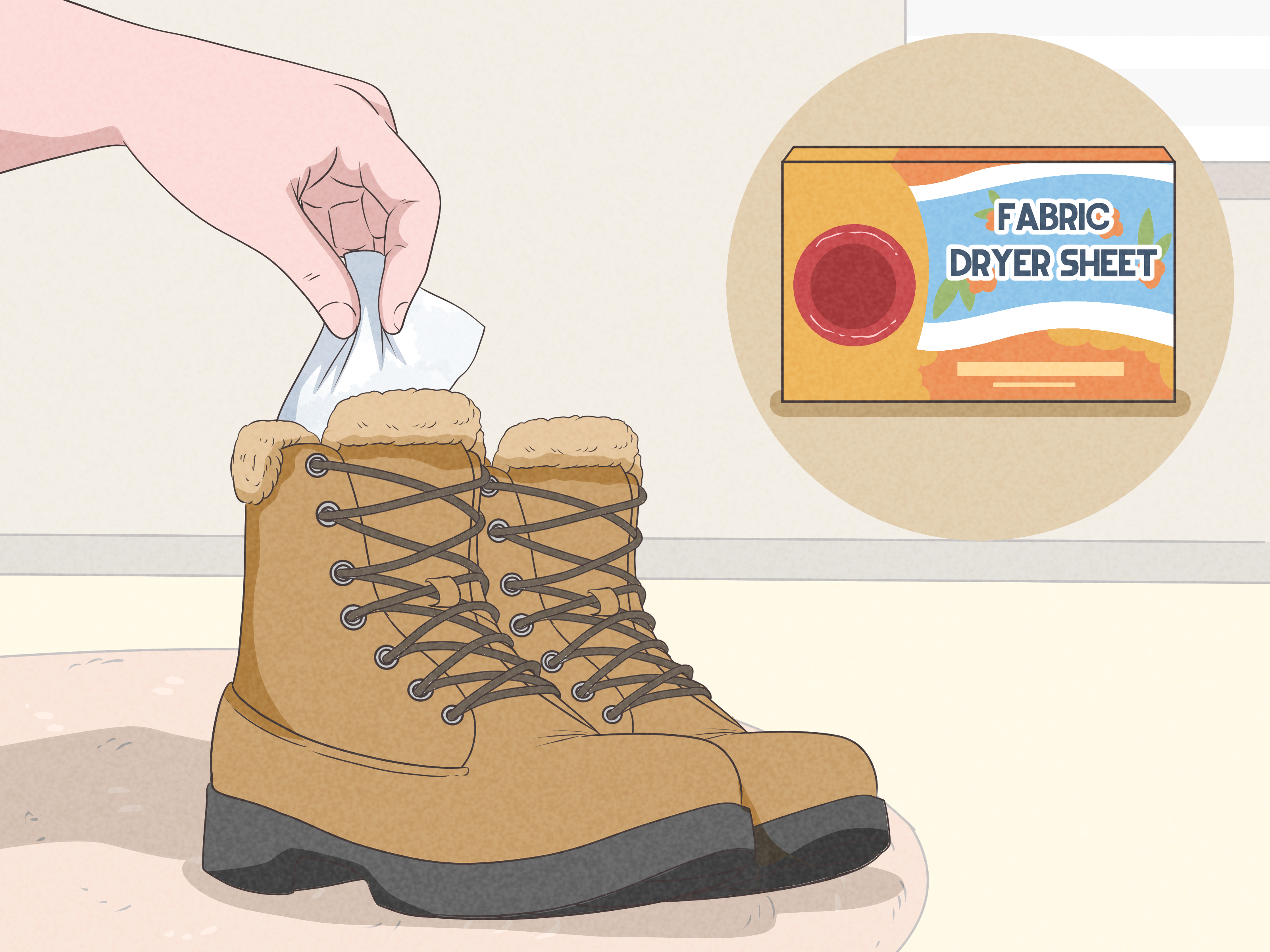
- Clean dryer sheets for light odor masking
These options are best for maintenance after cleaning. If your boots are seriously smelly, clean them first, then use odor absorbers to keep them fresh.
Step 9: Disinfect Carefully When Needed
If the odor is strong, sour, or keeps coming back quickly, bacteria or fungus may be part of the problem. A light disinfecting spray made for shoes can help, but read the label and make sure it is safe for your boot material. Avoid soaking leather, suede, or sheepskin with disinfectant.
If you have symptoms like itching, peeling skin, cracked skin between the toes, persistent foot odor, or signs of infection, focus on foot care as well as boot care. Wash and dry your feet thoroughly, change socks daily, and consider asking a healthcare professional about athlete’s foot, excessive sweating, or other foot conditions.
How to Prevent Winter Boot Odor from Coming Back
Once your boots smell fresh again, protect your victory. Prevention is easier than emergency deodorizing, and it is much less dramatic.
Rotate your boots
Avoid wearing the same pair every day if possible. Give each pair at least 24 hours to dry between wears. Your boots need a rest day too.
Wear moisture-wicking socks
Thick cotton socks can hold sweat. Moisture-wicking wool or synthetic socks help move sweat away from your skin, keeping feet and boots drier.
Change socks during the day
If your feet sweat a lot, pack an extra pair of socks. Changing socks at lunch can make a huge difference, especially if you commute in snow boots and then sit indoors all day.
Air boots out after every wear
Open the boots wide, remove liners if possible, and place them somewhere with airflow. Do not toss them into a dark closet while damp unless you are trying to grow a smell with ambition.
Use deodorizing inserts regularly
Keep baking soda sachets, cedar inserts, or charcoal bags in your boots when you are not wearing them. This small habit helps control moisture and odor before they become a problem.
Keep feet clean and dry
Wash your feet daily, dry between your toes, trim toenails, and use foot powder if needed. Clean boots cannot stay fresh if sweaty socks and damp feet keep moving back in.
What Not to Use on Stinky Winter Boots
Some cleaning tricks sound helpful but can damage boots. When in doubt, go gentle.
- Bleach: Too harsh for most boot materials and may ruin color.
- Heavy perfume: Masks odor without removing the cause.
- High heat: Can crack leather, shrink materials, and weaken glue.
- Too much water: Can damage insulation, liners, and waterproof membranes.
- Undiluted vinegar: May be too strong for some materials.
- Loose baking soda in fuzzy boots: It can be difficult to remove completely.
Quick Cleaning Plan for Busy People
If you want the fastest realistic way to eliminate odor from winter boots, use this simple routine:
- Remove insoles and liners.
- Air dry boots completely.
- Wipe interiors with a damp cloth and mild soap.
- Lightly mist with diluted vinegar if safe for the material.
- Dry fully in a ventilated area.
- Add baking soda sachets overnight.
- Replace old insoles if odor remains.
This routine handles most everyday boot smells without damaging the materials. For luxury leather, suede, sheepskin, or specialty waterproof boots, use the gentlest version and follow the brand’s care instructions.
When Should You Replace Stinky Winter Boots?
Sometimes boots are too far gone. If the lining is breaking down, the insoles are permanently damp, the boots smell bad even after repeated cleaning, or there is visible mold, replacement may be the healthier choice. Boots that no longer keep your feet dry can also contribute to odor and discomfort.
You should also replace boots if the soles are worn smooth, the waterproofing has failed, or the structure no longer supports your feet. Odor is annoying, but slipping on icy sidewalks because your old boots have bald tires is a whole new winter adventure nobody requested.
Real-Life Experience: What Actually Works During Boot Season
Here is the honest truth about cleaning stinky winter boots: the best method is not one dramatic deep clean. It is a routine. Most people wait until the smell becomes impossible to ignore, usually when they take off their boots at someone else’s house and suddenly understand fear. The smarter move is to treat boots like winter gear, not just footwear. They need drying time, airflow, and occasional deodorizing.
One of the most useful habits is removing insoles every night. It sounds small, but it changes everything. Insoles hold sweat like tiny odor sponges. Pulling them out helps both the insole and the boot dry faster. If you have a mudroom, entry bench, or even a corner near a fan, make that your boot recovery zone. Open the boots wide, loosen the laces, and let air move through them. Boots shoved upright against a wall may look tidy, but tidy does not always mean dry.
Another experience-based lesson: baking soda sachets are better than loose baking soda for most winter boots. Loose powder works, but it can hide in seams, cling to fleece lining, and puff out later like your boot is announcing a tiny weather event. A sock filled with baking soda is cleaner and reusable. Add a few drops of essential oil to the outside of the sock if you want a light scent, but do not overdo it. Your goal is fresh boots, not peppermint fog.
Vinegar spray is helpful, but only when used lightly. A fine mist inside synthetic or rubber-lined boots can make a big difference. However, soaking the boot lining creates a new drying problem. The rule is simple: if the inside feels wet after spraying, you used too much. A barely damp mist followed by a full day of air drying is usually enough.
The biggest surprise for many people is how much socks matter. You can clean boots perfectly, but if you wear damp cotton socks all day, the odor will come right back. Moisture-wicking socks are worth it in winter, especially for commuters, hikers, teachers, delivery workers, and anyone who spends time moving between freezing outdoors and heated indoors. Keep an extra pair in your bag. Changing socks halfway through the day feels oddly luxurious and prevents the dreaded “boot swamp.”
Finally, know when to stop fighting old insoles. If you have cleaned them twice and they still smell like a locker room with opinions, replace them. New insoles are cheaper than new boots and often solve the problem immediately. Think of them as a reset button for your footwear.
Final Thoughts: Fresh Boots Are a Winter Survival Skill
Knowing how to clean stinky winter boots is not just about avoiding embarrassment. It helps your boots last longer, keeps your entryway fresher, and makes cold-weather life a little more pleasant. Start by drying your boots fully, remove and clean the insoles, wipe the interior with mild soap, use baking soda sachets to absorb odor, and prevent future smells with better airflow and moisture-wicking socks.
Winter already gives us icy windshields, frozen fingers, and the emotional journey of stepping into ankle-deep slush. Your boots do not need to add “mystery smell” to the list. With a little routine care, they can stay warm, dry, and fresh all season long.