Scandi Midsummer is what happens when the longest days of the year meet wildflowers, new potatoes, outdoor tables, and an impressive willingness to dance like a frog in public. This guide explores the meaning of the Nordic celebration, the traditions that shape it, and practical ways to create a relaxed Midsummer gathering at home. Expect seasonal food, flower crowns, Scandinavian table styling, easy games, and a realistic hosting plan that values joy over perfection.
What Scandi Midsummer Means
Scandi Midsummer is not merely a party with unusually committed floral accessories. It is a seasonal celebration centered on light, nature, food, and togetherness. In Sweden, Midsommar is observed in late June near the summer solstice, when daylight stretches deep into the evening. Families and friends often leave the city for cottages, gardens, islands, farms, or any patch of grass large enough for a long table and questionable dancing.
The summer solstice marks the Northern Hemisphere’s longest period of daylight. Swedish Midsummer traditions grew from agrarian seasonal customs and later absorbed religious, regional, and social influences. Today, the celebration commonly includes a leafy maypole, flower wreaths, songs, outdoor games, pickled herring, new potatoes, strawberries, and leisurely meals that can drift from lunch into evening.
The emotional center of the holiday is simpler than its history: summer has arrived, so everybody goes outside before it changes its mind. That sense of urgency is especially understandable in northern climates, where winter can feel like a full-time administrative position.
Is Midsummer the Same Everywhere in Scandinavia?
No. Sweden is especially associated with the decorated maypole and circular dances. Denmark and Norway often emphasize Saint John’s Eve gatherings and bonfires, while Finnish celebrations may include lakeside cottages, saunas, and fires. Local customs overlap, but they are not interchangeable.
A thoughtful Scandi Midsummer theme should celebrate shared ideaslight, seasonality, community, and naturewithout flattening the Nordic countries into one giant minimalist living room.
The Traditions That Set the Mood
Flowers Everywhere, Including on Your Head
Flower crowns are among the most recognizable Midsummer traditions. Guests gather greenery and seasonal blooms, then weave them into wreaths for themselves or decorations for the maypole. Swedish folklore also tells of silently picking seven different flowers and placing them beneath a pillow in hopes of dreaming about a future partner. Whether or not romance appears, the pillow will at least smell like a meadow.
Official Swedish cultural sources describe flower gathering, wreath making, maypole decorating, and the seven-flower custom as enduring parts of Midsummer folklore. Public celebrations in the United States, including events at the American Swedish Institute, keep the tradition accessible through communal crown-making, folk music, dancing, and family activities.
The Maypole and the Famous Frog Dance
The Swedish Midsummer pole, or midsommarstång, is covered with leaves and flowers before being raised in an open space. People then sing and dance around it. One of the best-known songs is “Små grodorna,” or “The Little Frogs,” accompanied by hopping gestures.
This is a useful reminder that a good party does not require dignity. In fact, dignity may be actively working against you.
Food, Songs, and Long Toasts
Midsummer lunch often resembles a generous smörgåsbord. Pickled herring, boiled new potatoes with dill, cured salmon, crispbread, eggs, cheese pie, cucumbers, and strawberries are recurring favorites. Aquavit or schnapps may accompany short drinking songs, although alcohol is optional and modern gatherings commonly offer cider, sparkling water, berry shrubs, and elderflower drinks.
Food & Wine and National Geographic both emphasize the cold, seasonal character of the meal, with potatoes, herring, herbs, breads, and strawberries forming its familiar backbone.
How to Style a Scandinavian Midsummer Table
A Scandinavian Midsummer table should look abundant without appearing overproduced. The goal is “we gathered these flowers five minutes ago,” not “a production crew has been hiding behind the hydrangeas since dawn.” Start with natural materials, practical serving pieces, and plenty of breathing room.
Choose a Light, Natural Foundation
Use a bare wood table or a relaxed linen tablecloth in white, oat, soft gray, faded blue, or pale yellow. Avoid fabrics that require military-level ironing. Wrinkles make linen look alive; creases in polyester merely look accused.
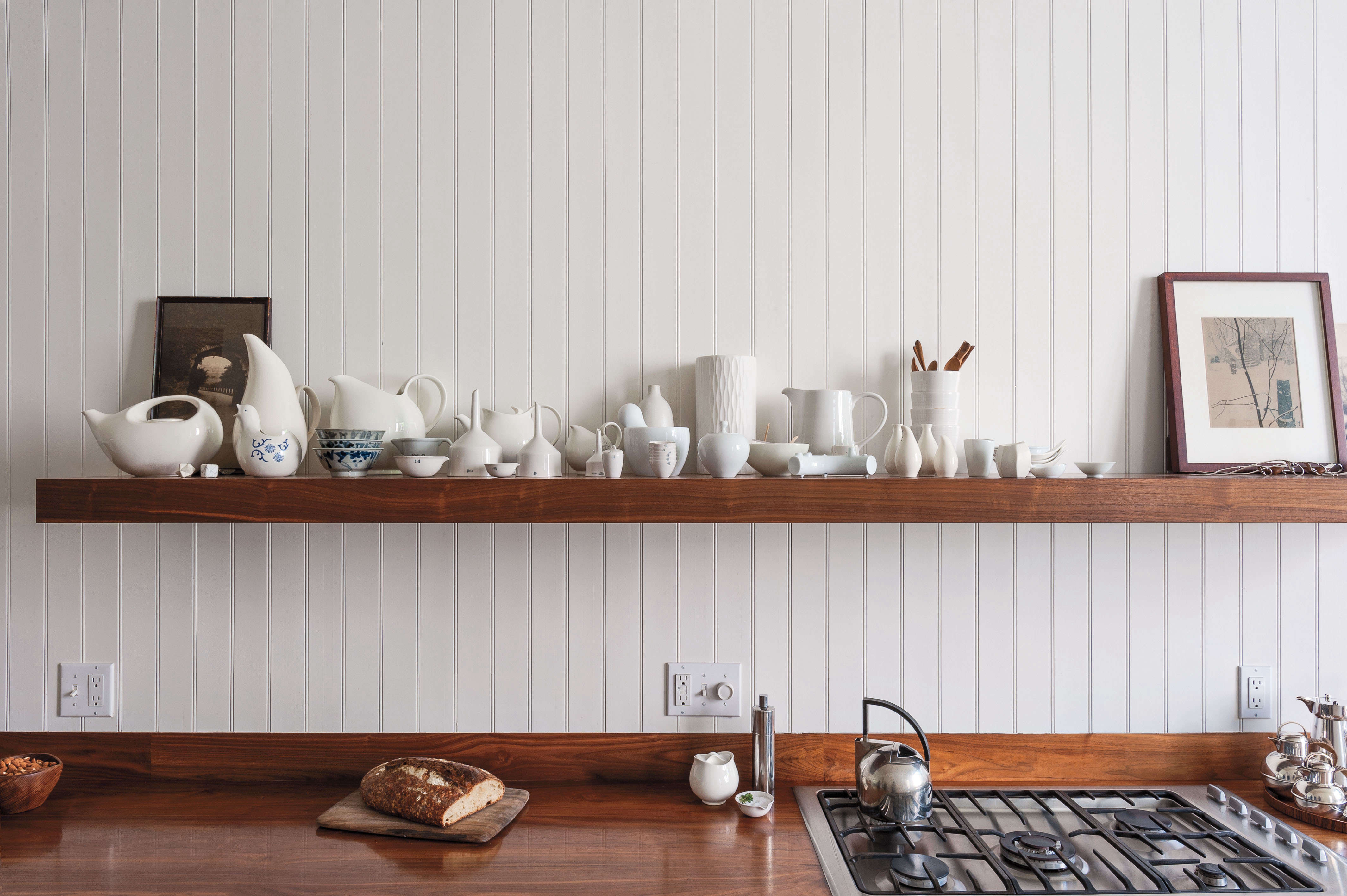
Scandinavian interiors are widely associated with natural light, simple forms, pale colors, warm wood, usefulness, and restrained decoration. For a summer table, those principles translate into clear glassware, matte ceramics, woven baskets, wooden boards, and linens that feel tactile rather than precious.
Build Low, Loose Floral Arrangements
Wildflowers, daisies, chamomile, yarrow, ferns, herbs, and leafy branches suit the informal Nordic mood. Keep arrangements low so guests can see one another. Several jam jars or bud vases often work better than one monumental centerpiece that forces everyone to communicate by leaning sideways.
A flower-crown station can double as both entertainment and decoration. American entertaining publications have recommended preparing flowers, wire, ribbon, and a comfortable workspace so guests can create personal crowns before the meal begins.
Let the Food Decorate the Table
Bowls of red strawberries, glossy potatoes, sliced cucumbers, dark rye bread, salmon, and green dill create their own color palette. Serve food family-style on platters of different heights, but do not overcrowd the table. A nearby sideboard, bar cart, or folding table can hold drinks and refills.
Add Small Details With Meaning
Handwritten place cards, tiny flower bundles, striped napkins, beeswax candles, and simple wooden serving tools create warmth. Blue-and-white accents nod to Scandinavian summer skies and traditional ceramics, while yellow, red, and green add cheerful color inspired by folk art and seasonal celebrations.
Music, Games, and Flower-Crown Fun
Create a Flower-Crown Station
Set out flexible greenery, small flowers, floral wire, tape, scissors, and ribbon. Prepare a few simple bases before guests arrive. Include an example crown, but avoid making it so perfect that everyone else feels they have brought a salad to a hat competition.
Play Kubb and Other Lawn Games
Kubb is a Swedish lawn game in which players throw wooden batons to knock down blocks before targeting the king piece. Croquet, sack races, ring toss, and team relays also match the easygoing outdoor spirit.
Smithsonian’s overview of Swedish Midsummer highlights family competitions such as kubb, croquet, and sack races alongside maypole dancing.
Use Music to Shape the Day
Begin with acoustic folk, soft jazz, and contemporary Scandinavian pop while guests arrive. Increase the energy after lunch, then soften the playlist near sunset.
A short group singalong is authentic in spirit even when nobody knows the Swedish lyrics. Confidence and accurate vowels rarely arrive at the same party.
A Low-Stress Hosting Timeline
One Week Before
Confirm the guest count, decide whether the event is a seated lunch or relaxed buffet, borrow extra chairs, and plan a weather backup. Order specialty ingredients early, especially herring, crispbread, aquavit, or Scandinavian cheese.
Two Days Before
Prepare pickles, sauces, cakes, tart crusts, and flower-crown supplies. Chill drinks and label serving platters with sticky notes so you do not discover, 12 minutes before lunch, that every bowl is emotionally committed to potato salad.
The Morning of the Party
Boil eggs, prepare vegetables, arrange the drink station, set the table, and place shaded containers for perishable dishes. Cut flowers as late as possible and keep them cool.
Outdoor food safety matters. Serve cold foods in smaller batches, replenish them from the refrigerator, and avoid leaving dairy, fish, or egg dishes in summer heat for extended periods.
During the Gathering
Welcome guests with drinks and crown-making, then serve lunch before anyone becomes so hungry that the decorative dill starts looking negotiable. Follow with games, dessert, coffee, music, and an optional evening grill.
Leave space in the schedule. Midsummer works best when conversation, weather, and daylight are allowed to take over.
How to Keep the Celebration Modern and Inclusive
A respectful modern Midsummer gathering does not require Scandinavian ancestry, perfect pronunciation, or a cottage on a Swedish island. It does require curiosity and a little context. Tell guests which customs are Swedish, which are broader Nordic practices, and which details are your own adaptations.
Offer vegetarian, vegan, gluten-free, and alcohol-free choices without presenting them as sad side dishes. Use local seasonal flowers instead of invasive or protected plants. Choose reusable plates and fabric napkins when practical.
Keep games optional, provide shade and comfortable seating, and remember that not everybody dreams of becoming the lead frog in a circular folk dance.
The most authentic quality is not visual accuracy but generosity. Midsummer is about welcoming light, sharing seasonal food, and making time for people. The linen can be wrinkled. The flower crowns can collapse. The strawberries may disappear before dessert. These are not failures; they are evidence that the party is alive.
A 500-Word Scandi Midsummer Hosting Experience
The following is a realistic composite hosting experience designed to show how the celebration can unfold at home.
The first lesson arrives at 9:15 in the morning, when the host discovers that “a few flowers” expands rapidly into three buckets of greenery, two grocery bags of stems, and one fern that appears to have personal ambitions. The table is set under a tree with a washed linen cloth, mismatched white plates, clear glasses, and little jars of daisies. It looks calm. The kitchen does not.
By noon, guests begin arriving in summer dresses, rolled-up sleeves, and varying levels of floral confidence. The crown station immediately becomes the center of attention. One guest produces a delicate wreath worthy of a royal portrait. Another makes something that looks like a hedge has won a wrestling match. Both are worn proudly, which is exactly the point.
Lunch begins with cold elderflower drinks, then moves to platters of dill potatoes, salmon, cucumber salad, eggs, rye bread, sharp-cheese tart, and small bowls of herring. The herring causes the expected debate. Two guests love it. One takes a cautious bite and develops the expression of a person reading unexpected terms and conditions. A fourth quietly adds more potatoes. Nobody is pressured, and the conversation moves on.
The best moment is not the prettiest one. It happens when everyone reaches across the table at once: someone passing bread, someone pouring sparkling water, and someone rescuing a napkin from the wind. The carefully planned tablescape becomes pleasantly untidy. Plates shift. Strawberry juice appears on the linen. A sprig of dill lands in a water glass and remains there for the rest of the day like a tiny aquatic tree.
After lunch, the group attempts kubb. The rules are explained twice, then interpreted creatively. Children become highly competitive. Adults claim they are “just playing for fun” immediately before disputing a boundary line. The wooden king survives three rounds, mostly because everyone keeps missing it.
Dessert is a soft sponge cake filled with cream and strawberries. It leans slightly to the left, but whipped cream is an excellent public-relations department. Coffee follows, music gets louder, and the flower crowns begin to wilt in a charming way. Nobody checks the time for nearly an hour.
As evening arrives, candles are placed in glass jars and blankets appear over chair backs. The planned second meal becomes unnecessary; people snack on leftovers, slice more bread, and finish the berries. The gathering grows quieter without becoming dull. Guests talk in smaller groups while the sky holds its light.
Cleanup reveals the true measure of success: empty serving bowls, crushed grass around the game area, abandoned ribbons, and one surviving crown hanging from a chair. The day did not look exactly like the inspiration photos. It felt betterless styled, more generous, and full of small accidents that turned into stories.
That is the practical magic of a Scandi Midsummer celebration. You prepare the table, but the people create the occasion.
Conclusion: Let the Long Day Linger
Scandi Midsummer combines seasonal ritual with remarkably practical pleasures: eating outdoors, decorating with what is growing, sharing food that can mostly be prepared ahead, and finding socially acceptable reasons to wear flowers.
Its strongest traditionsmaypoles, wreaths, herring, potatoes, strawberries, songs, games, and long daylightcreate a celebration that feels both distinctive and adaptable.
To host your own version, begin with nature, simplicity, and hospitality. Use a light table, loose flowers, fresh food, comfortable seating, and a schedule with room to wander. Explain the customs you borrow, welcome substitutions, and do not chase visual perfection.
A memorable Midsummer table is not the one with the most coordinated napkins. It is the one nobody wants to leave.