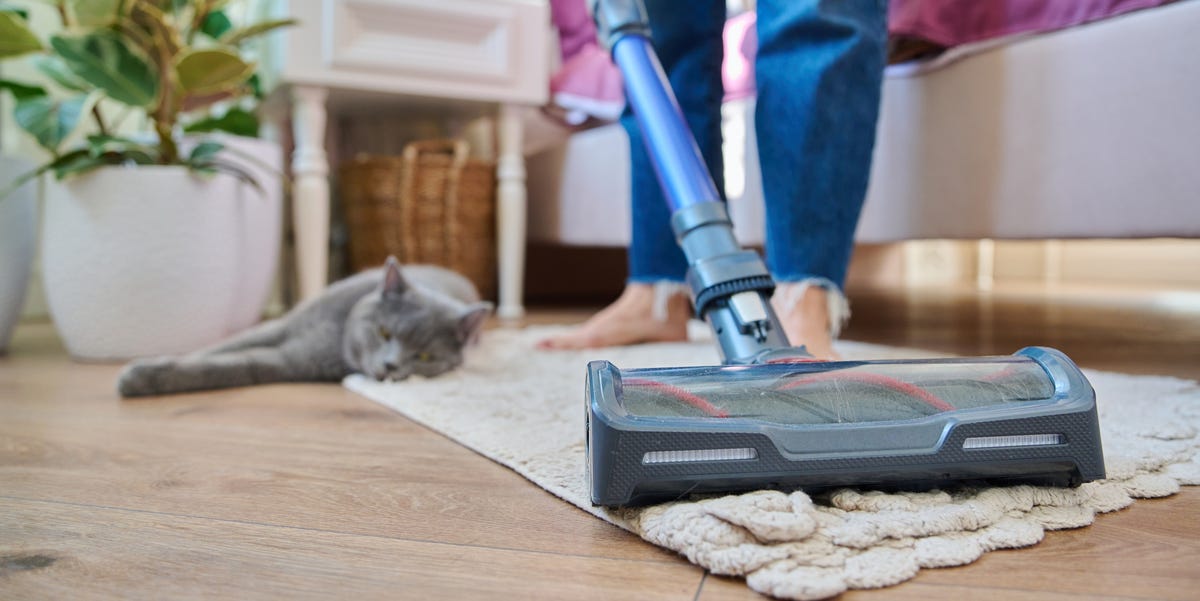
Spring arrives with sunshine, open windows, fresh flowers, and one tiny problem: your cat appears to be personally manufacturing a second cat out of loose fur. If your sofa has developed a fuzzy halo or your black leggings now look like a gray tabby, you are not alone. Seasonal shedding is normal for many cats, especially in spring, when some cats lose extra winter coat. Indoor cats may shed steadily all year because artificial light and climate control can blur the seasonal calendar.
The good news? You cannot stop shedding completely, and you should not try to. Shedding is part of healthy coat renewal. But with smart spring cleaning, regular grooming, safe cleaning products, and a little strategy, you can reduce loose cat hair before it drifts into your coffee, your keyboard, and somehow your refrigerator.
This guide shares practical spring cleaning ideas for cat owners that help reduce shedding, control pet hair, freshen your home, and keep your feline roommate comfortable. No magic wand requiredalthough a good lint roller may feel pretty close.
Why Cats Shed More in Spring
Many cats naturally shed more during seasonal transitions. In spring, longer daylight hours and warmer temperatures can signal the body to release a thicker winter coat. Outdoor cats and cats exposed to natural light often show this pattern more clearly. Indoor cats, however, may shed all year because their environment stays fairly consistent.
Normal shedding usually looks like loose hair on furniture, clothing, bedding, and grooming tools. The coat should still look healthy, full, and shiny. Excessive shedding is different. If you notice bald patches, red or irritated skin, scabs, intense itching, sudden behavior changes, weight changes, or overgrooming, schedule a veterinary visit. Fleas, allergies, stress, skin infections, pain, and nutrition issues can all affect a cat’s coat.
Start With the Cat, Not the Couch
Here is the golden rule of cat hair control: remove loose fur before it becomes home decor. Cleaning only the house is like mopping during a rainstorm while the roof is missing. Grooming your cat regularly is the first and most effective step.
Brush More Often During Shedding Season
During spring shedding, short-haired cats may benefit from brushing several times a week, while long-haired cats often need daily grooming. Brushing removes loose hair before your cat swallows it during self-grooming or deposits it on your furniture like a tiny fur tax.
Choose the right tool for your cat’s coat. A rubber grooming brush or grooming glove works well for many short-haired cats because it lifts loose hair gently. A metal comb can help with tangles and debris. Long-haired cats may need a slicker brush, wide-tooth comb, and careful attention behind the ears, under the legs, around the tail, and along the belly where mats love to form secret societies.
Make Grooming Feel Like Bonding
Some cats adore brushing. Others react as if you have introduced medieval technology. Start with short sessions of one to three minutes. Brush in the direction of hair growth, reward calm behavior, and stop before your cat gets irritated. A few peaceful minutes every day is better than one dramatic wrestling match on Sunday.
If your cat dislikes brushes, try a damp grooming glove. Slight moisture helps collect loose fur and may feel more like petting. Keep the mood relaxed. Speak softly, use treats, and let your cat sniff the tool first. The goal is not to win a grooming battle; it is to build a routine your cat toleratesor, in rare miracles, enjoys.
Create a Spring Cleaning “Fur Map”
Before deep cleaning, walk through your home and identify the main fur zones. These are usually your cat’s favorite sleeping spots, window perches, couch corners, rugs, bed edges, laundry baskets, and the one chair nobody is allowed to sit in because your cat has claimed it for the monarchy.
Once you know where hair collects, you can clean smarter instead of cleaning everywhere with equal panic. Focus your energy on high-contact areas first. A targeted approach saves time and keeps shedding from spreading through the whole house.
Vacuum Like You Mean It
Vacuuming is one of the best spring cleaning habits for cat owners, but technique matters. Use a vacuum with strong suction and, when possible, a sealed system with a HEPA filter. Pet hair and dander can cling to carpets, rugs, upholstery, curtains, mattresses, and baseboards.
Use Slow Passes
Rushing the vacuum over carpet is emotionally satisfying but not always effective. Move slowly forward and backward, then vacuum the same area from another direction. This helps lift embedded hair from carpet fibers. Use upholstery attachments on sofas, chairs, cat trees, and fabric headboards.
Do Not Forget Hidden Fur Zones
Spring cleaning is the perfect time to move furniture and find the “cat hair tumbleweeds” hiding underneath. Vacuum under couches, behind doors, along baseboards, below beds, and around scratching posts. If you have a robot vacuum, use it for maintenance, but still do a deeper manual vacuum weekly during heavy shedding.
Use Microfiber for Dusting and Hair Control
Dry dusters often push hair and dander into the air, where they float around like tiny fuzzy confetti. Microfiber cloths are more effective because they trap particles instead of simply relocating them. Lightly dampen the cloth for shelves, window sills, baseboards, TV stands, and hard surfaces.
For quick hair pickup on furniture, try a slightly damp rubber glove. Put it on, run your hand over fabric surfaces, and watch hair gather into clumps. It is weirdly satisfying, like peeling a sticker cleanly on the first try.
Wash Cat Bedding and Human Bedding
Cat beds, blankets, cushion covers, and washable throws are fur magnets. During spring shedding season, wash pet bedding weekly if possible. Shake or vacuum loose hair before putting items in the washing machine. This helps prevent fur from coating the washer drum and clinging to every towel you own.
Use a fragrance-free, pet-safe detergent when possible. Strong scents may bother cats, and some cats are sensitive to residues. Dry bedding completely before returning it to your cat. Damp bedding can smell musty and may encourage mildew.
Do not stop at the cat bed. If your cat sleeps on your bed, wash sheets, pillowcases, washable duvet covers, and throw blankets more often during peak shedding. A washable cover over your comforter can save your bedding and your sanity.
Refresh Cat Trees, Scratching Posts, and Window Perches
Cat furniture can quietly collect mountains of hair. Vacuum cat trees using an upholstery attachment. For carpeted posts, use a lint brush, rubber glove, or pet hair scraper to loosen embedded fur before vacuuming. Wipe hard platforms with a damp microfiber cloth.
Check scratching posts for loose fibers, broken pieces, or dusty buildup. Spring cleaning is also a good time to rotate toys, remove damaged items, and wash soft toys according to the care label. Your cat may pretend not to care, then immediately sit in the clean basket like a quality-control inspector.
Improve Indoor Air Quality
Cat hair is visible, but dander is smaller and can linger in the air or settle on surfaces. Improving indoor air quality can make your home feel cleaner, especially for people with mild allergies or asthma.
Consider a Portable Air Cleaner
A portable air cleaner with a true HEPA filter can help capture airborne particles such as dander, dust, and pollen. Place it in the room where your cat spends the most time, such as the bedroom or living room. Match the unit size to the room, and replace filters according to the manufacturer’s schedule.
Change HVAC Filters Regularly
If your home has central heating or cooling, check the HVAC filter. Spring is a good time to replace it, especially after months of closed-window living. A better filter can help reduce circulating dust and dander, but always choose one compatible with your system so airflow is not restricted.
Clean Floors With Cat Safety in Mind
Hard floors are easier to manage than carpet, but they still need smart cleaning. Sweep or vacuum first, then mop. If you mop before removing hair, you may create what can only be described as fur papier-mâché.
Use pet-safe cleaners and avoid leaving strong chemical residues. Cats walk on floors, then lick their paws. That means floor cleaner can become an accidental snack. Keep cats out of freshly cleaned rooms until surfaces are dry and fumes have cleared.
Be careful with products containing bleach, ammonia, phenols, strong fragrances, or essential oils. “Natural” does not automatically mean cat-safe. Tea tree, eucalyptus, citrus, peppermint, pine, and other concentrated oils can be risky for cats. When in doubt, choose fragrance-free products labeled for use around pets, follow directions carefully, and ask your veterinarian about concerns.
Declutter to Reduce Hair Traps
Cat hair loves clutter. It wraps around chair legs, hides behind stacked boxes, settles into decorative baskets, and collects in piles of “I’ll deal with that later.” Spring cleaning is the ideal time to simplify surfaces and reduce places where hair can hide.
Store extra blankets in closed bins. Keep laundry off the floor. Use washable covers on favorite lounging areas. Replace piles of decorative pillows with fewer, washable options. Your home does not need to look empty; it just needs fewer fur parking lots.
Upgrade Your Laundry Routine
Pet hair in laundry can be stubborn. Before washing hairy fabrics, shake them outside or run them through a no-heat dryer cycle for 10 minutes to loosen hair. Clean the lint trap afterward. Then wash as usual. Dryer balls may help separate fabrics and release more hair during drying.
Wash pet items separately from human clothes when they are heavily coated. Clean the washer gasket, door, and drum after big pet-bedding loads. This prevents the next load of work shirts from coming out with “limited edition cat texture.”
Keep the Litter Box Area Clean
The litter box may not directly cause shedding, but litter dust and tracked particles can mix with hair and spread through the home. Scoop daily, wash hands afterward, and clean the box regularly. Use a litter mat to catch granules from paws, and vacuum around the box frequently.
If dust is a problem, consider a low-dust, unscented litter. Many cats dislike strong fragrances, and scented litter can make the box less inviting. A clean, simple setup is usually best for both odor control and feline approval.
Support Coat Health From the Inside
Cleaning helps manage loose hair, but coat health starts with the cat. Feed a complete and balanced cat food appropriate for your cat’s age and health needs. Protein, essential fatty acids, vitamins, and minerals all support skin and coat quality.
Omega-3 fatty acids may support skin comfort and coat shine for some cats, but supplements are not one-size-fits-all. Too much fat can add calories or upset digestion. Talk with your veterinarian before adding fish oil or changing diets, especially if your cat has pancreatitis, obesity, kidney disease, allergies, or a sensitive stomach.
Know When Shedding Is Not Just Shedding
Spring shedding should not leave your cat with bald spots or irritated skin. Call your veterinarian if you notice:
- Bald patches or thinning fur
- Red, flaky, scabby, or greasy skin
- Constant scratching, biting, or licking
- Hair loss near the tail base or belly
- Sudden heavy shedding with behavior or appetite changes
- Mats that pull on the skin
- Signs of fleas, flea dirt, or skin bumps
Cats are experts at hiding discomfort. A coat change may be your first clue that something else is going on. A vet can check for parasites, allergies, infections, pain, stress-related overgrooming, and other medical issues.
A Simple Weekly Spring Cleaning Schedule for Cat Owners
Daily Tasks
- Brush your cat for a few minutes during peak shedding.
- Scoop the litter box.
- Use a lint roller or rubber glove on favorite furniture spots.
- Do a quick sweep or vacuum of high-traffic fur zones.
Weekly Tasks
- Wash cat bedding and washable throws.
- Vacuum carpets, rugs, upholstery, cat trees, and baseboards.
- Damp-dust shelves, window sills, and hard surfaces.
- Clean around the litter box and shake out litter mats.
Monthly Tasks
- Deep clean under furniture and behind appliances.
- Wash or replace washable vacuum filters according to instructions.
- Check air purifier and HVAC filters.
- Inspect grooming tools, cat beds, toys, and scratching posts.
Common Spring Cleaning Mistakes Cat Owners Should Avoid
One common mistake is bathing cats too often. Most cats do not need frequent baths unless advised by a veterinarian or unless they get into something messy or unsafe. Overbathing can dry the skin and may worsen flaking. Brushing is usually more useful for routine shedding control.
Another mistake is using heavily scented cleaning products to “freshen” pet areas. Cats have sensitive noses, and strong fragrances can be unpleasant or unsafe. Clean should smell like nothing, not like a pine forest got into a wrestling match with a lemon.
Finally, do not ignore mats. Mats can pull on the skin and become painful. If a mat is tight, large, or close to the skin, do not cut it with scissors. Cat skin is thin and easy to injure. Ask a veterinarian or professional groomer for help.
Real-Life Experience: What Actually Works When the Fur Starts Flying
Anyone who has lived with a shedding cat knows that the battle is not won in one heroic cleaning session. It is won in small, repeatable habits. The most effective routine I have seen is the “brush, block, and clean” method. Brush the cat before the fur spreads. Block hair from reaching hard-to-clean places with washable covers. Clean high-fur zones often enough that the mess never becomes dramatic.
For example, imagine a cat named Muffin who believes the living room couch is her personal throne. Every spring, Muffin sheds so much that the couch begins to look upholstered in cat. Her owner could vacuum the entire house every Saturday and still feel defeated by Monday. A better strategy is to place a washable throw on Muffin’s favorite cushion, brush her for three minutes each evening, and vacuum the couch twice a week with an upholstery tool. Suddenly the problem becomes manageable. The couch is not perfect, but guests no longer leave wearing a complimentary fur sweater.
Another useful experience-based trick is keeping grooming tools where the cat already relaxes. If the brush lives in a closet, it becomes a chore. If it sits in a small basket near the couch, brushing becomes part of TV time. Many cats tolerate grooming better when they are sleepy, warm, and already asking for attention. The secret is to stop before the tail starts flicking like a warning flag.
For laundry, the biggest improvement often comes from removing hair before washing. A quick shake outside, a pass with a lint roller, or a short no-heat tumble in the dryer can prevent fur from spreading through the washer. This is especially helpful for fleece blankets, pet beds, and dark clothing. Cat hair has a special talent for appearing on black pants five minutes before you leave the house, so prevention is a gift to your future self.
Air quality also matters more than many cat owners expect. In homes with multiple cats, a HEPA air cleaner in the bedroom or main living area can reduce the feeling of dusty, furry air. It will not replace brushing or vacuuming, but it can support the whole routine. Think of it as a background assistant quietly catching what your vacuum missed.
The most important lesson is consistency. A spring cleaning marathon feels productive, but cat hair returns quickly. A light daily routine usually beats an exhausting monthly deep clean. Brush a little. Vacuum the hot spots. Wash the favorite blanket. Keep cleaning products gentle and cat-safe. Repeat. Your home will still have a cat in it, so a little fur is part of the deal. But with the right system, you can enjoy the cat without feeling like you live inside a lint trap.
Conclusion
Spring cleaning for cat owners is not about creating a fur-free fantasy land. Cats shed, and that is perfectly normal. The real goal is to reduce loose hair, protect your cat’s coat health, and make your home easier to maintain. Start with regular brushing, then focus on high-fur zones, washable fabrics, slow vacuuming, microfiber dusting, clean air, safe products, and a smarter laundry routine.
If your cat’s shedding suddenly changes or comes with bald spots, itching, skin irritation, or behavior changes, call your veterinarian. Otherwise, treat spring shedding as a seasonal reminder to refresh your home and your cat-care routine. With a few practical habits, you can spend less time peeling fur off your clothes and more time enjoying the tiny, purring source of the problem.