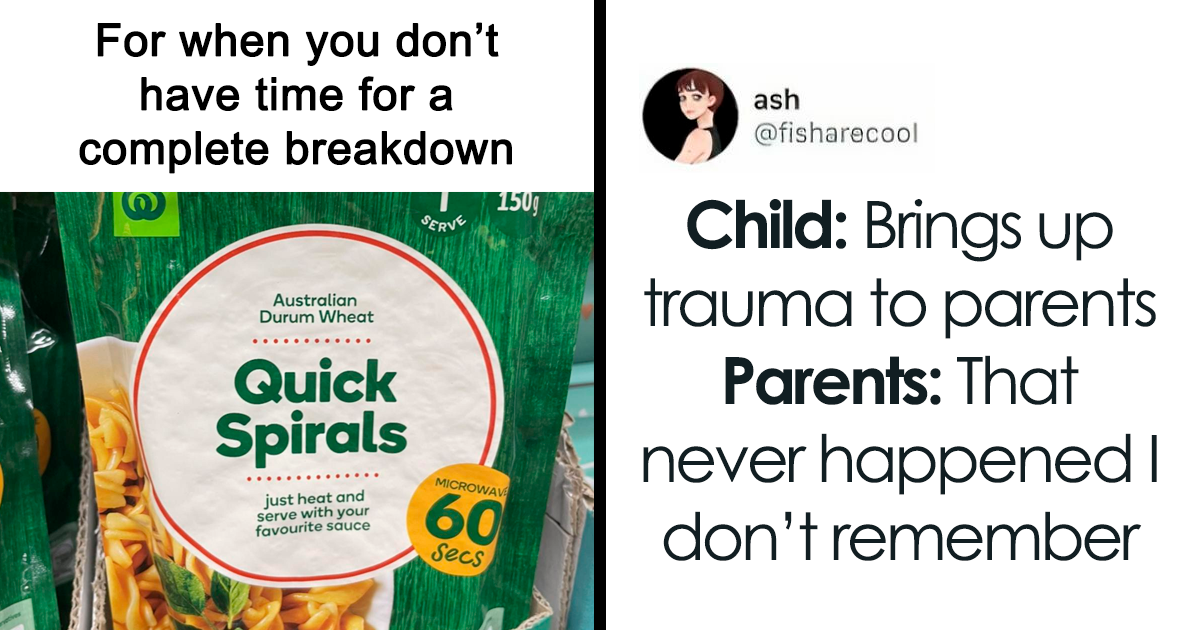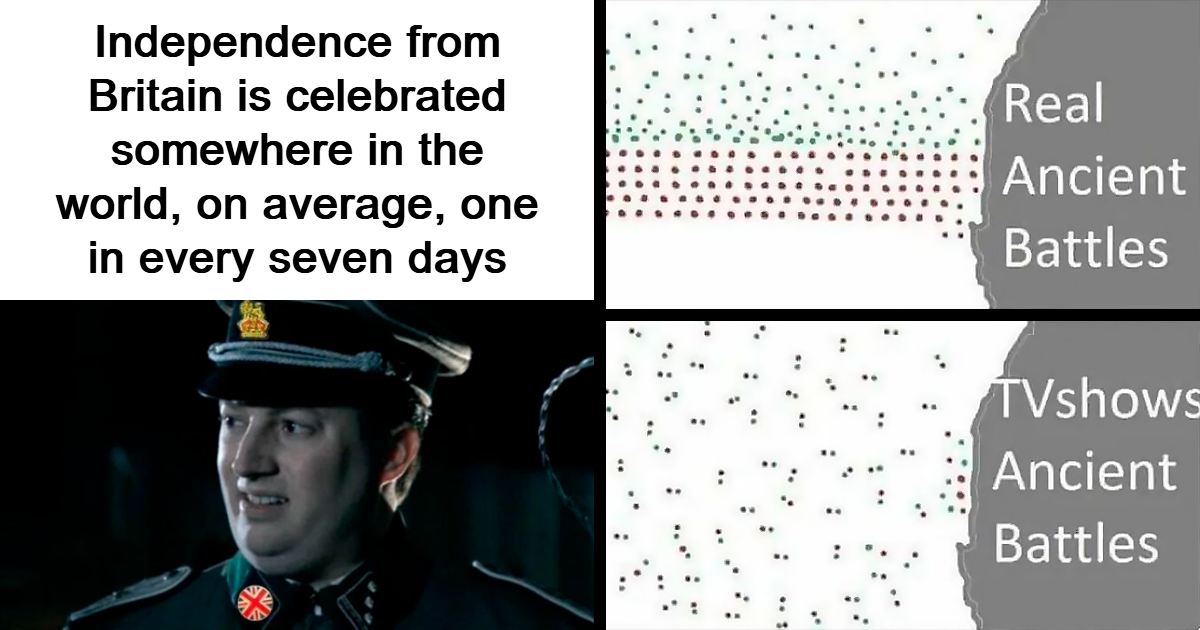
History has a branding problem. Somewhere between the eighth monarch with the same name and the fifth map of a trade route no one can pronounce before coffee, a lot of people decided the past was dusty, stiff, and allergic to fun. Then the internet arrived, kicked open the archive door, and shouted, “Actually, what if the French Revolution had reaction images?” That is how history memes became one of the funniest corners of online culture.
The title joke“Should I Go To Art School Or Go Into Politics?”works because history lovers instantly recognize the sinister punch line behind it. That is the magic trick of the genre. The best history memes do not just make you laugh; they reward you for knowing the context. They turn timelines into inside jokes, empires into punch lines, and primary-source energy into something that feels less like homework and more like a group chat with dead people.
And that is not as frivolous as it sounds. Long before memes, political cartoons, satirical posters, wartime slogans, and exaggerated caricatures did similar work. They simplified big ideas, mocked powerful people, spread emotion fast, and gave ordinary audiences a shared visual language. In that sense, history memes are not ruining historical culture. They are one of its most internet-native descendants.
Why History Memes Work So Ridiculously Well
At their best, history memes combine three things people love: recognition, compression, and superiority. Recognition is the moment you spot a familiar event, person, or artwork. Compression is the meme’s superpower: a full chapter of a textbook gets squeezed into one image and a line of text. Superiority is the deeply human pleasure of feeling in on the joke. You either understand why Napoleon is tiny again, why Roman emperors feel like reality TV contestants, or why one medieval painting looks like the original “me explaining my completely bad decision.”
That combination makes history memes weirdly efficient. A joke about Julius Caesar, Marie Antoinette, the Cold War, or the fall of Constantinople often lands because it grabs a complicated subject and distills it into one emotional truth. No, a meme is not a substitute for scholarship. But it is a powerful hook. It sparks curiosity. It makes the past feel inhabited by real people with egos, bad plans, propaganda budgets, and occasionally astonishingly bad hair.
That is also why so many history pages, museum accounts, and educational creators thrive online. People are more willing to approach the past when it stops acting like a locked room and starts sounding like a story they are allowed to enter. A good meme does not say, “Memorize this.” It says, “Come on, this part is absolutely unbelievable.”
From Political Cartoons to Meme Templates
If history memes feel familiar, that is because they are. Modern meme culture owes a lot to older visual traditions that also relied on exaggeration, repetition, and instant recognition. Political cartoons in the United States were already doing this in the nineteenth century, using recurring symbols, visual shorthand, and savage humor to turn politics into a public spectacle. The point was not subtlety. The point was impact.
That same logic powered posters and caricatures. A finger pointing outward. A leader drawn too large or too small. A national symbol reused until everyone understood the reference in a heartbeat. In other words, long before social media, visual culture already knew how to go viraljust with ink, paper, and people yelling in the street instead of repost buttons.
Take Uncle Sam. He is not just a patriotic symbol; he is practically an early meme template. A recognizable figure, a direct stare, a reusable format, endless parody potential. Once an image becomes iconic enough to be remixed across contexts, it starts behaving a lot like meme culture. The internet simply accelerated a habit humanity already had: see image, add caption, spread feeling.
Mockery Has Always Been a Historical Weapon
One reason memes fit history so naturally is that mockery has always mattered. Satire has long been a way to shrink the powerful down to human size. Political cartoonists made Abraham Lincoln look awkward, turned Napoleon into a tiny tyrant, and used humor to frame public opinion before “content strategy” was a thing. Today’s history meme pages do something similar when they contrast imperial ambition with deeply unserious captions like “bro really thought that would work.”
It sounds silly, but ridicule is powerful because it punctures grandeur. It drags emperors, generals, monarchs, and ideologues into the same arena as everyone else: the arena of being mocked online. The format changes. The instinct does not.
The Joke Is Funny Because the Past Was Full of Chaotic People
Part of the appeal of history memes is that they remind us the past was not made by statues. It was made by people who miscalculated, overreacted, lied confidently, wrote dramatic letters, launched disastrous invasions, commissioned wildly flattering portraits, and occasionally built entire policies on vibes. A meme can capture that in seconds.
That is why history humor thrives around rulers, revolutions, and ideological extremes. Big historical moments come with built-in drama. The stakes are huge, the personalities are outrageous, and the contrast between official rhetoric and messy reality is often comedy gold. A meme about failed diplomacy, imperial overreach, or an absurd succession crisis works because history repeatedly proves that human beings are both ambitious and spectacularly flawed.
The famous “art school or politics” style of joke is dark, but it illustrates the genre perfectly. History memes often depend on hindsight. We know how things turned out, so we feel the weight of the irony. That tension between what a person once seemed to be and what they later became is fertile ground for humor, even when the subject matter demands care. The best creators know the difference between joking about historical absurdity and flattening real suffering. That line matters.
Why History Lovers Keep Sharing These Memes
For history lovers, memes are social proof of obsession. They say, “I know enough about medieval Europe, Soviet politics, Roman emperors, Tudor drama, or World War propaganda to laugh at this immediately.” That is a satisfying feeling. It turns knowledge into community.
There is also something comforting about seeing the past translated into modern internet language. It reassures us that historical people were not aliens. They worried about status, appearance, betrayal, money, war, reputation, and being publicly embarrassed. Change the clothes and remove the horse, and half of them would be posting passive-aggressive updates today.
That relatability is exactly why classical art memes and history memes overlap so often. Old paintings are already dramatic. The facial expressions are intense, the hand gestures are theatrical, and the compositions beg for captions. Add one modern line of text and suddenly a Renaissance saint becomes your friend reacting to a terrible email. Once you see it, you cannot unsee it.
Memes Make History Feel Less Intimidating
Another reason these posts spread so easily is that they lower the stakes of entry. Not everyone wants to begin with a dense monograph or a museum wall label written in formal prose. A meme says, “Here is one funny angle. Start here.” For younger audiences especially, that invitation matters.
Even major cultural institutions understand this now. Archives preserve web culture. Museums experiment with creator-friendly short-form content. Educators keep revisiting the role of humor because laughter can grab attention, reduce defensiveness, and make information more memorable. No, a meme alone will not teach a full historical argument. But it can open the door to one. That is more valuable than traditionalists like to admit.
The Difference Between Smart History Memes and Lazy Ones
Not all history memes deserve a museum gift shop. Some are lazy, inaccurate, or so dependent on stereotypes that they collapse into nonsense. A smart history meme has a point of view. It compresses without completely distorting. It jokes with context, not in place of context.
The strongest examples do at least one of three things. First, they reveal a contradiction: an empire preaching order while everything burns. Second, they expose a pattern: every era believing it has invented chaos for the first time. Third, they humanize the past: a queen, general, philosopher, or soldier suddenly feels emotionally legible. When that happens, the meme becomes more than a throwaway joke. It becomes a tiny act of interpretation.
That is why the most memorable history meme accounts develop loyal followings. Their jokes are not random. They are built on recurring themes: propaganda, class anxiety, military failure, royal dysfunction, bureaucratic absurdity, artistic drama, revolutionary overconfidence. Once readers trust that the creator knows the material, the humor lands harder.
What These 50 Hilarious Memes Really Reveal
A collection built around a title like “Should I Go To Art School Or Go Into Politics?” is not just offering cheap laughs. It is showing how online audiences process the past now. We do not only consume history through documentaries, museum exhibits, or textbooks. We also meet it through captions, reaction formats, and absurd image pairings that compress centuries into a scrollable feed.
That may sound like decline if you prefer solemnity. It may sound like evolution if you pay attention to how people actually learn and share ideas online. History has always traveled through whatever medium people use most effectively. Sermons did it. Ballads did it. Posters did it. Cartoons did it. Now memes do it too.
And frankly, history can handle a joke. A field built on human ambition, catastrophe, vanity, invention, propaganda, survival, and bad decision-making would be strange territory for humorlessness. The past is tragic, yes. It is also bizarre. Sometimes the clearest sign that people care about history is that they keep finding new ways to laugh with it, argue about it, remix it, and drag it into the present.
Experience Section: What It Feels Like to Be a History Meme Person
There is a very specific experience that comes with loving history memes, and it usually begins with an innocent scroll. You open your phone planning to check one message, and three minutes later you are staring at a Byzantine mosaic with a caption about office politics, laughing like a person who absolutely should have gone to bed earlier. Then the comment section gets even better, because someone explains the original event, someone else argues about the translation, and a third person drops a niche reference to seventeenth-century diplomacy that somehow makes the whole thing funnier.
That is the real thrill of this corner of the internet. It does not feel like passive consumption. It feels like stumbling into a gigantic, slightly unhinged seminar where everyone brought jokes instead of note cards. One meme reminds you of something from high school history. Another sends you down a rabbit hole about Roman taxes, medieval marginalia, or how many times Europe collectively chose chaos before lunch. You arrive for the laugh and leave with six tabs open and a deeply unnecessary opinion about Habsburg jawlines.
For a lot of readers, the experience is half recognition and half relief. Recognition, because you finally see proof that other people also find this material weirdly exciting. Relief, because history no longer has to be presented as a formal dinner where you are afraid to use the wrong fork. In meme form, the past becomes conversational. You are allowed to react to it. You are allowed to say, “This king sounds exhausting,” or “This propaganda poster is doing a little too much,” or “I cannot believe an empire this large was run by people making decisions with this level of confidence and this level of evidence.”
There is also a strange emotional intimacy to it. The best history memes collapse time in a way that feels almost magical. A nineteenth-century political cartoon suddenly reads like a modern subtweet. A Renaissance painting becomes the perfect image for social anxiety. A wartime slogan sounds suspiciously like a bad corporate motivational poster. Across centuries, the costumes change, but the emotions do not. Vanity is still vanity. Panic is still panic. Spin is still spin. That continuity is funny, but it is also humanizing.
Maybe that is why history lovers keep coming back. These memes do more than entertain. They create a feeling of belonging for people who notice patterns, love context, and enjoy the moment when a joke rewards actual knowledge. They make learning feel social. They make scholarship feel breathable. And they remind us that the archive is not just a storage unit for facts; it is a warehouse full of drama, irony, vanity, invention, and material so absurd that sometimes the only reasonable response is laughter.
So if you have ever laughed at a meme about Napoleon being tiny, Roman emperors being chaotic, or an old painting looking exactly like your Monday mood, congratulations: you are participating in a very old tradition with very modern tools. You are taking the past seriously enough to play with it. And honestly, history has always been a little funnier than its reputation suggests.