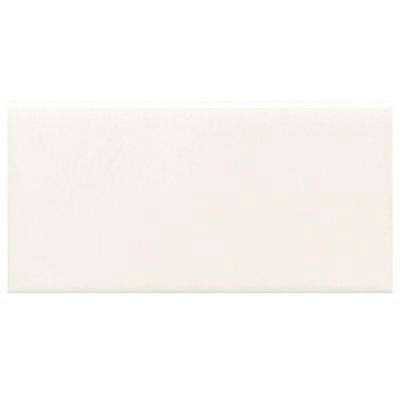
Some building materials shout for attention. Others quietly do their job so well that the entire room looks cleaner, brighter, and more expensive without anyone being able to explain exactly why. The Rittenhouse Square White 3 in. x 6 in. Modular Wall Tile falls into the second group. It is not flashy. It does not arrive wearing a designer scarf. It is a classic white ceramic subway tile, and that is precisely why homeowners, designers, builders, landlords, flippers, and extremely picky backsplash admirers keep coming back to it.
This tile belongs to the long tradition of white subway tile: simple rectangular ceramic pieces, usually installed in a running bond, stacked, vertical, herringbone, or custom layout. The 3-by-6-inch proportion is iconic because it balances small-scale detail with broad visual calm. In a kitchen, it can make cabinets feel sharper. In a bathroom, it can make walls feel cleaner. In a laundry room, it can make folding towels feel slightly less like a punishment from the universe.
But there is more to this tile than “white rectangle goes on wall.” The Rittenhouse Square White 3 in. x 6 in. Modular Wall Tile is popular because it combines affordability, availability, design flexibility, and the practical benefits of glazed ceramic. Used correctly, it can create a crisp backsplash, a timeless shower wall, a vintage-inspired bath surround, or a clean accent wall that works with almost any color palette.
What Is Rittenhouse Square White 3 in. x 6 in. Modular Wall Tile?
Rittenhouse Square is a glazed ceramic wall tile collection associated with Daltile, one of the most recognizable tile brands in the United States. The “White 3 in. x 6 in.” version is a rectangular modular wall tile designed for interior vertical surfaces such as kitchen backsplashes, bathroom walls, shower surrounds, laundry rooms, and decorative wall installations.
The size is the classic subway tile format: 3 inches high by 6 inches long. Each piece covers about 0.125 square feet, and full cartons are commonly configured around 12.5 square feet with 100 pieces, depending on the exact SKU and retailer packaging. The standard flat wall tile is typically around 5/16 inch thick, making it substantial enough for a clean installation while still easy to cut and handle compared with heavier stone or thick porcelain panels.
Why the Word “Modular” Matters
In tile language, “modular” generally refers to a tile size designed to work in repeatable patterns. This does not mean the tile clicks together like a plastic toy set. It means the dimensions are predictable and pattern-friendly. With a 3-by-6-inch rectangle, installers can create common layouts such as half-offset brick, straight stack, vertical stack, basket weave, and herringbone.
That modular quality is one reason this tile performs so well in both old and new homes. It can look period-appropriate in a 1920s-inspired bathroom, yet also feel clean and current in a modern white kitchen with slab cabinets and matte black hardware.
Key Features and Product Characteristics
The Rittenhouse Square White 3 in. x 6 in. Modular Wall Tile is a glazed ceramic wall tile with a smooth surface and classic white appearance. Depending on the exact finish and SKU, it may be described as white, arctic white, matte white, or semi-gloss white. The version most people search for is the clean white field tile used for backsplashes and wall applications.
Glazed Ceramic Construction
Ceramic tile is made from clay and mineral materials fired at high temperatures. A glaze is applied to the surface, giving the tile its color, sheen, and protective finish. For wall use, glazed ceramic is a smart choice because it is relatively easy to clean, resists common household stains, and gives walls a finished, polished look.
Unlike natural stone, white ceramic tile does not require the same level of sealing and maintenance on the tile surface itself. However, grout lines still deserve attention. Think of grout as the supporting actor who can ruin the movie if ignored.
Classic White Color
White is the design equivalent of a reliable friend who owns a truck. It goes with almost everything and shows up when needed. White subway tile pairs beautifully with warm wood, navy cabinets, gray vanities, green paint, black fixtures, brass hardware, marble-look countertops, butcher block, stainless steel appliances, and patterned floors.
The white finish also helps bounce light around a room. In small kitchens or bathrooms with limited natural light, that reflective quality can make the space feel brighter and more open. This is one reason white subway tile remains popular even when trend cycles wander off into terracotta, sage, zellige, terrazzo, and whatever color social media decides to bless next Tuesday.
3 x 6 Inch Subway Format
The 3-by-6-inch format is the traditional subway tile size. Its 1:2 ratio gives it a balanced look that is neither too busy nor too plain. Smaller tiles create more grout lines and visual texture, while larger tiles create a smoother, more contemporary field. The 3-by-6 size sits comfortably in the middle.
For homeowners who want a timeless look, this size is hard to beat. It has been used in kitchens, bathrooms, restaurants, hotels, schools, and public interiors for generations. When something stays relevant that long, it has officially earned its design pension.
Best Places to Use This Tile
The Rittenhouse Square White 3 in. x 6 in. Modular Wall Tile is best suited for interior wall applications. It is commonly chosen for areas that need a durable, wipeable, attractive surface.
Kitchen Backsplashes
A kitchen backsplash is probably the most popular use for this tile. Behind a range, sink, or countertop, white glazed ceramic creates a practical surface that can be wiped clean from splashes, sauce, oil, and mysterious cooking experiments. It also creates a neutral background for cabinets and countertops.
For a classic kitchen, pair the tile with white or light gray grout. For a farmhouse or vintage look, use slightly warmer grout. For a bolder graphic style, dark gray grout can emphasize the rectangular pattern, although very dark grout should be tested carefully with bright white tile to avoid staining or haze issues.
Bathroom Walls and Shower Surrounds
White ceramic subway tile is a bathroom legend. It looks clean, sanitary, and timeless. On shower walls, it can create a spa-like atmosphere when installed over the correct waterproofing system. The tile itself is only one part of a wet-area assembly; the substrate, waterproof membrane, mortar, grout, and caulk details all matter.
In a small bathroom, running the tile higher on the wall can make the room feel taller. In a shower, stacking the tile vertically can create a modern look, while a traditional running bond gives a more familiar bathhouse style.
Laundry Rooms, Mudrooms, and Utility Spaces
Laundry rooms deserve nice finishes too. They work hard. They see lint, detergent, muddy socks, and the occasional mystery stain that no one in the family claims responsibility for. A white ceramic wall tile backsplash above a utility sink or folding counter makes cleanup easier and gives the space a finished look.
Because this tile is simple and affordable compared with many decorative options, it is also useful for larger utility walls where a handmade tile might strain the budget.
Design Styles That Work With Rittenhouse Square White Tile
One of the strongest advantages of this tile is its flexibility. It is not locked into one design personality. Depending on layout, grout, trim, lighting, and surrounding materials, it can support several different styles.
Traditional and Vintage
Use a running bond pattern, white grout, chrome fixtures, pedestal sinks, and black-and-white floor tile for a vintage bathroom look. Add bullnose trim or pencil trim for clean edges. This approach feels classic without looking like a museum exhibit where no one is allowed to touch the soap.
Modern Minimalist
For a modern style, install the tile in a straight stack pattern with narrow grout joints. Pair it with flat-panel cabinetry, quartz countertops, simple shelves, and minimal hardware. The result is clean and architectural.
Farmhouse and Cottage
White subway tile fits naturally with farmhouse sinks, shaker cabinets, open shelving, butcher-block counters, and warm metal finishes. Slightly imperfect accessories, wood tones, and soft textiles prevent the room from feeling too sterile.
Industrial and Urban
Dark grout, exposed shelving, black metal fixtures, concrete-look counters, and matte accents can push this classic tile into an industrial direction. The tile stays simple while the contrast creates personality.
Popular Layout Ideas
The same tile can look surprisingly different depending on how it is arranged. Layout is where a simple white rectangle gets to audition for a design role.
Running Bond
This is the classic subway pattern, where each row is offset by half a tile. It is familiar, forgiving, and widely loved. It works well in kitchens, showers, and bathroom walls.
Straight Stack
In a straight stack pattern, tiles line up vertically and horizontally. This creates a grid that feels modern and orderly. It can make a simple backsplash look more intentional and contemporary.
Vertical Stack
Turning the tile vertically adds height and visual interest. It is especially useful in small bathrooms, shower niches, and narrow walls where you want the eye to travel upward.
Herringbone
Herringbone adds movement and craftsmanship. It is more labor-intensive because it requires more cuts, but it can transform basic white tile into a focal point. Use it behind a range, inside a shower niche, or on a feature wall if you want extra drama without changing the tile color.
Choosing the Right Grout Color
Grout is not just filler. It changes the entire personality of the installation. With white 3-by-6 tile, grout choice can make the wall disappear softly or stand out like graph paper with confidence.
White Grout
White grout creates a seamless, clean look. It is ideal when you want the wall to feel bright and quiet. The downside is maintenance: white grout can show stains more easily, especially behind ranges and in showers.
Light Gray Grout
Light gray is the practical middle ground. It defines the tile shape without creating harsh contrast, and it tends to be more forgiving than pure white. For many homeowners, this is the safest and most balanced choice.
Dark Gray or Charcoal Grout
Dark grout creates a bold, graphic pattern. It can look great in modern, farmhouse, or industrial spaces. However, dark grout on white tile should be approached carefully. Test first, follow manufacturer instructions, and clean haze promptly to avoid staining or discoloration on the tile surface.
Installation Tips for a Better Finished Wall
A beautiful tile installation starts before the first tile touches the wall. Preparation matters more than many DIY beginners expect. Tile is honest. If the wall is wavy, the layout is rushed, or the cuts are awkward, tile will reveal the truth with the enthusiasm of a toddler pointing at your bad haircut.
Start With a Flat, Clean Surface
The wall should be clean, stable, flat, and appropriate for tile. Painted drywall may be acceptable for some dry backsplashes when properly prepared, but wet areas such as showers require approved backer materials and waterproofing systems. For showers and tub surrounds, do not rely on tile and grout alone as waterproofing.
Plan the Layout Before Installing
Dry-lay a row of tiles or mark the pattern on the wall before applying adhesive. The goal is to avoid tiny slivers at corners, outlets, or edges. Adjust the starting point so cuts look balanced. Centering the layout behind a range or sink often looks more polished than simply starting in a corner and hoping for mercy.
Use the Recommended Joint Width
Many Daltile wall products are designed with integral spacer lugs that help create a consistent 1/16-inch joint when the tiles are butted together. Even so, check the actual tile, project conditions, and manufacturer recommendations. Consistent grout joints are one of the main differences between a professional-looking wall and a “we did this during a three-day weekend with too much caffeine” wall.
Choose the Correct Adhesive
For dry kitchen backsplashes, some installers use tile mastic or suitable wall tile adhesive. For wet areas, use products recommended for showers and follow tile industry standards. Thin-set mortar, waterproof membranes, backer board, and proper movement joints may be required depending on the project. When in doubt, follow the tile manufacturer, setting-material manufacturer, and local code requirements.
Finish Edges Cleanly
Exposed tile edges need a plan. Options include bullnose tile, pencil trim, metal edging profiles, or ending the tile at a natural cabinet, wall, or corner. Do not wait until the final row to wonder how the edge will look. That is how emergency hardware-store trips happen.
Maintenance and Cleaning
Glazed ceramic tile is low-maintenance, but it is not magic. Regular cleaning keeps the surface bright and helps prevent grout from becoming dingy.
Daily and Weekly Care
Use a soft cloth, sponge, or non-abrasive pad with a mild cleaner suitable for ceramic tile. For kitchen backsplashes, wipe splatters sooner rather than later. Tomato sauce has ambition. Do not give it a long-term lease.
In bathrooms, good ventilation helps reduce soap film and moisture buildup. Use a squeegee or towel after showers if you want the tile to stay looking fresh with less scrubbing.
Grout Maintenance
Grout is more porous than glazed ceramic tile. Depending on the grout type, sealing may be recommended. Inspect grout periodically for cracks, discoloration, or missing sections, especially in wet areas. Use caulk rather than grout at changes of plane, such as wall-to-counter, wall-to-tub, and inside shower corners, because those joints experience movement.
Pros and Cons of Rittenhouse Square White 3 x 6 Tile
Pros
- Timeless white subway tile appearance
- Works with many kitchen and bathroom styles
- Glazed ceramic surface is easy to clean
- Classic 3-by-6-inch modular format supports many layouts
- Often budget-friendly compared with handmade or specialty tile
- Coordinating trims and related pieces may be available
- Brightens small or dark spaces
Cons
- White grout can require more maintenance
- Simple design may feel too plain for homeowners wanting bold pattern
- Wall-rated ceramic should not automatically be used on floors
- Dark grout may require careful testing to prevent haze or staining
- Installation quality strongly affects the final look
Buying and Planning Advice
Before purchasing, measure the wall area carefully. Multiply height by width to calculate square footage, then add extra tile for cuts, breakage, and future repairs. A common waste allowance is 10 percent for simple layouts and 15 percent or more for herringbone, diagonal patterns, or walls with many outlets and corners.
Buy all tile for the project at the same time when possible. This helps reduce the chance of shade variation between cartons. Even with low shade variation, slight differences can happen between production batches. Open multiple boxes and blend tiles during installation for the most even appearance.
Also remember the supporting materials: adhesive or mortar, grout, caulk, spacers if needed, trim, tile saw or cutter, trowel, sponge, level, and sealer if your grout requires it. Tile may be the star, but the supporting cast determines whether the show gets renewed.
Real-World Experience: Living With Rittenhouse Square White 3 in. x 6 in. Modular Wall Tile
After working with white 3-by-6 ceramic subway tile in kitchens and bathrooms, the first thing you notice is how much the installation changes with lighting. In a store aisle, the tile may look like a plain white rectangle. On a wall under warm under-cabinet lighting, it suddenly feels soft, reflective, and finished. Under cooler bathroom lighting, it appears cleaner and more modern. This is why sample testing matters. A tile that looks slightly creamy in one room can look crisp white in another.
In a kitchen backsplash, this tile is especially satisfying because it creates an immediate before-and-after effect. Plain painted drywall behind a counter can make a kitchen feel unfinished. Once the white tile is installed, even basic cabinets look more intentional. The surface catches light, frames the countertop, and gives the room a sense of structure. It is one of those upgrades that makes guests say, “Did you redo the whole kitchen?” even when you only tiled the wall and cleaned the toaster.
The most important lesson from real projects is to respect the layout. With a 3-by-6 tile, small errors repeat quickly. If the first row is slightly off level, the mistake grows row by row until the wall looks like it is quietly sliding downhill. A ledger board, level lines, and a slow first row make a huge difference. Rushing the beginning usually costs more time later.
Another practical experience: outlet cuts are where patience goes to be tested. Around kitchen outlets, it is worth planning tile placement so outlets do not land awkwardly in tiny slivers. Extender rings may be needed so outlets sit properly after tile adds thickness to the wall. This small detail makes the finished backsplash look professional rather than improvised.
Grout color is also more emotional than expected. White grout creates that magazine-clean look, but it can make people nervous near a stove. Light gray grout is often the real-life hero because it still looks classic while hiding everyday discoloration better. Dark grout can be stunning, but it turns every grout line into a design feature. That means every line needs to be straight. Dark grout does not forgive sloppy work; it sends screenshots.
Cleaning is generally easy. A damp cloth handles most backsplash messes, and the glazed surface does not demand complicated care. The grout, however, benefits from regular attention. In showers, ventilation is key. If the bathroom stays damp, grout can discolor faster, no matter how beautiful the tile is. A fan, open door, and occasional gentle cleaning routine help preserve the crisp white look.
The best thing about Rittenhouse Square White 3 in. x 6 in. Modular Wall Tile is that it does not trap the room in a trend. You can change cabinet hardware, repaint walls, switch rugs, add wood shelves, or replace light fixtures, and the tile still works. It is a dependable background with enough texture to feel designed. For homeowners who want value, durability, and flexibility, that is a rare combination. It may not be the loudest tile in the showroom, but once it is installed, it often becomes the quiet detail that makes the whole room feel right.
Conclusion
The Rittenhouse Square White 3 in. x 6 in. Modular Wall Tile remains popular for a simple reason: it works. It is classic without being boring, affordable without looking cheap, and flexible enough to suit kitchens, bathrooms, laundry rooms, and accent walls. Its glazed ceramic surface offers easy cleaning, while the traditional 3-by-6 subway format gives homeowners multiple layout options.
For the best result, focus on layout planning, proper wall preparation, grout selection, edge finishing, and maintenance. The tile itself is straightforward, but the final look depends on the details. Treat those details with care, and this humble white rectangle can turn an ordinary wall into a bright, timeless feature that stays stylish long after trendier materials have retired to the clearance aisle.