A pimple that refuses to leave can feel less like a skin issue and more like an unpaid tenant. You wait. You apply a spot treatment. You politely askng emotional rent.
Persistent pimples are common, but they are not always caused by the same thing. Some are active acne lesions that are healing slowly. Others are clogged pores, deep hormonal breakouts, dark marks left behind after acne, or even skin conditions that only look like acne.
The good news is that stubborn acne is usually treatable. The less-fun news is that it often requires consistency, patience, and sometimes professional help. This guide explains why pimples may not go away, what treatments can help, when to see a dermatologist, and how to avoid accidentally making your skin angrier than it already is.
Why Do Some Pimples Take So Long to Heal?
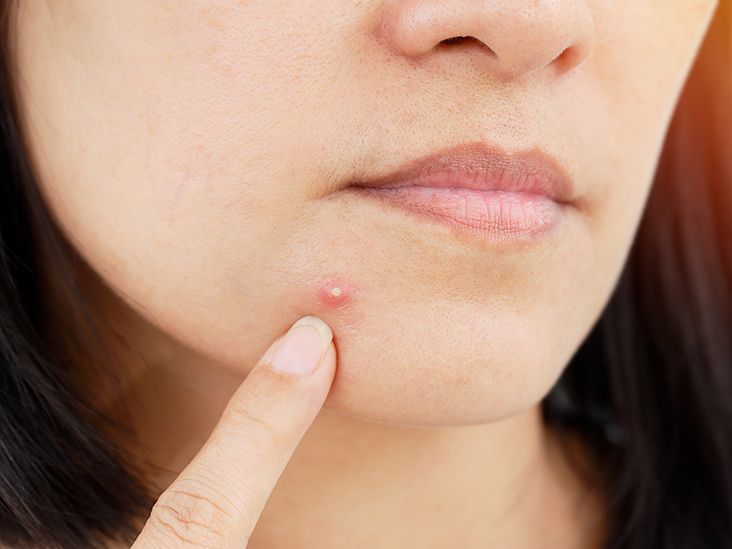
Acne develops when hair follicles become clogged with oil, dead skin cells, and debris. Inside that clogged pore, inflammation can build. In some cases, bacteria naturally found on the skin can contribute to the inflammatory process. The result may be a blackhead, whitehead, red bump, pustule, painful nodule, or cyst.
Small surface pimples may settle within a few days. Deep pimples, especially those under the skin, can hang around for weeks because the inflammation is happening below the surface. A deep acne bump is not being dramatic on purpose. It is simply operating from the basement instead of the lobby.
Persistent acne can also happen because new clogged pores form before old ones have fully healed. This can create the illusion that one pimple has been present forever, when in reality, it is a revolving door of neighboring breakouts.
Is It Still a Pimple, or Is It Something Else?
Not every bump that stays on your face is active acne. Before changing your entire skin care routine, it helps to identify what you are actually seeing.
Post-Inflammatory Hyperpigmentation
A dark, red, brown, or purple spot may remain after the pimple itself is gone. This is called post-inflammatory hyperpigmentation. It is not active acne, but it can look like a stubborn breakout from across the bathroom mirror.
These marks are especially common in medium to dark skin tones and may fade slowly over several months. Picking, squeezing, scrubbing, and overusing harsh products can make them last longer.
Acne Scars
If the skin looks indented, raised, or permanently textured after acne heals, you may be dealing with acne scarring rather than an active pimple. Scars often need a dermatologist’s help and may respond to treatments such as chemical peels, microneedling, laser therapy, fillers, or prescription products.
Acne Look-Alikes
Rosacea, folliculitis, perioral dermatitis, ingrown hairs, and hidradenitis suppurativa can all create acne-like bumps. A rash around the mouth, tiny bumps that itch, painful lumps in the armpits or groin, or facial redness with flushing may point to something other than ordinary acne.
If a “pimple” repeatedly appears in the exact same place, bleeds, crusts, changes shape, or never seems to heal, it is worth getting evaluated by a dermatologist. Not every stubborn bump is dangerous, but every stubborn bump deserves an accurate diagnosis.
Common Causes of Pimples That Do Not Go Away
1. Hormonal Changes
Hormones are one of the biggest reasons acne can linger into adulthood. Hormonal acne often appears along the jawline, chin, neck, and lower cheeks. It may flare around menstrual periods, pregnancy, menopause, or times of high stress.
For some people, conditions such as polycystic ovary syndrome, also called PCOS, can contribute to deeper, slower-healing acne. Acne accompanied by irregular periods, increased facial hair, thinning scalp hair, or sudden weight changes should be discussed with a health care professional.
2. Using Too Many Acne Products
When acne is stubborn, the temptation is understandable: add another acid, another scrub, another mask, another serum, and perhaps a small volcanic eruption of hope.
Unfortunately, overdoing acne treatments can damage the skin barrier. Irritated skin may become dry, red, inflamed, and more likely to break out. Strong products can help, but only when used in a sensible routine.
Switching products every few days is another common problem. Acne treatments usually need several weeks of consistent use before you can judge whether they are helping.
3. Applying Treatment Only to Visible Pimples
Spot treatment can help with an individual bump, but acne medications often work best when applied in a thin layer across the areas where you usually break out. That is because many clogged pores are forming before you can see them.
If your forehead tends to break out, for example, applying treatment only to one visible pimple may be like mopping up one puddle while the faucet is still running.
4. Pore-Clogging Skin or Hair Products
Heavy oils, pomades, thick makeup, greasy sunscreens, and certain hair products can clog pores. Hair products are especially sneaky because they can trigger breakouts along the hairline, forehead, temples, and upper back.
Look for products labeled “non-comedogenic,” “oil-free,” or “won’t clog pores.” These labels are not magical force fields, but they can reduce the chance that a product will contribute to breakouts.
5. Sweat, Friction, and Tight Clothing
Helmets, masks, chin straps, sweaty workout clothes, tight sports bras, and backpack straps can all irritate the skin and trap sweat. This type of acne may appear along the jawline, shoulders, chest, back, or forehead.
Showering after exercise, changing out of sweaty clothing, and washing reusable gear regularly can help reduce friction-related breakouts.
6. Certain Medications
Some medications may contribute to acne-like eruptions. Examples can include corticosteroids, testosterone, lithium, and certain anti-seizure medications. Never stop a prescribed medication on your own, but mention persistent breakouts to the clinician who manages your treatment.
7. Stress and Lifestyle Changes
Stress does not directly create acne from thin air, but it can make existing acne worse. Poor sleep, major life changes, illness, exams, work pressure, and emotional stress can all influence inflammation and skin habits.
Diet is more complicated. Greasy food does not automatically cause acne, despite decades of pizza-related accusations. However, some people notice flares related to high-glycemic foods, dairy products, or whey protein. A food diary may help identify personal patterns without turning every meal into a court case.
How to Treat Pimples That Will Not Go Away
The best acne treatment depends on the type of acne you have, your skin sensitivity, whether you are pregnant or breastfeeding, and whether you are dealing with blackheads, inflamed pimples, deep cysts, or dark marks.
For mild to moderate acne, a simple and consistent routine is usually more helpful than a crowded bathroom shelf.
A Basic Acne Routine
Morning
- Wash with a gentle, fragrance-free cleanser.
- Use a treatment product if recommended for your skin type.
- Apply a non-comedogenic moisturizer.
- Finish with broad-spectrum sunscreen, ideally SPF 30 or higher.
Evening
- Cleanse gently to remove sunscreen, makeup, sweat, and excess oil.
- Apply your acne treatment in a thin layer to acne-prone areas.
- Use moisturizer to reduce dryness and irritation.
Over-the-Counter Ingredients That May Help
Benzoyl peroxide: This ingredient helps reduce acne-causing bacteria and inflammation. It can be useful for red pimples and pustules. It may dry the skin and bleach towels, pillowcases, and shirts, so treat it like a small but powerful laundry villain.
Salicylic acid: This beta hydroxy acid helps exfoliate inside pores and can be helpful for blackheads, whiteheads, and mild breakouts.
Adapalene: Adapalene is a retinoid-like medication that helps prevent clogged pores and can improve both inflammatory and non-inflammatory acne. It may cause dryness, peeling, or irritation at first. People who are pregnant, trying to conceive, or breastfeeding should ask a clinician before using retinoid products.
Azelaic acid: This ingredient can help with acne, redness, and post-inflammatory dark marks. It may be a useful option for people who cannot tolerate stronger acne treatments.
Niacinamide: Niacinamide may help support the skin barrier and reduce irritation. It is not a stand-alone cure for severe acne, but it can be a helpful teammate in a gentle routine.
Prescription Treatments for Persistent Acne
If over-the-counter products are not enough, a dermatologist can build a more targeted plan. Prescription treatment may include topical retinoids, prescription-strength benzoyl peroxide combinations, topical antibiotics, oral antibiotics, hormonal treatment, or isotretinoin.
Topical Prescription Medications
Prescription retinoids such as tretinoin or tazarotene can help unclog pores and prevent future breakouts. Dermatologists may also prescribe topical antibiotics, usually in combination with benzoyl peroxide to reduce the risk of antibiotic resistance.
Oral Antibiotics
Oral antibiotics may be used for moderate to severe inflammatory acne, especially when there are widespread red bumps or painful lesions. They are generally prescribed for a limited period rather than as a long-term solution.
Hormonal Treatment
For some women with hormonal acne, clinicians may recommend certain birth control pills or spironolactone. These treatments are not right for everyone, but they can be very effective when breakouts are tied to hormonal shifts.
Isotretinoin
Isotretinoin is a powerful oral medication used for severe, scarring, or treatment-resistant acne. It can be life-changing for some patients, but it requires close medical supervision because it has important risks and strict pregnancy-prevention requirements.
What Not to Do When You Have Stubborn Pimples
- Do not squeeze, pop, or dig at deep pimples.
- Do not scrub your face aggressively with brushes, rough towels, or exfoliating grains.
- Do not try a brand-new acne product every few days.
- Do not layer multiple strong acids and retinoids without a plan.
- Do not skip moisturizer because your skin is oily.
- Do not ignore acne that is causing scars, pain, or emotional distress.
Acne-prone skin still needs moisture. When the skin barrier becomes overly dry or irritated, it can become more reactive and more difficult to manage.
When to See a Dermatologist
You do not need “severe enough” acne to deserve professional care. Consider seeing a dermatologist when:
- Your acne has not improved after about two to three months of consistent over-the-counter treatment.
- You have painful cysts, nodules, or deep under-the-skin bumps.
- You are developing acne scars or long-lasting dark marks.
- Your breakouts appeared suddenly or became much worse as an adult.
- You suspect hormonal acne or PCOS.
- Your acne is affecting your confidence, relationships, work, school, or mental health.
- You are pregnant, trying to conceive, or breastfeeding and need acne treatment guidance.
There is no prize for suffering through acne alone. Dermatologists spend a great deal of time treating stubborn breakouts because stubborn breakouts are extremely common.
Experiences With Pimples That Do Not Go Away
The following are composite examples based on common acne experiences and are meant for education, not as individual medical advice.
The “I Tried Everything” Routine
One common experience involves someone who has a bathroom counter packed with acne products: a cleanser with acids, a scrub, toner pads, a clay mask, spot patches, a retinol serum, and three different acne creams. Their skin may feel tight, sting after washing, and still break out every week.
In many cases, the problem is not a lack of effort. It is too much effort pointed in too many directions. When the routine is simplified to a gentle cleanser, one proven acne treatment, moisturizer, and sunscreen, the skin often becomes less irritated. That does not mean acne vanishes overnight, but it gives the treatment a fair chance to work.
The Jawline Breakout That Keeps Coming Back
Another common story is the recurring chin or jawline pimple. It appears before a period, fades slowly, and returns the next month as though it has a standing reservation. These breakouts may be deeper, more tender, and more likely to leave dark marks.
People with this pattern often discover that random spot treatment is not enough. A dermatologist may discuss a preventive topical routine, hormonal treatment options, or an evaluation for other symptoms that could point to a hormone-related issue.
The “Pimple” That Was Actually a Dark Mark
Many people assume they still have acne because they can see a flat dark spot in the mirror. But a flat mark is often leftover discoloration rather than a living, breathing, pore-clogging menace.
This distinction matters because treating dark marks with harsh acne products can create more irritation and prolong discoloration. Gentle skin care, daily sunscreen, and ingredients such as azelaic acid or dermatologist-recommended pigment treatments may be more useful than repeatedly attacking the area with drying spot treatments.
The Deep Pimple Before an Important Event
There is a special type of emotional damage caused by a giant, painful pimple appearing before a wedding, interview, vacation, graduation, or reunion. Deep acne lesions usually cannot be safely squeezed, and trying to force them out can lead to more swelling, infection, and scarring.
For a large, painful acne cyst, a dermatologist may sometimes provide an in-office treatment to reduce inflammation more quickly. This is one reason it can help to establish care with a dermatologist before a skin emergency decides to schedule itself.
The Long-Term Lesson
The most useful lesson people often learn from persistent acne is that progress is usually gradual. Acne treatment is less like pressing a light switch and more like training a stubborn houseplant: consistency matters, overreacting can make things worse, and it takes time to see whether the plan is working.
Clearer skin is possible for many people, but the route may involve simplifying your routine, choosing evidence-based ingredients, addressing hormonal factors, and getting medical help before scars become permanent.
Conclusion
Pimples that do not go away are frustrating, but they are not a personal failure or proof that you are doing everything wrong. Persistent acne can be caused by hormones, clogged pores, irritating skin care habits, medications, friction, stress, or a condition that is not acne at all.
Start with a gentle, consistent routine and give acne treatments enough time to work. Avoid picking and product-hopping. If your pimples are deep, painful, scarring, recurring, or resistant to over-the-counter care, a dermatologist can help identify the real cause and create a treatment plan that fits your skin.
Note: This article is for general educational purposes and does not replace medical advice from a licensed health care professional. Seek prompt medical care for severe swelling, signs of infection, sudden widespread rash, or acne that causes significant pain or scarring.