Beauty has been boxed, filtered, airbrushed, retouched, labeled, judged, sold in jars, and occasionally hidden behind a ring light so bright it could signal passing aircraft. Yet every so often, a photographer comes along and quietly reminds us that beauty was never waiting inside a trend report. It has always been walking around in ordinary streets, wearing traditional jewelry, laughing in markets, standing in doorways, carrying family stories, speaking in accents, and looking exactly like itself.
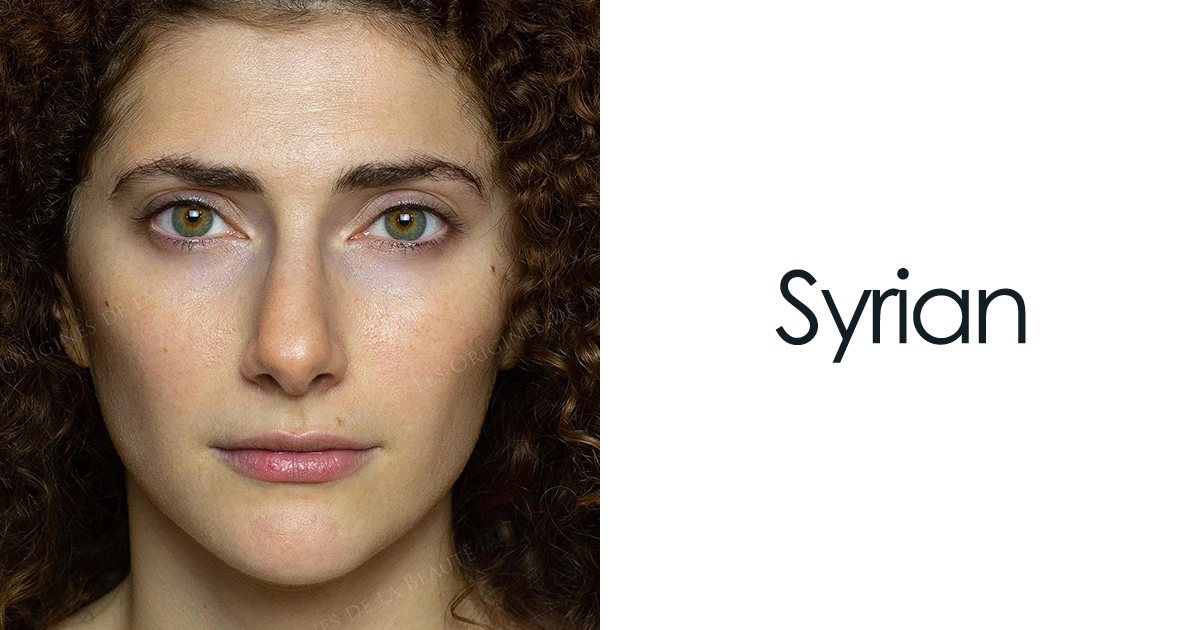
That is the magnetic pull behind “The Ethnic Origins of Beauty,” a long-running portrait project by Russian photojournalist and producer Natalia Ivanova. Through carefully composed portraits of women from different ethnic groups around the world, the project argues something both simple and surprisingly radical: beauty knows no nationality. It does not belong to one country, one skin tone, one face shape, one hairstyle, one passport, or one algorithm-approved version of perfection.
The latest collection of 18 new portraits of women from around the world continues that mission. Each image is more than a face in a frame. It is a visual introduction to heritage, identity, language, memory, clothing, and cultural pride. The result is not a beauty contest. Thankfully, nobody is standing under fluorescent lights waiting for a judge with a clipboard. Instead, the portraits form a quiet global conversation about what happens when women are seen as whole people, not as stereotypes, trends, or decorative proof of “diversity.”
What Is “The Ethnic Origins of Beauty”?
“The Ethnic Origins of Beauty”, also known by its French title Les Origines de la Beauté, is a photographic and documentary project focused on showing the ethnic diversity of humanity through portraits of women. Ivanova’s work features women from many ethnic backgrounds, often paired with information about their cultures, traditions, and personal histories.
At its core, the project asks viewers to slow down. That matters. In the age of endless scrolling, we often look at faces the way we look at weather notifications: quickly, distractedly, and with one thumb already preparing to move on. Ivanova’s portraits resist that habit. They invite us to study details: the confidence of a gaze, the curve of a smile, the design of a garment, the dignity of posture, the quiet relationship between a person and her cultural roots.
The project is especially powerful because it does not flatten difference into a vague “we are all the same” slogan. We are not all the same, and that is the point. People come from distinct communities, histories, landscapes, religions, languages, and family traditions. The beauty of humanity is not a plain gray sweater labeled “universal.” It is a mosaic, and every piece matters.
Why These 18 New Portraits Matter
The phrase “18 new pics” may sound like casual internet packaging, but the subject behind it is far deeper than another gallery to click through during a coffee break. These portraits matter because they challenge the narrow visual diet that many people consume every day.
For decades, mainstream beauty imagery has often promoted a limited ideal: young, thin, polished, symmetrical, fashionable, and frequently Eurocentric. Social media did not invent that standard, but it gave it turbo boosters, a vanity mirror, and a comments section. Now, people can compare themselves to edited images from every corner of the planet before breakfast. That is not exactly a relaxing way to start the day.
Projects like Ivanova’s offer a different kind of visual experience. Instead of asking women to fit into one global mold, the portraits show how beauty changes from place to place and person to person. A woman may wear traditional clothing from her ethnic community. Another may appear in a simple modern outfit. One portrait may emphasize elaborate jewelry; another may rely on the strength of the subject’s expression. Together, they make a persuasive case: there is no single headquarters of beauty. No nation owns it. No industry gets final approval.
Beauty Without Borders: The Real Message Behind the Project
The title’s strongest idea is also its most important SEO keyword: beauty knows no nationality. That phrase works because it pushes back against a quiet assumption many people absorb without realizing it: that some places produce “classic beauty,” while others produce “exotic beauty.” The first label is treated as normal; the second as decorative, foreign, or surprising. Ivanova’s portraits disrupt that hierarchy.
When viewers see women from Persian, Lezgin, Haitian, Ossetian, Nuer, Veps, and other backgrounds, they are not looking at “types.” They are looking at individuals. That distinction is everything. Ethical portrait photography does not turn a person into a museum specimen. It creates space for recognition. The best portrait says, “Here is someone with a life beyond this frame.”
That is why the project connects so strongly with modern discussions about representation. People want to see more than one face of beauty. They want media that reflects the world as it actually exists: layered, mixed, colorful, complicated, and wonderfully resistant to being sorted into neat little boxes.
The Art of Portrait Photography: More Than a Pretty Face
Portrait photography looks easy until you try it. Then suddenly your subject blinks, the light starts behaving like a moody cat, and your camera captures the exact half-second when everyone looks mildly concerned. But great portraiture is not just about technical skill. It is about trust.
In a project focused on women from many ethnic groups, trust becomes even more important. A photographer must think about consent, context, dignity, and the power dynamic between the person behind the camera and the person in front of it. The subject is not a prop. Her culture is not a costume closet. Her face is not raw material for someone else’s artistic brand.
Ivanova’s project stands out because it connects portraiture with cultural storytelling. Viewers are encouraged to think about where each woman comes from and what her heritage represents. The portraits are visually polished, but they also point beyond aesthetics. They ask questions: What do we notice first? What assumptions do we bring? How do clothing, hair, jewelry, and expression communicate identity? And why have so many beauty standards ignored this much variety for so long?
Lighting, Expression, and Cultural Detail
A compelling portrait often depends on small choices. Soft lighting can make a face feel intimate and timeless. A direct gaze can create emotional immediacy. Traditional clothing or jewelry can add cultural context, but only when presented respectfully. Backgrounds, color palettes, and framing can help viewers focus without turning the subject into a stereotype.
In these global portraits of women, the strongest images are not the ones that shout. They are the ones that hold your attention quietly. They show confidence without performance. They suggest personal history without overexplaining it. They feel carefully made, not casually collected.
How the Project Challenges Modern Beauty Standards
Modern beauty standards often behave like an overbearing group chat: loud, repetitive, and weirdly convinced that everyone needs the same advice. Contour this. Smooth that. Shrink this. Lift that. Look effortless, but also spend three hours achieving the effect. Be natural, but not too natural. Be unique, but preferably in a way that already has 2.4 million likes.
Against that noise, portraits of women from all over the world offer a refreshing counterargument. They remind us that beauty is not only about youth, symmetry, skin texture, or trend compliance. It can come from presence, heritage, resilience, softness, strength, humor, and self-possession.
This matters because visual culture shapes how people see themselves. When women repeatedly encounter only one acceptable version of beauty, the message becomes painfully clear: adjust yourself or disappear. A project like “The Ethnic Origins of Beauty” says the opposite. It says visibility should expand, not shrink. It says the world is more interesting when more people are allowed to be seen as beautiful without translation.
Why Representation in Beauty Photography Still Matters
Some people may ask, “Do we really still need projects about diverse beauty?” The answer is yes, preferably in bold font. Representation still matters because images are not neutral. They teach. They influence memory, aspiration, belonging, and self-worth.
When a young woman sees someone who shares her features, complexion, hair texture, clothing tradition, or cultural background represented with dignity, it can interrupt the old lie that beauty lives somewhere else. It can make her feel less like an exception and more like part of the human story. That is not a small thing.
Representation also benefits viewers outside the culture being portrayed. It expands visual literacy. It helps people recognize that unfamiliar does not mean strange, lesser, or “other.” Sometimes unfamiliar simply means we have not been paying enough attention.
The Difference Between Celebration and Exoticization
Any project about ethnic beauty must walk carefully. There is a big difference between celebrating cultural diversity and exoticizing it. Celebration gives people dignity. Exoticization turns them into decoration. Celebration includes context. Exoticization relies on spectacle. Celebration allows individuality. Exoticization says, “Look how different they are,” and stops there.
The best global portrait projects avoid reducing women to symbols of ethnicity. A woman can represent heritage and still be more than heritage. She can wear traditional dress and still have modern dreams, ordinary worries, favorite songs, messy mornings, and opinions about terrible coffee. Culture is not a glass case; it is lived experience.
That is why storytelling matters. When portraits are paired with interviews or cultural notes, viewers receive more than visual impact. They receive an invitation to learn. The subject becomes not just someone to look at, but someone to listen to.
Global Beauty Is Local First
One of the most interesting lessons in international portrait photography is that global beauty does not begin globally. It begins locally. It begins with a person’s neighborhood, family, language, climate, rituals, and community. A hairstyle may carry history. A necklace may point to ancestry. A woven garment may reflect regional craftsmanship. A facial expression may hold the confidence of someone who knows exactly where she comes from.
That local specificity is what makes the portraits feel alive. They are not trying to create a bland international beauty brand. They are showing that identity is rooted, and rooted things can still speak to the whole world.
In that sense, the project’s message is not “beauty is the same everywhere.” It is more nuanced: beauty exists everywhere, but it does not have to look the same everywhere. That is a much better sentence and, frankly, a much better world.
What Viewers Can Learn From These Portraits
1. Beauty Is Not a Universal Checklist
There is no final checklist that determines who is beautiful. Different cultures value different features, styles, gestures, and forms of presentation. Even within one culture, people disagree. Beauty is personal, social, historical, and emotional all at once.
2. Identity Adds Depth to an Image
A portrait becomes richer when viewers understand something about the subject’s background. Ethnicity, language, family history, and cultural tradition can add layers of meaning. They do not define the entire person, but they help tell part of the story.
3. Diversity Is Not a Trend
Diversity is sometimes treated like a seasonal campaign, as if humanity suddenly becomes inclusive every spring and then quietly returns to business as usual. But the world has always been diverse. Good photography simply makes that reality harder to ignore.
4. Respect Is the Real Frame
No matter how beautiful a portrait looks, it fails if it strips dignity from the subject. Respectful photography considers consent, context, and how the image may be understood by audiences. A respectful frame is not only visual; it is ethical.
Why This Project Feels So Shareable
There is a reason collections like this travel quickly online. They offer the internet something it badly needs: wonder without cruelty. Instead of inviting people to mock, rank, compare, or argue over who wore what better, the portraits invite admiration. They are easy to share because the message is generous.
They also satisfy a deep curiosity. People love seeing how others live, dress, express themselves, and carry history. When done responsibly, that curiosity can become empathy. It can turn a quick scroll into a small act of attention. And attention, in a distracted world, is practically a luxury good.
Experiences Related to the Topic: Seeing Beauty Across Cultures
Anyone who has traveled, lived in a multicultural city, studied abroad, attended an international festival, or simply spent time listening to people from different backgrounds knows that beauty changes when you stop looking for sameness. The first experience is often surprise. You may notice a style of dress you have never seen before, a way of braiding hair that carries family tradition, a color combination that would never appear in your local shopping mall, or jewelry that communicates age, status, celebration, or belonging.
Then comes the second experience: recognition. At some point, difference stops feeling distant. You begin to see familiar emotions in unfamiliar settings. A shy smile before a camera. A grandmother adjusting a scarf. A young woman standing a little taller because she knows she looks good. A friend laughing because posing seriously for too long feels ridiculous. Across cultures, people still want to be seen kindly. They still want their dignity protected. They still want photographs that their families will not roast in the group chat for the next seven years.
For photographers, projects like this offer practical lessons. The first is patience. A meaningful portrait rarely happens when the photographer rushes in, grabs an image, and leaves. The subject needs time to feel comfortable. The photographer needs time to observe. The best expression may arrive after conversation, after laughter, or after the subject forgets to “perform” for the camera.
The second lesson is humility. Photographing someone from another culture requires more than curiosity. It requires the willingness to admit what you do not know. Ask before assuming. Learn before labeling. Do not treat traditional clothing as a fashion accessory without understanding its meaning. Do not ask people to become more “authentic” for your camera, as if authenticity is a costume they can put on between shots.
The third lesson is collaboration. A strong portrait is not stolen; it is made together. The subject contributes expression, posture, mood, and self-presentation. The photographer contributes framing, light, timing, and care. When that collaboration works, the final image feels alive because it contains consent and presence, not just technique.
For viewers, the experience is different but equally important. Looking at portraits of women from all over the world can challenge the mental shortcuts we carry. Maybe we realize we have associated beauty with only a few places. Maybe we notice that our idea of “natural beauty” is actually shaped by media habits. Maybe we understand that cultural pride can be elegant, powerful, playful, or understated. Maybe we simply enjoy the pleasure of seeing human variety without needing to rank it.
That may be the most meaningful experience of all: learning to look without reducing. A woman in a portrait is not “just” her nationality, ethnicity, clothing, or face. She is a person, and the photograph is one doorway into a much larger life. When photography remembers that, it becomes more than visual content. It becomes a form of respect.
Conclusion: Beauty Has No Passport Control
“Photographer Shares Portraits Of Women From All Over The World To Prove That Beauty Knows No Nationality (18 New Pics)” is more than an eye-catching title. It captures an idea that deserves repeating: beauty is not restricted by borders. It does not stand in line at customs. It does not need a visa, a brand deal, or permission from the latest trend cycle.
Natalia Ivanova’s portraits remind us that the world is full of faces shaped by culture, ancestry, personality, and lived experience. They encourage viewers to replace narrow standards with wider attention. They show that beauty can be traditional or modern, bold or quiet, familiar or new to us. Most importantly, they prove that when women are photographed with dignity, the result is not just beautiful. It is human.
In a digital culture that often pressures people to look more alike, these portraits make a better argument: stay specific, stay rooted, stay real. The world does not need one definition of beauty. It needs more eyes willing to see the many definitions already here.
SEO Tags
Note: This article is written as an original, web-ready synthesis based on real public information about global portrait photography, women’s representation, cultural diversity, and ethical storytelling.