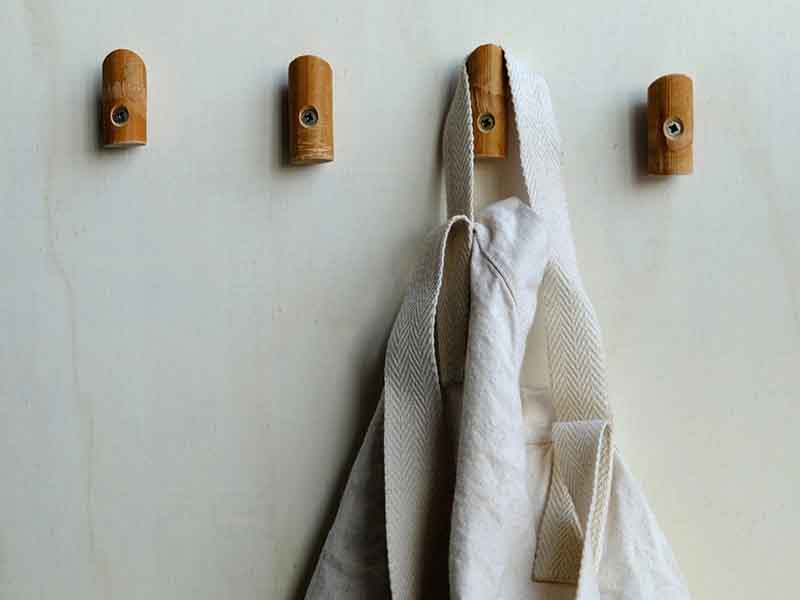
Manamana Lima x Marc Morro is the kind of object that quietly changes how a home feels. At first glance, it is simple: a set of rattan wall hooks designed by Barcelona-based furniture designer Marc Morro for Dora Daar. No shiny gimmicks. No complicated “smart home” buttons. No app asking for your location just so you can hang a tote bag. Just rattan, wall, object, use.
And yet, that simplicity is exactly why this small design piece deserves attention. In a world where home accessories often try too hard to be “iconic,” Manamana Lima feels refreshingly direct. It is made to hang things around the kitchen, entryway, bedroom, studio, or wherever life tends to drop its daily clutter. The hooks come in packs of three or six, and each piece is cut in a way that gives it a natural, individual character. Translation: your wall will not look like it was organized by a robot with a clipboard.
This article explores what makes Manamana Lima x Marc Morro special, how it fits into slow design, why rattan matters, and how a small hook can become a surprisingly big statement in modern interiors.
What Is Manamana Lima x Marc Morro?
Manamana Lima x Marc Morro refers to a set of rattan hooks designed by Marc Morro and sold through Dora Daar, a design studio and shop known for thoughtful, handmade, soulful home objects. The product is designed for easy wall installation and can be used to hang everyday items such as kitchen cloths, aprons, bags, baskets, hats, towels, or light accessories.
The hooks are not flashy. That is the point. They belong to a design world where usefulness is not treated as boring. Instead, function becomes the whole personality. Each hook is made from rattan, a natural material appreciated for being lightweight, flexible, and visually warm. The result is a small piece of hardware that feels more like a friendly domestic companion than a cold storage solution.
Who Is Marc Morro?
Marc Morro is a furniture designer from Mallorca, based in Barcelona. His work is often described through words like honesty, simplicity, clear construction, and material logic. That may sound like design-school poetry, but in practice it means something very down-to-earth: Morro likes objects that clearly show what they are and how they work.
He is interested in direct solutions. A chair should act like a chair. A table should behave like a table. A hook, naturally, should hook things. There is no need to dress it up in unnecessary drama. In many of Morro’s projects, screws, joints, materials, and structures are allowed to remain visible. Instead of hiding construction, he lets it speak. It is design with its sleeves rolled up.
That philosophy is easy to see in Manamana Lima. The product does not pretend to be a sculpture, though it has sculptural charm. It does not pretend to be a luxury statement, though it feels considered. It simply does its job with warmth, confidence, and a small wink of personality.
Why Dora Daar Is the Right Home for This Object
Dora Daar is associated with slow design, handmade goods, and objects that carry a sense of place and human touch. Its catalog favors pieces that feel intentional rather than mass-produced. Manamana Lima fits neatly into that world because it is humble, useful, and tactile.
The collaboration between Dora Daar and Marc Morro feels natural because both share an appreciation for objects that are not overexplained. Dora Daar’s broader design language leans toward craft, sustainability, and emotional warmth. Morro’s design language leans toward clarity, utility, and material honesty. Put those together, and you get a rattan hook that seems almost too simpleuntil you imagine your kitchen wall without it.
The Beauty of Rattan in Modern Home Design
Rattan has made a strong comeback in interior design, and for good reason. It brings texture without heaviness. It warms up a clean room without making it feel rustic in the “grandpa’s fishing cabin” sense. It works in Mediterranean interiors, minimalist apartments, bohemian kitchens, beach houses, and even very polished urban homes that need one natural detail to stop looking like a showroom where nobody is allowed to sneeze.
As a material, rattan is flexible, lightweight, and strong enough for many furniture and decor uses. It is also visually approachable. Unlike metal hardware, which can feel industrial, or plastic hooks, which often feel temporary, rattan has a softer presence. It looks like it belongs near linen, terracotta, wood, ceramic, stone, and other natural materials.
In Manamana Lima, rattan is not used as decoration added after the fact. It is the object. The hook’s natural tone, texture, and slight irregularity become the design language. This makes each piece feel individual, almost like a tiny branch that volunteered for domestic duty.
Design Analysis: Why the Hook Works
1. It Solves a Real Problem
Good design often begins with a small annoyance. Where do you put the apron after cooking? Where does the market bag go? Why is the dish towel always on the oven handle like it pays rent there? Manamana Lima answers these questions with a simple wall-mounted solution.
Because the hooks can be installed in multiples, they create a flexible organizing system. Three hooks might work beside a kitchen counter. Six could form a casual rail-like arrangement in an entryway. A single group near a pantry could hold produce bags, small baskets, or utensils with loops.
2. It Adds Texture Without Clutter
Many storage products solve one problem while creating another: visual noise. A bulky coat rack may hold everything, but it can also make a small entryway look like a winter clothing explosion. Manamana Lima offers a lighter approach. Its natural rattan texture adds interest, but the form stays minimal.
3. It Feels Human
The slight irregularity of natural rattan is part of the appeal. Perfect sameness can be useful, but it can also feel sterile. Manamana Lima has the quiet charm of something made with attention rather than stamped out without a second thought.
4. It Encourages Everyday Rituals
A hook is not just a hook. It can become part of a routine. Hang the apron after cooking. Place the tote by the door before market day. Keep the dog leash ready. Store a small basket for keys or cloth napkins. The object gently trains the home to behave better. No lecture required.
Where to Use Manamana Lima x Marc Morro
In the Kitchen
The kitchen may be the most natural place for these hooks. Use them for aprons, dish towels, lightweight baskets, reusable produce bags, or wooden utensils. Rattan pairs beautifully with ceramic plates, terracotta pots, butcher-block counters, and open shelving.
In the Entryway
In a small entryway, wall hooks are heroes wearing tiny capes. Manamana Lima can hold lightweight bags, scarves, hats, or a basket for keys. Because the design feels warm and informal, it makes the entrance feel welcoming rather than purely functional.
In the Bathroom
Used carefully and away from constant moisture, the hooks can add natural texture to a bathroom. They can hold a hand towel, bath brush, or linen pouch. Just remember that natural rattan prefers ventilation. It is charming, not invincible.
In a Studio or Workspace
Creative spaces attract beautiful chaos. A few rattan hooks can hold headphones, canvas bags, measuring tapes, sample swatches, or lightweight tools. The organic shape softens the mood of a work area and keeps useful objects visible.
How to Style Manamana Lima x Marc Morro
One of the easiest ways to style these hooks is to avoid overthinking them. They look best when they feel casually useful. Still, a few simple rules help.
First, install them with breathing room. The negative space around each hook matters. If the wall is too crowded, the natural shape gets lost. Second, hang objects that suit the material: linen, cotton, straw, canvas, light leather, or small woven baskets. Third, repeat the rattan tone elsewhere in the room, perhaps through a basket, chair, pendant lamp, or tray. This makes the hooks feel intentional rather than random.
If your home leans minimalist, use the hooks against a white, cream, or limewashed wall. If your style is warmer, pair them with ocher, olive, clay, or soft brown tones. If your kitchen is modern and sleek, the rattan adds a small rebellion against too much polish. Every room needs at least one thing that looks like it has met sunshine.
Slow Design and the Power of Small Objects
Slow design is not only about large furniture or expensive heirloom pieces. Sometimes it shows up in the smallest household objects. A hook, a shelf, a plate, a bag, a candleholderthese are the things we touch daily. When they are made thoughtfully, they can shift how we experience ordinary routines.
Manamana Lima x Marc Morro reflects several slow-design values: natural material, visible simplicity, practical use, and emotional durability. It is not trying to chase a trend that will expire next season. It is built around an old human need: putting things somewhere sensible.
That may sound modest, but modesty can be powerful. The best home objects do not scream for attention every time you walk into the room. They quietly make life easier. Then one day you realize you have used them 400 times and would be weirdly upset if they disappeared.
Why This Product Appeals to Design Lovers
Design lovers often appreciate objects that compress a big idea into a small form. Manamana Lima does exactly that. It brings together rattan, craft, storage, natural texture, Mediterranean warmth, and Marc Morro’s stripped-back design philosophy in one practical object.
It also appeals because it is approachable. Many designer pieces require a serious budget, a large room, or a brave conversation with your bank account. A set of hooks is different. It offers a way to bring thoughtful design into everyday life without redesigning the entire house or pretending you suddenly live inside an architecture magazine.
Buying Considerations Before You Install
Before choosing Manamana Lima x Marc Morro, think about what you want to hang. These hooks are best suited for lighter everyday objects rather than heavy coats, overloaded backpacks, or cast-iron cookware. They are beautiful and practical, but they are not trying to become a gym machine.
Also consider placement. Install them where they will be used naturally. A hook placed too far from the door will not hold keys. A kitchen hook hidden behind a cabinet will become decorative archaeology. Put them where your habits already happen, then let the hooks improve those habits.
Finally, embrace variation. Because rattan is a natural material, slight differences in tone and shape are not flaws. They are the reason the object has life.
Experience Notes: Living With Manamana Lima x Marc Morro
The first thing you notice about a product like Manamana Lima is not the design theory. It is the moment you stop throwing your kitchen towel over the nearest chair. That is the quiet magic of a good hook. It does not ask for admiration. It simply stands there, ready to help, like a very polite friend who never says, “I told you so.”
In a kitchen, the hooks create a small rhythm. One holds an apron. Another holds a market tote. A third holds a little basket with garlic or cloth napkins. Suddenly, the wall is working. Not loudly, not dramatically, but usefully. The space feels more lived-in and less like a surface waiting for clutter to happen. The rattan brings a natural softness that works especially well beside wood cutting boards, ceramic bowls, linen towels, and other materials that age gracefully.
In an entryway, the experience is different but equally satisfying. A few hooks near the door can turn a chaotic drop zone into a small ritual station. Bag here. Hat there. Keys in the tiny basket. Dog leash ready. Life still has mess, of course; no rattan hook can fix your inbox or make Monday charming. But it can reduce one tiny point of friction, and homes are made better by dozens of tiny improvements like that.
What makes Manamana Lima pleasant over time is that it does not feel too designed. Some objects demand that the room adapt around them. These hooks are more generous. They fit into the mood of a space, whether the home is minimal, rustic, Mediterranean, Scandinavian-inspired, or comfortably eclectic. They have enough personality to be noticed but not so much personality that they start competing with the chairs.
There is also something emotionally useful about natural materials in high-touch areas. Plastic can be practical, metal can be strong, but rattan feels warm. When you hang a linen bag or towel from it, the combination makes sense. It feels domestic in the best meaning of the word: ordinary, useful, and quietly beautiful.
The best experience comes from using the hooks honestly. Do not style them only for photos. Let them hold real things. Let one be slightly empty. Let another carry the bag you use every Saturday. Let the wall evolve. Over time, the hooks become less like accessories and more like part of the household choreography. That is where Manamana Lima x Marc Morro succeeds. It turns a small acthanging something upinto a tiny improvement in how a home works and feels.
Conclusion
Manamana Lima x Marc Morro proves that thoughtful design does not need to be oversized, overcomplicated, or overhyped. Sometimes it can be as simple as a rattan hook on a wall. Designed by Marc Morro and offered through Dora Daar, this small object captures the appeal of slow design: honest material, clear function, human warmth, and everyday usefulness.
For homeowners, renters, stylists, and design lovers, Manamana Lima is more than a place to hang a towel. It is a reminder that the smallest details often shape how a space feels. A good hook will not change your entire life, but it may make your kitchen calmer, your entryway tidier, and your wall a little more charming. Honestly, that is more than many expensive objects manage to do.