A low taper fade is the haircut equivalent of a clean white sneaker: sharp, versatile, and somehow appropriate almost everywhere. It looks polished without screaming, “I spent my entire morning negotiating with a blow dryer.” Whether you want a professional cut for work, a modern style for weekends, or a fresh shape that makes your beard, curls, waves, or fringe look intentional, the low taper fade is one of the safest bets in men’s grooming.
But here is the tiny problem: walking into a barbershop and saying, “Just give me a low taper fade” can mean five different things depending on the barber, your hair texture, your neckline, and the photo you forgot to bring. One man’s low taper is another man’s almost-mid fade. One man’s “just a little off the top” is another man’s emergency hat purchase.
This guide breaks down exactly what a low taper fade is, how to ask your barber for it, which versions work best for different hair types, and how to style it without turning your bathroom counter into a small cosmetics warehouse.
What Is a Low Taper Fade?
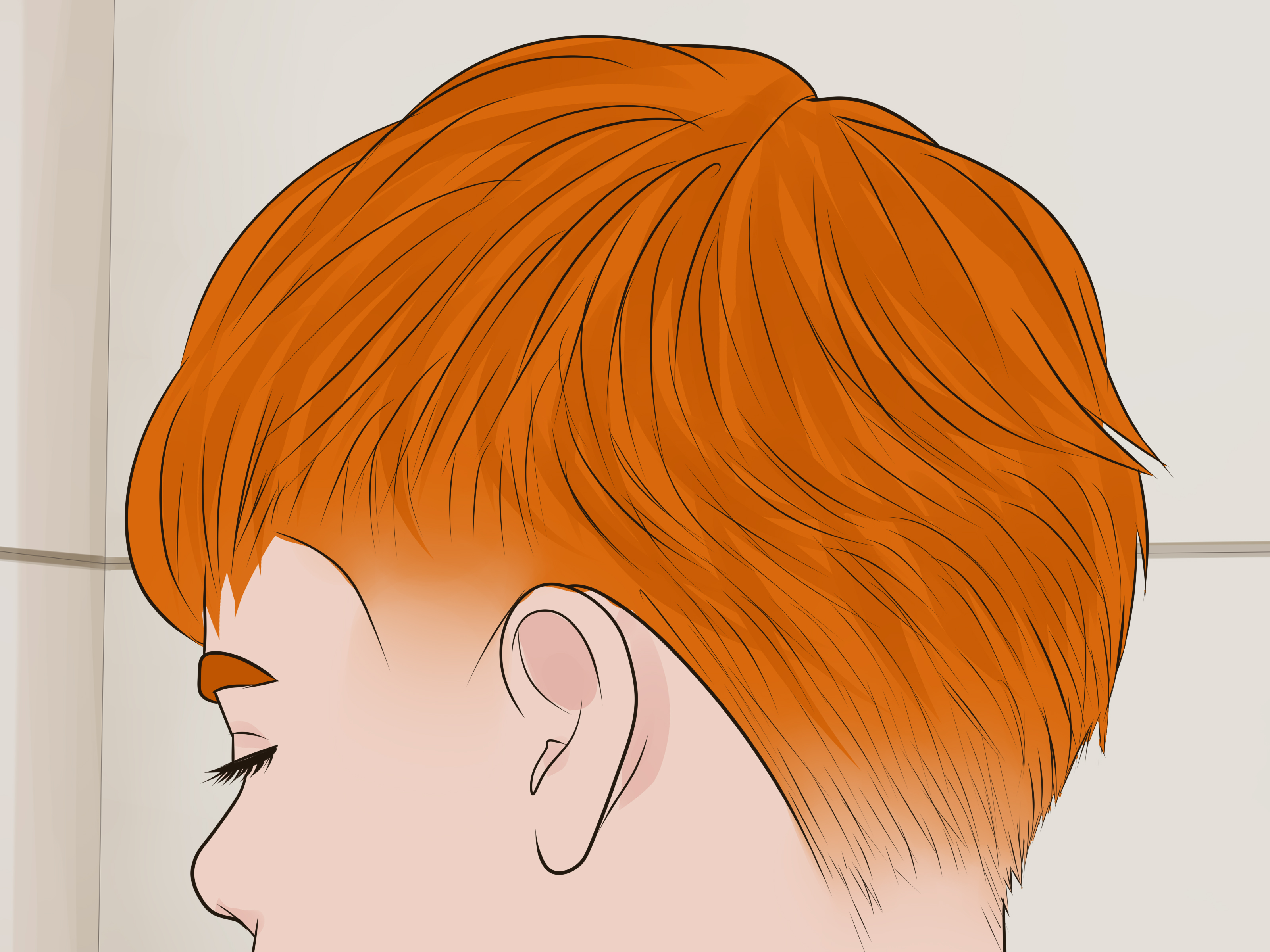
A low taper fade is a men’s haircut where the hair gradually gets shorter around the temples, sideburns, and neckline while keeping the fade low on the head. Unlike a high fade, which climbs dramatically up the sides, a low taper stays subtle. It cleans up the edges without removing too much weight from the sides and back.
The key word is low. The taper usually starts around the bottom of the sideburns and curves around the ear, then blends into the neckline. The result is neat, modern, and wearable for school, work, weddings, dates, gym selfies, and those mysterious errands where you somehow run into everyone you know.
Low Taper Fade vs. Low Fade: What’s the Difference?
A low taper fade and a low fade are related, but they are not always the same haircut. A taper usually focuses on the sideburns and neckline, leaving more hair on the sides. A fade often blends the hair shorter around a larger area of the head and may go down to the skin.
In everyday barbershop language, people often use the terms together. When someone asks for a low taper fade, they usually want a clean, gradual blend that starts low and keeps the overall haircut natural. It is less dramatic than a skin fade but sharper than a basic trim.
Why the Low Taper Fade Is So Popular
The low taper fade has become a favorite because it gives structure without making the haircut too aggressive. It sharpens the outline, reduces bulk around the ears, and gives the top of the hair more room to stand out.
It also works with almost every top style: textured fringe, curly hair, waves, afro-textured hair, side parts, slick backs, comb overs, buzz cuts, crop cuts, modern mullets, and even longer messy hairstyles. Basically, if your hair has a top and sides, a low taper fade is probably willing to cooperate.
Main Benefits of a Low Taper Fade
- It looks clean but not extreme. The fade stays low, so the haircut remains professional and easy to wear.
- It suits many face shapes. The clean sides can sharpen round faces, balance oval faces, and soften strong jawlines.
- It works with different hair textures. Straight, wavy, curly, coily, thick, and fine hair can all wear some version of it.
- It grows out better than higher fades. Because the blend is subtle, it usually looks less awkward between barber visits.
- It makes styling easier. With the edges cleaned up, the top style looks more intentional even when you do very little.
What to Ask a Barber for When Getting a Low Taper Fade
The best haircut starts before the clippers touch your head. Clear communication is everything. Your barber is talented, but not a mind reader with Wi-Fi access to your Pinterest board.
Use This Barber Script
Try saying:
“I want a low taper fade around the sideburns and neckline, kept low and natural. Please blend it smoothly into the sides, leave some weight above the ears, and keep the top at about [your preferred length]. I’d like the neckline clean but not pushed too high.”
That one sentence tells the barber four important things: where the fade should start, how low it should stay, how much side weight you want, and what should happen with the top.
Bring Reference Photos
A photo is the easiest way to avoid haircut disappointment. Bring one front view, one side view, and one back view if possible. The back matters because necklines can change the entire look. A rounded neckline, tapered neckline, or squared neckline can make the same haircut feel completely different.
Do not bring a photo of someone with wildly different hair and expect a photocopy. If your hair is fine and straight, a thick curly taper fade will not behave the same way. A good barber can adapt the inspiration to your actual hair instead of forcing your head into a fantasy league lineup.
Be Specific About Clipper Length
If you know your clipper guards, mention them. If not, describe the finish. For example:
- Skin taper: Very sharp and clean, faded down to skin at the lowest point.
- Number 0.5 or 1 taper: Short and neat but not completely bald.
- Natural taper: Soft, professional, and less dramatic.
If you are nervous, start conservative. You can always go shorter. You cannot put the hair back unless you own a time machine, and most barbershops are tragically understocked in those.
Tell Your Barber How You Style Your Hair
This is where many people go wrong. A haircut that looks great with 15 minutes of blow-drying may not look the same if your morning routine is “wake up, panic, leave.” Be honest about your styling habits.
Say something like:
“I usually spend about five minutes styling my hair. I want something that looks good with minimal product.”
Or:
“I don’t mind using a blow dryer and matte clay. I want volume and texture on top.”
This helps your barber shape the top correctly. The low taper fade is only half the haircut; the top is what gives it personality.
Best Low Taper Fade Styles for Men
Low Taper Fade with Textured Fringe
This is one of the most popular modern versions. The sides stay clean, while the top is pushed forward with texture. It works well for straight, wavy, and thick hair. Ask for choppy layers on top and a soft low taper around the temples and neckline.
Low Taper Fade with Curly Hair
A low taper fade is excellent for curly hair because it cleans up the edges without removing the natural shape. Ask your barber to preserve curl volume on top and avoid cutting the sides too high. A curl cream or light mousse can help define the curls without making them crunchy.
Low Taper Fade with Waves
For waves, the low taper keeps the hairline and neckline crisp while allowing the wave pattern to remain visible. Ask for a low taper that blends into the natural wave length. A line-up can add extra sharpness, but keep it natural if you prefer a softer look.
Low Taper Fade with Side Part
This version is polished and timeless. It is ideal for work, formal events, or anyone who enjoys looking like they read calendar invites before joining meetings. Ask for a clean low taper, a natural side part, and enough length on top to comb over neatly.
Low Taper Fade with Slick Back
A slick back with a low taper fade gives a classic style a modern edge. It works best with medium-length hair on top. Use a pomade for shine or a styling cream for a softer finish. Keep the taper low so the style does not become too disconnected.
Low Taper Fade with Buzz Cut
If you want something simple and sharp, pair a low taper fade with a buzz cut. It adds detail to a short haircut and keeps the neckline fresh. Ask for a buzz length that suits your head shape, then request a low taper at the sideburns and nape.
How to Style a Low Taper Fade at Home
The good news: the low taper fade is not hard to style. The bad news: your pillow may still have creative opinions overnight. A simple routine will keep the haircut looking fresh between barber visits.
Step 1: Start with Damp Hair
Most styles work best when your hair is slightly damp, not dripping wet. Towel-dry your hair until it is about 70% dry. This gives styling products something to grip without diluting them.
Step 2: Use the Right Product
Choose your product based on the finish you want:
- Matte clay: Best for textured, natural, messy, or modern styles.
- Pomade: Best for slick backs, side parts, and shiny classic looks.
- Styling cream: Best for soft control and natural movement.
- Sea salt spray: Best for volume, waves, and casual texture.
- Curl cream: Best for defining curls and reducing frizz.
- Texture powder: Best for fine hair that needs lift without heaviness.
Start with a small amount. A pea-sized scoop is enough for many short to medium styles. You can add more if needed, but using too much product can make the hair greasy, flat, or stiff. Nobody wants a low taper fade with a helmet top.
Step 3: Blow-Dry for Shape
If you want volume, use a blow dryer. Direct the hair where you want it to sit: forward for fringe, upward for volume, backward for a slicker look, or to the side for a classic part. Use your fingers for a casual finish or a brush for more control.
Step 4: Finish Lightly
Once the shape is set, add a small touch of clay, cream, or hairspray if needed. Keep the sides clean and avoid rubbing product into the faded area. The taper should look fresh, not shiny and overloaded.
Styling Tips by Hair Type
For Straight Hair
Straight hair can sometimes fall flat, so focus on texture and lift. Use sea salt spray before blow-drying, then finish with matte clay or texture powder. Ask your barber for light layering on top so the hair does not look like one solid sheet.
For Wavy Hair
Wavy hair looks great with a low taper fade because the clean edges contrast nicely with natural movement. Use a lightweight cream or sea salt spray. Avoid heavy pomades unless you want to flatten the waves.
For Curly Hair
Moisture matters. Use curl cream or leave-in conditioner to define curls. Ask your barber not to cut too much into the curl pattern on the sides. A low taper should frame the curls, not turn them into a top-only mushroom situation.
For Coily or Afro-Textured Hair
A low taper fade can look extremely sharp with coils, waves, twists, locs, or a short afro. Keep the taper low around the hairline and neckline. Use moisturizing products that support your texture, and consider a line-up if you like a crisp finish.
For Fine or Thinning Hair
Keep the top balanced. Too much length can separate and expose thin areas, while a very short fade can create harsh contrast. Ask for a soft low taper and lightweight texture on top. Matte products usually look fuller than shiny products because shine can emphasize scalp visibility.
How Often Should You Maintain a Low Taper Fade?
Most low taper fades look their sharpest for about two to three weeks. If you like a very crisp outline, schedule a barber visit every two weeks. If you prefer a softer grown-in look, every three to four weeks may be enough.
The neckline and sideburns usually show regrowth first. Some men use a trimmer at home to clean tiny stray hairs, but be careful. One confident wrong move can turn “quick cleanup” into “why is my neckline diagonal?”
Common Low Taper Fade Mistakes to Avoid
Asking for the Fade Too High
If you want a true low taper fade, make sure the blend stays low. A fade that climbs above the temple area can quickly become a mid fade. That may still look good, but it is a different vibe.
Ignoring the Top
The fade gets attention, but the top determines the overall style. Decide whether you want a fringe, crop, curls, comb over, slick back, or messy texture before you sit in the chair.
Using Too Much Product
More product does not mean more style. It often means less movement, less volume, and more forehead shine. Start small and build slowly.
Skipping Maintenance
A low taper fade grows out better than many dramatic fades, but it still needs upkeep. If you wait too long, the clean shape around the ears and neckline disappears.
Not Considering Your Lifestyle
A high-effort style may look amazing in the chair, but if you never style it, it will not look the same at home. Choose a version that matches your real routine.
What Face Shapes Suit a Low Taper Fade?
The low taper fade is flexible, but small adjustments can make it even better for your face shape.
Round Face
Keep more height on top to lengthen the face. A textured quiff, messy fringe with volume, or brushed-up style can help. Avoid making the sides too bulky.
Oval Face
Most low taper fade styles work well with an oval face. You can wear a fringe, side part, slick back, curls, or textured crop without much trouble.
Square Face
A low taper fade can highlight a strong jawline. Keep the edges clean and choose a top style that adds balance, such as a side part, textured crop, or soft waves.
Long Face
Avoid too much height on top. A textured fringe, crop, or medium-length style with controlled volume can prevent the face from looking longer.
Low Taper Fade and Beard Pairings
A low taper fade pairs well with facial hair because it creates a smooth transition from haircut to beard. Ask your barber to blend the sideburns into the beard instead of leaving a hard break. This small detail can make the entire style look more expensive, even if your grooming budget is currently arguing with your lunch budget.
For short beards, keep the cheek line clean and the neckline natural. For fuller beards, ask for a gradual beard fade that connects to the taper. If you have patchy facial hair, a low taper can still work; just keep the beard shorter and cleaner so the overall look feels intentional.
Real-Life Experience: What It Is Actually Like to Wear a Low Taper Fade
The first thing most people notice after getting a low taper fade is how clean the haircut feels without being too dramatic. You do not walk out looking like you joined a boy band overnight. Instead, you look like yourself after a software update: sharper, smoother, and slightly more confident when passing reflective windows.
One of the best experiences with this haircut is how easy it makes mornings. If the top is cut well, you can usually wet your hands, reshape the hair, add a small amount of product, and leave. For a textured fringe, a quick blast of sea salt spray and a fingertip mess-up can be enough. For a side part, a comb and a little styling cream can make the cut look office-ready in minutes. The low taper does a lot of visual work even when the top is casual.
Another practical benefit is that it grows out more gracefully than a higher skin fade. With a high fade, regrowth can show quickly because the contrast is bold. With a low taper fade, the grow-out is softer. The sideburns and neckline may lose sharpness after a couple of weeks, but the overall shape usually stays wearable. That makes it a good option for men who want a fresh look but do not want to live permanently inside a barbershop.
The barber experience also gets better once you learn the right language. The first time you ask for a low taper fade, bring photos and explain your routine. After one or two visits, your barber will understand your preferred height, neckline, and top length. That is when the haircut becomes easy. You sit down, say, “Same low taper, clean neckline, keep the top textured,” and suddenly you feel like a regular in a movie scene.
There are a few lessons learned the hard way. First, do not ask for “skin” unless you truly want the lowest part shaved down very close. A skin taper looks crisp, but it can feel more dramatic than expected, especially if you usually wear softer cuts. Second, do not let the taper climb too high if your goal is subtle. A low taper should whisper, not shout through a megaphone. Third, choose the top style based on your hair, not somebody else’s selfie lighting. A textured crop on thick hair and a textured crop on fine hair are cousins, not twins.
Product choice makes a big difference. Matte clay is excellent for messy texture, but too much can make hair stiff. Pomade is great for shine and control, but heavy oil-based products may feel greasy or clog the skin around the hairline for some people. Sea salt spray adds volume, but overusing it can make hair feel dry. The best routine is usually simple: one pre-styler, one finishing product, and enough restraint to avoid looking like you styled your hair with cake frosting.
The low taper fade also changes how the rest of your grooming looks. A beard appears cleaner when the sideburns blend smoothly. Glasses can look sharper because the hair around the temples is tidy. Even casual outfits seem more deliberate. A plain T-shirt, jeans, and a fresh low taper fade can say, “I tried,” without requiring you to actually try very hard.
For anyone getting this haircut before an event, the sweet spot is usually one to three days before. Same-day cuts can look a little too fresh if the line-up is sharp, while a few days of settling makes the blend look natural. For photos, use a light product that controls frizz but does not create shine under bright light. The goal is texture, not a reflective surface visible from space.
Overall, the low taper fade is one of those haircuts that earns its popularity. It is stylish without being risky, clean without being boring, and flexible enough to work with many personalities. Whether you are going for polished, athletic, creative, classic, or “I just want to stop looking tired,” it gives your hair structure and your face a cleaner frame. Not bad for a haircut that mostly happens around the ears and neckline.
Conclusion
The low taper fade is popular for a reason: it is clean, modern, adaptable, and easy to personalize. The secret to getting it right is communication. Tell your barber where you want the taper to start, how short you want it to go, how much length you want on top, and how you actually style your hair day to day.
For styling, keep things simple. Use matte clay for texture, pomade for polish, sea salt spray for volume, curl cream for definition, and lightweight products if your hair is fine. Maintain the cut every two to four weeks depending on how sharp you like it. Most importantly, choose a version that fits your face shape, hair texture, and real morning routine.
A good low taper fade should not make you feel like you are wearing someone else’s haircut. It should make your own style look cleaner, fresher, and easier to manage. That is the magic: subtle at first glance, impressive on closer inspection, and forgiving enough for real life.
SEO Tags
Note: This article is written in original standard American English and synthesizes current barbering, grooming, and men’s hairstyling guidance for web publication.