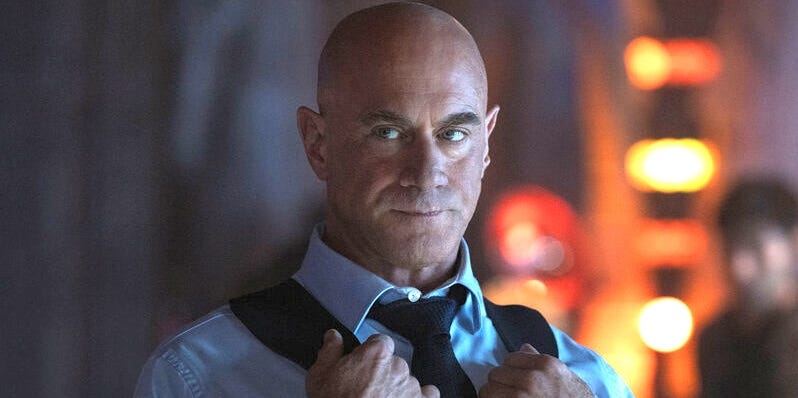
Law & Order: Organized Crime Season 5 did not arrive quietly. It kicked down the door, flashed a badge, moved to Peacock, brought Elliot Stabler back into dangerous territory, and gave longtime fans the kind of Benson-and-Stabler reunion that can make the internet behave like it just found evidence in a cold case.
For a franchise that has lived comfortably on broadcast television for decades, the fifth season of Law & Order: Organized Crime marked a major turning point. Instead of following the traditional NBC-only path, the Christopher Meloni-led spinoff shifted to a Peacock-first release. That move changed how fans watched the show, how the story was paced, and how the series leaned into darker, more serialized storytelling.
Season 5 also became more meaningful with time. It delivered emotional Stabler family drama, high-stakes organized crime cases, a memorable appearance from Mariska Hargitay as Olivia Benson, and a finale that now carries extra weight after the show’s cancellation following five seasons. In other words, this was not just another chapter. It was the kind of season that feels like a file marked “important,” stamped twice, and tossed onto the captain’s desk with dramatic music playing.
What Is the Epic Season 5 News?
The biggest news was simple but significant: Law & Order: Organized Crime Season 5 premiered on Peacock, giving the series a streaming-first home after its earlier run on NBC. The season launched on April 17, 2025, with the first two episodes available at premiere, followed by weekly episodes.
That streaming shift mattered. Organized Crime has always been the most serialized branch of the modern Law & Order universe. While SVU and the flagship Law & Order often build around case-of-the-week structures, Organized Crime thrives on long investigations, undercover work, family pressure, criminal networks, and the slow-burning question of whether Elliot Stabler can chase justice without becoming a human stress fracture.
Peacock gave Season 5 more room to feel like a gritty crime thriller. The result was a season that played with bigger arcs, deeper emotional consequences, and a more cinematic rhythm. It was still recognizably Law & Order, but with the lights dimmed, the stakes raised, and Stabler looking like he had not slept peacefully since roughly 2007.
Elliot Stabler Returns, and He Is Not Exactly on Vacation
Christopher Meloni returned as Detective Elliot Stabler, the character who first became a household name on Law & Order: Special Victims Unit. Stabler has always been one of television’s most intense detectives: loyal, stubborn, emotionally volcanic, and allergic to letting things go. Season 5 used all of that history to push him into another set of dangerous cases.
The season explored criminal worlds involving cross-border smuggling, high-tech domestic terrorism, and a crime family with personal reasons to target Stabler. That combination gave the show a wide canvas. It was not only about catching bad guys in expensive suits. It was about power, revenge, corruption, and the way organized crime adapts faster than most people update their phone software.
Stabler’s strength as a character is that he never feels detached from the case. When he investigates, he carries the weight of every victim, every family member, and every bad decision that has followed him through the franchise. Season 5 understood that. The cases were not just professional obstacles. They were emotional landmines.
The Peacock Move Gave Season 5 a Different Kind of Energy
Moving Law & Order: Organized Crime to Peacock was more than a platform change. It altered the viewing experience. Instead of waiting for a standard broadcast slot each week, fans could follow the season in a streaming environment where the show’s serialized nature felt more natural.
That matters because Organized Crime has never been a casual “fold laundry while someone confesses in the last five minutes” procedural. The show asks viewers to track alliances, betrayals, undercover identities, family trauma, and criminal operations that stretch across multiple episodes. Streaming makes that easier. Miss one detail on a flash drive or one suspicious glance from a crime boss, and suddenly you are rewinding like a detective reviewing surveillance footage.
Season 5 benefited from that rhythm. It could build pressure gradually. It could let Stabler sit inside a dangerous undercover situation. It could give supporting characters more room to matter. Most importantly, it could reward fans who enjoy a season that feels like one long investigation rather than a stack of separate cases.
Benson and Stabler Reunite, and Fans Definitely Noticed
One of the most talked-about parts of Season 5 was the return of Mariska Hargitay as Captain Olivia Benson. Any time Benson and Stabler share the screen, the Law & Order fandom reacts with the seriousness of a federal hearing and the emotional control of someone watching a wedding toast after three espressos.
The Benson-Stabler connection remains one of the franchise’s strongest emotional engines. Their partnership began on SVU, where years of trust, conflict, loyalty, and unspoken feelings created one of television’s most enduring dynamics. Organized Crime Season 5 used that history carefully. Benson’s appearance was not just a nostalgia button. It reminded viewers that Stabler’s life is bigger than the OCCB and that his past still shapes his present.
For SEO-minded fans searching for Benson and Stabler Season 5, this reunion is the headline within the headline. It gave the Peacock season extra emotional charge and kept the larger Law & Order universe connected even as Organized Crime moved into its own streaming lane.
Season 5 Cast: Familiar Faces and Heavy Hitters
The Law & Order: Organized Crime Season 5 cast brought back key players who helped define the show’s identity. Christopher Meloni led the season as Elliot Stabler, with Danielle Moné Truitt continuing as Ayanna Bell, one of the show’s strongest stabilizing forces. Ainsley Seiger returned as Jet Slootmaekers, whose tech skills often make her the person everyone needs when the case turns into a digital maze. Rick Gonzalez also returned as Bobby Reyes, a character built for undercover tension and fast-moving danger.
Dean Norris added weight as Randall Stabler, expanding the Stabler family drama that became increasingly important to the series. Ellen Burstyn’s presence as Bernadette Stabler gave the show an emotional foundation, especially because Stabler’s family life has always been a crucial part of understanding why he reacts the way he does.
The result was a cast that could handle both sides of the show: the tactical crime-fighting side and the messy, painful, deeply human side. That balance is why Organized Crime often feels different from other franchise entries. The criminals may be organized, but Stabler’s personal life usually looks like it was assembled during a thunderstorm.
Why Season 5 Felt More Personal Than Ever
Season 5 worked because it understood that Stabler is most compelling when the case gets personal. That does not mean every episode needs to turn into a family therapy session with surveillance equipment. It means the show is strongest when Stabler’s professional mission collides with his private wounds.
The later episodes pushed that idea hard. The death of Joe Jr. became one of the season’s defining emotional blows. It forced Stabler into a familiar but dangerous place: the line between justice and revenge. When a detective has spent years fighting violent criminals, the temptation to settle a score can become frighteningly close to the desire to solve a case.
The Season 5 finale, “He Was a Stabler,” leaned directly into that conflict. Stabler’s pursuit of Julian Emery was intense, personal, and morally loaded. Yet the finale ultimately gave Joe Jr. one final contribution through evidence that helped bring Emery down. That choice mattered. It prevented the ending from becoming only about revenge and instead tied the story back to the idea that justice, however bruised, still has to mean something.
Is Law & Order: Organized Crime Season 6 Happening?
Here is the part fans may not love: Law & Order: Organized Crime was canceled after five seasons. That means Season 5 now functions as the final season of the series. For viewers who followed Stabler from SVU to his own spinoff, that news landed hard.
The cancellation does not erase the impact of Season 5. In fact, it makes the season more important. What once looked like a bold streaming experiment now feels like the show’s closing chapter. The Peacock move, the Benson appearance, the Stabler family tragedy, and the finale all become part of the show’s final statement.
Could Elliot Stabler appear elsewhere in the Law & Order universe? That remains the question fans will keep asking until someone at NBC or Wolf Entertainment gives a definite answer. The franchise has a long history of crossovers, guest returns, and surprise appearances. Stabler may be out of Organized Crime, but in television, a badge is rarely retired forever unless the writers lock it in a vault and swallow the key.
What Season 5 Means for the Law & Order Franchise
Season 5 proved that the Law & Order brand can stretch beyond its classic format. The franchise is famous for structure: crime, investigation, legal consequences, closing scene, dun-dun. Organized Crime challenged that formula by embracing longer arcs and deeper character continuity.
That approach did not make it better or worse than the other shows. It made it different. For fans who love the procedural comfort of a cleanly wrapped case, Organized Crime could feel heavier. For fans who enjoy serialized thrillers, it offered a version of Law & Order with more shadow, more ambiguity, and more emotional fallout.
The fifth season, especially on Peacock, showed how franchise television can adapt to streaming habits. Viewers today often want shows they can binge, analyze, and discuss across social media. Organized Crime gave them that. It rewarded attention. It invited theories. It gave fans enough emotional material to keep comment sections busy long after the credits rolled.
Viewer Experience: Why Season 5 Sticks With Fans
Watching Law & Order: Organized Crime Season 5 feels less like dropping into a standard police procedural and more like stepping into an ongoing storm. The first thing that stands out is the mood. The show has always been darker than its franchise siblings, but Season 5 carries a special kind of tension. Every conversation seems to have a second meaning. Every criminal connection feels like one thread in a much larger web. Even quiet scenes have the uneasy feeling that someone, somewhere, is about to make a terrible decision.
For longtime viewers, the biggest emotional hook is Stabler himself. He is not a shiny hero who floats above the damage. He is damaged. That is the point. Season 5 makes you feel the cost of his work. When he goes undercover, you worry not just about whether he will be exposed, but whether another piece of him will be lost in the process. Meloni plays Stabler with a physical intensity that makes even silence feel active. He can stand still in a room and somehow look like he is arguing with three ghosts and a police report.
The Benson appearance adds another layer to that experience. Fans do not need a long speech to understand what Benson means to Stabler. Their history is already baked into the franchise. When they share screen time, the show instantly becomes about more than the case. It becomes about trust, time, grief, loyalty, and all the things two people may understand without saying them directly. That is why their reunion in Season 5 feels so powerful. It is not just fan service. It is emotional shorthand built over decades.
Season 5 also works as a streaming watch because the episodes encourage momentum. After one episode ends, you want the next one immediately. Not in a cheap cliffhanger way, but because the story feels unresolved in the right way. The criminal plots are layered, but the emotional stakes are clear. Stabler wants justice. His team wants to stop powerful criminals. His family keeps pulling him back into painful reality. The audience sits in the middle, trying to decide whether to admire his determination or worry that someone should gently take his keys and make him drink water.
The finale is the kind of ending that becomes stronger after reflection. It does not turn Stabler into a superhero. It lets him face the ugliness of revenge and choose a path that still belongs to the law, even if the law arrives bruised and late. Joe Jr.’s final evidence gives the ending a bittersweet sense of purpose. It says that even in a world full of corruption and violence, truth can still surface. Sometimes it comes through testimony. Sometimes it comes through a flash drive. Television detectives should really back those up in three places, but we accept drama as part of the job.
For fans, the experience of Season 5 is now tied to the knowledge that it became the final chapter. That makes the season feel sharper. The Peacock move, the darker tone, the family tragedy, and the Benson-Stabler reunion all feel like pieces of a farewell the audience did not fully know it was watching. It is sad, yes, but also satisfying in a rough-edged way. Law & Order: Organized Crime may be over, but Season 5 gave viewers plenty to remember, debate, and revisit.
Conclusion
‘Law and Order: Organized Crime’ Has Epic Season 5 News is more than a catchy headline. Season 5 marked a major shift for the series, moving Elliot Stabler’s story to Peacock and giving fans a darker, more serialized final run. With Christopher Meloni back in full force, Mariska Hargitay’s Olivia Benson returning for a meaningful appearance, and the Stabler family drama reaching painful new heights, the season delivered exactly the kind of intensity fans expected.
The show’s cancellation after five seasons gives this chapter added importance. Season 5 now stands as the final case file for Organized Crime, but it also proves why Stabler remains one of the most compelling characters in the Law & Order universe. Whether he returns someday on SVU or remains a legendary figure fans keep hoping to see again, one thing is clear: Elliot Stabler did not leave quietly. Honestly, would we expect him to?
Note: This article is written in standard American English for web publishing and is based on verified public information about Law & Order: Organized Crime Season 5, including its Peacock release, cast details, storyline direction, finale developments, and cancellation status.