Note: This article is educational and synthesizes nutrition guidance from reputable U.S. health and dermatology sources. It is not a substitute for medical advice, diagnosis, or treatment.
What Is Keratin, and Can Food Really Boost It?
Keratin is the tough, protective protein that helps form your hair, nails, and the outer layer of your skin. It is the reason hair has structure, nails do not simply behave like wet paper, and skin has a sturdy barrier against the outside world. In beauty language, keratin often gets treated like a magical ingredient hiding in shampoo bottles, salon treatments, and “hair miracle” gummies. In real life, your body makes keratin on its own, using nutrients from the foods you eat.
That means there is no single food that instantly “adds keratin” to your hair like uploading a software update. Instead, keratin-rich foods usually refers to foods that support keratin production. These include protein-rich foods, biotin-rich foods, zinc sources, iron-containing foods, vitamin A foods, vitamin C foods, and healthy fats that help maintain scalp and skin health. Think of your body as a construction crew: keratin is the finished building, and nutrients are the bricks, tools, electricity, lunch break, and motivational playlist.
A balanced diet cannot reverse every hair, nail, or skin concern. Genetics, hormones, medical conditions, stress, medications, harsh hair care, aging, and rapid weight loss can all affect hair and nail health. However, not getting enough key nutrients can contribute to shedding, brittle nails, dull hair, slow growth, and dry-looking skin. The good news is that many keratin-supporting foods are simple, affordable, and already sitting in normal grocery storesnot guarded by dragons in the wellness aisle.
How Nutrition Supports Keratin Production
Keratin is a protein, and proteins are made from amino acids. Your body needs a steady supply of amino acids from dietary protein to build and repair tissues, including hair and nails. Hair is not considered an essential organ, so when the body is underfed, low in protein, or missing certain micronutrients, it may prioritize more urgent jobs. Hair growth can slow down, shedding may increase, and nails may become weaker.
Several nutrients play especially important roles in the keratin-support system. Biotin helps the body metabolize amino acids and is commonly associated with hair and nail strength. Zinc supports normal cell growth, tissue repair, and immune function. Iron helps carry oxygen in the blood, which matters because hair follicles are active, living structures that need nourishment. Vitamin A supports cell growth and skin maintenance, while vitamin C supports collagen formation and helps the body absorb plant-based iron more effectively. Omega-3 fats from fatty fish and seeds may also support scalp comfort and overall skin barrier health.
The key is balance. More is not always better. Taking large doses of supplements without a confirmed deficiency can backfire. Too much vitamin A or selenium, for example, has been associated with hair loss. High-dose biotin can also interfere with certain lab tests. For most people, the safest and most useful strategy is to build meals around whole foods first and consider supplements only when a healthcare professional recommends them.
Best Keratin-Supporting Foods to Add to Your Diet
1. Eggs
Eggs are one of the most famous foods for hair and nail health, and for good reason. They provide high-quality protein, biotin, selenium, vitamin D, and other nutrients that support normal growth and repair. The yolk is especially important because it contains much of the egg’s biotin and micronutrient value. If you only eat egg whites because the internet once scared you away from yolks, you may be leaving some hair-friendly nutrients behind.
Try eggs boiled, scrambled, poached, folded into a veggie omelet, or sliced over whole-grain toast. Pair them with spinach, tomatoes, or bell peppers for extra vitamin C and antioxidants.
2. Salmon and Other Fatty Fish
Salmon, sardines, trout, and mackerel provide protein, omega-3 fatty acids, vitamin D, and B vitamins. These nutrients support overall hair, skin, and scalp health. Omega-3 fats are not keratin building blocks by themselves, but they help support the environment where healthy hair grows. A dry, irritated scalp is not exactly a luxury spa for follicles.
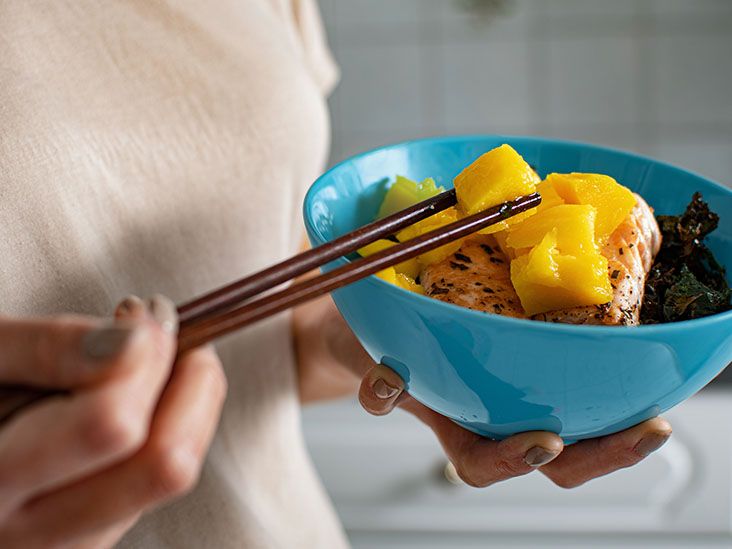
A simple salmon bowl with brown rice, avocado, cucumber, and roasted vegetables can deliver protein, healthy fats, zinc, and antioxidants in one meal. If fresh fish is expensive, canned salmon or sardines can be budget-friendly alternatives.
3. Lean Poultry
Chicken and turkey are reliable sources of complete protein, meaning they provide all essential amino acids your body cannot make on its own. Because keratin is protein-based, getting enough dietary protein is one of the most practical steps for supporting strong hair and nails.
Choose grilled, baked, roasted, or lightly sautéed poultry more often than heavily processed versions. A turkey and avocado wrap, chicken vegetable soup, or grilled chicken salad can be simple, keratin-supportive meals.
4. Beans, Lentils, and Chickpeas
Plant-based eaters can absolutely support keratin production without living on chicken breast. Beans, lentils, chickpeas, black beans, and split peas provide plant protein, iron, zinc, folate, and fiber. Fiber also supports gut health and steadier blood sugar, which helps your body function like a well-managed office instead of a chaotic group project.
Because plant-based iron is not absorbed as easily as iron from animal foods, pair legumes with vitamin C-rich foods. Add lemon juice to lentil soup, tomatoes to black beans, or bell peppers to chickpea salad. Small combinations can make a big difference.
5. Greek Yogurt
Greek yogurt offers protein, calcium, B vitamins, and sometimes vitamin D if fortified. It is also easy to turn into breakfast, a snack, or a creamy sauce. For hair and nail health, choose plain Greek yogurt when possible to avoid turning a healthy food into dessert wearing a fake mustache.
Top it with berries, pumpkin seeds, walnuts, or sliced banana. You will add vitamin C, zinc, healthy fats, and additional minerals in one bowl.
6. Nuts and Seeds
Almonds, walnuts, sunflower seeds, pumpkin seeds, chia seeds, and flaxseeds are small but mighty. They can provide zinc, selenium, vitamin E, healthy fats, and plant protein. Pumpkin seeds are especially useful for zinc, while sunflower seeds contribute vitamin E and other micronutrients.
Sprinkle seeds over oatmeal, yogurt, salads, soups, or roasted vegetables. Just watch portion sizes because nuts and seeds are calorie-dense. A small handful is usually plenty; a cereal bowl full of cashews is a lifestyle choice, but maybe not a daily one.
7. Sweet Potatoes
Sweet potatoes are rich in beta-carotene, which the body can convert into vitamin A. Vitamin A supports normal cell growth and helps maintain skin health. Because the scalp is skin, nourishing it matters for the appearance and comfort of your hair.
Roast sweet potatoes with olive oil and cinnamon, mash them with Greek yogurt, or cube them into grain bowls. They pair beautifully with eggs, salmon, beans, or chicken.
8. Leafy Greens
Spinach, kale, Swiss chard, and collard greens bring iron, folate, vitamin C, vitamin A precursors, magnesium, and antioxidants to the table. They are not magic leaves, but they are excellent support players in a keratin-friendly diet.
For better absorption of plant-based iron, combine greens with vitamin C. Try spinach with strawberries, kale with lemon dressing, or collards with tomatoes. Your follicles may not send a thank-you card, but your nutrient intake will improve.
9. Bell Peppers and Citrus Fruits
Vitamin C supports collagen production and helps improve absorption of non-heme iron from plant foods. Collagen and keratin are different proteins, but both matter for skin, hair, and nail appearance. Bell peppers, oranges, grapefruit, kiwi, strawberries, broccoli, and Brussels sprouts are excellent vitamin C sources.
Add sliced bell peppers to sandwiches, squeeze lemon over beans, snack on oranges, or blend strawberries into a smoothie. Vitamin C is water-soluble and sensitive to heat, so eating some fruits and vegetables raw or lightly cooked can help preserve more of it.
10. Oysters, Beef, and Other Zinc Sources
Zinc plays a role in cell growth and repair, and low zinc intake may contribute to hair concerns in some people. Oysters are famously high in zinc, but not everyone wants seafood that looks like it came with a dramatic backstory. Beef, poultry, dairy, beans, nuts, whole grains, and fortified cereals can also contribute zinc.
Moderation matters. Choose lean meats when you eat red meat, and include plant-based zinc sources throughout the week. Variety is better than depending on one “superfood” to carry the entire team.
Keratin-Supporting Nutrients and Food Sources
| Nutrient | Why It Matters | Food Sources |
|---|---|---|
| Protein | Provides amino acids used to build keratin | Eggs, fish, poultry, Greek yogurt, tofu, beans, lentils |
| Biotin | Supports metabolism of fats, carbs, and amino acids | Egg yolks, nuts, seeds, salmon, sweet potatoes |
| Zinc | Supports cell growth, repair, and immune function | Oysters, beef, poultry, pumpkin seeds, beans, dairy |
| Iron | Helps carry oxygen to tissues, including hair follicles | Lean meat, seafood, beans, lentils, spinach, fortified grains |
| Vitamin A | Supports cell growth and skin maintenance | Sweet potatoes, carrots, spinach, kale, eggs, dairy |
| Vitamin C | Supports collagen formation and plant iron absorption | Citrus fruits, bell peppers, kiwi, strawberries, broccoli |
| Omega-3 fats | Support scalp and skin health | Salmon, sardines, walnuts, chia seeds, flaxseeds |
Do Keratin-Rich Foods Make Hair Grow Faster?
This is the million-dollar question, usually asked while staring at bangs that were cut with too much confidence. Keratin-supporting foods can help your body maintain normal hair growth, especially if your diet was previously low in protein, iron, zinc, biotin, or calories. However, they will not override genetics, cure medical hair loss, or make hair grow six inches overnight. Hair growth is naturally slow, averaging roughly half an inch per month for many people.
If a nutrient deficiency is contributing to shedding or brittle nails, improving the deficiency may help over time. But if your hair loss is caused by thyroid disease, hormonal changes, alopecia areata, scalp psoriasis, medication, postpartum changes, or hereditary pattern hair loss, diet alone may not solve it. Persistent hair loss deserves a medical evaluation, especially if it appears suddenly, occurs in patches, comes with scalp pain or scaling, or follows major weight loss or illness.
The best way to think about keratin foods is this: they create better conditions. They do not force instant results. Hair and nails respond slowly because the visible parts are already formed. What you eat today supports the new growth coming in over the next several weeks and months.
Sample One-Day Keratin-Supporting Meal Plan
Breakfast
Scrambled eggs with spinach and tomatoes, served with whole-grain toast and orange slices. This meal offers protein, biotin, iron, vitamin C, and vitamin A precursors.
Lunch
Salmon or chickpea salad with mixed greens, bell peppers, pumpkin seeds, avocado, and lemon dressing. This combination provides protein, omega-3 fats, zinc, vitamin C, and fiber.
Snack
Plain Greek yogurt topped with strawberries, walnuts, and a sprinkle of chia seeds. It is creamy, filling, and much more helpful than panic-buying another beauty supplement at midnight.
Dinner
Turkey chili with beans, tomatoes, onions, and sweet potatoes. This meal brings together protein, iron, zinc, vitamin A, vitamin C, and slow-digesting carbohydrates.
Common Mistakes When Eating for Hair, Skin, and Nails
Relying Too Much on Supplements
Supplements can be helpful when a real deficiency exists, but they are not automatically better than food. Many hair, skin, and nail products contain very high doses of single nutrients. More nutrients do not always mean more beauty benefits. In some cases, too much can cause side effects or interfere with lab results.
Eating Too Little Protein
Very low-protein diets can affect hair quality and growth. This is more likely during restrictive dieting, illness, rapid weight loss, or poorly planned plant-based eating. Include protein at each meal from foods such as eggs, fish, poultry, dairy, tofu, lentils, beans, nuts, and seeds.
Ignoring Calories and Overall Balance
Hair growth takes energy. If you consistently eat too few calories, your body may reduce energy spent on nonessential functions, including hair growth. A keratin-friendly diet is not a crash diet. It is a steady, nourishing eating pattern.
Expecting Results Too Quickly
Hair and nails are slow reporters. You may feel better within days of improving your diet, but visible changes in hair thickness, shine, or nail strength may take months. Consistency is more useful than a dramatic three-day “hair detox,” which mostly detoxes your wallet.
Benefits of Keratin-Supporting Foods
Stronger Hair Structure
Protein-rich meals provide amino acids needed to build keratin. When paired with adequate calories and micronutrients, they help support normal hair strength and reduce the chance that poor nutrition becomes part of the problem.
Healthier-Looking Nails
Brittle nails can have many causes, including frequent water exposure, harsh chemicals, aging, and medical conditions. Still, nutrients like protein, biotin, zinc, and iron support normal nail growth. If your nails are weak because your diet is lacking, improving your intake may help new nail growth become stronger over time.
Better Skin Barrier Support
Keratin helps protect the outer layer of skin, while nutrients like vitamin A, vitamin C, zinc, healthy fats, and protein support skin maintenance and repair. Food will not replace sunscreen or moisturizer, but it absolutely belongs in the skin-care conversation.
Improved Overall Nutrition
The best keratin-supporting foods are also good for general health. Eggs, fish, beans, greens, sweet potatoes, nuts, seeds, citrus fruits, yogurt, and lean proteins support energy, immunity, muscle maintenance, and metabolic health. That is the real beauty bonus: you are not just feeding your hair; you are feeding the whole person attached to it.
of Real-Life Experience: Eating for Keratin Support Without Turning Life Into a Spreadsheet
In real life, eating for healthier hair, skin, and nails works best when it feels normal. Most people do not wake up excited to calculate zinc before breakfast. They want simple meals, realistic grocery lists, and results that do not require living like a nutrition monk. The most successful approach is to add keratin-supporting foods gradually instead of trying to rebuild your entire diet in one dramatic Sunday afternoon.
A practical experience many people notice is that breakfast makes a big difference. Starting the day with coffee and a lonely piece of toast may be quick, but it does not provide much protein. Switching to eggs with vegetables, Greek yogurt with berries and seeds, or tofu scramble with spinach can make the whole morning feel more stable. Energy improves, cravings may calm down, and protein intake becomes easier without needing to “catch up” at dinner.
Another helpful habit is pairing nutrients instead of eating them randomly. For example, lentils are nutritious, but lentils with lemon juice, tomatoes, or bell peppers become even smarter because vitamin C helps with plant-based iron absorption. Spinach is great, but spinach in a salad with strawberries or citrus dressing is better. These small combinations feel almost too simple, but they are the kind of everyday nutrition tricks that actually fit into busy lives.
People also tend to underestimate snacks. A snack can either be a sugar-speed roller coaster or a quiet opportunity to support hair and nails. Greek yogurt with walnuts, an orange with pumpkin seeds, hummus with bell pepper strips, or a boiled egg with fruit can provide protein and micronutrients without requiring a full kitchen production. No smoke alarm, no complicated recipe, no emotional damage.
One realistic lesson is that hair changes take patience. After improving diet quality, nails may show changes sooner because they are easier to observe as they grow out. Hair may take longer. The strands already on your head are not suddenly rebuilt from the inside like a renovated kitchen. Nutrition supports new growth, so the visible difference usually appears gradually near the roots and in overall shedding patterns.
It also helps to combine nutrition with gentle care. Eating salmon while frying your hair with extreme heat every morning is a mixed message. Reducing harsh bleaching, avoiding tight hairstyles, using conditioner, protecting hair from excessive heat, and treating scalp irritation can make your nutrition efforts more noticeable. Food supplies the materials, but daily habits decide how much unnecessary damage happens along the way.
The most sustainable experience is flexibility. You do not need a perfect “keratin diet.” You need repeated, boringly effective choices: protein at meals, colorful produce, beans or fish a few times a week, nuts and seeds in reasonable portions, and enough total food to support your body. Boring? Maybe. Effective? Often. And frankly, your hair does not need drama; it needs dinner.
Conclusion
Keratin-rich foods are best understood as keratin-supporting foods. Your body makes keratin from nutrients, especially amino acids from protein, with help from biotin, zinc, iron, vitamin A, vitamin C, healthy fats, and overall balanced eating. Eggs, salmon, poultry, beans, lentils, Greek yogurt, nuts, seeds, sweet potatoes, leafy greens, citrus fruits, bell peppers, and zinc-rich foods all deserve a place in a hair-, skin-, and nail-friendly diet.
The smartest strategy is not chasing one miracle food. It is building a consistent pattern of meals that supports your whole body. If you have sudden hair loss, patchy shedding, severe nail changes, scalp symptoms, or signs of deficiency, talk with a healthcare professional or dermatologist. Food is powerful, but it is not a replacement for proper diagnosis.