A good spice rub is basically a tiny, edible hype squad. It shows up early, gets your food dressed for the occasion, and makes your grill (or oven) smell like you actually have your life together. The best part? You don’t need a “secret family recipe” passed down from a mysterious pitmaster uncle. You need a simple formula, a few reliable blends, and the confidence to taste a pinch without acting like it’s a science experiment.
This guide walks you through the “why” behind great rubs, the core building blocks, exactly how to apply them, and a set of go-to rub recipes for pork, beef, chicken, fish, and vegetablesplus a 500-word “real kitchen” section at the end that covers the stuff you only learn after your third batch and one mildly over-smoked chicken thigh.
What Is a Spice Rub, Exactly?
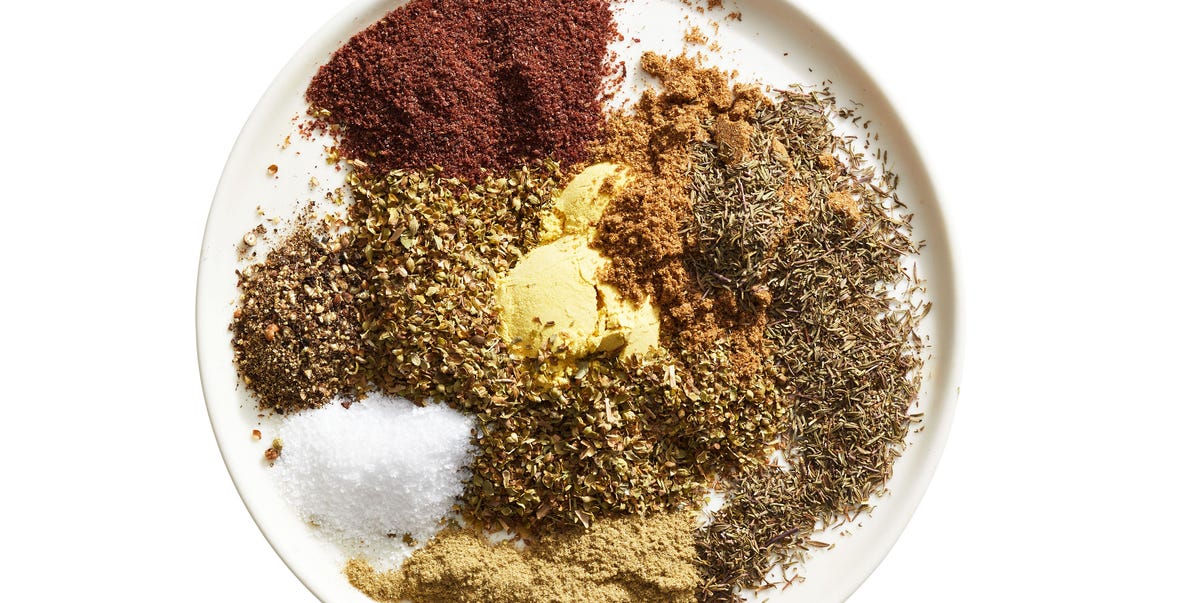
A spice rub is a dry blend of seasoningsusually salt, sugar, spices, and herbsthat you apply to the surface of food before cooking. Rubs do three big jobs:
- Seasoning: Salt and aromatics help flavor the surface (and, with time, a bit deeper).
- Crust-building: Sugars and spices encourage browning and that “wow” bark on grilled or smoked meats.
- Personality: Paprika, chiles, pepper, herbs, citrus, coffeethis is where you pick the vibe.
Dry Rub vs. Marinade vs. Dry Brine (Don’t Mix Them Up)
These get lumped together, but they behave differently:
- Dry rub: Mostly about surface flavor and crust. Often includes sugar and a moderate amount of salt.
- Marinade: Liquid-based flavoring. Great for certain cuts, but it can make browning harder because it adds surface moisture.
- Dry brine: Primarily salt (sometimes with a little sugar). It’s a techniquesalting ahead of timeto improve juiciness and seasoning.
A handy approach: dry brine first (salt), then add a salt-light or salt-free rub right before cooking. You get deeper seasoning without making your rub “too salty to live.”
The Rub Formula: Build Your Own Like a Pro (No Cape Required)
Most great rubs follow a simple structure: Base + Body + Aromatics + Heat/Accent. Once you understand what each piece does, you can improvise without fear.
1) Base: Salt (and Sometimes Sugar)
Salt is non-negotiable for flavor. Sugar is optional, and whether you use it depends on the meat and the cooking method.
- For pork: Sugar is your best friend. Pork loves sweet-and-smoky flavors, and sugar helps bark form.
- For beef: You can go lighter on sugaror skip itespecially for brisket and steaks. Pepper and salt can carry the whole show.
- For high-heat grilling: Use less sugar (or choose coarser sugars like turbinado) to reduce the chance of scorching.
Important: Salt types vary in “saltiness” by volume. If you want consistency, measure salt by weight or stick to the same brand and grind.
2) Body: Paprika, Chile Powders, and Warm Spices
“Body” spices fill out the flavor and color. Paprika is the MVP because it brings color, gentle pepperiness, and a familiar barbecue profile. Chile powder (the blend, not straight ground chiles) adds depth. Warm spices like cumin, coriander, and even ginger can add complexity.
3) Aromatics: Garlic, Onion, Herbs
Garlic powder and onion powder create that savory backbone that tastes like “barbecue” even when you’re cooking in an apartment with a stubborn smoke alarm. Dried herbs (oregano, thyme, rosemary) add freshnessespecially on poultry, lamb, and vegetables.
4) Heat + Accent: Pepper, Mustard Powder, Citrus, Coffee
Black pepper brings bite and a steakhouse feel. Mustard powder adds tang. Citrus zest (or dried citrus peel) brightens heavy meats. Coffee and cocoa deepen beefy flavors and make people say, “Wait…what’s in this?” in a good way.
Quick shortcut: If you like rules, try the “big spoon” methodstart with a base ratio, then adjust to taste. Make a small batch first, cook something cheap (chicken thighs are ideal), and fine-tune.
Best All-Purpose BBQ Spice Rub (Your “One Jar” Blend)
If you only keep one rub around, make this one. It’s balancedsweet, savory, gently smokyand works on ribs, chicken, pork chops, roasted potatoes, and even popcorn if you’re feeling chaotic.
Ingredients (Makes about 1 cup)
- 1/3 cup sweet paprika
- 1/3 cup packed dark brown sugar
- 1/4 cup kosher salt
- 4 teaspoons dry mustard powder
- 2 teaspoons freshly ground black pepper
- 2 teaspoons ground coriander
- 1 tablespoon dried oregano
- 1 tablespoon granulated garlic
- 1 tablespoon granulated onion
- Optional: 1/4 to 1 teaspoon cayenne (depending on your heat tolerance)
How to Make It
- Whisk everything in a bowl until the color looks uniform and no sugar clumps remain.
- Taste a pinch. If it feels too sweet, add a little more salt or pepper. Too salty? Add paprika and brown sugar in small increments.
- Store in an airtight jar away from heat and light. Label it with the date (future you will be grateful).
Best on: pork shoulder, ribs, chicken thighs, salmon, roasted cauliflower, grilled corn.
7 More Best Spice Rub Recipes (Pick the One That Fits the Food)
1) Sweet & Smoky Pork / Rib Rub (Memphis-ish, Backyard-friendly)
This one leans sweet, paprika-forward, and “classic BBQ.” Great for ribs, pulled pork, and even thick pork chops.
- 1/4 cup dark brown sugar
- 2 tablespoons paprika (smoked paprika if you want more campfire energy)
- 1 tablespoon kosher salt
- 2 teaspoons black pepper
- 2 teaspoons garlic powder
- 2 teaspoons onion powder
- 1 teaspoon chili powder
- 1/2 teaspoon cayenne (optional)
Tip: If you’re smoking low and slow, sugar is your friend. If you’re grilling hot and fast, cut the sugar in half.
2) Texas-Style Brisket / Steak Rub (Pepper Leads, Sugar Sits Down)
For beef, especially brisket and steaks, you often want bold savory seasoning without sweetness. Think “salt + pepper + garlic,” with optional extras.
- 2 tablespoons coarse black pepper
- 1 tablespoon kosher salt
- 2 teaspoons granulated garlic
- 1 teaspoon onion powder
- Optional: 1 teaspoon ground coriander (bright, citrusy warmth)
- Optional: 1/2 teaspoon ground coffee or espresso powder (deep, roasty bass note)
Best on: brisket, ribeye, tri-tip, burgers (apply right before cooking).
3) Crispy-Skin Chicken Rub (Herby, Bright, Weeknight-ready)
Poultry loves herbs, gentle sweetness, and citrus. This rub is great for roasting or grilling.
- 1 tablespoon kosher salt
- 1 tablespoon paprika
- 2 teaspoons garlic powder
- 1 teaspoon onion powder
- 1 teaspoon dried thyme
- 1 teaspoon dried oregano
- 1/2 teaspoon black pepper
- Optional: 1 teaspoon baking powder (for extra-crispy skin when roasting)
- Optional: 1/2 teaspoon dried lemon zest or finely grated fresh lemon zest added right before use
How to use: Pat chicken dry, apply rub, then roast on a rack. If you have time, salt (or rub) it a few hours ahead for better texture.
4) Cajun / Blackening-Style Rub (Spicy, Savory, Loud in the Best Way)
This is the “turn up the music” rub. It’s fantastic on chicken, shrimp, catfish, and even roasted potatoes.
- 1 tablespoon paprika
- 2 teaspoons kosher salt
- 1 teaspoon garlic powder
- 1 teaspoon onion powder
- 1 teaspoon dried oregano
- 1 teaspoon dried thyme
- 1/2 to 1 teaspoon cayenne (choose your adventure)
- 1/2 teaspoon black pepper
- 1/2 teaspoon ground cumin
5) Coffee-Cocoa Chile Rub (For Steak, Pork Tenderloin, and Sweet Potatoes)
Coffee and cocoa don’t make meat taste like dessertthey make it taste deeper, darker, and more “restaurant.” This rub shines on beef and pork.
- 1 tablespoon brown sugar
- 2 teaspoons kosher salt
- 2 teaspoons chili powder
- 1 teaspoon smoked paprika
- 1 teaspoon ground coffee or espresso powder
- 1 teaspoon unsweetened cocoa powder
- 1 teaspoon black pepper
- 1/2 teaspoon garlic powder
Best on: flank steak, pork tenderloin, brisket flats, roasted carrots, grilled mushrooms.
6) Mediterranean Rub (Lamb, Chicken, Veggies, and “I’m Trying to Eat Better” Nights)
Herb-forward and citrusy. Great for sheet-pan dinners and grilled skewers.
- 2 teaspoons kosher salt
- 1 teaspoon black pepper
- 2 teaspoons dried oregano
- 1 teaspoon dried rosemary (crush it between your fingers)
- 1 teaspoon garlic powder
- 1 teaspoon ground cumin
- 1 teaspoon ground coriander
- Optional: 1 teaspoon sumac (lemony brightness)
Best on: lamb chops, chicken breasts, zucchini, eggplant, chickpeas.
7) Taco / Fajita-Style Spice Rub (Weeknight MVP for Meat and Veg)
This is basically taco seasoning’s more confident cousindesigned to cling to chicken, beef, shrimp, and veggies before they hit a skillet or grill.
- 1 tablespoon chili powder
- 2 teaspoons ground cumin
- 2 teaspoons paprika
- 1 teaspoon garlic powder
- 1 teaspoon onion powder
- 1 teaspoon dried oregano
- 1 to 1 1/2 teaspoons salt
- 1/2 teaspoon black pepper
- Optional: 1/4 teaspoon cayenne for heat
Best on: skirt steak, chicken thighs, shrimp, bell peppers, onions, sweet potatoes.
How Much Spice Rub to Use (So You Don’t End Up With “Seasoning Armor”)
As a starting point, aim for about 1 tablespoon of rub per pound of meat or vegetables. That’s enough to coat the surface without turning dinner into a salt lick.
- Ribs: use enough to thoroughly cover both sidesribs can handle a heavier hand.
- Chicken pieces: a light but even coat; too much sugar can burn on high heat.
- Steaks: fewer ingredients, more impact; focus on salt + pepper + garlic, then add accents.
- Vegetables: toss with a little oil first so the rub sticks.
Do You Need a Binder?
A binder is something sticky (oil, mustard, hot sauce, mayoyes, mayo) that helps rub adhere. It’s optional. If your meat is slightly damp, rub will stick. If it’s very dry (or you want a thicker coating), use a thin layer of binder and then season.
Rule of thumb: Use the thinnest binder layer possible. You’re helping the rub stick, not frosting a cupcake.
When to Apply a Rub (Timing = Flavor + Texture)
You’ve got three timing options, depending on what you’re cooking:
Option A: Right Before Cooking (5–15 minutes)
Perfect for weeknights. You get surface flavor and good browning. Great for steaks, chops, shrimp, and veggies.
Option B: “Let It Sweat” (30–90 minutes)
The rub draws a little moisture to the surface, then dissolves and starts seasoning more evenly. Good for ribs, chicken, pork chops, and roasts.
Option C: Dry Brine + Rub (Overnight to 24 hours)
For your best results on big cuts and poultry: salt ahead of time, refrigerate uncovered, then apply a salt-light rub right before cooking. This helps with juiciness, crisp skin, and deeper seasoning.
Practical hack: If your favorite rub is salty, use it as the dry brine (apply it the day before). If your rub is sweet and spicy, dry brine with salt first, then rub later.
Storage: Keep Your Rub Fresh (And Not “Dusty Pantry 2019”)
Store rubs in airtight containers, away from heat and light. Spices fade faster than most people realize. Label the jar with the date so you know what’s fresh.
- Best flavor window: 1–3 months
- Still usable: up to ~6 months (but it may taste flatter)
- If it smells like nothing: it will taste like nothing
If your rub clumps, it’s usually humidity. Break clumps with a fork, or add a pinch of rice to the jar as a DIY moisture buffer (just don’t sprinkle rice on your ribs unless you like confusion).
Troubleshooting: Fix a Rub Before It Ruins Dinner
“It’s Too Salty”
- Add more paprika (neutral bulk + color) and a touch more sugar.
- Use the rub more lightly and finish with a sauce or bright squeeze of lemon.
- Next time: dry brine separately, then use a lower-salt rub.
“It’s Too Spicy”
- Reduce cayenne and red pepper flakes first (they stack fast).
- Add a little sugar to round out the heat, or add coriander for citrusy balance.
- Serve with something cooling: yogurt sauce, slaw, sour cream, or a drizzle of honey.
“It Burns”
- Too much sugar + high heat = scorched crust. Cut sugar or switch to coarser sugar.
- Cook more indirectly (two-zone grilling), or apply sugary rub later in the cook.
- For grilling, keep sugar modest and lean on spices + aromatics.
Bonus: Unexpected Ways to Use Spice Rubs (Because You Made Too Much)
Spice rubs aren’t only for meat. Try these:
- Roasted vegetables: Toss with oil, rub, roast hot. Cauliflower and carrots love smoky-sweet rubs.
- Beans and chili: Stir a teaspoon into simmering beans for instant depth.
- Breadcrumb topping: Mix rub into breadcrumbs for baked mac and cheese or roasted veggies.
- Salad dressing: Whisk a pinch into vinaigrette or ranch to make it taste “chef-y.”
Real-World Rub Lessons
Here’s what most home cooks discover after making rubs a few times: the “best rub” isn’t a single recipeit’s the one that matches how you cook and what you’re cooking. A sugary, paprika-heavy blend can be magical on ribs in a smoker where temperatures stay steady and gentle. Put that same rub on chicken breasts over ripping-hot direct heat, and suddenly you’ve invented a new flavor called “charcoal caramel.” Not delicious. Just…educational.
Another common lesson: salt behaves like a volume knob. If the rub tastes slightly too salty when you sample it dry, it’ll be even louder once it hits hot fat and meat juices. That’s why many cooks end up with two “styles” of rub in their pantry: a salt-forward blend for dry brining (applied hours ahead), and a salt-light finishing rub that brings paprika, garlic, herbs, and chile without pushing the meat over the edge. This split approach feels fancy, but it’s really just the easiest way to control seasoning.
Texture is the sneaky win. A rub doesn’t just flavor food; it changes the surface. Sugar and spices encourage better browning. Coarse pepper helps create a craggier crust on beef. A tiny bit of baking powder in a chicken rub can help skin crisp up in the oven. And if you let a rub sit for 30–60 minutes, you’ll often see it turn slightly wet and paste-likethat “sweat” is the rub dissolving into the meat’s surface moisture, which usually leads to more even flavor and less of a powdery bite.
Freshness matters more than people want to admit. A brand-new jar of paprika smells sweet and vibrant; an old one smells like…dusty red sadness. If a rub tastes flat, it’s often not because you need more complicated ingredients. It’s because your spices are tired. Replacing paprika, chili powder, and dried herbs more often makes rubs pop without adding extra salt or sugar. And if you grind whole spices (peppercorns, coriander, cumin) for even one rub, it’s hard to go backthe aroma difference is that dramatic.
Finally, most cooks learn to treat rubs as a starting pointnot a finish line. A great rub can stand alone, but it also plays well with others. A bright squeeze of lemon can lift a smoky pork rub. A thin glaze of barbecue sauce can add shine and tang without covering up your seasoning. A simple herby yogurt sauce can tame a spicy Cajun rub. The rub sets the foundation; your finishing move (acid, sauce, fat, or crunch) makes it taste “complete.”
So make a jar, cook something, tweak it, and repeat. That’s the real secret. Not hidden ingredients. Not a magic brand. Just a simple formulaand a willingness to taste, adjust, and keep going.
Conclusion
The best spice rubs are the ones you can make on purpose. Start with a balanced all-purpose blend, then branch out: sugar-forward for pork, pepper-forward for beef, herb-bright for chicken, and punchy spice blends for weeknight tacos. Keep batches small, date your jars, and remember: your grill doesn’t need perfectionit needs seasoning and confidence.