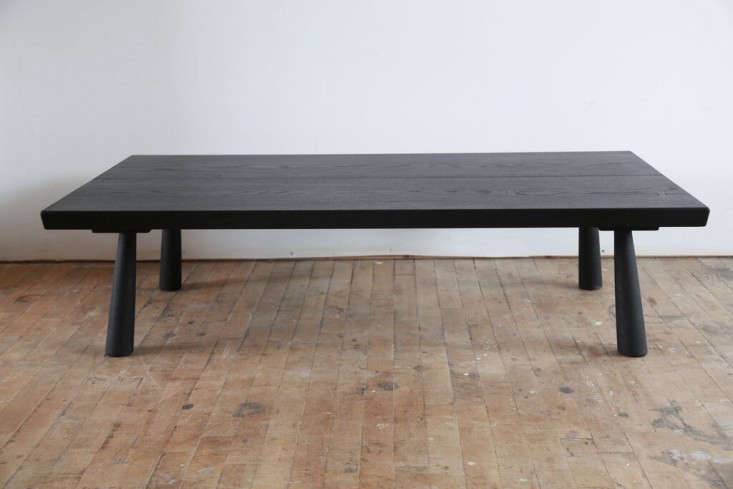
Josh Vogel’s Low Table is not the kind of furniture that barges into a room yelling, “Look at me, I have legs!” It is quieter than that. Smarter, too. It belongs to the world of handmade American furniture where proportion, joinery, wood grain, and restraint do the talking. Designed within the craft language of Joshua Vogel and Blackcreek Mercantile & Trading Co., the low table captures what many modern interiors are currently craving: less visual noise, more material honesty, and a piece that looks like it could survive both a dinner party and a philosophical crisis.
At first glance, it may seem simple: a low wooden table, clean in profile, grounded in white oak, available in natural and darker finishes, and shaped by traditional all-wood joinery. But that simplicity is exactly where the table becomes interesting. Like a perfect plain white T-shirt or a good loaf of bread, the lack of decoration leaves nowhere to hide. The design must earn its place through proportion, craft, and feel.
Who Is Josh Vogel?
Joshua Vogel is an American sculptor, furniture designer, woodworker, and co-founder of Blackcreek Mercantile & Trading Co., often shortened to BCMT. Based in Kingston, New York, Vogel has built a career around solid wood, natural materials, hand processes, and the belief that furniture can be functional without losing its soul.
Before BCMT, Vogel co-founded BDDW, the influential American furniture company known for heirloom-quality pieces. His background includes studies in anthropology, art history, and architecture, and those influences show up in his work. His furniture rarely feels like a trend machine. Instead, it feels studied, physical, and deeply connected to place. You can sense the architecture in the structure, the anthropology in the human scale, and the sculpture in the way edges, volume, and negative space are handled.
BCMT began as a small-scale design and manufacturing studio with a strong commitment to handmade goods. The company produces furniture, kitchen objects, sculptural pieces, and accessories from its Kingston studio. The work is known for clean forms, generous material presence, and finishes that allow the wood to remain the star of the show. In other words, if wood grain had a publicist, BCMT would probably be it.
What Makes Josh Vogel’s Low Table Special?
Josh Vogel’s Low Table is special because it refuses to confuse “minimal” with “empty.” Many modern coffee tables are simple because they have been stripped of thought. Vogel’s table is simple because the thought has been refined until only the necessary parts remain.
The table is associated with sliding dovetail construction and cross-brace detailing, traditional woodworking ideas that emphasize strength, precision, and visible structural logic. Rather than hiding how the piece is built, the table lets the joinery become part of the design language. This is furniture with good manners: it does its job, looks beautiful, and quietly reminds you that screws are not always the main character.
The low table has been shown in white oak with natural reactive finishes and is available in shapes such as rectangle, square, and circle, with customization possible. Finish options include bleached white oak, natural white oak, and a darker natural reactive white oak finish. That last option is especially meaningful in the BCMT world because the dark tone is often achieved through a reactive process connected to the tannins in white oak rather than by simply painting the wood black.
A Low Profile With High Standards
The low height gives the table a grounded, lounge-friendly presence. It works beautifully in living rooms where the seating is relaxed, in reading corners where the furniture should feel calm, and in minimalist spaces where every object has to justify its square footage. A low table can make a room feel wider and more open because it keeps the visual plane down. It is the furniture equivalent of speaking softly and still getting everyone’s attention.
Because the design is clean, it pairs well with many interior styles: modern rustic, warm minimalism, Japanese-inspired interiors, Scandinavian spaces, Hudson Valley farmhouse rooms, contemporary lofts, and even traditional homes that need one strong, quiet modern piece. It is not a table that demands matching furniture. It is more like the friend who gets along with everyone at brunch.
The Beauty of White Oak and Natural Finish
White oak is central to the character of Josh Vogel’s Low Table. It is strong, handsome, and full of grain personality without becoming too visually loud. In furniture design, white oak is prized for its durability and its ability to take finishes beautifully. It can appear pale and soft in a bleached finish, warm and organic in a natural finish, or deep and dramatic when treated with a reactive darkening process.
BCMT’s approach to finish is part of the appeal. Rather than covering the wood with a plastic-looking surface, the finish strategy tends to preserve the feeling of the material. This matters because a low table is touched constantly. Coffee cups land on it. Books live on it. Feet may occasionally sneak onto it, although we will all pretend to be more civilized than that. A table like this should feel good under the hand, not merely look photogenic from across the room.
Why the Dark Reactive Finish Matters
The natural reactive black finish often associated with BCMT’s white oak pieces is not just a color choice; it is a material conversation. The dark tone comes from a reaction with the tannic acid in the oak, creating depth from within the wood rather than sitting on top like a costume. The result can vary slightly from piece to piece, which is part of the charm. In a world where so many products look cloned in a warehouse lab, variation feels refreshingly human.
This also gives the low table a subtle sculptural quality. In black, the form becomes graphic and architectural. In natural oak, it becomes softer and more tactile. In bleached oak, it feels airy and coastal without needing a bowl of decorative shells nearby. Each finish changes the table’s personality while preserving its essential design DNA.
Joinery as Design: Sliding Dovetails and Cross Braces
The phrase “sliding dovetail” may not sound thrilling unless you are a woodworker, in which case your pulse may have already increased. But even for ordinary furniture lovers, this detail matters. A sliding dovetail is a traditional joint that locks components together mechanically. It is strong, elegant, and visually satisfying because it reveals the intelligence of the construction.
On Josh Vogel’s Low Table, the cross-brace and joinery are not afterthoughts. They are part of the table’s identity. The construction communicates stability without bulk. It says, “I am sturdy,” without looking like it eats protein powder. That balance between strength and lightness is one reason Vogel’s furniture feels so resolved.
Traditional joinery also connects the table to a slower furniture-making tradition. In mass-produced furniture, joints are often hidden because there is not much to celebrate. In handmade furniture, a joint can be a signature. It shows the maker’s understanding of wood movement, pressure, balance, and proportion. It is proof that the table has been considered from the inside out.
How Josh Vogel’s Low Table Fits Modern Interiors
The modern home has changed. People want rooms that feel lived in, not staged like a showroom where nobody is allowed to breathe. Josh Vogel’s Low Table fits this shift perfectly because it brings warmth and craft into clean-lined spaces. It is refined enough for a design-conscious interior but earthy enough to keep the room from feeling like an airport lounge for expensive robots.
In a Minimalist Living Room
In a minimalist room, the table can act as the central anchor. Pair a rectangular version with a low linen sofa, a wool rug, and a few ceramic objects. Keep the surface edited: one art book, one shallow bowl, maybe a small branch arrangement if you are feeling emotionally prepared for asymmetry. The table’s material richness prevents minimalism from becoming cold.
In a Rustic or Hudson Valley-Inspired Space
In a rustic interior, the low table works because it does not imitate barn wood or fake distressing. It brings real craft instead of costume rusticity. Natural oak looks especially good with plaster walls, leather seating, stone fireplaces, woven textiles, and handmade pottery. The result feels grounded but not dusty.
In a Contemporary Apartment
For a city apartment, the darker finish can create a strong focal point. A black or reactive oak low table pairs beautifully with neutral upholstery, metal lighting, and large-scale artwork. Because the profile is low, it helps maintain visual openness even in smaller rooms. That is helpful when your apartment is technically a “junior one-bedroom,” which is real estate language for “your dining table may also be your office, laundry station, and emotional support surface.”
Why Handmade American Furniture Still Matters
Josh Vogel’s Low Table belongs to a larger conversation about handmade American furniture. In an age of fast furniture, where tables are assembled with tiny wrenches and silent resentment, pieces like this offer a different value proposition. They are not about instant convenience. They are about longevity, repairability, material quality, and the pleasure of living with something made by skilled hands.
BCMT’s Kingston studio model also matters. The company emphasizes local production, craft knowledge, and a close relationship between design and making. That relationship changes the final object. When designers understand how something is built, the design becomes more honest. When makers understand the design intent, the construction becomes more expressive.
This is why Vogel’s furniture often feels calm but not generic. The work is not trying to chase every trend on the internet. It is trying to become more itself. That is a rare thing in furniture and, honestly, not a bad life goal either.
Design Lessons From Josh Vogel’s Low Table
Even if you are not shopping for a handcrafted low table, there are useful design lessons in this piece. First, proportion matters more than decoration. The right height, width, thickness, and stance can make a simple table feel extraordinary. Second, material should not be treated as a surface effect. The best wooden furniture allows grain, weight, and texture to participate in the design.
Third, visible structure can be beautiful. A cross brace, a pinned connection, or a dovetail joint can be more compelling than a decorative flourish because it has a job to do. Function becomes ornament. Fourth, restraint is not the same as boredom. When a piece is carefully made, restraint creates focus.
The Table as a Daily Object
A low table has to handle ordinary life. It holds coffee, tea, magazines, remote controls, snacks, flowers, laptops, and the occasional mysterious object nobody in the house will admit owning. Josh Vogel’s Low Table is appealing because it appears designed for real use, not just for dramatic side lighting in a design magazine. Its beauty is not fragile. It is the kind of beauty that gets better when life happens around it.
Styling Ideas for Josh Vogel’s Low Table
Because the table is visually strong, styling should be simple. Let the wood lead. A stack of oversized art books can emphasize the horizontal line. A handmade ceramic bowl can echo the craft language. A small sculptural object can connect to Vogel’s own art practice. Fresh greenery or a single branch can bring out the natural character of the oak.
For a rectangular low table, try grouping objects in threes but vary the height and texture. For a round version, avoid cluttering the center. One large bowl or one low vase may be enough. For a square table, use a tray to create organization and prevent the surface from becoming a tiny parking lot for keys, chargers, and receipts from stores you do not remember visiting.
If the finish is black or dark reactive oak, lighter accessories can create contrast. If the finish is natural or bleached oak, darker ceramics or bronze-toned objects can add depth. The goal is not to over-style the table. The goal is to let it breathe.
Buying Considerations: Is This Type of Low Table Right for You?
A handcrafted table in the Josh Vogel and BCMT tradition is best for someone who values material quality, craft, and long-term use. It is not the cheapest option, and it is not trying to be. The appeal lies in the fact that the table is made with intention, from serious materials, using a design language that will not look dated next season.
Before choosing a low table, measure your seating height. A coffee table usually works best when it sits close to the height of the sofa seat or slightly lower. Leave enough walking room around it, ideally about 16 to 18 inches between the table and seating. Consider the shape carefully: rectangular tables work well with long sofas, round tables soften angular rooms, and square tables suit sectional seating arrangements.
Also consider your lifestyle. If you have young children, pets, or a household where coasters are treated as mythical objects, ask about care instructions and finish durability. Solid wood is strong, but it is also alive in its own way. It responds to moisture, sunlight, heat, and use. That is not a flaw. That is the point. Patina is the table keeping receipts.
Experience Section: Living With a Table Like Josh Vogel’s Low Table
The experience of living with a low wooden table like Josh Vogel’s Low Table is different from owning a generic coffee table. The first thing you notice is the quietness. Not silence exactly, but visual calm. The room feels more settled. A strong low table creates a center of gravity, and suddenly the sofa, rug, chairs, and lighting seem to understand one another better. It is like introducing a responsible adult into a group chat.
The second thing you notice is touch. Handmade wooden furniture invites contact. You run your hand along the edge without thinking. You notice the grain in the morning light. You see small shifts in tone during the day. A natural oak surface feels warm in a way glass and metal rarely do. It gives the room a human temperature.
In daily use, a low table becomes a stage for rituals. Morning coffee lands there. A book waits there with noble intentions, even if your phone wins the evening again. Friends gather around it with drinks. A child may use it as a drawing station. Someone will eventually place a snack bowl on it and declare, with complete seriousness, that this is “just a small portion.” The table becomes part of the household’s rhythm.
The low height also changes posture and atmosphere. People lean in. Conversations feel more relaxed. A room with a low table often feels less formal than a room arranged around tall, rigid furniture. It encourages lounging, reading, listening to music, or doing absolutely nothing with impressive commitment. That is one of the underrated gifts of good furniture: it gives permission for certain kinds of living.
There is also an emotional pleasure in owning something that does not feel disposable. Fast furniture often creates a strange relationship: you use it, but you do not bond with it. You know it will be replaced, donated, or abandoned during a move because one screw went missing and the whole thing began wobbling like a nervous giraffe. A handcrafted solid wood table asks for a different relationship. It suggests care. It rewards attention. It may need maintenance over time, but that maintenance becomes part of ownership rather than an inconvenience.
One of the best experiences with a table like this is watching it age. Wood changes. Finishes soften. Edges develop subtle evidence of use. The table becomes less showroom-perfect and more personally beautiful. A small mark from a cup or a faint change in sheen does not necessarily ruin the piece; it can become part of its story. Of course, nobody is recommending chaos. Use coasters. Wipe spills. Do not use the table as a cutting board unless you enjoy making furniture collectors faint. But allow the piece to live.
Styling the table over time can also become enjoyable. In spring, it may hold a pale ceramic vase and a stack of garden books. In winter, it may look best with a dark bowl, candles, and a heavy art monograph. During holidays, it can handle greenery without becoming overly festive. It does not need glitter, novelty figurines, or a tiny sign that says “Gather.” The table is already gathering. That is literally its job.
The biggest experience-related lesson is that Josh Vogel’s Low Table represents a slower way of choosing furniture. Instead of asking, “What fills this space quickly?” it asks, “What do I want to live with for years?” That question leads to better rooms. It also leads to fewer regrets, fewer replacements, and fewer Saturday afternoons spent arguing with flat-pack instructions that appear to have been translated through seven languages and a toaster.
Ultimately, living with a table like this is about appreciating the meeting point between utility and art. It holds your coffee, yes. But it also holds attention. It makes the room feel intentional. It reminds you that everyday objects can be made with dignity. And if that sounds dramatic for a low table, well, the best furniture has always been a little dramatic. It just knows how to keep its voice down.
Conclusion
Josh Vogel’s Low Table is a masterclass in quiet design. It shows how traditional joinery, solid white oak, natural finishes, and careful proportion can create a piece that feels both ancient and modern. It is not flashy furniture. It is better than flashy. It is grounded, useful, sculptural, and deeply connected to the values of American craft.
For homeowners, designers, collectors, and anyone tired of furniture that looks good online but feels soulless in person, this low table offers a compelling alternative. It proves that simplicity can have depth, that function can be poetic, and that a table does not need gimmicks when the wood, the maker, and the joinery are doing the work beautifully.