Medium is hotter than mild. On the familiar mild-medium-hot scale, mild sits at the gentler end, while medium provides a more noticeable burn. That sounds simple enoughuntil you order “medium” curry at two restaurants and discover that one tastes pleasantly warm while the other makes your eyebrows file for evacuation.
The problem is not the order of the labels. Mild still comes before medium. The confusion comes from the fact that restaurants and food manufacturers do not share one universal definition of how much capsaicin belongs in each category. Menu icons and words such as “mild,” “medium,” and “hot” are relative descriptions rather than standardized scientific measurements.
This guide explains which spice level is hotter, how pepper heat is measured, why the same label can feel dramatically different from one product to another, and how to choose a comfortable level without turning dinner into an endurance event.
Is Mild or Medium Hotter?
Medium is generally hotter than mild. A basic restaurant or packaged-food heat scale usually follows this order:
- Mild
- Medium
- Hot
- Extra hot
Mild food may contain no chile heat at all, or it may deliver only a small amount of warmth. Medium food normally contains enough chile pepper or capsaicin to create an obvious tingling or burning sensation, but it should remain manageable for the average diner.
However, these terms work best when comparing products from the same brand or dishes from the same restaurant. A company’s medium salsa should be hotter than its mild salsa. That does not mean its medium salsa will be hotter than another brand’s mild version. Manufacturers may formulate heat levels around their own customers, ingredients, recipes, and regional expectations.
Why Mild and Medium Are Not Exact Measurements
Words such as mild and medium describe a general sensory experience. They do not identify a fixed quantity of capsaicin. Unlike calories, sodium, or serving size, spice intensity is rarely printed as a standardized number on a restaurant menu.
One restaurant may define mild as “no added chile.” Another may use mild to mean “one spoonful of chile paste instead of three.” A Thai restaurant’s medium may be based on a very different reference point than a family-style American chain’s medium. Even pepper icons are not standardized, so three little red chiles on one menu may represent moderate heat while three chiles elsewhere may be a warning from the future.
Commercial manufacturers can improve consistency by adjusting recipes, testing batches, using peppers bred for predictable heat, or adding measured amounts of capsicum extract. Nevertheless, mild, medium, and hot remain product-specific categories rather than universal scientific ranges.
What Actually Makes Food Taste Spicy?
The burning sensation associated with chile peppers comes mainly from a family of compounds called capsaicinoids. Capsaicin and dihydrocapsaicin are two of the most important contributors. The FDA identifies capsaicin as the principal ingredient responsible for the pungency of red Capsicum peppers.
Capsaicin does not literally raise the temperature of your mouth. Instead, it activates TRPV1 receptors involved in detecting heat and potentially harmful stimuli. Those receptors send signals that the brain interprets as burning, even though your taco has not actually transformed into a tiny furnace.
This helps explain familiar reactions such as sweating, watery eyes, a runny nose, flushed skin, or an urgent desire to reconsider your recent choices. Different people also have different levels of receptor sensitivity and spice tolerance, so the same sauce can feel pleasantly warm to one person and painfully intense to another.
Are Pepper Seeds the Hottest Part?
The seeds are often blamed for a pepper’s heat, but they do not produce most of the capsaicinoids. The compounds are primarily produced in glands or vesicles associated with the pepper’s placentathe pale internal tissue to which the seeds are attached. Seeds can become coated with capsaicinoids because they sit next to that tissue, which is why removing both the seeds and inner membranes usually reduces heat.
How Is Spiciness Measured?
The best-known system is the Scoville scale, expressed in Scoville Heat Units, or SHU. Pharmacist Wilbur Scoville developed the original sensory method in 1912. A pepper extract was diluted in a sweetened solution until trained tasters could no longer detect the burn. The more dilution required, the higher the Scoville rating.
The historical Scoville Organoleptic Test was useful but subjective. Tasters differ in sensitivity, and repeated tasting can affect perception. Modern laboratories therefore commonly use high-performance liquid chromatography, or HPLC, to separate and quantify individual capsaicinoids. The measured concentration can then be converted into an estimated Scoville rating.
Examples of Scoville Heat Levels
| Food or Pepper | Approximate Heat | Typical Experience |
|---|---|---|
| Bell pepper | 0 SHU | Sweet, with no capsaicin burn |
| Anaheim chile | About 500–2,500 SHU | Very mild warmth |
| Jalapeño | About 2,500–8,000 SHU | Mild to medium for many diners |
| Thai chile | Roughly 50,000–100,000 SHU | Distinctly hot |
| Habanero | About 100,000–350,000 SHU | Very hot and lingering |
| Ghost pepper | Around 1,000,000 SHU or more | Extreme heat |
| Pure capsaicin | Approximately 16,000,000 SHU | Not a casual condiment |
These figures are approximate because natural peppers vary. University and government references place bell peppers at zero SHU, jalapeños in the low thousands, habaneros in the hundreds of thousands, and extremely hot cultivars above one million SHU.
A Practical Mild-to-Extreme Heat Guide
The following ranges can help consumers interpret Scoville ratings, but they are practical categories rather than official labeling standards:
- 0–500 SHU: Sweet or barely spicy
- 500–2,500 SHU: Mild warmth
- 2,500–30,000 SHU: Mild-to-medium or medium heat
- 30,000–100,000 SHU: Hot
- 100,000–350,000 SHU: Very hot
- 350,000 SHU and above: Extreme
A food’s final heat cannot always be predicted from the pepper’s rating alone. A teaspoon of jalapeño in a large pot of soup may taste mild, while several jalapeños concentrated in a small bowl of salsa may land firmly in medium territory.
Why One Medium Salsa Can Be Hotter Than Another
1. Different Pepper Varieties
A recipe made with poblano or Anaheim peppers will usually be gentler than one made with serranos, Thai chiles, cayenne peppers, or habaneros. Two products may both say “medium,” yet their pepper blends may be completely different.
2. Natural Variation Within the Same Variety
Not every jalapeño contains an identical amount of capsaicin. Plant genetics, maturity, temperature, water availability, soil conditions, and environmental stress can influence pungency. Even peppers harvested from the same plant may not taste exactly alike. Penn State Extension recommends consistent growing conditions and even watering when predictable pepper heat is the goal.
3. The Amount of Pepper Used
Scoville ratings describe the pepper or extract being tested, not necessarily the finished dish. A recipe can dilute chile heat with tomatoes, broth, beans, meat, rice, or other ingredients. A naturally hot pepper can therefore appear in a relatively mild sauce when used sparingly.
4. Fat, Sugar, and Dairy
Other ingredients influence how heat is perceived. Dairy products, fats, starches, and sweetness may soften or shorten the burning sensation. Recent chemical research has also identified naturally occurring pepper compounds that may reduce perceived pungency even when capsaicinoid levels remain similar, suggesting that the sensory experience is more complicated than one number alone.
5. Serving Temperature
A steaming bowl of spicy soup may feel more aggressive than the same level of capsaicin in a cool salsa. Actual temperature and capsaicin both stimulate heat-sensitive pathways, so physical warmth can amplify the overall experience.
6. Personal Spice Tolerance
Someone who eats chile peppers every day may describe a jalapeño salsa as mild. A person who rarely eats spicy food may consider it medium or hot. Repeated exposure can change how overwhelming the sensation feels, although tolerance does not make a product’s measured capsaicinoid content disappear.
How to Choose Between Mild and Medium
Choose mild when you want chile flavor with minimal burning, when you are serving a group with mixed preferences, or when you are unfamiliar with a restaurant. Mild is also the safer starting point for children and people who experience digestive discomfort after spicy meals.
Choose medium when you enjoy a noticeable tingle, gentle sweating, and a lingering warmth without wanting extreme intensity. Medium often provides a better balance between flavor and heat for diners who already eat jalapeño-based salsa, buffalo sauce, or moderately spicy curry.
When ordering at a restaurant, ask a specific question instead of simply asking, “Is medium hot?” Better questions include:
- Which pepper is used in the dish?
- Is your medium similar to jalapeño heat or hotter?
- Can the chile sauce be served on the side?
- Can I taste a small sample first?
- Is the heat cooked into the dish or added at the end?
These questions give you more useful information than a row of cartoon flames that may or may not have been designed by someone with a heat-proof tongue.
How to Reduce the Burn From Spicy Food
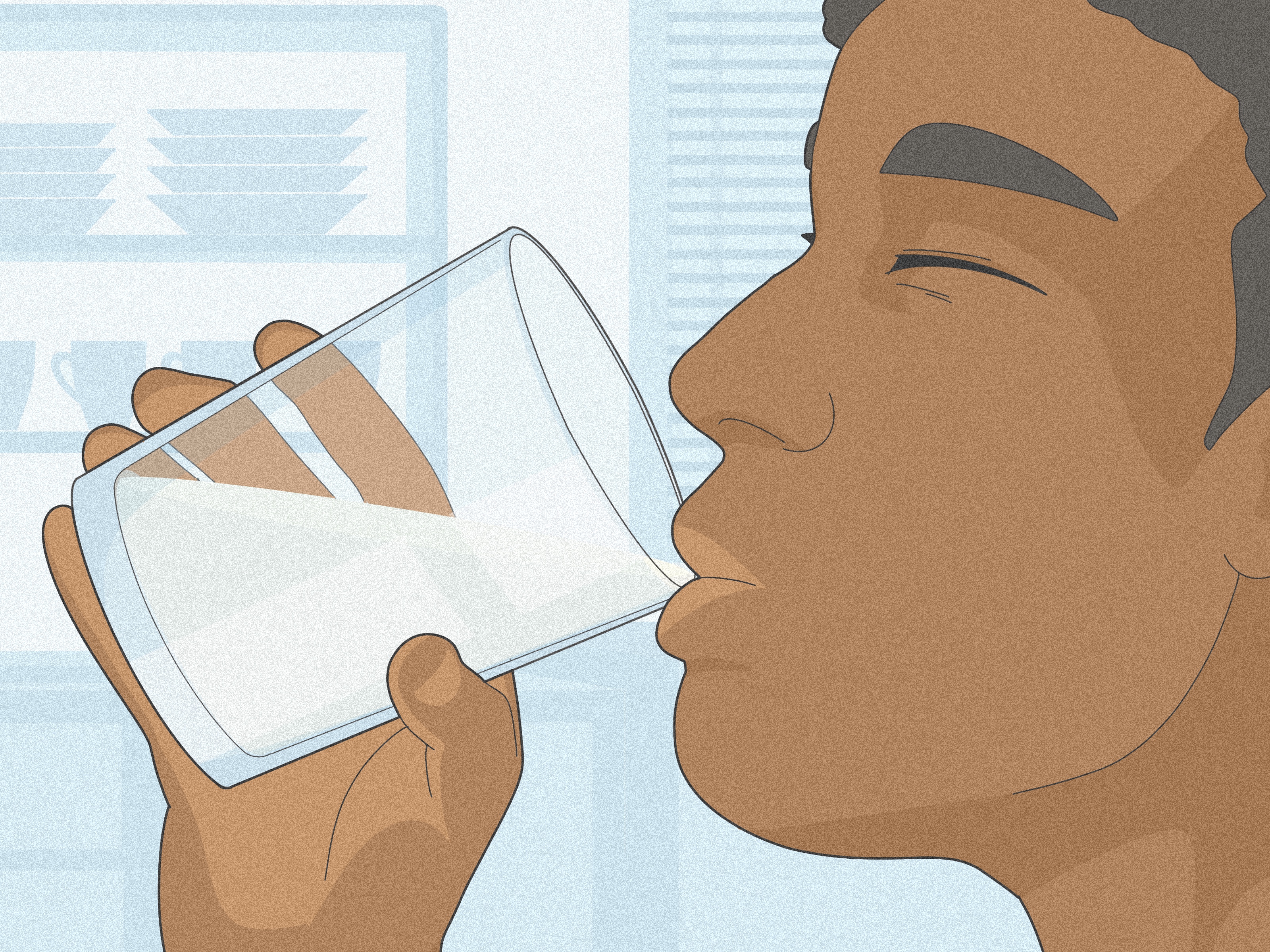
Water is usually a disappointing rescue drink because capsaicin does not dissolve well in it. Water may move the compound around the mouth rather than effectively removing it. Milk performs better because its proteins can help lift capsaicin from oral surfaces. In a Penn State sensory study comparing several beverages, both skim and whole milk were among the most effective options for reducing capsaicin burn.
Helpful options include:
- Milk, yogurt, sour cream, or another dairy product
- Rice, bread, tortillas, or potatoes
- A spoonful of yogurt-based sauce
- Something sweet, such as honey or a sugary drink
- A brief pause before taking another heroic bite
People with reflux, irritable bowel symptoms, or sensitive digestive systems may experience abdominal burning, heartburn, or discomfort from chile-heavy meals. Those reactions vary by individual, so personal symptoms matter more than whether a menu calls the dish mild or medium.
A Real-World Mild Versus Medium Tasting Experience
A useful way to understand the difference between mild and medium is to taste two versions of the same food side by side. Salsa works especially well because it allows the pepper heat to remain noticeable without too many competing ingredients. Start with two products from the same brandone labeled mild and one labeled mediumand use plain tortilla chips so flavored chips do not interfere with the comparison.
The mild salsa will often reveal its non-chile flavors first. You may notice tomato acidity, onion, cilantro, garlic, lime, roasted vegetables, or sweetness before detecting any burn. After swallowing, the tongue may feel slightly warm, but the sensation normally fades quickly. You can continue eating without changing your pace, reaching for a drink, or wondering why your upper lip has started sweating.
The medium version usually announces itself sooner. The first bite may still taste balanced, but within several seconds a more obvious tingling develops on the tongue, lips, or roof of the mouth. The sensation may build over several bites because capsaicin exposure accumulates faster than it fades. This is why the first medium-spiced chip can seem easy while the sixth suddenly feels as though the salsa has renegotiated the agreement.
A second useful experience occurs when ordering medium heat at an unfamiliar restaurant. Imagine that your regular neighborhood restaurant uses jalapeños for medium salsa, but the new restaurant uses serranos or a concentrated chile paste. Both kitchens honestly call the result medium because each is comparing it with its own mild and hot recipes. The new dish may therefore taste much hotter even though nobody labeled it incorrectly according to an official national scalebecause no such universal restaurant scale exists.
Cooking at home provides another lesson. Adding one finely chopped jalapeño to a large pot of chili may produce only mild warmth. Adding the same pepper to a small bowl of guacamole concentrates the capsaicin in far less food, creating a stronger experience. Leaving more of the inner placenta attached can increase the heat further. Ingredient quantity, preparation method, serving size, and dilution all matter.
The tasting experience also changes when the surrounding food changes. Medium chile sauce served with rice, cheese, beans, or sour cream may feel softer than the same sauce eaten by itself. A hot, thin soup can spread capsaicin across the mouth quickly, while a thick dairy-based dish may deliver a slower, more controlled burn. The pepper has not necessarily changed; the delivery system has.
Personal tolerance becomes obvious during group meals. One diner may eat medium salsa comfortably while another pauses after every bite. Neither person is objectively wrong. Scoville measurements can estimate the chemical intensity of a pepper, but they cannot perfectly predict an individual’s pain sensitivity, experience, expectations, or enjoyment.
The safest practical approach is to treat mild and medium as relative steps. Begin with a small taste, wait several seconds, and remember that heat can build. Moving from mild to medium is easy. Reversing a mouthful of habanero-inspired optimism is considerably more complicated.
Conclusion: Medium Wins the Heat Contest
When comparing the two labels directly, medium is hotter than mild. Mild provides little or gentle heat, while medium creates a clearer and usually longer-lasting burn. The exact difference depends on the pepper variety, capsaicin concentration, recipe, serving size, restaurant, manufacturer, and your personal tolerance.
The Scoville scale offers a more objective way to discuss chile heat, especially when laboratory testing is used. Still, an SHU number cannot capture every detail of the eating experience. Other ingredients, food temperature, pepper chemistry, and individual sensitivity all influence how spicy a dish feels.
Note: When trying an unfamiliar product or restaurant, use its mild-medium-hot scale only as an internal comparison. Ask which peppers are used, request sauce on the side, and sample cautiously before promoting yourself to the next heat level.