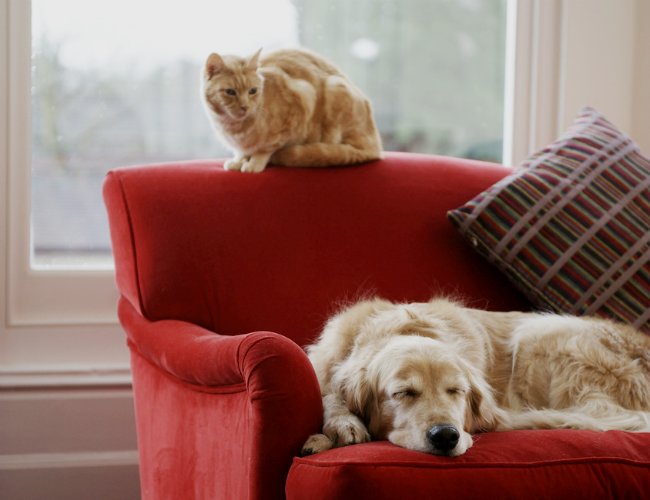
If you have ever looked at your cat and wondered, “Do you love me, or am I just the tall can-opener in this relationship?” welcome to the club. Cats are famously subtle. They are not usually going to write you a sonnet, send you a good-morning text, or run into your arms like a rom-com lead. Their style is more mysterious. More elegant. More, “I shall now sit on your laptop to express devotion.”
The good news is that cats absolutely do form strong bonds with people. The tricky part is learning to recognize the language of feline affection. Unlike dogs, who tend to announce their feelings with their whole bodies and half the neighborhood, cats often show love in quieter, more refined ways. A glance, a head bump, a tail held high, or a nap taken suspiciously close to your face can say a lot.
If you want to know how to tell if your cat loves you, start by paying attention to body language, daily habits, and context. No single behavior proves everything on its own, and not every cat will show affection the same way. Age, personality, breed tendencies, life history, and plain old feline weirdness all matter. But when several of these signs show up together, you can safely assume your cat cares about you very much, even if they still judge your life choices from the top of the bookshelf.
Why Cat Affection Can Be Easy to Miss
People sometimes misread cats because they expect dog-style affection. Cats, however, are built for subtle communication. They use posture, scent, eye contact, touch, routine, and proximity to signal comfort and trust. In other words, your cat may be saying “I adore you” without ever doing anything dramatic enough for a movie soundtrack.
That is why understanding cat affection signs matters. Once you know what to look for, your cat’s behavior starts making a lot more sense. Suddenly, the slow blink is not random. The little forehead bonk is not an accidental collision. The fact that your cat escorts you to the bathroom like a fuzzy bodyguard starts to feel less like surveillance and more like emotional investment.
14 Signs Your Cat Loves You
1. They Give You the Slow Blink
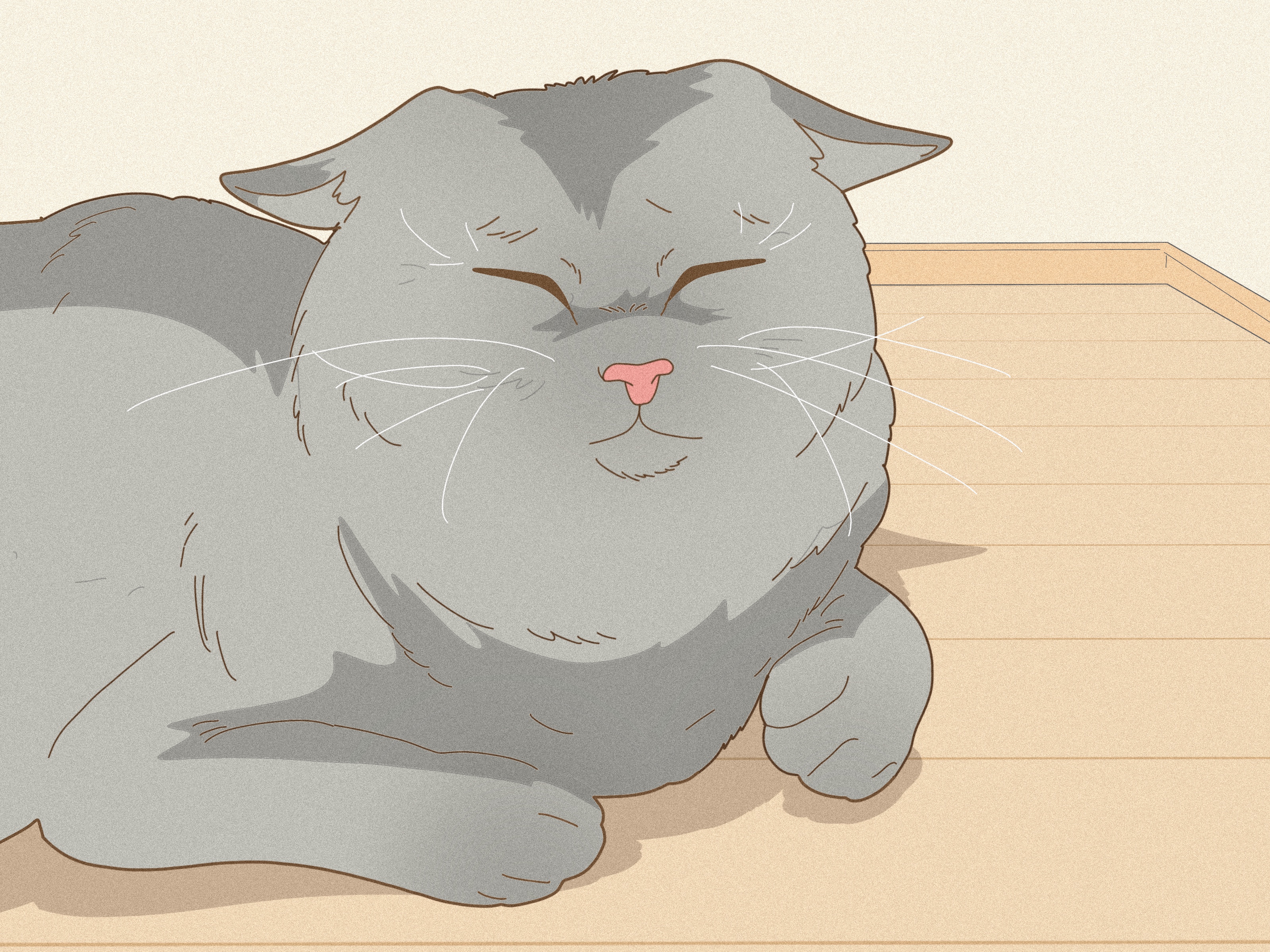
Among the clearest signs your cat loves you is the famous slow blink. When a cat looks at you with soft eyes and slowly closes and opens them, that is usually a sign of trust and comfort. In cat language, a hard stare can feel threatening. A slow blink does the opposite. It says your cat feels safe enough to relax around you.
This is why many cat lovers call it a “kitty kiss.” If your cat offers one, try returning it. Do not stare like you are in a Western standoff. Just soften your face, blink slowly, and look gentle. Some cats will blink back immediately. Congratulations: you have just exchanged emotional mail in fluent feline.
2. They Head-Butt You or Rub Their Face on You
When your cat bumps their forehead against your hand, cheek, or leg, they are not being rude. They are doing something called bunting. Cats have scent glands on their head and face, and rubbing those areas on you helps them leave behind familiar scent markers.
That means your cat is not only showing affection but also claiming you as part of their safe, trusted world. It is a little romantic and a little possessive, which, frankly, is on-brand for cats. Face rubs, chin rubs, and body weaves around your ankles often mean the same thing: you belong in their inner circle.
3. They Greet You with Their Tail Up
A tail held upright, especially with a slight curve at the tip like a question mark, is one of the friendliest pieces of cat body language. Cats often use this posture when greeting humans or other cats they feel good about. It is basically the feline version of walking into the room smiling.
If your cat approaches you with their tail high, rubs on your legs, and seems pleased that you have returned from the terrible wilderness known as “your job,” take it as a compliment. This sign is especially meaningful if your cat comes to meet you at the door. That is not just curiosity. That is a welcome committee with whiskers.
4. They Knead You Like Dough
Kneading, also known as “making biscuits,” is one of the most beloved and slightly painful signs of cat affection. Kittens knead their mother while nursing, so the behavior is linked to comfort and security from the earliest stages of life. Many adult cats continue to knead soft blankets, pillows, and favorite humans.
If your cat climbs into your lap, starts purring, and works your legs like they are prepping focaccia, that usually means they feel relaxed and content. Yes, claws may be involved. Yes, denim helps. But emotionally, it is a sweet gesture. Your cat is basically saying, “This is cozy. I trust you. Also, sorry about your thighs.”
5. They Choose to Sit on You or Close to You
Not all affectionate cats are lap cats, but most loving cats choose your company in some form. Maybe they curl up on your chest. Maybe they wedge themselves against your hip on the couch. Maybe they sit exactly six inches away, pretending not to care while very clearly caring.
Proximity matters with cats. They do not usually spend their downtime pressed near people they dislike. If your cat regularly chooses your lap, your desk, the arm of your chair, or the spot beside your pillow, they are showing trust. In cat terms, sharing space is a big deal. It means your presence feels safe, familiar, and worth seeking out.
6. They Follow You from Room to Room
Some cats shadow their favorite person like a furry assistant manager. They trail you to the kitchen, supervise laundry, appear in the hallway for no obvious reason, and somehow materialize whenever you open a cabinet. This behavior can be part curiosity, part routine, and part attachment.
If your cat likes to be wherever you are, that is often a sign they enjoy your company. They may not want constant cuddling, but they want to be included in the action. And by “action,” cats often mean watching you brush your teeth while offering mysterious moral support. A cat that keeps tabs on you is often a cat that cares.
7. They Sleep Near You or on You
Sleep is a vulnerable state for cats. That is why choosing to nap beside you, on your legs, or near your head can be a major trust signal. Your cat is saying, “I feel secure enough to power down in your presence.” That is not small. That is elite-level confidence.
Some cats sleep on the bed but not touching you. Others become a weighted blanket with opinions. Both can reflect affection. If your cat consistently picks your side of the couch, your chair, your pillow, or the warm patch you just vacated, they are seeking closeness and comfort linked to you.
8. They Groom You
If your cat licks your hair, hand, ear, or eyebrows for reasons known only to the feline council, they may be treating you like family. Social grooming, also called allogrooming, is something bonded cats do with each other. It helps reinforce social ties and shared scent.
Human skin is admittedly a weird grooming surface, and cat tongues are basically adorable sandpaper, but the meaning is usually sweet. Your cat is including you in a behavior associated with closeness and familiarity. Just do not expect your hairstyle to improve. A cat grooming session tends to be less “salon blowout” and more “emotionally significant chaos.”
9. They Purr During Relaxed Time with You
Purring often shows contentment, especially when your cat is relaxed, cuddled up near you, or enjoying gentle petting. If your cat settles into your lap, half-closes their eyes, and starts the tiny engine, that is usually a very good sign.
That said, context matters. Cats can also purr when stressed, uncomfortable, or in pain. So do not assume every purr means pure bliss. Look at the whole picture. Relaxed muscles, soft eyes, easy breathing, and calm posture point toward happiness. A tense body, flattened ears, hiding, or unusual behavior suggest something else may be going on. Love is real, but veterinary common sense still applies.
10. They Trill, Chirp, or Meow to Greet You
Cats do not always use vocalizations with each other the way they use them with humans. Many cats develop special sounds for the people they love. A soft meow when you wake up, a chirpy trill when you walk in the door, or a cheerful little conversation while you prepare dinner can all be signs of social connection.
Think of these sounds as personalized commentary. Your cat may be saying hello, asking for attention, or inviting interaction. If their greeting voice is distinct from their “feed me right now or face consequences” voice, even better. It means they have built a communication style specifically for you.
11. They Show You Their Belly or Flop Over Near You
When a cat rolls onto their side or back around you, that often signals trust. The belly is a vulnerable area, so exposing it can mean your cat feels safe. It does not always mean “please rub my stomach immediately.” Sometimes it means, “I trust you enough to be ridiculous in your presence.”
This is an important distinction because many loving cats will show their belly but still prefer chin scratches over tummy contact. The sign of affection is the relaxed, exposed posture itself. The sign of bad decision-making is assuming every belly is an invitation. Proceed with respect and all fingers accounted for.
12. They Bring You Toys or “Gifts”
If your cat drops a toy mouse at your feet, they may be inviting you to play, sharing a prized object, or including you in their world. In some cases, cats also bring prey or pretend prey to the people they trust most. While this can be unsettling, the intention is often social rather than sinister.
It may be your cat’s way of teaching, sharing, or simply saying, “You are part of my group, and I would like to involve you in this highly important business.” A crumpled pom-pom at 2 p.m. is cute. A mystery offering at 6 a.m. is less cute. Either way, the behavior often reflects attachment.
13. They Lean Into Your Hand and Ask for More Pets
Affectionate cats do not just tolerate touch; they often actively seek it. If your cat pushes their head into your hand, circles back for another scratch, lifts their chin, or positions themselves for petting, they are showing you what they want more of. That is trust in action.
Many cats have favorite touch zones, such as the cheeks, chin, forehead, and base of the ears. When they present those areas to you and then stay relaxed, that usually means they feel good with you. It is their version of saying, “Yes, that spot. Keep going. You may continue your excellent work.”
14. They Relax Fully Around You
Sometimes the strongest sign your cat loves you is not dramatic at all. It is the way they breathe evenly near you, stretch out without tension, loaf peacefully in your presence, or simply exist without feeling the need to stay on alert. A cat that can truly relax around you trusts you.
This matters because cats are observant animals. They do not drop their guard carelessly. If your cat can nap deeply, lounge with loose muscles, close their eyes, or casually turn their back to you, that is meaningful. You are not just tolerated. You are part of the safe zone.
What If Your Cat Shows Only a Few of These Signs?
That is completely normal. Some cats are obvious lovers. Others are private, complicated little poets. A reserved cat may never become a lap-sitter and still love you deeply. They may show affection by sitting nearby, blinking at you from across the room, greeting you with a tail up, or sleeping outside your door like a tiny security guard.
The real key is consistency. Ask yourself: does my cat seek me out, relax around me, greet me warmly, or choose me when they want comfort? If the answer is yes, affection is probably there. It may just be wearing a trench coat and sunglasses.
When Affection Changes Suddenly
If your cat suddenly becomes unusually clingy, unusually distant, stops grooming, hides more, vocalizes differently, or no longer enjoys normal interaction, do not write it off as moodiness. Changes in behavior can signal stress, discomfort, or illness. Cats are very good at being subtle, which is helpful for their dignity and terrible for our detective work.
If something feels off, a veterinary checkup is smart. The goal is not to panic over every odd afternoon nap. It is simply to remember that changes in cat behavior deserve attention, especially when they are sudden or paired with changes in appetite, litter box habits, grooming, or mobility.
Real-Life Experiences: What Cat Love Often Looks Like Day to Day
Living with a cat who loves you is rarely one grand cinematic moment. It is usually a collection of small, repeat behaviors that become part of everyday life. Maybe your cat starts meeting you at the door every evening, stretching tall with that upright tail like they have been rehearsing your arrival all day. Maybe they hop onto the couch five minutes after you sit down, pretending it was their idea all along, then settle against your leg with a sigh that somehow feels both affectionate and faintly judgmental.
Many cat owners notice that love shows up most clearly in routines. The cat who follows you to the kitchen every morning is not always asking for food. Sometimes they are simply joining your ritual. The one who sits on the bathmat while you get ready for work may just want to be near you. The one who waits outside the bathroom door, as if you have entered a dangerous portal and might need supervision, is showing a very cat-specific kind of loyalty.
Then there are the bedtime habits. A lot of people say their cat becomes softest and most affectionate at night. They curl against your feet, drape themselves across your chest, or perform a brief biscuit-making shift on your blanket before going to sleep. Some cats groom your hair. Some boop your face at 3 a.m. because love, apparently, never sleeps. Annoying? Sometimes. Personal? Absolutely.
Another common experience is the “check-in.” A bonded cat may wander off for a while, do important cat business in another room, and then return just to see where you are. They may not stay long. They may simply glance at you, blink, and leave again. But that little reappearance says a lot. You are part of their map of safety and normalcy.
People also talk about how different cat affection feels once trust deepens. A shy or newly adopted cat may start with tiny signs: sitting a little closer, blinking more often, accepting a gentle chin rub, or lying down with their back to you. Over time, those signs can grow into head bumps, naps nearby, grooming, and playful attention-seeking. It is one reason cat relationships feel so rewarding. You do not just receive affection; you earn it.
And yes, sometimes cat love is weird. It can look like a stolen sock delivered proudly into the hallway, a paw placed directly on your keyboard, or a dramatic flop in front of your feet when you are clearly trying to walk. But beneath the comedy is something real. Cats show love through trust, routine, choice, and comfort. When your cat chooses you again and again, in all their odd little ways, that is affection worth noticing.
Final Thoughts
If you have been asking yourself how to tell if your cat loves you, the answer is usually hidden in the details. Look for the slow blinks, the head bumps, the tail-up greetings, the naps nearby, the grooming, the purring in relaxed moments, and the choice to be close. Love from a cat is not always loud, but it is often incredibly sincere.
Once you learn the signs, you may realize your cat has been saying “I care about you” for quite a while. Just in a quieter accent. A furrier accent. An accent that occasionally involves sitting on your clean laundry. Classic cat.