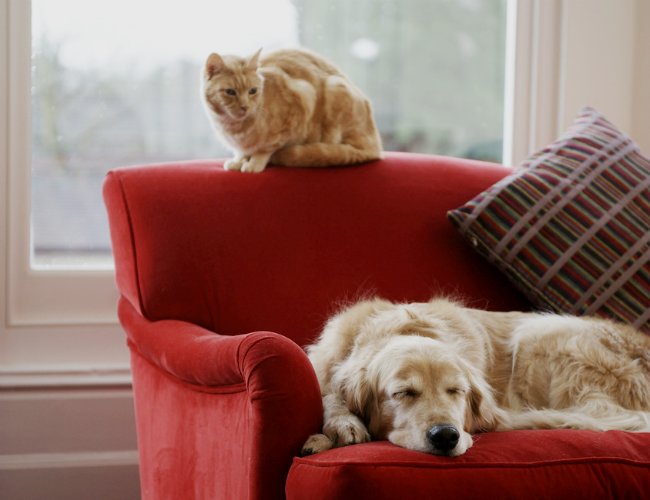
Upholstery is where life sits down. It catches popcorn during movie night, absorbs the occasional coffee panic, collects pet hair with suspicious enthusiasm, and somehow remembers every snack your kids have ever eaten. The good news? Most upholstered furniture can be cleaned safely at home when you understand the fabric, use the right method, and resist the heroic urge to soak the sofa like it owes you money.
This practical guide explains how to clean upholstery the smart way: by reading the care code, vacuuming first, spot-testing cleaners, treating stains gently, and knowing when to call a professional. Whether you are dealing with a fabric sofa, microfiber chair, velvet accent piece, upholstered dining seat, or everyday couch cushions, the goal is simple: remove dirt and odors without damaging the fabric, shrinking the cushion cover, leaving water rings, or turning one tiny stain into a dramatic home-improvement subplot.
Start Here: Read the Upholstery Cleaning Code
Before you grab a spray bottle, find the furniture care tag. It is usually under the seat cushion, beneath the frame, or attached to the platform of the sofa. That small tag is not decorative confetti; it is the instruction manual your couch has been quietly wearing for years.
What the Cleaning Codes Mean
- W: Use water-based cleaners, such as mild dish soap diluted in water or a fabric-safe upholstery shampoo.
- S: Use solvent-based cleaners only. Water may stain, shrink, or distort the fabric.
- WS or W/S: Either water-based or solvent-based cleaners may be used, but testing is still essential.
- X: Vacuum or brush only. Do not use water, foam, steam, or cleaning solvents. Call a professional for stains.
If there is no tag, proceed conservatively. Test any cleaner in a hidden area, such as the back bottom edge or underside of a cushion. If color transfers, the fabric puckers, or the texture changes, stop. Upholstery has a way of punishing impatience.
Tools and Supplies You May Need
You do not need a laboratory to clean upholstery, but a few basic tools make the job safer and more effective:
- Vacuum with upholstery brush and crevice attachments
- Soft-bristle brush
- White microfiber cloths
- Mild clear dish soap
- Distilled water, especially in areas with hard tap water
- Baking soda for odor control
- Rubbing alcohol or upholstery-safe solvent for S-coded fabrics
- Commercial upholstery cleaner matched to the care code
- Portable upholstery cleaner for water-safe fabrics
- Fan for faster drying
Use white cloths whenever possible. Colored towels can transfer dye, especially when used with alcohol-based cleaners. That is the kind of surprise no one wants on a beige sofa.
Step-by-Step: How to Clean Upholstery Safely
1. Remove Loose Items and Check the Cushions
Take off throws, pillows, toys, coins, and whatever mystery object is wedged between the cushions. If the cushion covers are removable, do not assume they are machine washable. Many covers can shrink, fade, or lose backing if washed incorrectly. Always check the label first.
2. Vacuum Thoroughly
Vacuuming is the unglamorous hero of upholstery cleaning. Dirt, crumbs, skin flakes, pet dander, and dust settle into fabric fibers. If you skip vacuuming and go straight to liquid cleaner, you may turn dry soil into muddy streaks. Use the upholstery brush on broad surfaces and the crevice tool along seams, buttons, edges, and under cushions.
For homes with pets, kids, or frequent sofa snacking, vacuum upholstered furniture weekly. For lower-traffic pieces, once or twice a month may be enough. Think of it as dental care for your couch: not exciting, but much cheaper than major repair.
3. Deodorize With Baking Soda
If the upholstery smells stale, sprinkle a light layer of baking soda over the fabric and let it sit for 15 to 30 minutes. For stronger odors, leave it longer, then vacuum thoroughly. Baking soda helps absorb odors, but it is not a disinfectant or a stain remover for every situation. It freshens; it does not perform miracles.
4. Spot-Test the Cleaner
Apply a small amount of your chosen cleaner to a hidden area. Blot with a white cloth and wait until the area dries. Look for fading, bleeding, rings, stiffness, or texture changes. If the test area looks normal, continue. If not, switch methods or call a professional.
5. Clean According to the Fabric Code
For W-coded upholstery, mix a small amount of mild clear dish soap with warm water. A gentle ratio is about one teaspoon of dish soap to a quart of water for spot cleaning, or an even weaker solution for larger areas. Dip a microfiber cloth or sponge into the suds, wring it until damp rather than dripping, and blot the fabric. Avoid saturating the cushion padding.
For S-coded upholstery, use a water-free upholstery solvent and follow the product directions carefully. Work in a well-ventilated room, keep solvents away from flames, and apply the cleaner to a cloth rather than pouring it onto the fabric. Blot gently and allow the area to dry fully.
For WS-coded upholstery, you may be able to use either water-based or solvent-based methods. Start with the gentlest option and test first. Just because a fabric is flexible does not mean it wants to be soaked like a bath towel.
For X-coded upholstery, vacuum and brush only. If a stain remains, contact a professional upholstery cleaner. With X-coded fabrics, DIY liquid cleaning is a gamble, and the house usually wins.
6. Blot, Do Not Rub
When treating stains, blot from the outside edge toward the center. Rubbing can spread the stain, grind residue deeper into the fibers, and rough up the fabric. Upholstery is not a cast-iron pan; aggressive scrubbing is rarely your friend.
7. Rinse Lightly When Appropriate
For water-safe fabrics, remove soap residue by blotting with a clean cloth dampened with plain water. Too much soap left behind can attract dirt, making the cleaned spot look grimy again faster. Use as little moisture as possible.
8. Dry Completely
Let upholstery air dry fully before sitting on it. Use a fan, open windows, or improve ventilation to speed up drying. Do not replace cushions until all sides are dry. Damp upholstery can develop musty smells, and nobody wants a sofa that smells like a basement wearing perfume.
How to Remove Common Upholstery Stains
Coffee and Tea
Blot immediately with a dry white cloth. For W-coded fabric, use a mild dish soap and water solution, then blot with plain water to rinse. Repeat gently. Avoid flooding the area because coffee can travel deeper into the cushion.
Grease and Oil
Sprinkle baking soda or cornstarch over the stain and let it sit for 15 to 30 minutes to absorb oil. Vacuum it up, then treat according to the cleaning code. For solvent-safe fabrics, a small amount of dry-cleaning solvent may help. For water-safe fabrics, use mild soap, which can break up oily residue.
Wine
Blot quickly and keep the stain from spreading. For W-coded upholstery, use a damp cloth with mild soap solution. Avoid heat, which can help set stains. If the wine stain is large, dark, or on delicate fabric, professional cleaning may be the safest move.
Pet Accidents
Remove solids first, then blot moisture. For water-safe upholstery, an enzyme cleaner can help break down organic residue and odor. Follow the product label and give it enough dwell time to work. Do not use steam first on protein-based stains, as heat may set odor and discoloration.
Ink
Ink can be tricky. On some solvent-safe fabrics, rubbing alcohol applied sparingly to a cloth may lift ink. Blot carefully and test first. Never pour alcohol directly onto upholstery, and do not rub. If the ink spreads, stop immediately.
Old Set-In Stains
Old stains require patience. Vacuum first, then treat lightly according to the fabric code. You may need several gentle rounds rather than one dramatic attack. If the stain has already bonded with the fibers, a professional cleaner may improve it but cannot always erase it completely.
How to Clean Different Upholstery Materials
Fabric Upholstery
Most everyday fabric sofas respond well to routine vacuuming, fast spill response, and light spot cleaning. The key is to avoid over-wetting. Even if the outer fabric is water-safe, the cushion filling may hold moisture. Clean small areas at a time and dry thoroughly.
Microfiber
Microfiber is durable, but it can show water rings if cleaned incorrectly. Always check whether the tag says W, S, WS, or X. After cleaning and drying, use a soft brush to restore the texture. If the fabric feels stiff, gentle brushing often brings back its soft, suede-like finish.
Velvet
Velvet is dramatic, elegant, and just a little high-maintenance. Vacuum it with a soft brush attachment, blot spills immediately, and avoid crushing the pile. Many velvet pieces require professional care, especially silk velvet or antique upholstery. Brush in the direction of the nap after drying.
Leather
Leather is not cleaned the same way as fabric upholstery. Dust or vacuum with a soft brush, then wipe with a barely damp cloth if the leather is finished and the manufacturer allows it. Use a leather cleaner and conditioner designed for furniture. Avoid harsh detergents, excess water, ammonia, and bleach.
Linen, Silk, Wool, and Antique Upholstery
Natural fibers and older upholstered pieces can be sensitive to water, heat, and agitation. If the furniture is valuable, fragile, or sentimental, do not experiment. A professional cleaner can identify the fabric and choose a safer method.
Can You Use a Steam Cleaner on Upholstery?
Sometimes, but not always. Steam can help loosen soil on water-safe upholstery, but it can damage fabrics that are not designed for moisture or heat. It can also create water marks if used unevenly. Before using steam, confirm that the upholstery allows water-based cleaning. Use the lowest effective moisture setting and avoid lingering in one spot.
Never use steam on X-coded upholstery, many S-coded fabrics, delicate velvet, silk, or furniture with unknown construction. When in doubt, skip the steam. A cautious couch is better than a soggy regret cushion.
How Often Should You Clean Upholstery?
A good routine keeps upholstery from reaching the “what happened here?” stage. Vacuum weekly in busy households and monthly in low-use rooms. Spot clean spills immediately. Deodorize with baking soda as needed. Deep clean water-safe upholstery once or twice a year, or more often if pets, allergies, heavy use, or small children are involved.
Professional cleaning every 12 to 24 months can help remove embedded soil and refresh furniture, especially for high-quality pieces. If your couch gets daily use, professional maintenance may extend its life and keep the fabric from looking tired before its time.
Common Upholstery Cleaning Mistakes to Avoid
Using Too Much Water
Over-wetting is one of the biggest upholstery cleaning mistakes. It can cause water rings, shrinkage, mildew odors, and cushion damage. Damp is good. Dripping is trouble.
Ignoring the Cleaning Code
The care tag exists for a reason. A water-safe fabric and a solvent-only fabric can look almost identical. Guessing based on appearance is risky.
Scrubbing Stains Aggressively
Scrubbing may feel productive, but it often spreads stains and damages fibers. Blot patiently instead.
Using Laundry Pods or Heavy Detergent
Laundry products are designed for washing machines, not sofa cushions. Concentrated detergent can leave residue, attract dirt, irritate skin, and be difficult to rinse from upholstery.
Skipping the Drying Step
Cleaning is not finished until the fabric is dry. Use airflow and patience. Sitting too soon can flatten fibers and trap moisture.
When to Call a Professional Upholstery Cleaner
Call a professional if the care code is X, the fabric is silk or antique, the stain is large, the odor is persistent, or the furniture has sentimental or financial value. Professionals have extraction equipment, fabric-specific products, and experience with materials that do not respond well to DIY methods.
You should also call for moldy smells, repeated pet accidents, heavy body-oil buildup, or stains that keep reappearing after cleaning. Reappearing stains often mean residue has traveled into the cushion and is wicking back to the surface.
Extra Experience-Based Tips for Cleaning Upholstery at Home
After cleaning plenty of everyday upholstery, one lesson stands above the rest: the best results usually come from boring methods done consistently. The dramatic before-and-after videos online are fun, but real furniture care is less about creating foam mountains and more about removing soil without creating a new problem.
For example, a family sofa that gets used every day rarely needs a full deep clean every weekend. What it needs is a five-minute reset: remove the crumbs, vacuum the seams, lift the cushions, and check for fresh spots. This small habit prevents dirt from grinding into the fabric. It also keeps the sofa from developing that mysterious gray film that appears when dust, body oils, and snack residue decide to form a tiny furniture committee.
Another useful habit is keeping a small upholstery emergency kit nearby. A few white microfiber cloths, a soft brush, baking soda, and a fabric-safe cleaner can save you from panic-cleaning. When a spill happens, speed matters. Blot first, think second. Many stains become worse because someone runs to the sink, returns with a soaking towel, and scrubs like they are trying to erase history. A calm blot with a dry cloth removes more liquid than people expect.
Pet owners should pay extra attention to odor, not just visible stains. Fur can be removed with a vacuum, lint roller, or rubber glove, but odor often lives deeper in the fibers. For water-safe upholstery, enzyme cleaners are helpful for pet accidents because they target organic residue. The trick is giving the product time to work. Spraying and wiping immediately may smell productive, but enzymes need contact time. Always follow the label and keep pets away until the area is fully dry.
Light-colored upholstery deserves special caution. It shows water rings, dye transfer, and leftover soap more easily than darker fabric. Use distilled water when possible, avoid colored towels, and clean beyond the exact stain edge so the treated area blends naturally. For white or cream upholstery, it is tempting to use strong cleaners, but harsh products can yellow fabric, weaken fibers, or leave uneven patches. Gentle repetition is safer than chemical bravery.
One more practical tip: clean matching cushions the same way at the same time. If you spot-clean only one cushion on an older sofa, that cushion may look brighter than the rest. Suddenly, instead of one stain, you have a clean circle of accusation. When doing a visible area, lightly refresh the surrounding panel or cushion so the result blends.
Finally, know when to stop. If a stain lightens but does not disappear after a few careful attempts, more scrubbing may not help. Upholstery fibers can only take so much moisture and friction. Sometimes the smartest DIY move is calling a professional before a small stain becomes a permanent texture change. Good upholstery cleaning is not about winning a battle against the couch. It is about keeping the couch comfortable, clean, and ready for the next movie night, coffee break, pet nap, or accidental salsa incident.
Conclusion
Cleaning upholstery is not complicated once you follow the right order: read the care code, vacuum thoroughly, test first, use the correct cleaner, blot gently, avoid over-wetting, and dry completely. Most everyday stains can be improved with quick action and a light touch. The real secret is consistency. A weekly vacuum, fast spill response, and occasional deep cleaning will keep your sofa, chairs, and cushions fresher for longer.
Still, not every upholstery problem belongs in the DIY category. Solvent-only fabrics, delicate materials, antique furniture, and serious stains deserve professional attention. Your furniture works hard. Treat it kindly, clean it wisely, and it will keep supporting your naps, guests, pets, and snack-based lifestyle for years to come.