Shoveling snow looks innocent enough from the window. It is white, fluffy, and almost cinematicuntil you step outside and realize your driveway has become a frozen gym membership you never asked for. One minute you are admiring the snowfall, and the next you are negotiating with a shovel like it is a difficult coworker. The good news is that driveway snow removal does not have to wreck your back, gas out your lungs, or leave you questioning every life decision that brought you to winter.
If you know how to shovel snow the smart way, the job becomes faster, safer, and far less miserable. The trick is not brute force. It is strategy. The best snow shoveling tips combine timing, body mechanics, pacing, and a little common sense about weather conditions. In other words, you do not win by acting like a hero in a holiday movie. You win by working smarter than the snow.
This guide walks through how to shovel a driveway safely, when to start, what technique works best, and which mistakes turn a manageable task into a full-body complaint letter.
Why Shoveling Snow Feels So Hard
Snow shoveling is sneaky exercise. It combines lifting, pushing, walking on slippery ground, twisting, cold air, and repetitive motion. That is a lot for a job most people treat like a quick household chore. Your body is working harder than it seems, especially when the snow is wet, packed, or partially melted and refrozen.
Driveways make the task even tougher because they are wide, open, and often bordered by awkward spots where snow gets compacted. You may also have to deal with the dreaded ridge of dense snow left behind by the plow at the end of the driveway. That chunk is basically winter’s way of saying, “Oh, you thought you were done?”
The biggest risks usually come from overdoing it. Heavy lifting, poor posture, rushing, and trying to clear too much at once can lead to back strain, sore shoulders, slips, falls, or worse. That is why the safest approach is also the most efficient one.
Before You Start: Set Yourself Up for an Easier Job
Check the snow type first
Not all snow is created equal. Light, powdery snow is annoying but manageable. Wet snow is the villain. It is heavier, denser, and much more demanding to lift. If the driveway has a thick layer of slushy snow, plan on slower progress and smaller scoop loads.
Dress for movement, not just warmth
Wear layers so you stay warm without overheating. You want insulated gloves, waterproof boots with traction, and outerwear that blocks wind without making you feel like a marshmallow wrapped in bubble wrap. Too much bulk restricts movement. Too little makes the cold work against you. Aim for “mobile snow warrior,” not “lost in a sleeping bag.”
Warm up before you lift
It is tempting to walk outside and start attacking the driveway immediately. Bad idea. Spend five to ten minutes warming up with arm circles, a brisk walk, gentle squats, and light stretches for your legs, shoulders, and back. Cold muscles do not love sudden heroics.
Choose the right shovel
A good snow shovel can make a huge difference. For lighter snow, a wide shovel helps you move more with each push. For heavy or wet snow, a smaller shovel is usually smarter because it prevents you from loading up more than your body should handle. An ergonomic handle may feel more comfortable for some people, but the real key is choosing a shovel that is not too heavy and not too short.
Hydrate before heading out
People forget that winter work still makes you sweat. Even in cold weather, you can get dehydrated. A glass of water before you start is a simple move that pays off later.
The Best Way to Shovel a Driveway
Start early and shovel often
The easiest snow to remove is fresh snow before it gets packed down by walking, driving, or partial melting. If possible, start when a light layer has accumulated instead of waiting until the whole storm is over and the driveway is buried. Clearing two smaller rounds is usually easier than tackling one giant mess.
This is especially true for wet snow. Once it compacts, it becomes dramatically heavier. Early action can save your back and a lot of muttering.
Push the snow whenever you can
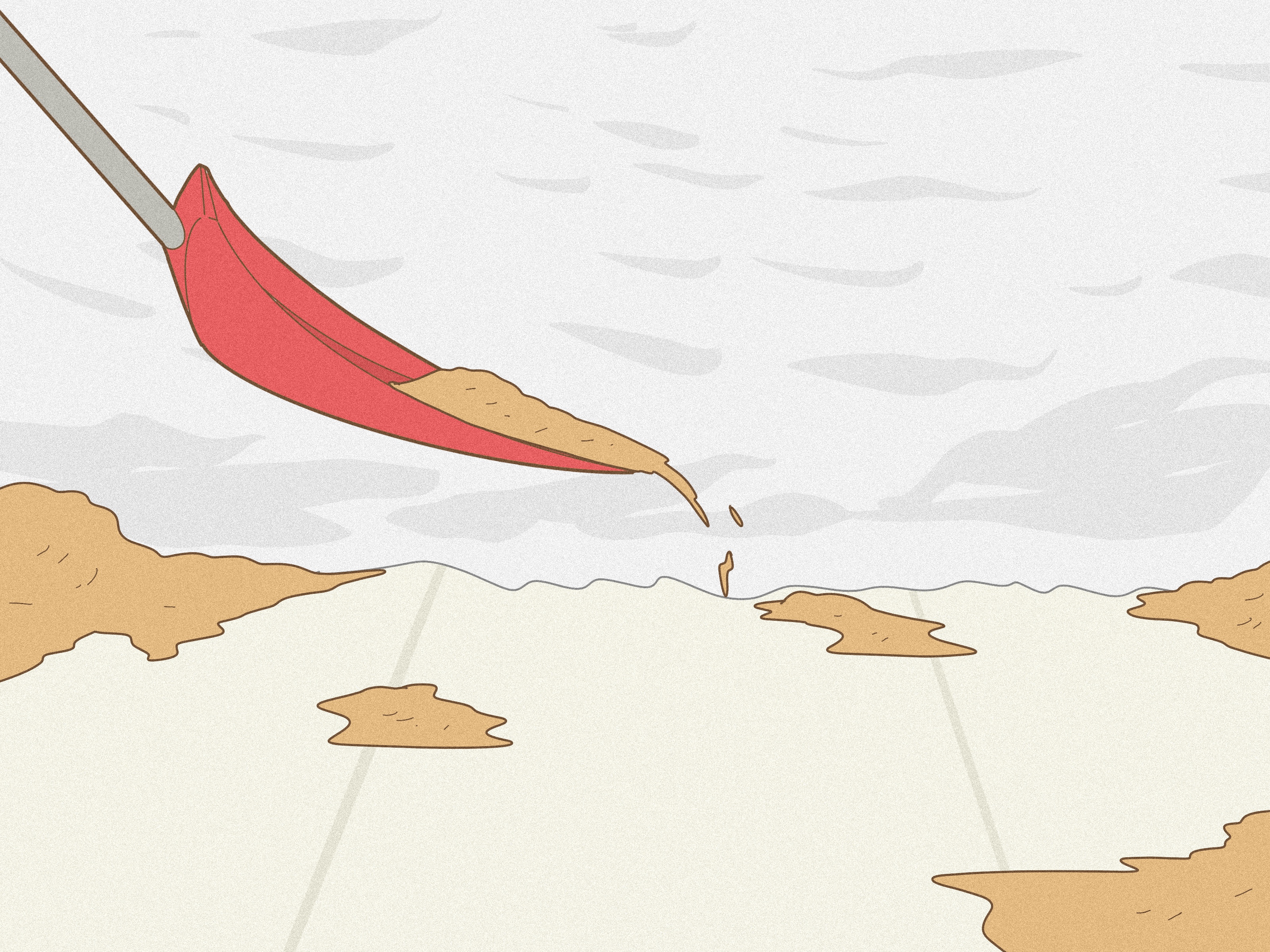
If you remember only one thing from this article, make it this: push first, lift second. Pushing snow across the driveway is usually safer than scooping and throwing it. Lifting creates more strain on your back, shoulders, and heart. Sliding the shovel forward like a plow is often the most efficient way to clear large areas.
For a typical driveway, it helps to create a path down the middle first, then work from the center outward. This gives the snow somewhere to go and keeps you from re-shoveling the same area.
Use small loads when you do lift
Sometimes lifting is unavoidable, especially around parked cars, steps, edges, or the end-of-driveway pile. When that happens, keep the scoop small. Really small. The goal is not to impress the neighbors. It is to finish without throwing your lower back into a dramatic subplot.
Hold the shovel close to your body. Bend at the knees, keep your back straight, and lift with your legs. If the snow feels too heavy, it is too heavy. Reduce the load and keep going.
Do not twist while throwing
Twisting while holding a loaded shovel is one of the fastest ways to strain your back. Instead of rotating your spine and flinging snow behind you like an angry catapult operator, step and pivot your whole body. Better yet, dump snow straight ahead or slightly to the side with minimal rotation.
Walk the snow to where it needs to go
Throwing snow long distances looks efficient, but it usually wastes energy and increases injury risk. Take a couple of extra steps and place the snow where you want it. Your driveway does not care whether you cleared it with elegance or dramatic flair.
Smart Driveway Strategies That Save Time
Clear in sections
Large driveways are easier when you break them into zones. Focus on one section at a time rather than staring down the entire snowy landscape like you are planning a military campaign. Small wins keep the pace steady and make the task feel manageable.
Plan where the snow will go
Do not randomly pile snow in the first open spot you see. Put it where it will not block your walkway, mailbox, car doors, or line of sight when backing out later. Also avoid piling salty snow right on delicate shrubs or lawn edges if you can help it. Snow itself is one thing; a concentrated pile of slush and de-icer is another.
Handle the plow berm last
The snow ridge left by the street plow is usually the heaviest part of the job. Save it for last, after you have cleared the rest of the driveway. That way you are not starting with the most exhausting section.
For this part, chip away in layers rather than trying to move the whole pile at once. Break it into manageable chunks and push or lift small amounts. It is slower, but dramatically safer.
Use traction where needed
If the driveway is slick, add traction before you continue. Sand, grit, or a modest amount of de-icer can reduce slipping. The word “modest” matters. More product is not always better. It is smarter to shovel thoroughly first and then use only what you need for stubborn icy patches.
How to Deal With Heavy, Wet, or Icy Snow
Wet snow is the overachiever of winter storms. It sticks, it clumps, and it turns a normal shovel load into something that feels suspiciously close to a bag of concrete. When conditions are like this, adjust your technique immediately.
- Take smaller scoops than usual.
- Push short distances instead of trying to move large rows at once.
- Work more slowly and take more frequent breaks.
- Shovel before slush freezes into a harder layer.
- Use a scraper or ice chopper only when necessary, and keep your footing secure.
For ice under snow, clear the loose snow first so you can see what you are dealing with. Then treat the icy spots carefully. On a driveway, that may mean using an appropriate de-icer sparingly or adding sand for traction. If you are near plantings, be thoughtful about runoff and salt exposure. The goal is a passable surface, not turning your driveway edges into a chemistry experiment.
Common Snow Shoveling Mistakes to Avoid
Waiting too long
Yes, nobody wants to go outside during an active storm. But waiting until the snow is deeper, wetter, and packed is usually harder than doing one or two lighter passes.
Racing the job
Speed is not your friend here. Fast shoveling often leads to sloppy posture, big loads, overheating, and exhaustion. Steady is better than dramatic.
Using bad form
Bending at the waist, reaching too far, twisting while throwing, and holding the shovel away from your body all increase strain. Good form is not glamorous, but it keeps you functioning tomorrow.
Ignoring your body
If your back tightens, your breathing gets rough, or you feel dizzy, stop. Take a break. There is no trophy for finishing a driveway while your body files a formal complaint.
Overusing salt
Dumping a mountain of salt on the driveway is not a substitute for proper shoveling. It can damage nearby grass and plants, track into the house, and create unnecessary mess. Shovel first, treat only where needed, and follow product directions.
When You Should Not Shovel Snow Yourself
Some days, the smartest snow removal tip is to not do it yourself. If you have heart disease, high blood pressure that is not well controlled, a history of chest pain, recent surgery, a serious back problem, or you are simply not used to strenuous activity, snow shoveling may be too risky.
The same goes for extremely cold weather, high winds, or blizzard conditions. In those situations, hiring help, asking a neighbor, using a snow blower correctly, or waiting until conditions improve may be the better call.
Stop immediately and seek medical help if you have chest pain, pressure, shortness of breath beyond normal exertion, dizziness, nausea, or pain spreading into the arm, neck, or jaw. That is not “just pushing through.” That is your body waving a bright red flag.
How to Finish the Job Without Feeling Wrecked
Once the driveway is clear, do not just stomp inside and collapse onto the couch like a Victorian novelist overcome by winter. Take a few minutes to cool down. Walk around a bit, stretch lightly, drink water, and change out of wet clothes. If you used de-icer, knock residue off your boots before heading inside unless you want your floors to join the winter drama.
You should also take a quick look at the driveway. Did you leave narrow lanes that may refreeze? Are there slick areas near the garage or walkway? A little cleanup now can prevent a second trip later when the surface turns icy.
Real-World Snow Shoveling Experiences and Lessons Learned
Ask almost anyone who has shoveled a driveway for a few winters and they will have stories. Not glamorous stories, usually. More like “I thought I could finish in ten minutes and then my shoulders held a grudge for two days.” Those experiences are useful because they reveal what actually happens when snow removal meets real life.
One common lesson homeowners learn is that fresh snow is a gift. People who head outside early often say the job feels surprisingly manageable. The shovel slides more easily, the snow is lighter, and the driveway clears faster. On the other hand, people who wait until cars have packed the snow down or until midday melting turns everything into slush usually describe the work with words that are not fit for a family article.
Another frequent experience is discovering that the end of the driveway is always the real boss battle. Many people breeze through the main section, only to reach the plow pile and realize it is dense, icy, and rude. The best lesson from that moment is to stop trying to move it all at once. Those who break it into slices tend to finish safely. Those who try to lift giant chunks often end up with a sore back and a humbled spirit.
People also learn quickly that proper footwear matters more than expected. A driveway can look harmless until the thin layer under the snow sends one foot in a direction the rest of the body did not approve. Homeowners who switch to boots with better traction often say the work feels less tense because they are no longer shoveling while subconsciously auditioning for a slapstick comedy scene.
Then there is pacing. Experienced shovelers almost always mention breaks. At first, that can feel unnecessary. You step outside, feel strong, and think, “I’ve got this.” Fifteen minutes later, your jacket is open, your breathing is heavy, and your arms are reconsidering the partnership. The people who build in short pauses tend to finish stronger than the ones who try to blast through in one heroic push.
Many drivers also discover that snow placement matters more than they thought. Piling snow beside the garage may seem convenient until it freezes into a mini glacier. Tossing it too close to the car can block doors. Stacking it where the sun hits later in the day often works better. Small decisions during shoveling can make the next morning easier or much more annoying.
Perhaps the most universal experience is this: the smart technique always beats the tough-guy technique. People who push the snow, use smaller scoop loads, and pivot with their feet usually end the day tired but fine. People who twist, launch heavy loads, and rush often spend the evening applying heat packs and pretending they are “totally okay.” Winter has a funny way of rewarding patience and punishing ego.
Conclusion
If you want to know how to shovel snow the right way, the answer is simple: start early, push more than you lift, keep your loads small, avoid twisting, take breaks, and respect the weather. Clearing a driveway is not about muscling through as fast as possible. It is about using the safest snow shoveling technique so you can finish the job and still move like a normal person afterward.
Done well, driveway snow removal becomes a routine winter task instead of a seasonal ambush. Work with the snow, not against it. Your back, your heart, and your future self walking to the mailbox tomorrow will all appreciate it.