Gold on circuit boards sounds like the beginning of a tiny treasure hunt, and in a way, it is. Computers, phones, servers, routers, game consoles, and other electronics often contain small amounts of gold on connector pins, edge fingers, chips, and plated contacts. Gold is used because it resists corrosion, conducts electricity well, and does not throw a dramatic tantrum when exposed to air. That is great for electronics. It is less great for anyone hoping to retire after stripping one old desktop motherboard.
The truth is simple: removing gold from circuit boards can be profitable only when done at scale, with safe equipment, proper sorting, legal compliance, and professional refining. At home, the safest and smartest approach is not to dissolve boards in acids or burn components in the backyard like a villain in a low-budget science movie. Instead, the practical method is to identify gold-bearing parts, separate them mechanically, protect yourself from hazardous materials, and send the valuable scrap to a certified electronics recycler or precious-metal refiner.
Why Circuit Boards Contain Gold
Gold is not sprinkled on circuit boards for decoration, although it does give old electronics a suspiciously luxurious personality. Manufacturers use thin layers of gold on areas where reliable electrical contact matters: connector edges, switch contacts, memory module fingers, CPU pins, and certain integrated circuits. Unlike copper or silver, gold does not oxidize easily, which makes it excellent for long-term performance.
However, the amount of gold is usually tiny. A single consumer circuit board may contain only a thin plating, not a hidden nugget. High-grade telecom boards, server boards, older computer parts, ceramic CPUs, and dense connector boards may be more valuable than common low-grade boards from cheap appliances. This is why sorting matters. A recycler does not treat every green board the same way, and neither should you.
Before You Start: Safety, Legality, and Common Sense
Circuit board gold recovery sits at the intersection of recycling, chemistry, metal recovery, and environmental responsibility. That intersection has traffic, and some of it is carrying hazardous cargo. Printed circuit boards may contain lead solder, cadmium, mercury-containing parts, brominated flame retardants, lithium batteries, sharp metal edges, and dust that should not be inhaled. Old electronics may also contain personal data, so privacy is part of the job.
The safest way to remove gold from circuit boards is to remove the gold-bearing components mechanically and transfer them to a legitimate recycler. Avoid open burning, acid soaking, backyard smelting, and dumping residues. These shortcuts are not just unsafe; they can violate environmental laws and turn a recycling project into a toxic mess with a surprisingly expensive cleanup bill.
Tools and Supplies for Safe Mechanical Preparation
For a safe, small-scale project, you only need basic dismantling tools. Useful items include safety glasses, cut-resistant gloves, a dust mask or respirator suitable for nuisance dust, screwdrivers, small pliers, side cutters, a nut driver set, a parts tray, sealable containers, labels, and a sturdy work surface. If you plan to trim gold fingers from boards, use a small hand shear or heavy-duty snips. Avoid power tools that create dust unless you have proper dust collection and protective equipment.
You should also keep separate containers for batteries, cables, aluminum heat sinks, steel screws, gold-plated connectors, high-grade boards, low-grade boards, and non-recyclable debris. Organization may not feel glamorous, but in e-waste recycling, sorting is where value begins. Think of it as giving your scrap pile a résumé.
How to Remove Gold from Circuit Boards: 12 Safe Steps
Step 1: Define Your Goal
Decide whether you want to recover resale value from gold-bearing parts or learn about electronics recycling as a hobby. If your goal is pure profit, be realistic. One box of random boards rarely produces a meaningful payout after time, tools, shipping, and recycler fees. If your goal is responsible recovery, education, or building a sorted scrap stream, you are already on the right path.
Step 2: Collect Circuit Boards Legally
Use only electronics you own or materials you have permission to recycle. Good sources include old computers, broken routers, outdated office electronics, obsolete servers, and dead game consoles. Do not take boards from workplace equipment, public disposal areas, or repair shops without permission. Scrap value is never worth an awkward conversation involving security footage.
Step 3: Remove Data Storage First
Before dismantling computers, laptops, phones, or tablets, remove storage devices such as hard drives, SSDs, memory cards, and embedded storage modules when possible. Wipe or physically destroy data according to your needs. Certified recyclers often provide data destruction services, but personal devices should be handled carefully before they leave your control.
Step 4: Remove Batteries and Hazardous Parts
Take out lithium batteries, button cells, swollen battery packs, toner cartridges, and obvious hazardous components before working on the boards. Batteries should be recycled through proper battery recycling channels, not tossed into a general scrap bucket. A punctured lithium battery can turn your workbench into a fireworks display, and not the fun July Fourth kind.
Step 5: Set Up a Clean, Ventilated Workspace
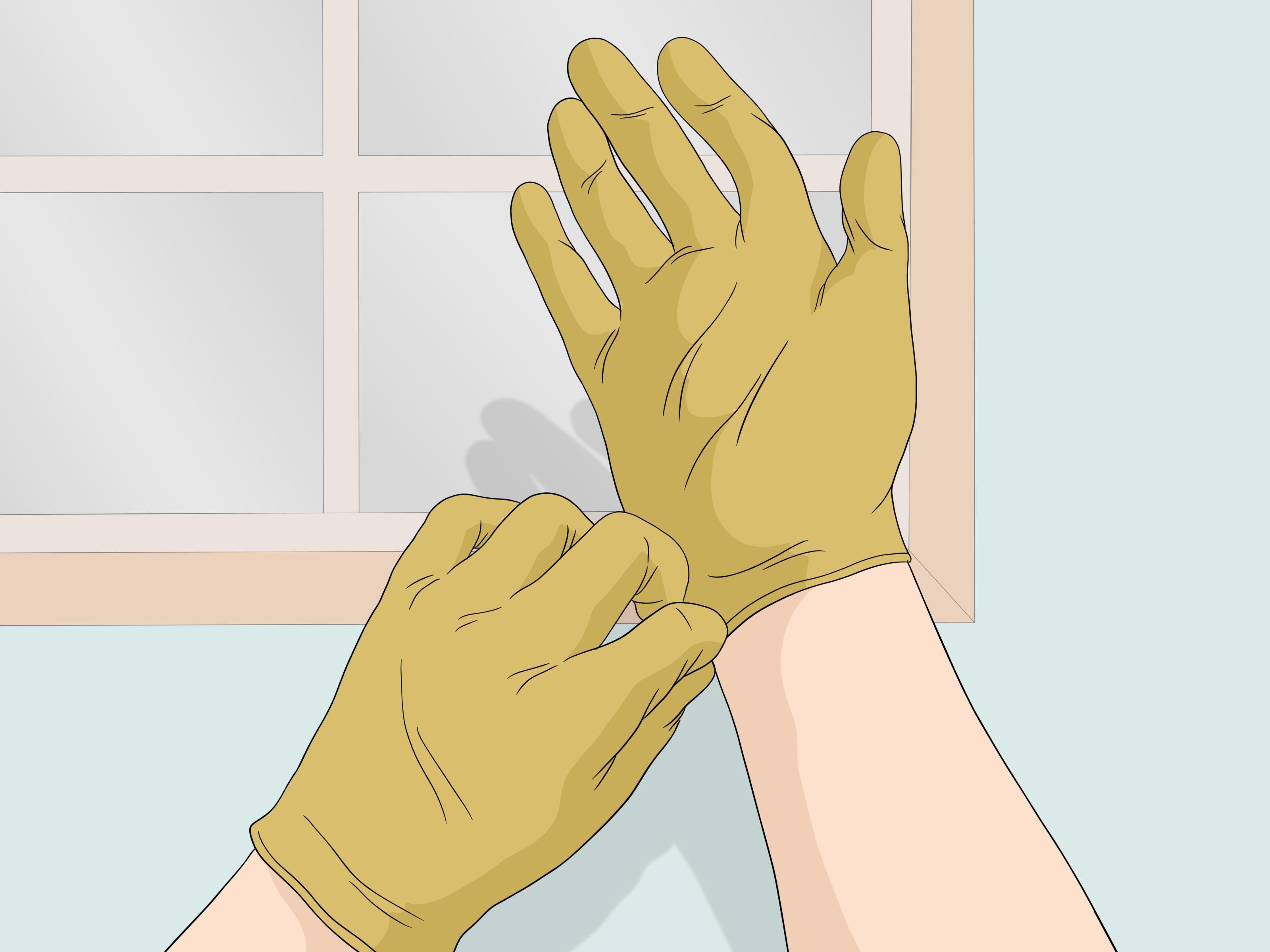
Work on a stable table in a ventilated area with good lighting. Keep food and drinks away from the work surface. Wear gloves and eye protection. Wash your hands after handling circuit boards, especially older boards that may contain lead-based solder. Keep children and pets away from the workspace because neither is known for respecting labeled containers.
Step 6: Identify Gold-Bearing Areas
Look for gold-colored edge connectors, card fingers, CPU pins, memory contacts, plug-in connectors, ribbon cable contacts, and certain high-quality switch contacts. Gold plating is often bright yellow, but not every yellow metal is valuable gold. Brass and other alloys can look similar. The most common valuable pieces are gold fingers on RAM sticks, PCI cards, graphics cards, network cards, and older expansion boards.
Step 7: Sort Boards by Grade
Separate boards into broad categories: high-grade boards, medium-grade boards, low-grade boards, and peripheral scrap. High-grade boards usually come from servers, telecom equipment, networking hardware, and older computers with dense components. Low-grade boards may come from household appliances, toys, LED lights, and basic consumer devices. Better sorting usually means better quotes from recyclers.
Step 8: Remove Gold-Plated Connectors Mechanically
Use pliers, screwdrivers, and cutters to remove connectors, pins, and socketed components. Do not burn plastic connectors to “free” metal parts. Burning circuit boards and plastic insulation can release toxic fumes and contaminate the recovered material. Mechanical removal takes longer, but it is safer, cleaner, and more acceptable to responsible recyclers.
Step 9: Trim Gold Fingers from Expansion Cards
Gold fingers are the plated contact strips found along the edges of cards and memory modules. Use sturdy snips or a hand shear to cut the finger strip away from the fiberglass board. Cut close to the gold-plated area without creating unnecessary dust. Store trimmed gold fingers in a labeled container. Many refiners and scrap buyers treat clean gold fingers as a separate, higher-value category.
Step 10: Keep Components Clean and Dry
Moisture, dirt, mixed trash, and random hardware can reduce the value of your scrap. Keep gold-bearing parts dry and separate from steel screws, plastic chunks, and general debris. Label containers clearly: “gold fingers,” “gold-plated connectors,” “CPUs,” “high-grade boards,” and “mixed low-grade boards.” This simple step can make you look organized instead of like someone who lost a fight with a computer tower.
Step 11: Contact Certified Recyclers or Refiners
Once you have enough material, contact certified electronics recyclers, precious-metal refiners, or scrap buyers that accept circuit boards. Ask how they classify material, whether they require minimum weights, how they calculate payment, and whether they provide documentation. Look for recyclers certified under recognized electronics recycling standards such as R2 or e-Stewards, especially if you are handling business equipment or large quantities.
Step 12: Recycle the Remaining Material Responsibly
After removing gold-bearing parts, do not throw the leftover boards into household trash. The remaining material may still contain copper, tin, lead, fiberglass, flame retardants, and other recoverable or hazardous substances. Send the rest to a qualified electronics recycler. Responsible recycling recovers more value from the entire device and keeps hazardous materials out of landfills.
What Not to Do When Recovering Gold from Circuit Boards
Many online discussions make gold recovery sound like a kitchen experiment with better lighting. That is misleading. Avoid home acid baths, improvised chemical leaching, cyanide-based methods, mercury amalgamation, open burning, and backyard smelting. These methods can produce poisonous gases, corrosive splashes, contaminated sludge, and heavy-metal residues that cannot be safely poured down a drain or tossed in the trash.
Professional refineries use controlled processes, ventilation systems, wastewater treatment, worker protection, permits, and analytical testing. They also process enough material to make recovery efficient. At home, the risk-to-reward ratio is usually upside down. In plain English: the gold is small, the hazards are large, and your garage does not want to become a chemistry lab with trust issues.
How Much Gold Is Actually in Circuit Boards?
The amount varies widely. Older electronics often used thicker gold plating than many newer consumer devices. Server boards, telecom boards, military-grade electronics, and certain industrial boards may contain more precious metal than ordinary household electronics. RAM fingers, CPUs, and high-quality connectors are among the most commonly collected gold-bearing parts.
Still, the gold layer is usually extremely thin. You may need many pounds of sorted material to see a worthwhile return. That is why professional recyclers work in volume. They do not get excited over one dusty motherboard from 2009 unless it arrives with hundreds of its closest friends.
Best Circuit Boards for Gold Recovery
Computer Motherboards
Desktop and server motherboards may contain gold-plated connector pins, CPU sockets, PCI slots, and other plated contacts. Server boards are often more valuable than standard consumer boards because they may contain denser components and higher-quality connectors.
RAM Sticks
Memory modules are popular among scrappers because they have visible gold fingers and are easy to sort. The gold content is still thin, but RAM is compact, recognizable, and often accepted as a separate category by buyers.
CPUs and Processor Pins
Older CPUs, especially ceramic types and pin-heavy processors, can be valuable. Newer processors vary significantly. Do not assume every CPU is a jackpot. Some are worth more as collectible vintage computer parts than as scrap.
Telecom and Network Boards
Boards from telecommunications, networking, and enterprise equipment may contain high-quality gold-plated connectors. These boards can be more desirable than ordinary consumer electronics, especially when cleanly sorted.
Environmental Benefits of Responsible Gold Recovery
Gold mining requires large amounts of energy, land disturbance, water, and chemical processing. Recovering precious metals from electronic scrap can reduce demand for newly mined material and keep valuable resources in circulation. Circuit boards also contain copper, silver, palladium, tin, aluminum, and other materials that can be recovered when processed correctly.
Responsible e-waste recycling is not just about squeezing value from old gadgets. It is about preventing hazardous substances from entering soil, water, and air. When electronics are dumped, burned, or processed informally, the environmental and human health costs can be severe. A certified recycling chain helps ensure that materials are handled with worker safety, downstream accountability, and environmental controls in mind.
Common Mistakes Beginners Make
The first mistake is expecting too much gold from too little material. The second is mixing everything together. A bucket containing gold fingers, screws, plastic, batteries, wires, and snack wrappers is not a premium scrap lot. The third mistake is damaging material unnecessarily. Clean, sorted, recognizable components are easier to sell than shredded mystery confetti.
Another common mistake is ignoring shipping costs. Circuit boards can be bulky, and low-grade material may not justify shipping across the country. Before sending material to a refiner, ask for current buying categories, minimum weights, and shipping instructions. Local electronics recyclers may be better for small batches, while refiners may make sense for larger, well-sorted quantities.
Experience Notes: What This Process Is Really Like
The first thing most beginners learn is that circuit board gold recovery is slower than expected. Online photos make it look like you will pull a few golden strips from a motherboard and suddenly hear casino music. In real life, you spend a lot of time unscrewing cases, sorting wires, removing batteries, and trying to remember which container was for gold-plated connectors and which one was for “things I will identify later.” Label your containers early. Future you will send a thank-you card.
A practical workflow starts with whole devices, not random loose boards. Remove the outer case, separate obvious metals, pull the power supply, remove drives, and set aside batteries. Then work down to the boards. This keeps the bench cleaner and helps you capture other recyclable materials, such as aluminum heat sinks and copper wiring. If you only chase gold, you may miss the broader value of the device.
Another useful lesson is that quality beats quantity. Ten pounds of clean, sorted gold fingers may be easier to quote than a large box of mixed boards with plastic, steel, and dust. Buyers like consistency because it helps them estimate recovery value. If you make their job easier, you often make your own result better. That does not mean every buyer will pay generously, but good sorting usually prevents the lowest possible offer.
Patience matters. Removing connectors with hand tools can feel repetitive, but it is far safer than heating or burning components. Keep a comfortable chair, good lighting, and a small magnet nearby for identifying steel pieces. Take breaks. Circuit board dismantling is not a race unless you are competing in the extremely niche Olympics of responsible e-waste preparation.
It also helps to track your time. If you spend six hours preparing a tiny batch that sells for very little, that is not failure; it is data. You may decide to collect only certain items, such as RAM, CPUs, and high-grade boards. You may also find that local recycling events are better for low-value electronics, while sorted gold-bearing parts are worth saving until you have a larger quantity.
The biggest experience-based tip is to respect the material. Old electronics are not harmless just because they are familiar. Dust, solder, batteries, sharp edges, and unknown components deserve care. Wear gloves, avoid breathing dust, wash your hands, and keep your workspace tidy. The goal is to recover value, not collect preventable injuries.
Finally, build relationships with reputable recyclers. Ask questions. Learn their categories. Compare quotes. Keep records of weights and payments. Over time, you will understand which boards are worth dismantling and which should go straight to bulk recycling. The more you treat circuit board gold recovery like a disciplined recycling process instead of a treasure hunt, the better your results will be.
Conclusion
Removing gold from circuit boards is possible, but the safest and most realistic path is mechanical separation followed by professional recycling or refining. Gold-bearing parts such as edge fingers, plated connectors, RAM contacts, and certain CPUs can be removed, sorted, labeled, and sold or processed by certified recyclers. What you should not do is attempt dangerous chemical extraction at home. The risks are high, the waste is difficult to manage, and the gold content is usually smaller than beginners expect.
Treat circuit board gold recovery as a responsible e-waste project. Sort carefully, protect your health, avoid shortcuts, and choose certified recycling partners. Done properly, the process can recover valuable metals, reduce environmental harm, and give old electronics a second life. Done badly, it can create toxic fumes, contaminated waste, and a very memorable conversation with your local hazardous waste office.