Coffee is wonderful in a mug, acceptable in a travel cup, and emotionally necessary on a Monday morning. But coffee on the carpet? That is where the romance ends. One tiny elbow bump, one excited dog tail, one “I can totally carry three things at once” moment, and suddenly your beige carpet has developed a bold espresso personality.
The good news: most coffee stains can be removed from carpet if you act quickly and use the right method. Coffee contains tannins, the same natural compounds that give tea and wine their staining power. Add cream, sugar, flavored syrup, or whipped topping, and the stain becomes a sticky little science project. But do not panic. With clean cloths, cool water, mild dish soap, white vinegar, baking soda, and patience, you can often lift the stain without calling in professional help.
This guide explains how to remove a coffee stain from carpet in 10 clear steps. You will also learn what not to do, how to handle old coffee stains, when to use hydrogen peroxide or an oxygen-based carpet cleaner, and how to stop the stain from coming back like a villain in a sequel.
Why Coffee Stains Carpet So Quickly
Coffee stains are tricky because they are usually hot, dark, and fast-moving. Hot liquid opens carpet fibers slightly, allowing the coffee to sink deeper. The brown color comes from roasted compounds and tannins, which can bond with fibers if left untreated. If the spill includes milk or cream, the stain may also leave behind protein and fat residue. If it includes sugar, the area can become sticky and attract dirt later.
That is why the first rule of coffee stain removal is simple: move quickly, but do not move wildly. A frantic scrub can spread the stain, push coffee deeper into the carpet padding, and rough up the fibers. Think “calm emergency,” not “crime scene cleanup with jazz hands.”
What You Need Before You Start
Gather your supplies before treating the stain. The faster you work, the better your chances of removing the coffee completely.
Basic Supplies
- Clean white cloths or plain white paper towels
- Cold or lukewarm water
- Mild clear dish soap
- White vinegar
- A spray bottle or small bowl
- Baking soda
- Vacuum cleaner
- A spoon or dull butter knife for dried residue
- Optional: 3% hydrogen peroxide or oxygen-based carpet cleaner
Why White Cloths Matter
Use white cloths whenever possible. Colored towels or napkins can transfer dye to light carpet, which is exactly the kind of plot twist no one requested. A white cloth also lets you see whether the coffee is still transferring from the carpet.
How to Remove a Fresh Coffee Stain from Carpet: 10 Steps
Step 1: Blot the Coffee Immediately
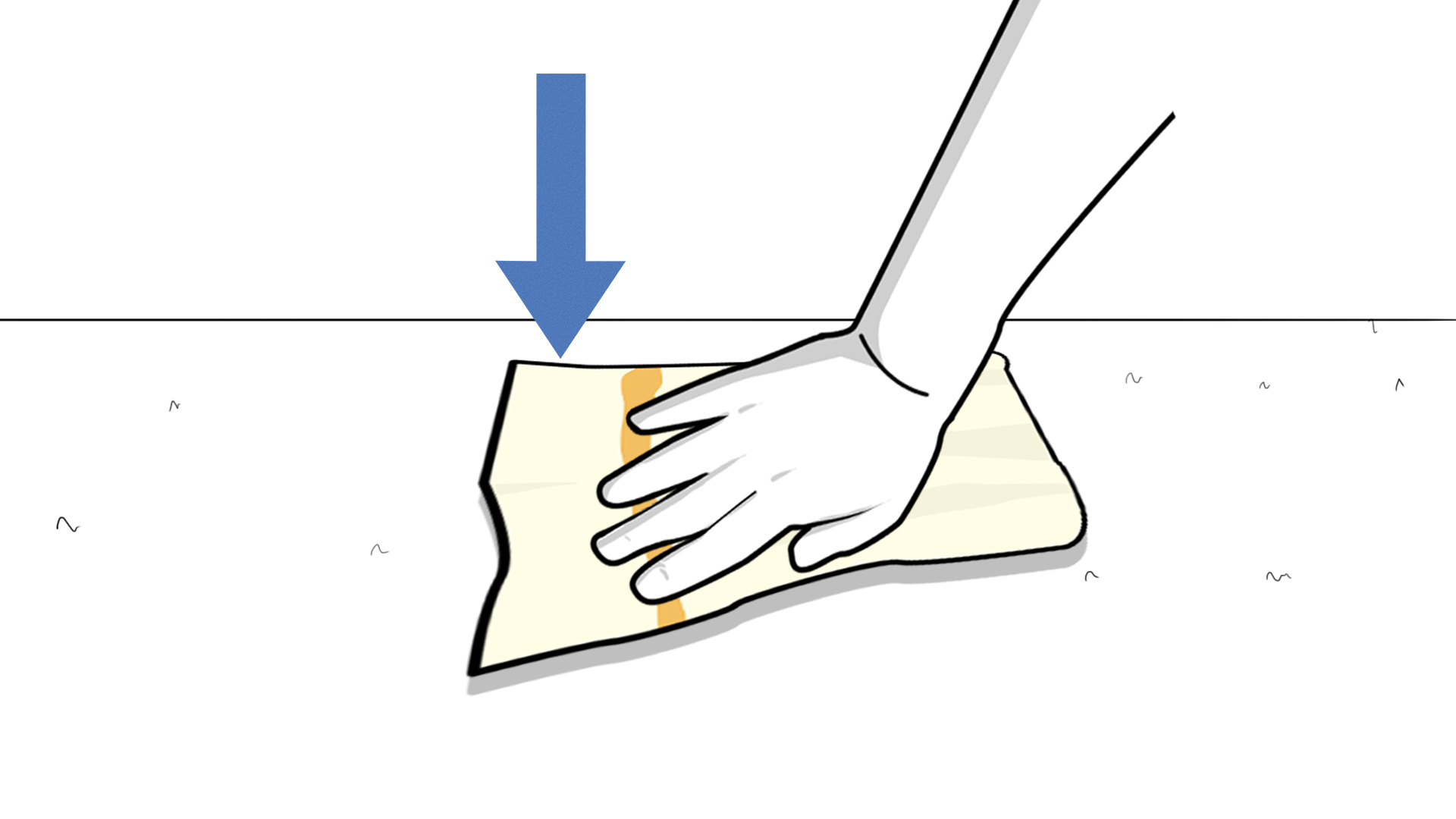
Place a clean white cloth or paper towel over the spill and press gently. Lift, move to a clean section of the cloth, and repeat. Keep blotting until no more coffee transfers easily.
Do not rub. Rubbing can spread the stain and damage the carpet pile. Blotting lifts liquid upward; scrubbing drives it downward. Your carpet wants a gentle rescue, not a wrestling match.
Step 2: Work from the Outside Toward the Center
Always blot from the outer edge of the stain toward the middle. This helps keep the coffee from spreading into a larger ring. If you begin in the center and push outward, you may turn a small spill into a modern art installation called “Breakfast Regret.”
Step 3: Add a Small Amount of Cool Water
Once you have removed as much liquid as possible, lightly dampen the stained area with cool water. You can use a spray bottle or pour a small amount carefully. The goal is to dilute the coffee, not soak the carpet.
After adding water, blot again with a clean dry cloth. Repeat this process once or twice if the stain is still transferring. Avoid overwetting, because too much water can push coffee into the carpet backing and padding.
Step 4: Mix a Gentle Cleaning Solution
In a small bowl, mix:
- 1 tablespoon mild clear dish soap
- 1 tablespoon white vinegar
- 2 cups warm water
This classic carpet cleaning solution works because dish soap helps break down oily residue from cream or flavored coffee, while vinegar helps loosen tannin-based discoloration. Use a mild dish soap without bleach, strong dyes, or heavy fragrance.
Step 5: Test the Solution First
Before applying the solution to the visible stain, test it on a hidden area of carpet, such as inside a closet or under furniture. Dab a small amount, wait a few minutes, then blot dry. If the carpet color does not fade or bleed, continue.
This step is especially important for wool carpet, vintage rugs, natural fiber rugs, or carpet with unknown dye stability. A two-minute test can save you from a much larger cleaning drama.
Step 6: Apply the Solution with a Cloth
Dip a clean white cloth into the cleaning solution, wring it out so it is damp rather than dripping, and blot the coffee stain. Work from the outside toward the center. Keep switching to a clean part of the cloth as coffee transfers.
Avoid pouring the cleaning solution directly onto the carpet. Too much liquid can leave residue, cause water rings, or soak into the padding. Controlled blotting is slower, but it is safer and usually more effective.
Step 7: Let It Sit Briefly, Then Blot Again
If the stain is stubborn, let the damp cleaning solution sit for about three to five minutes. This gives the soap and vinegar time to loosen the coffee. Then blot with a clean dry cloth.
If the stain is fading but not gone, repeat the application once more. Do not keep adding more soap endlessly. More soap does not mean more clean; it often means more residue.
Step 8: Rinse the Area Thoroughly
Rinsing is one of the most overlooked steps in carpet stain removal. After the stain lifts, dampen a clean cloth with plain cool water and blot the treated area to remove soap and vinegar residue.
Residue can attract dirt, making the spot look dirty again after a few days. This is why some people think coffee stains “come back.” Often, the stain is gone, but sticky leftover cleaner is collecting dust like it has a hobby.
Step 9: Dry the Carpet Completely
Press a dry towel over the area to absorb moisture. For better drying, place a clean dry towel over the spot and weigh it down with a heavy book or another flat object. Leave it for 15 to 30 minutes, then remove it and let the carpet air-dry.
If possible, improve airflow with a fan. Do not use high heat from a hair dryer, because heat can set any remaining stain. Cool air and patience are your friends here.
Step 10: Sprinkle Baking Soda and Vacuum
Once the carpet is almost dry, sprinkle a light layer of baking soda over the treated area. Let it sit for 15 to 30 minutes, then vacuum thoroughly. Baking soda can help absorb lingering moisture and odor, especially if the coffee contained milk or cream.
After vacuuming, gently brush the carpet fibers with your hand or a soft brush to restore texture. Step back, admire your work, and consider drinking your next coffee at a table like a person who has learned things.
How to Remove an Old Coffee Stain from Carpet
Dried coffee stains need a slightly different approach. The stain has had time to settle, so you need to rehydrate it before cleaning.
Rehydrate the Stain
Lightly mist the area with warm water. Wait a minute, then blot with a clean white cloth. This helps loosen dried coffee from the fibers. If there is crusty residue from sugar, cream, or flavored syrup, gently lift it with a spoon or dull butter knife before blotting.
Use the Dish Soap and Vinegar Solution
Apply the same mixture of dish soap, white vinegar, and warm water. Blot, wait briefly, and blot again. Repeat as needed, rinsing with plain water between rounds.
Try Oxygen-Based Cleaner for Stubborn Stains
For light-colored synthetic carpet, an oxygen-based carpet cleaner may help with set-in coffee stains. Follow the product label carefully and test in a hidden area first. Avoid using oxygen bleach on wool unless the manufacturer says it is safe.
Use Hydrogen Peroxide with Caution
For stubborn stains on white or very light synthetic carpet, 3% hydrogen peroxide may help lift discoloration. Apply a tiny amount to a hidden area first and wait to check for color change. If safe, dab a small amount on the stain, let it sit briefly, then blot and rinse. Never mix hydrogen peroxide with vinegar in the same container.
What Not to Do When Cleaning Coffee from Carpet
Do Not Scrub Aggressively
Scrubbing can fray carpet fibers and spread the stain. It can also push coffee into the carpet backing, where it becomes harder to remove.
Do Not Use Hot Water First
Hot water can set some stains, especially when milk or cream is involved. Start with cool or lukewarm water instead.
Do Not Overload the Carpet with Cleaner
Too much soap leaves residue. Too much vinegar can create odor. Too much water can soak the padding. The best method is small amounts, repeated carefully.
Do Not Use Bleach
Chlorine bleach can remove carpet color permanently and weaken fibers. Unless your goal is to replace one coffee stain with a pale mysterious patch, skip it.
Do Not Ignore the Carpet Type
Wool, silk, jute, sisal, and antique rugs require extra care. If you are dealing with a valuable rug or delicate fiber, contact a professional cleaner before using DIY solutions.
How to Remove Coffee with Cream or Sugar
Black coffee is mostly a tannin stain. Coffee with cream and sugar is a combination stain: tannins, fat, protein, and sticky sugar residue. That means you need to focus not only on removing color but also on removing residue.
Start by blotting and diluting with cool water. Then use the mild dish soap and vinegar solution. Dish soap helps break down fatty residue, while vinegar helps with discoloration and odor. Rinse thoroughly with plain water afterward. If the area still feels tacky when dry, rinse again. A sticky carpet spot will attract dirt quickly.
Why the Coffee Stain Came Back
If a coffee stain reappears after drying, one of two things likely happened. First, the coffee may have soaked into the carpet backing or padding and wicked upward as the carpet dried. Second, cleaning residue may have attracted soil to the spot.
To fix it, lightly mist the area with plain water, blot thoroughly, then place a dry towel over the spot with weight on top. This helps pull moisture and residue upward. If the stain keeps returning, a carpet extractor or professional cleaning may be needed.
When to Call a Professional Carpet Cleaner
DIY methods work well for many fresh coffee stains, but professional help is smart in certain situations. Call a carpet cleaner if the stain is large, old, spreading, located on expensive carpet, or still visible after several careful cleaning attempts. You should also get help if the spill soaked through to the padding or if the coffee contained a lot of dairy and now smells sour.
Professional cleaners have extraction equipment that can rinse and remove residue more thoroughly than hand blotting. They can also choose cleaning agents based on fiber type, dye stability, and stain age.
How to Prevent Coffee Stains in the Future
You do not have to give up coffee to protect your carpet. That would be unreasonable and possibly unconstitutional. Instead, try a few practical habits.
- Use travel mugs with secure lids in carpeted rooms.
- Place side tables within easy reach of sofas and chairs.
- Keep a small stain kit with white cloths, dish soap, vinegar, and a spray bottle.
- Treat spills immediately instead of waiting until “after this episode.”
- Vacuum regularly so dirt does not mix with spills and create muddy stains.
- Consider professional carpet cleaning once or twice a year in high-traffic homes.
Quick Coffee Stain Removal Recipe
For fast reference, here is the simple DIY carpet coffee stain cleaner:
- 1 tablespoon mild dish soap
- 1 tablespoon white vinegar
- 2 cups warm water
Apply with a clean white cloth, blot from the outside in, rinse with plain water, and dry thoroughly. Simple, affordable, and far less dramatic than rearranging the furniture to hide the stain.
Extra Experience: Real-Life Lessons from Removing Coffee Stains from Carpet
After dealing with enough coffee spills, you start to notice patterns. The first lesson is that speed matters more than fancy products. A fresh coffee stain treated within the first few minutes is usually much easier to remove than one discovered hours later. Even if you do not have vinegar, dish soap, or carpet cleaner nearby, blotting with a clean dry cloth right away can make a huge difference.
The second lesson is that people tend to use too much liquid. It feels logical: big stain, big splash of cleaner. Unfortunately, carpet does not work that way. When you flood a coffee stain, the liquid can carry the coffee deeper into the backing. Then, as the carpet dries, the stain rises back to the surface. This is called wicking, and it is the reason a stain can look gone at night but reappear by morning like it has unresolved business.
A better approach is controlled moisture. Mist, blot, repeat. Use damp cloths instead of pouring cleaner directly onto the carpet. After cleaning, press dry towels into the area to pull out as much moisture as possible. If you have a fan, use it. Air movement helps the carpet dry evenly and reduces the chance of odor.
Another useful experience: coffee with milk needs extra rinsing. Black coffee may leave color, but a latte leaves color and residue. That residue can become sticky, and sticky carpet collects dirt. You might remove the brown stain but later notice a grayish patch in the same place. That often means soap, sugar, or dairy residue was left behind. Plain water rinsing is not optional; it is the quiet hero of the whole process.
Testing is also worth the effort. Some carpets are surprisingly sensitive, especially older carpet, wool rugs, and colorful patterned rugs. A cleaner that works perfectly on synthetic beige carpet may lighten a handmade rug. Before using vinegar, hydrogen peroxide, oxygen cleaner, or any store-bought stain remover, test a hidden area. It is not glamorous, but neither is explaining why the carpet now has a pale polka dot.
For old coffee stains, patience beats force. Rehydrate the stain slowly, blot repeatedly, and give the cleaning solution time to work. Aggressive brushing can distort the carpet pile and make the cleaned area stand out even after the stain fades. A soft touch keeps the carpet looking more natural.
One final practical tip: create a coffee emergency kit. Keep a few white microfiber cloths, a small spray bottle, baking soda, and mild dish soap in a cabinet near the living room or kitchen. When a spill happens, you will not lose valuable time hunting for supplies. This is especially helpful in homes with kids, pets, guests, or anyone who believes coffee should be carried while multitasking. In other words, most homes.
Removing a coffee stain from carpet is not about magic. It is about quick action, gentle blotting, the right cleaning solution, thorough rinsing, and complete drying. Handle it calmly and your carpet has a very good chance of surviving breakfast.
Conclusion
Learning how to remove a coffee stain from carpet is a useful household skill, especially if coffee is part of your daily routine. The key is to blot immediately, dilute carefully, use a mild dish soap and vinegar solution, rinse away residue, and dry the carpet completely. For dried or stubborn stains, rehydrating the area and using an oxygen-based cleaner may help. For delicate rugs, wool carpet, or stains that keep returning, professional cleaning is the safest choice.
Coffee belongs in your cup, not your carpet. But when spills happen, the right 10-step method can turn a panic moment into a manageable cleanup. And yes, you may absolutely reward yourself with another cup afterwardjust maybe use a lid this time.