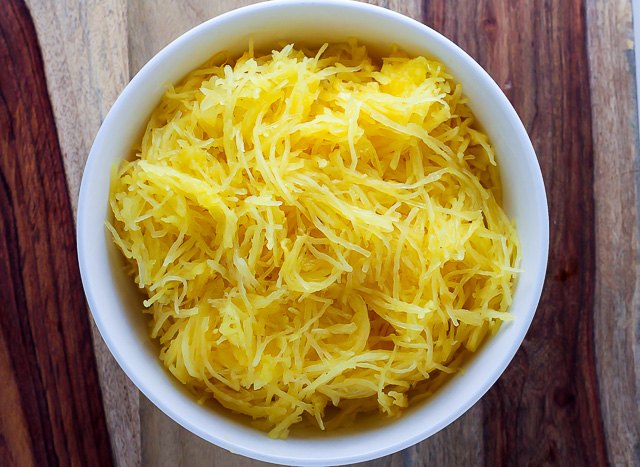
Spaghetti squash pasta is what happens when a humble yellow winter squash decides to cosplay as noodlesand honestly, it does a surprisingly convincing job. When cooked correctly, the flesh separates into golden, spaghetti-like strands that can be twirled, sauced, baked, tossed with garlic, or dramatically lifted with a fork while you pretend you are in a rustic Italian kitchen instead of standing beside your microwave in socks.
This guide will show you how to make spaghetti squash pasta that is tender, flavorful, and satisfying without turning into a watery pile of vegetable confetti. You will learn how to choose the right squash, cut it safely, roast it for the best texture, cook it quickly in the microwave or pressure cooker, pair it with sauces, fix common mistakes, store leftovers, and build complete meals around it.
Spaghetti squash pasta is naturally gluten-free, lower in carbohydrates than traditional wheat pasta, and easy to customize for vegetarian, vegan, low-carb, Mediterranean, and family-friendly meals. But let’s be honest: the real reason people keep making it is because it tastes good when treated properly. The key phrase is “treated properly.” Overcook it, and you get squash oatmeal. Roast it with a little strategy, and you get delicious vegetable noodles that can hold their own under marinara, pesto, Alfredo-style sauce, meatballs, shrimp, roasted vegetables, or a snowfall of Parmesan.
What Is Spaghetti Squash Pasta?
Spaghetti squash pasta is not traditional pasta made from flour and water. It is cooked spaghetti squash scraped into long, noodle-like strands and served in the style of pasta. The squash has a mild, slightly sweet flavor, which makes it a flexible base for savory sauces and toppings.
Think of it as a vegetable noodle rather than a perfect pasta duplicate. It will not taste exactly like semolina spaghetti, and it should not have to. Spaghetti squash has its own charm: light texture, gentle sweetness, and a fork-twirling personality. It is ideal when you want a lighter dinner, a gluten-free pasta alternative, or a sneaky way to get more vegetables onto the plate without announcing, “Tonight we are eating responsible choices.”
Why Make Spaghetti Squash Pasta?
There are plenty of reasons to add spaghetti squash pasta to your kitchen routine. First, it is versatile. You can serve it with classic marinara, homemade meat sauce, basil pesto, garlic butter, roasted tomatoes, sautéed mushrooms, shrimp, chicken, turkey meatballs, chickpeas, spinach, kale, or creamy cheese sauce.
Second, it is nutrient-dense. Spaghetti squash contains fiber, vitamin C, vitamin B6, beta-carotene, and other plant compounds. It is also lower in calories than a large bowl of traditional pasta, which makes it useful for people who want a lighter meal without eating something that tastes like punishment.
Third, it is meal-prep friendly. You can cook the squash ahead, scrape out the strands, store them in the refrigerator, and reheat them later with sauce. This makes weeknight dinners faster and keeps you from negotiating with a takeout app at 7:42 p.m.
How to Choose the Best Spaghetti Squash
A good spaghetti squash pasta starts at the store or farmers market. Choose a squash that feels heavy for its size, has firm skin, and shows a deep yellow or golden color. Avoid squash with soft spots, cracks, mold, or major bruises. A few rough patches are normal; a squash that feels squishy is applying for retirement.
Size matters, too. A medium squash weighing about 2.5 to 3.5 pounds is easiest to handle and usually gives enough strands for about 3 to 4 servings. Larger squash can feed more people, but they may take longer to cook and can be harder to cut safely.
Quick Buying Checklist
- Look for firm, matte skin.
- Choose a squash that feels heavy for its size.
- Pick deep yellow or golden squash over pale greenish ones.
- Avoid soft spots, deep cracks, or leaking areas.
- Choose medium squash for easier cutting and even cooking.
Ingredients for Basic Spaghetti Squash Pasta
You do not need many ingredients to make great spaghetti squash pasta. The squash is the star, but seasoning matters. A completely unseasoned spaghetti squash tastes like it is waiting for instructions.
Basic Ingredients
- 1 medium spaghetti squash
- 1 to 2 tablespoons extra-virgin olive oil
- 1/2 teaspoon kosher salt, plus more to taste
- 1/4 teaspoon black pepper
- 1 to 2 cups marinara, pesto, meat sauce, or sauce of choice
- Optional: grated Parmesan, fresh basil, parsley, red pepper flakes, garlic, or lemon zest
How to Cut Spaghetti Squash Safely
Spaghetti squash has a tough exterior, so cutting it deserves respect. This is not the moment to use a dull knife or multitask while answering a text. Place the squash on a stable cutting board, use a sharp chef’s knife, and keep your fingers away from the blade path.
You can cut spaghetti squash lengthwise or crosswise. Cutting lengthwise creates two boat-shaped halves that are easy to fill with sauce and toppings. Cutting crosswise into rings or halves can produce longer strands because the fibers run around the squash. For classic spaghetti squash pasta bowls, lengthwise is simple and reliable. For extra-long strands, try the ring method.
Safety Tip
If the squash is too hard to cut, pierce it several times with a knife and microwave it for 3 to 5 minutes to soften the skin slightly. Let it cool for a few minutes before cutting. The goal is easier slicing, not launching a hot squash steam surprise at your face.
Best Method: Roasted Spaghetti Squash Pasta
Roasting is the best all-around method for spaghetti squash pasta because it develops flavor, reduces excess moisture, and gives the strands a better texture. The cut-side-down method is especially useful because moisture drains onto the pan instead of pooling inside the squash.
Step-by-Step Roasting Instructions
- Preheat the oven to 400°F.
- Line a rimmed baking sheet with parchment paper.
- Cut the spaghetti squash in half lengthwise.
- Scoop out the seeds and stringy center with a spoon.
- Brush the cut sides lightly with olive oil.
- Season with salt and black pepper.
- Place the squash cut side down on the baking sheet.
- Roast for 30 to 45 minutes, depending on size.
- Check for doneness by pressing the outside gently or piercing with a fork. It should be tender but not collapsing.
- Let cool for 5 to 10 minutes, then scrape the flesh into strands with a fork.
The most important rule is not to overcook it. Perfect spaghetti squash should be tender but still slightly toothsome. If it turns mushy, it will still be edible, but it will not deliver that pleasant noodle-like bite.
How to Make Spaghetti Squash Pasta with Marinara
Once the squash is roasted and scraped into strands, the pasta part begins. Marinara is the easiest sauce because its bright acidity balances the squash’s natural sweetness. You can use a good jarred marinara or make your own with garlic, olive oil, crushed tomatoes, basil, oregano, and a pinch of red pepper flakes.
Simple Marinara Spaghetti Squash Pasta
- Roast and shred one medium spaghetti squash.
- Warm 1 to 2 cups marinara sauce in a skillet.
- Add the squash strands to the skillet.
- Toss gently for 1 to 2 minutes, just until coated and warm.
- Taste and adjust with salt, pepper, basil, or red pepper flakes.
- Serve with Parmesan or nutritional yeast, if desired.
Do not drown the squash in sauce. Spaghetti squash contains more moisture than wheat pasta, so a little sauce goes a long way. Start with less, toss, and add more only if needed. Your dinner should look like pasta, not vegetable soup wearing a red hat.
Microwave Method for Busy Nights
The microwave method is fast and practical. It will not create the same roasted flavor as the oven, but it is excellent when dinner needs to happen now.
How to Microwave Spaghetti Squash
- Cut the squash in half lengthwise and remove the seeds.
- Place the halves cut side down in a microwave-safe dish.
- Add about 1/2 to 1 inch of water.
- Microwave for 10 to 15 minutes, depending on size.
- Let it rest for 5 minutes before handling.
- Scrape into strands with a fork.
For better flavor, toss the cooked strands in a skillet with olive oil, garlic, salt, and pepper before adding sauce. This quick sauté helps evaporate extra water and makes the squash taste more like dinner and less like emergency produce.
Pressure Cooker or Instant Pot Method
A pressure cooker is another quick way to cook spaghetti squash. This method works best with small to medium squash that fits comfortably inside the pot.
How to Pressure Cook Spaghetti Squash
- Cut the squash in half and remove the seeds.
- Place a trivet in the pressure cooker.
- Add 1 cup of water.
- Place the squash halves on the trivet.
- Cook on high pressure for about 7 minutes.
- Use a quick release, following your appliance instructions.
- Let cool slightly, then scrape into strands.
Pressure-cooked spaghetti squash can be softer than roasted squash, so avoid overcooking. If you plan to toss it with sauce in a skillet, slightly firm strands are better because they will continue cooking as they warm through.
How to Avoid Watery Spaghetti Squash Pasta
Watery spaghetti squash is the number one complaint, and fortunately, it is fixable. Spaghetti squash naturally contains moisture, but the right cooking and finishing techniques make a big difference.
Use These Tricks
- Roast cut side down so moisture drains onto the pan.
- Avoid adding too much oil before roasting.
- Do not overcook the squash.
- Let cooked strands rest in a colander for a few minutes if they seem wet.
- Sauté strands in a skillet for 2 to 4 minutes before saucing.
- Use thick sauces instead of thin, watery sauces.
If you are using marinara, simmer it until slightly thick before adding the squash. If you are making a creamy sauce, add it gradually. Spaghetti squash is a charming vegetable, but it does not appreciate being asked to swim laps.
Best Sauces for Spaghetti Squash Pasta
The best sauces for spaghetti squash pasta are flavorful, slightly thick, and balanced. Since the squash has a gentle sweetness, it pairs well with acidity, herbs, garlic, cheese, spice, and umami-rich ingredients.
Classic Marinara
Marinara is the go-to choice. Add garlic, basil, oregano, and Parmesan for a familiar Italian-inspired bowl.
Meat Sauce or Bolognese
A hearty meat sauce adds protein and richness. Ground beef, turkey, chicken, or plant-based crumbles all work well.
Pesto
Basil pesto clings beautifully to spaghetti squash strands. Add cherry tomatoes, spinach, grilled chicken, shrimp, or toasted pine nuts for a complete meal.
Garlic Butter or Olive Oil
For a simple side dish, toss the strands with garlic, olive oil or butter, parsley, lemon zest, black pepper, and Parmesan.
Alfredo-Style Sauce
A creamy sauce can be delicious, but use a light hand. Add sautéed mushrooms, broccoli, chicken, or peas for texture and balance.
Mediterranean Style
Try olive oil, lemon juice, feta, chickpeas, spinach, kalamata olives, roasted tomatoes, and fresh herbs. This version tastes bright, colorful, and suspiciously like something you would pay $18 for at a lunch café.
Easy Recipe: Spaghetti Squash Pasta with Garlic Marinara
Ingredients
- 1 medium spaghetti squash
- 1 tablespoon olive oil, plus 1 teaspoon for finishing
- 1/2 teaspoon kosher salt
- 1/4 teaspoon black pepper
- 2 cloves garlic, minced
- 1 1/2 cups marinara sauce
- 1/4 teaspoon red pepper flakes, optional
- 1/4 cup grated Parmesan cheese
- 2 tablespoons chopped fresh basil
Instructions
- Preheat the oven to 400°F and line a baking sheet with parchment paper.
- Cut the spaghetti squash in half lengthwise and scoop out the seeds.
- Brush the cut sides with olive oil and season with salt and pepper.
- Place cut side down and roast for 30 to 45 minutes, until fork-tender but not mushy.
- Cool for 5 to 10 minutes, then scrape into strands.
- Heat 1 teaspoon olive oil in a large skillet over medium heat.
- Add garlic and cook for about 30 seconds, just until fragrant.
- Add marinara and red pepper flakes. Simmer for 3 to 5 minutes.
- Add spaghetti squash strands and toss gently until coated.
- Serve with Parmesan and fresh basil.
Protein Add-Ins for a Fuller Meal
Spaghetti squash pasta is light, so adding protein can make it more satisfying. Turkey meatballs, grilled chicken, shrimp, Italian sausage, white beans, lentils, chickpeas, tofu, tempeh, or a fried egg can all turn the dish into a complete meal.
For a family-friendly dinner, try spaghetti squash with meatballs and marinara. For a lighter weeknight bowl, use shrimp, garlic, lemon, and parsley. For a vegetarian option, add chickpeas, sautéed kale, sun-dried tomatoes, and pesto. The squash is flexible enough to handle almost anything except neglect.
Common Mistakes When Making Spaghetti Squash Pasta
Mistake 1: Overcooking the Squash
Overcooked spaghetti squash becomes mushy and wet. Check it early. You can always cook it a little more, but you cannot un-mush a squash. Science has limits.
Mistake 2: Using Too Much Sauce
Traditional pasta absorbs sauce better than spaghetti squash. Add sauce gradually and toss gently.
Mistake 3: Forgetting to Season
Salt, pepper, garlic, herbs, cheese, lemon, and olive oil bring spaghetti squash pasta to life. Without seasoning, the dish can taste flat.
Mistake 4: Serving It Too Wet
Drain watery strands or sauté them briefly before saucing. This step improves both texture and flavor.
Mistake 5: Expecting It to Be Exactly Like Pasta
Spaghetti squash is delicious, but it is still squash. Enjoy it for what it is: a lighter, vegetable-based pasta alternative with personality.
How to Store and Reheat Spaghetti Squash Pasta
Whole raw spaghetti squash stores well in a cool, dry place. Once cooked, the strands should be placed in an airtight container and refrigerated. For the best texture, store the sauce separately when possible. This prevents the strands from becoming overly soft.
To reheat, warm the strands in a skillet over medium heat for a few minutes. Add sauce once excess moisture has evaporated. You can also microwave leftovers, but use short intervals and stir between each one. If the squash releases water, drain it before serving.
Can You Freeze Spaghetti Squash Pasta?
Yes, cooked spaghetti squash strands can be frozen, but they should be drained well first. Spread the cooked strands in a colander and press gently with paper towels or a clean kitchen towel. Freeze in airtight containers or freezer bags. For the best texture, thaw in the refrigerator and reheat in a skillet to remove extra moisture.
Freezing is handy for meal prep, especially if you cooked a huge squash and suddenly realized it produced enough strands to feed a polite volleyball team.
Spaghetti Squash Pasta Variations
Spaghetti Squash Pasta Primavera
Toss roasted squash strands with sautéed zucchini, bell peppers, cherry tomatoes, garlic, olive oil, and Parmesan.
Low-Carb Spaghetti Squash Alfredo
Combine squash strands with a light Alfredo-style sauce, grilled chicken, broccoli, and black pepper.
Vegan Spaghetti Squash Pasta
Use marinara, roasted mushrooms, chickpeas, spinach, and nutritional yeast for a dairy-free bowl with depth.
Spaghetti Squash Pizza Bowls
Keep the cooked strands inside the squash halves. Add marinara, mozzarella, spinach, mushrooms, and turkey pepperoni or olives. Bake until bubbly.
Lemon Pesto Spaghetti Squash
Toss strands with basil pesto, lemon juice, roasted cauliflower, spinach, pine nuts, and fresh herbs.
My Practical Experience Making Spaghetti Squash Pasta
The first time I made spaghetti squash pasta, I expected a dramatic kitchen transformation: one minute, squash; the next, perfect golden noodles worthy of a slow-motion cheese pull. What I got was a watery mound that looked like it had lost an argument with a soup pot. It tasted fine, but the texture was wrong. That first attempt taught me the most important spaghetti squash lesson: the cooking method matters as much as the sauce.
After testing different approaches, roasting became my favorite. The microwave is useful when time is tight, but oven roasting gives the squash better flavor and a firmer bite. Placing the halves cut side down is a small detail that makes a big difference. The squash steams inside its shell while excess moisture escapes onto the baking sheet. When I roast it cut side up, I find the strands can become drier on top but wetter underneath. Cut side down gives me a more even result.
I also learned not to trust cooking times blindly. A small squash might be ready in 30 minutes, while a larger one can need 45 minutes or more. The best test is texture. I press the outside gently with tongs and check whether the flesh scrapes into strands. If the strands separate but still have a slight bite, the squash is done. If it collapses like a tired beach ball, it has gone too far.
Another experience-based tip: always finish the strands in a skillet if you have time. Even two minutes with olive oil, garlic, salt, and pepper improves the flavor. It removes extra moisture and gives the squash a more pasta-like feel. This is especially helpful if you are adding marinara or Alfredo-style sauce. When sauce meets wet squash, the whole dish can become thin. When sauce meets skillet-finished squash, it clings better.
For weeknight meals, I like cooking the squash ahead. On Sunday, I roast one large spaghetti squash, scrape the strands, cool them, and store them in a container lined with a paper towel. During the week, I can turn those strands into three different meals: marinara with meatballs, pesto with chicken, and a Mediterranean bowl with chickpeas and feta. It feels like meal prep without the sadness of identical containers stacked like office paperwork.
The biggest flavor lesson is to season in layers. Season the squash before roasting. Season the sauce separately. Taste again after tossing. Spaghetti squash is mild, so it benefits from bold partners: garlic, basil, oregano, lemon, red pepper flakes, Parmesan, olives, roasted tomatoes, mushrooms, sausage, or pesto. A bland bowl is rarely the squash’s fault. It usually just needed a little help finding its personality.
Finally, I stopped pretending spaghetti squash is exactly the same as pasta. It is not. Real spaghetti has chew, starch, and a neutral wheat flavor. Spaghetti squash is lighter, sweeter, and more delicate. Once I treated it as vegetable noodles instead of a pasta impersonator, I enjoyed it much more. It is perfect when you want comfort food that still feels fresh. Add a thick sauce, a satisfying protein, something salty or cheesy, and a fresh herb on top, and spaghetti squash pasta becomes a dish worth repeatingnot because it is a substitute, but because it is genuinely good.
Conclusion
Learning how to make spaghetti squash pasta is mostly about mastering texture. Choose a firm, golden squash, cut it safely, roast it cut side down, avoid overcooking, scrape it gently into strands, and pair it with a sauce that has enough flavor to balance the squash’s mild sweetness. Whether you choose marinara, pesto, garlic butter, meat sauce, shrimp, chickpeas, or a cheesy baked version, spaghetti squash pasta can be healthy, comforting, and fun to eat.
It is not traditional pasta, and that is perfectly fine. It is a delicious vegetable-based pasta alternative with its own personality. Treat it well, season it generously, and do not drown it in sauce. Do that, and your spaghetti squash pasta will be tender, flavorful, and worthy of a regular spot in your dinner rotation.