If you’re reading this, you probably care about someone who’s been spending a little too much quality time with alcohol.
Maybe they’re “only a weekend drinker” whose weekends mysteriously start on Thursday. Maybe they’re still crushing it at work,
but the mornings look rough and the excuses are getting creative. Or maybe your gut is just doing that thing guts do:
sounding an alarm before your brain has gathered enough evidence to host a courtroom drama.
Here’s the good news: you can help. Not by policing, lecturing, shaming, or delivering a surprise TED Talk titled
“Alcohol: A PowerPoint Intervention”. You help by lowering defensiveness, increasing support, and making it easier for them
to choose changeone step at a time.
Important note: This article is written for supporting an adult loved one. If the person you’re worried about is
under 21 (or you are), get a trusted adult involved (parent/guardian, school counselor, doctor). Underage drinking is risky,
and you shouldn’t have to handle it alone.
First, a quick reality check: “Drinking less” can mean different things
Some people want to cut back (fewer days, fewer drinks, fewer “how did I end up ordering nachos twice?” moments).
Others need to stop completelyespecially if alcohol is causing major harm or if they’ve developed alcohol use disorder (AUD).
You don’t have to diagnose them. Your job is to notice, care, and help them connect to safer choices and professional support.
Red flags that mean you should act sooner (not later)
- They drink to cope with stress, sleep, anxiety, or sadnessand it’s becoming their default tool.
- Broken promises to cut back (“I’m done after this weekend”) that keep repeating.
- Drinking is causing relationship conflict, missed responsibilities, risky behavior, or health problems.
- They hide drinking, lie about it, or get defensive when it comes up.
- They seem shaky, sweaty, anxious, or unwell when they haven’t had alcohol (possible withdrawal risk).
If you suspect withdrawal or medical risk, do not encourage them to quit abruptly on their own.
Alcohol withdrawal can be dangerous and sometimes life-threatening; medical guidance matters.
If they have severe confusion, seizures, chest pain, or are in immediate danger, call emergency services right away.
How to Help a Friend or Family Member Drink Less: 13 Tips
1) Start with “care,” not “case-building”
Before you say anything, get clear on your goal: you want them safer and healthier, not “caught.”
People change more when they feel respected. If your opener feels like a trap, they’ll respond like it’s a trap.
Try saying: “I care about you, and I’ve been worried. Can we talk about what I’ve noticed?”
2) Pick the right timesober, private, calm
The best conversation rarely happens in a crowded kitchen during a holiday party while someone’s arguing about pie.
Choose a quiet moment when they haven’t been drinking and you’re not both running on fumes.
3) Use specific observations, not global labels
“You’re an alcoholic” can trigger instant shutdown. Specific, factual observations are harder to dismiss and less insulting.
Talk about what you saw and how it affected you (or others).
Try saying: “Last week you missed your niece’s recital, and you said you weren’t feeling well.
I also noticed bottles in the recycling. I’m worried alcohol might be getting in the way.”
4) Ask open-ended questionsthen actually listen
If the whole conversation is you speaking, it’s not a conversationit’s a monologue with a live audience.
Ask questions that invite reflection. Then listen like you’re trying to understand, not win.
- “What do you like about drinking?” (Yes, really. People have reasons.)
- “What do you not like about it lately?”
- “Have you ever thought about cutting back? What made you consider it?”
5) Validate feelings without approving harmful behavior
Validation sounds like: “That’s hard.” It doesn’t sound like: “So keep doing it.”
You can empathize with stress while still holding a boundary about consequences.
Try saying: “It makes sense you’ve been overwhelmed. I don’t want alcohol to be the thing that hurts you more.”
6) Offer choices, not commands
Nobody loves being told what to doespecially by someone who doesn’t live in their brain.
Instead, offer two or three supportive options and let them choose what feels doable.
- “Do you want to talk to your doctor about it?”
- “Would you try a counseling session just to explore it?”
- “Should we look at support groups together?”
7) Help them connect drinking to goals they already care about
People rarely change because you want them to. They change because it lines up with what they value:
being a present parent, saving money, protecting health, training for a race, keeping a job, improving sleep.
Try saying: “You’ve been talking about your blood pressure and sleep. Do you think alcohol is helping or hurting that?”
8) Make “drinking less” easier with environment tweaks
Willpower is overrated; environment is underrated. Help them reduce cues that trigger autopilot drinking.
This isn’t about controlling themit’s about making the healthier choice the easier choice.
- Plan hangouts that don’t revolve around alcohol (movies, hikes, coffee, brunch, workouts, game nights).
- Reduce “stocked bar” temptation at home if they’re asking for support.
- Encourage alcohol-free drinks that still feel like a treat (sparkling water, mocktails, fancy tea).
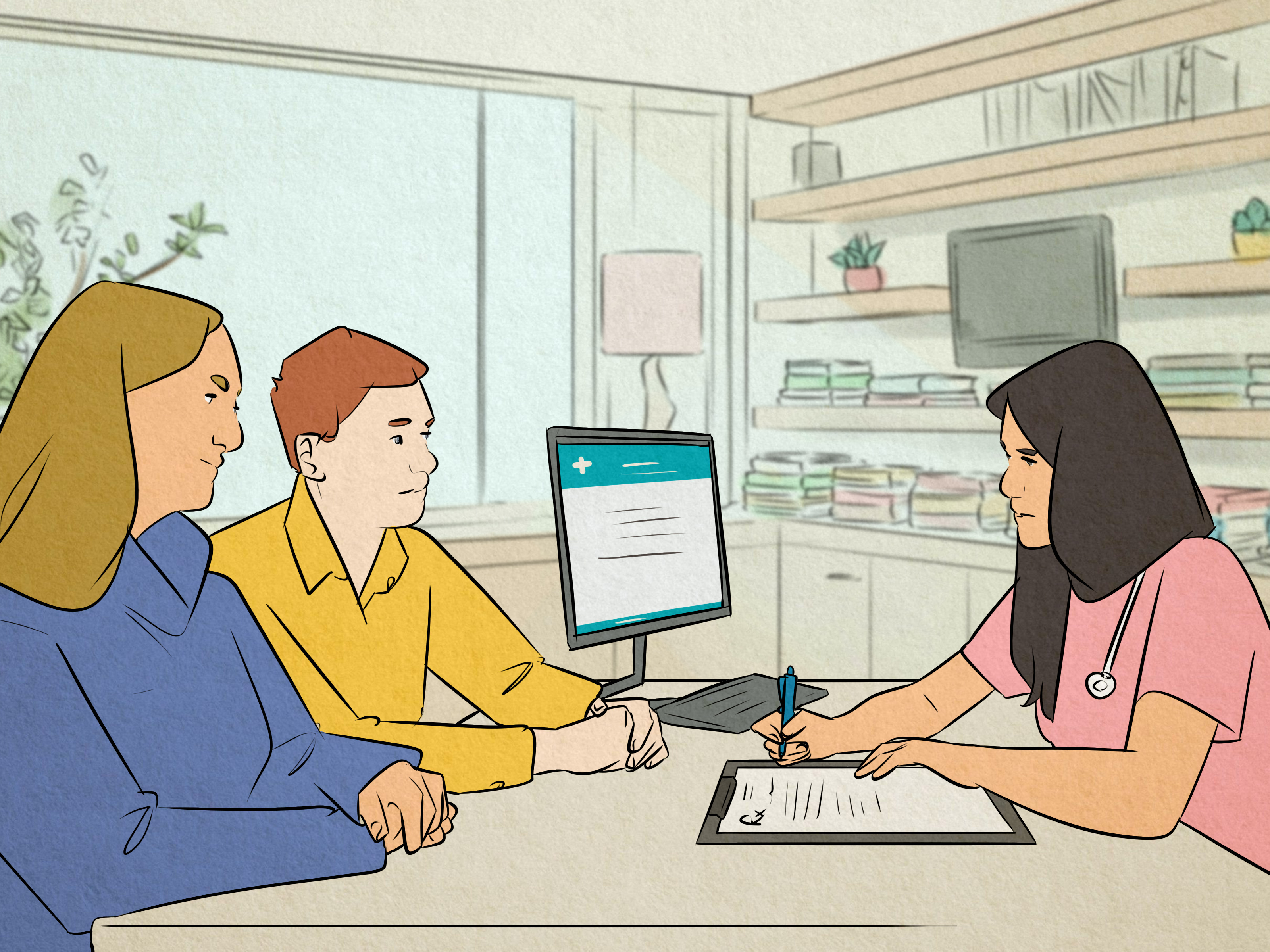
9) Suggest a check-in with a healthcare professional (especially if dependence is possible)
A primary care clinician can screen for unhealthy alcohol use, talk through safer next steps, and connect them to treatment.
If they’ve been drinking heavily for a long time, a clinician can advise on a safer plan to reduce or stop.
Try saying: “I’m not trying to diagnose you. I just want you safe. Would you be open to talking to a doctor about options?”
10) Know the difference between support and enabling
Support says: “I love you, and I’ll help you get help.” Enabling says: “I’ll clean up the mess so nothing has to change.”
Helpful support might include rides to appointments or babysitting during counseling.
Enabling might include calling their boss with an excuse or paying consequences away.
11) Set clear boundariesand follow through
Boundaries aren’t punishments. They’re guardrails that protect you and the relationship.
Choose boundaries you can actually keep, and state them calmly and clearly.
- “I won’t ride in a car if you’ve been drinking.”
- “If you’re intoxicated, I’m going to leave the conversation and we’ll talk tomorrow.”
- “I’m not comfortable loaning money that could go to alcohol.”
12) If you plan an “intervention,” do it thoughtfully (and ideally with professional guidance)
Some families choose a structured intervention. These can helpbut they can also backfire if they’re impulsive,
shaming, or poorly planned. If you’re considering one, learn best practices and consider involving a professional
(therapist, intervention specialist, addiction counselor) so it doesn’t turn into a chaotic feelings volcano.
13) Get support for you, too
Loving someone with problematic drinking is exhausting. Support groups and counseling can help you stay grounded,
reduce guilt, and make healthier decisions. You’re allowed to ask for help without waiting until you’re at a breaking point.
- Family support resources and education
- Peer groups for families/friends (in-person or online)
- Therapy focused on boundaries, stress, and coping
Conversation scripts that work in real life (because panic deletes your vocabulary)
When they deny there’s a problem
You: “I hear you. I’m not here to label you. I’m here because I’ve noticed changes and I’m worried.
Would you be open to tracking it for a couple weeksjust as information?”
When they get angry
You: “I’m not trying to attack you. I care about you. We can pause and come back to this later.
I’m bringing it up because I don’t want things to get worse.”
When they admit it’s hard
You: “Thank you for trusting me. What feels like the smallest next stepdoctor, counselor, support group,
or changing what nights you drink? I’ll help you with whichever you choose.”
When it’s time to move from “cut back” to “get professional help now”
Encourage immediate professional help if you notice serious health risks, signs of withdrawal when they stop drinking,
drinking during pregnancy, drinking and driving, or major life impairment (work, school, relationships, safety).
If they’re willing, offer to help them find care, make the call, or go with them.
If they’re not willing, you can still protect yourself with boundaries and seek guidance from a counselor or family support program.
Change often happens in stages, and your steady, non-shaming support can matter more than one “perfect” conversation.
Where to find help in the U.S.
- Confidential treatment referrals: SAMHSA’s National Helpline (24/7) and FindTreatment.gov
- Primary care: Screening and brief intervention can be a strong first step
- Counseling: Therapists trained in evidence-based approaches for alcohol-related concerns
- Support groups: Options exist for people cutting back and for families/friends
Experiences & Examples: What People Commonly Say Helped (and What Didn’t)
Because you’ll probably try a few approaches before you find the one that fits, it helps to know what families often report
from the “real world.” These are common patterns people describe in counseling and support settingsnot one-size-fits-all rules.
Experience #1: The “one big talk” rarely fixes itsteady support does
Many people go in expecting a movie moment: one heartfelt speech, one dramatic realization, instant change. In reality,
drinking patterns usually shift after a series of smaller conversations that keep the door open. Families often report that the best
results came from repeating a simple message: “I care about you, I’m worried, and I’ll help you get support.” The repetition isn’t nagging
if your tone stays calm and your words stay respectful. It’s consistencylike holding a flashlight while someone finds the right key.
Experience #2: “Shame motivation” backfires more than people expect
Loved ones sometimes try sarcasm, public call-outs, or guilt (“Think about what you’re doing to the family!”). People commonly report that
this triggered secrecy, defensiveness, or more drinking. Shame makes people hide; it rarely makes them heal. When families shifted from blame
to curiosity (“What’s been hardest lately?”), the person was more likely to admit stress, anxiety, grief, or sleep problemsoften the real drivers.
That’s when healthier coping strategies could finally enter the chat.
Experience #3: Boundaries worked best when they were simple and immediate
Families often say boundaries helped most when they were crystal clear and tied to safetyespecially things like refusing to ride with someone
who’s been drinking or ending a heated conversation when intoxication is involved. The boundary wasn’t delivered like a courtroom sentence.
It was delivered like a seatbelt: “I love you. And I’m not doing that.” When people tried complicated boundaries with five exceptions and a footnote,
it usually collapsed. A good boundary is one you can keep on your worst day.
Experience #4: Replacing routines beat “just stop”
People commonly describe drinking as part of a routine: pour a drink while cooking, drink while watching sports, drink to “turn off the brain”
after work. Families who focused on replacement routineswalk after dinner, gym class, mocktail ritual, evening hobby, game night, therapy session
often saw more progress than families who only pushed for willpower. The shift wasn’t “never relax.” It was “let’s build a new way to relax.”
Even small swaps (like changing the after-work environment) reduced automatic drinking.
Experience #5: The turning point was often a practical step, not a dramatic vow
Many people report that real change started with something concrete: a doctor visit, one counseling appointment, a support meeting, or a decision
to remove alcohol from the house for a month. Families who offered practical helpfinding providers, driving to appointments, watching the kids, or
sitting with them during the first phone calloften made it easier for the person to begin. The goal wasn’t to “take over” their recovery.
It was to reduce friction at the starting line.
If you take nothing else from these experiences, take this: you don’t have to do everything perfectly. You just have to keep choosing what’s
loving, safe, and sustainableone next step at a time.
Conclusion
Helping someone drink less is a mix of compassion and clarity: talk when they’re sober, stick to specific observations, ask open-ended questions,
offer realistic options, and protect yourself with boundaries. Encourage professional support earlyespecially if dependence or withdrawal risk is possible.
And remember: you can’t do the change for them, but you can make it easier for them to choose it.