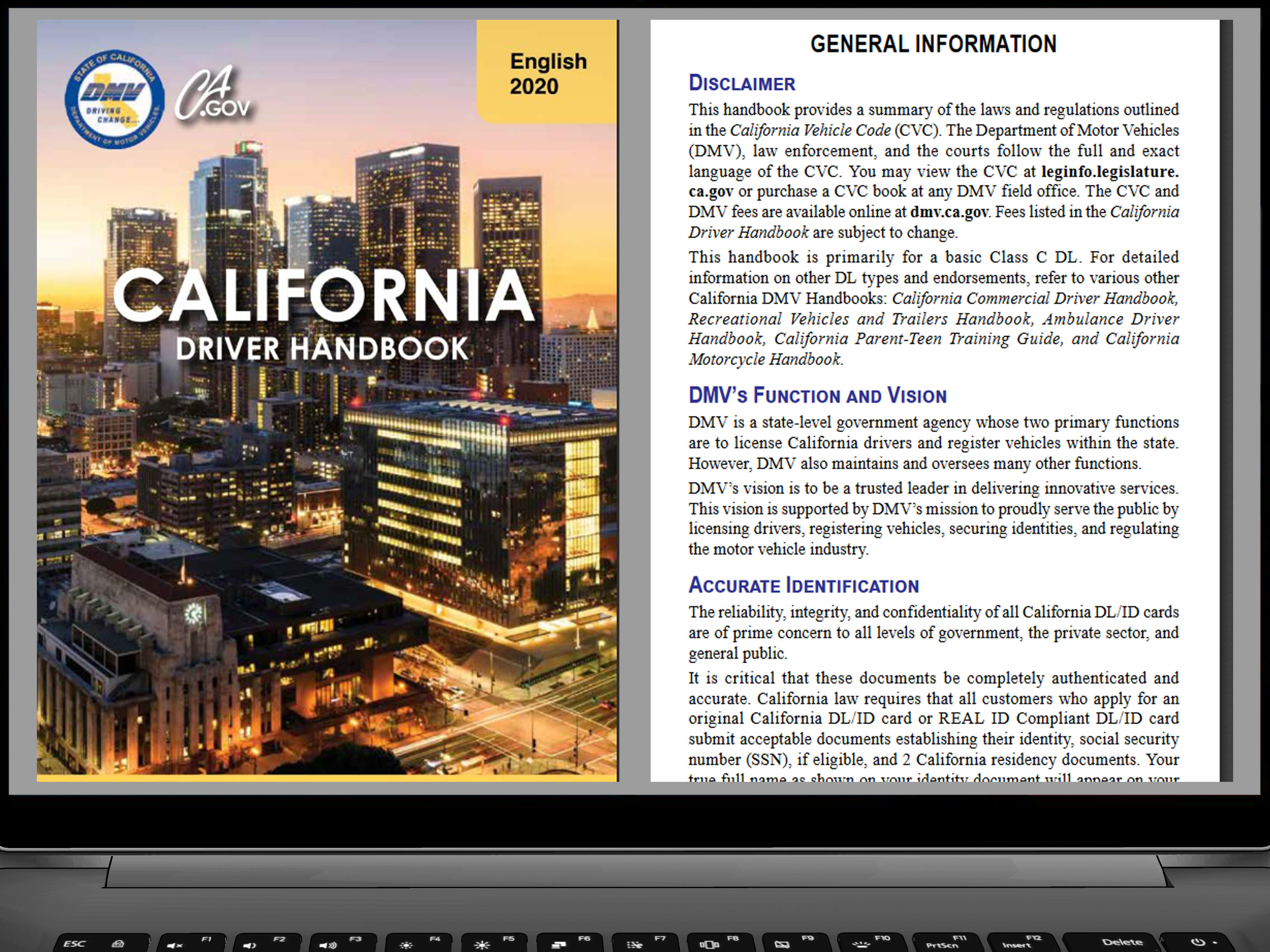
Learning traffic rules can feel like being handed a secret codebook written by someone who really, really loved signs. Red octagons, flashing arrows, yellow diamonds, white lane lines, school zones, roundabouts, right-of-way rulessuddenly driving looks less like freedom and more like a pop quiz on wheels. The good news? You do not need to memorize every traffic law in one heroic late-night study session with cold coffee and panic as your study partners.
The easiest way to learn traffic rules is to break them into practical, bite-sized habits. Instead of treating road rules like a giant rulebook, think of them as a safety language. Signs tell you what to do. Lane markings guide where to go. Signals organize movement. Right-of-way rules prevent awkward “you gono, you go” standoffs at intersections. Defensive driving helps you survive everyone else’s bad decisions, which is useful because the road occasionally includes people who signal after turning, as if the blinker is a tiny celebration light.
Whether you are preparing for a learner’s permit test, refreshing your driving knowledge, helping a teen driver, or simply trying to stop guessing what certain road signs mean, these five easy methods will help you learn traffic rules faster, remember them longer, and actually use them on real roads.
Why Learning Traffic Rules Matters More Than Passing a Test
Passing the written driving test is important, but traffic rules are not just exam answers. They are everyday safety tools. Knowing when to yield, how to read pavement markings, what different traffic signs mean, and how to respond to school buses, emergency vehicles, pedestrians, cyclists, and construction zones can prevent confusion and reduce risk.
Traffic rules also vary by state, which is why drivers in the United States should always study their own state’s driver handbook. A stop sign is a stop sign everywhere, but details such as phone-use laws, teen driver restrictions, speed rules, permit requirements, and penalties can differ. That is why the smartest approach is simple: learn the universal basics, then add your state-specific rules on top.
Think of traffic rules like grammar for the road. You can technically communicate without perfect grammar, but things get messy fast. On the road, “messy” can mean honking, tickets, near misses, or worse. A little study now can save a lot of stress later.
1. Start With Your State Driver’s Handbook
The official driver’s handbook is the best place to begin because it explains the rules that apply where you actually drive. Every state has its own manual, usually published by the DMV, Department of Transportation, Department of Public Safety, or a similar licensing agency. These handbooks typically cover traffic signs, road markings, right-of-way rules, parking laws, speed limits, safe following distance, work zones, school zones, emergency vehicles, alcohol and drug laws, distracted driving, and the steps required to get a license.
How to Use the Handbook Without Falling Asleep
Driver handbooks are helpful, but let’s be honest: they are not beach novels. Do not try to read the entire handbook like a dramatic thriller. Instead, divide it into small sections and study one topic at a time. For example, spend one session on traffic signs, another on pavement markings, another on intersections, and another on safe driving habits.
Use a highlighter or notes app to mark rules that surprise you. Those are the rules most likely to trip you up on a test or in real life. For example, many new drivers remember red means stop, but they may not know what to do at flashing red lights, four-way stops, uncontrolled intersections, or when a traffic officer gives directions that differ from the signal.
What to Focus on First
Begin with the rules you will see every day. These include stop signs, yield signs, speed-limit signs, traffic lights, lane-use signs, pedestrian crossings, school zones, turn lanes, and basic parking rules. Once those feel familiar, move into more detailed topics like highway merging, passing rules, railroad crossings, roundabouts, and driving in bad weather.
A good study trick is to create a “rule of the day.” Pick one traffic rule each morning, then look for examples of it while walking, riding in a car, biking, or taking public transportation. Seeing the rule in the real world helps your brain connect the written explanation with actual road behavior.
2. Learn Road Signs by Shape, Color, and Meaning
Road signs become much easier when you stop trying to memorize them one by one and start learning their design language. Traffic signs are built to communicate quickly, even when a driver has only a few seconds to respond. Shape, color, symbols, and placement all matter.
Understand the Basic Sign Categories
Regulatory signs tell drivers what they must or must not do. These include stop, yield, speed limit, do not enter, one way, no U-turn, and lane-use signs. Warning signs alert drivers to conditions ahead, such as curves, merging traffic, pedestrian crossings, slippery roads, railroad crossings, or animal crossings. Guide signs provide route information, exits, distances, services, and destinations.
Color also gives clues. Red usually signals stop, yield, or prohibition. Yellow warns of hazards or changing conditions. White signs often state rules. Green signs guide drivers to routes and destinations. Orange signs appear in construction zones. Blue signs often identify services, and brown signs point to recreational or cultural sites.
Use Flashcards and Mini-Quizzes
Flashcards are one of the fastest ways to learn traffic signs. Put the sign image on one side and the meaning on the other. Study in short rounds of five to ten minutes. That is enough time to build memory without making your brain file a formal complaint.
Practice tests are also useful because they show how questions may appear on a permit exam. Instead of only asking “What does this sign mean?” a test may ask what action you should take when you see it. That matters because knowing a sign is not the same as knowing what to do next.
Connect Signs to Real Driving Decisions
When you see a yield sign, do not just think “triangle.” Think: slow down, check for traffic, give the right-of-way when needed, and proceed only when safe. When you see a school-zone sign, think: reduce speed, watch for children, obey posted times or flashing lights, and be ready to stop. This action-based learning makes road signs more practical and easier to remember.
3. Practice With Real-Life Scenarios
Traffic rules make more sense when you place them in realistic situations. Reading “yield to pedestrians in crosswalks” is helpful. Imagining a busy intersection with a pedestrian stepping off the curb while a driver wants to turn right is even better. Real-life scenarios train your judgment, not just your memory.
Use the “What Would I Do?” Method
When you are a passenger, quietly ask yourself what you would do if you were driving. At a four-way stop, which car goes first? If two vehicles arrive at the same time, who yields? If an emergency vehicle approaches with lights and siren, where should traffic move? If the light turns yellow, is it safer to stop or continue? This turns ordinary rides into free driving lessons, minus the awkward instructor clipboard.
You can also study intersections near your home or school. Watch how vehicles behave at stop signs, traffic lights, crosswalks, bike lanes, and roundabouts. Compare what drivers actually do with what the rules say they should do. Spoiler: those are not always the same thing. That is why defensive driving matters.
Practice Common Confusing Situations
Some traffic situations confuse many new drivers. These include four-way stops, unprotected left turns, merging onto highways, lane changes in heavy traffic, right turns on red where allowed, flashing lights, reversible lanes, and construction zones. Make a list of the situations that feel unclear, then look them up in your state driver handbook.
For example, at a four-way stop, drivers generally proceed in the order they arrive. If two vehicles arrive at the same time, the driver on the left usually yields to the driver on the right. But real intersections can include pedestrians, cyclists, turning vehicles, blocked views, and drivers who believe “I was here emotionally first” counts as legal priority. Study the rule, then practice patience.
Use Maps and Street View Carefully
Digital maps and street-view tools can help you preview roads, intersections, signs, and lane layouts. This is especially useful before driving somewhere unfamiliar. You can check where the turn lane begins, whether a road has one-way sections, or how a complicated intersection is arranged. Just remember that road layouts can change, so always follow current signs and markings when you are actually there.
4. Take Practice Tests and Review Every Mistake
Practice tests are excellent tools for learning traffic rules because they reveal what you know, what you almost know, and what you confidently misunderstand. That last category is the dangerous one. Practice questions help you catch mistakes before they become test-day stress or real-road confusion.
Do Not Just Memorize Answers
Memorizing answers may help with one version of a test, but it will not make you a safer driver. Instead, read the explanation for every missed question. Ask yourself why the correct answer makes sense. Was it about right-of-way? Was it about sign meaning? Was it about safe speed? Was it about state law?
For example, if you miss a question about following distance, do not simply remember “three seconds” or whatever standard your handbook recommends. Learn the reason behind it: drivers need enough time to see a hazard, react, and stop safely. In rain, fog, darkness, construction zones, or heavy traffic, more space may be needed.
Track Your Weak Areas
After each practice test, write down the topic of every missed question. Over time, patterns will appear. Maybe you are great at signs but shaky on parking rules. Maybe you understand intersections but keep missing questions about alcohol laws, school buses, or lane markings. Once you know the weak spots, studying becomes much easier.
Try this simple system: create three columns labeled “Know It,” “Review It,” and “Confuses Me.” Move topics between columns as you improve. Your goal is not perfection in one day. Your goal is steady progress without turning your study desk into a shrine of sticky notes.
Use Short, Repeated Study Sessions
Short sessions work better than marathon cramming. Study for 15 to 20 minutes, take a break, then return later. Repetition helps move traffic rules from short-term memory into long-term understanding. This is especially helpful for visual topics like signs and lane markings.
Before the official test, mix up your review. Take practice quizzes, read handbook sections, explain rules out loud, and identify signs in your neighborhood. The more ways you practice, the more flexible your knowledge becomes.
5. Learn Through Supervised Driving and Defensive Habits
Once you understand the basics, supervised practice helps turn traffic rules into automatic habits. Reading about lane changes is one thing. Checking mirrors, signaling, scanning blind spots, adjusting speed, and moving smoothly into another lane is another. Safe driving is a skill, not a trivia contest.
Start in Low-Stress Areas
New drivers should begin in quiet areas such as empty parking lots, calm residential streets, or low-traffic roads. Practice starting, stopping, turning, signaling, parking, checking mirrors, and understanding right-of-way. As confidence improves, move gradually to busier roads, multi-lane streets, highways, and more complex intersections.
During supervised practice, focus on one skill at a time. For example, one session might focus on smooth stops and complete stops at stop signs. Another might focus on scanning intersections. Another might focus on maintaining lane position. This keeps learning manageable.
Build Defensive Driving Habits Early
Defensive driving means expecting the unexpected and making safe choices even when other people do not. That includes keeping a safe following distance, checking mirrors regularly, scanning far ahead, obeying speed limits, yielding when required, avoiding distractions, and adjusting for weather or road conditions.
One of the most important habits is staying phone-free while driving. Texting, scrolling, or checking notifications takes attention away from the road. Even a quick glance can be risky. The best habit is to set the phone before driving, use “Do Not Disturb” mode, and let messages wait. No text is worth turning your car into a rolling regret machine.
Ask for Feedback After Each Drive
After each supervised drive, ask what went well and what needs work. Keep feedback specific. “You need to be better” is not helpful. “You should check your right mirror earlier before changing lanes” is useful. Specific feedback turns practice into improvement.
If possible, practice with a calm, experienced adult who explains rules clearly. The ideal supervisor does not gasp dramatically every four seconds or grab the dashboard like it owes them money. Learning is easier when the environment feels focused and supportive.
Common Traffic Rules Every Beginner Should Know
Although state laws differ, several traffic-rule categories are essential almost everywhere. These are the building blocks of safe driving and should be reviewed often.
Right-of-Way Rules
Right-of-way rules determine who goes first. They apply at intersections, crosswalks, four-way stops, left turns, roundabouts, driveways, and situations involving pedestrians, cyclists, emergency vehicles, and school buses. A good rule of thumb is this: right-of-way is not something to “take.” It is something to yield when the law or safety requires it.
Traffic Signals
Drivers need to understand steady lights, flashing lights, arrows, pedestrian signals, and directions from traffic officers or flaggers. A green light does not mean “charge forward like you are late to a movie.” It means go when the intersection is clear and it is safe to proceed.
Lane Markings
White lines usually separate traffic moving in the same direction, while yellow lines generally separate traffic moving in opposite directions. Solid lines, broken lines, turn arrows, bike-lane markings, crosswalks, and stop lines all provide instructions. Pavement markings are road signs painted under your tires, so yes, they count.
Speed and Space
Speed limits are legal limits under normal conditions, not personal challenges. Drivers should slow down for rain, fog, snow, heavy traffic, pedestrians, cyclists, animals, emergency scenes, and construction areas. Keeping enough space around your vehicle gives you time to react.
Pedestrian and Bicycle Safety
Drivers must pay close attention to crosswalks, sidewalks, bike lanes, school zones, and intersections. Pedestrians and cyclists can be harder to see, especially at night or in bad weather. Slowing down and scanning carefully can prevent dangerous surprises.
How Parents and Mentors Can Help New Drivers Learn Traffic Rules
Parents, guardians, and mentors play a huge role in helping new drivers learn. The best support combines explanation, patience, and consistent example. New drivers notice everything, including whether adults actually follow the rules they talk about.
Before practice drives, choose a goal. For example: “Today we will practice left turns at traffic lights” or “Today we will focus on parking and backing up.” During the drive, keep comments short and calm. After the drive, discuss two strengths and one improvement area. This keeps feedback balanced and easier to accept.
Adults should also model safe behavior: wearing seat belts, obeying speed limits, avoiding aggressive driving, putting phones away, and treating pedestrians and cyclists with care. A lecture about traffic rules loses some sparkle when delivered by someone texting at a red light.
Extra Experience Section: What Learning Traffic Rules Feels Like in Real Life
Learning traffic rules is not just about reading a handbook. It is an experience full of tiny “aha” moments, mild confusion, and occasional embarrassment. Almost every driver remembers a time when a road sign looked mysterious, a roundabout felt like a spinning puzzle, or a four-way stop turned into a silent negotiation involving hand waves, eyebrow raises, and one driver who clearly did not study the same chapter.
One useful experience is riding as an active observer before becoming the driver. When you sit in the passenger seat, you can study the road without also controlling the car. Notice how early experienced drivers slow down before turns. Watch how they scan intersections before entering. Pay attention to when they signal, how they position the car in a lane, and how they react to pedestrians. This kind of observation builds a mental library of real examples.
Another helpful experience is practicing the same route several times. Familiar roads reduce stress because you already know where the stop signs, signals, curves, and lane changes are. Repetition lets you focus on rules instead of worrying about where to go. A beginner might drive from home to a nearby grocery store with a supervisor, then repeat the route until the rules feel natural. The first time, everything feels busy. By the fifth time, the driver may notice details they missed before, such as a hidden speed-limit sign or a crosswalk near the entrance.
Parking lots are also underrated classrooms. An empty parking lot can help beginners practice stop lines, turning radius, signaling, backing up, lane positioning, and scanning for pedestrians. It may not feel glamorous, but glamour is not the goal. Not hitting anything is the goal, and parking lots are excellent at teaching that.
Real experience also teaches humility. You may know the rule, but another driver may ignore it. You may have the right-of-way, but a distracted driver may roll through a stop sign. You may signal correctly, but someone may speed up instead of letting you merge. This is why learning traffic rules must go hand in hand with defensive driving. Safe drivers do not only ask, “What am I allowed to do?” They also ask, “What is the safest move right now?”
One of the best habits is talking through decisions during supervised practice. A new driver might say, “The light is green, but I am checking for pedestrians before turning,” or “That car arrived first at the stop sign, so I will wait.” Speaking the rule out loud helps connect knowledge with action. It also gives the supervising adult a chance to correct misunderstandings before they become habits.
Finally, learning traffic rules becomes easier when you accept that confidence grows slowly. Nobody becomes a skilled driver by simply reading one handbook, taking one quiz, or surviving one awkward merge. The process takes repetition. Each drive adds experience. Each mistake, when reviewed safely, becomes a lesson. Each rule you understand makes the road feel less random.
The goal is not to become a perfect driver who never feels unsure. The goal is to become a careful, prepared driver who knows where to find the rules, how to apply them, and when to slow down, yield, or ask for more practice. That kind of driver is safer, calmer, and much less likely to treat every intersection like a surprise party.
Conclusion
Learning traffic rules does not have to be overwhelming. Start with your state driver’s handbook, study signs by shape and color, practice with real-life scenarios, take practice tests, and build safe habits through supervised driving. These five easy methods help you move from memorizing rules to actually understanding how the road works.
The more you connect traffic laws to real examples, the more natural they become. Soon, stop signs, lane markings, right-of-way rules, and traffic signals will stop feeling like random instructions and start feeling like a clear system. And that is the real win: not just passing a test, but becoming a safer, smarter, more confident road user.
Note: Traffic laws can vary by state and may change over time. Always check your state’s official driver handbook or licensing agency for the most accurate rules before taking a permit test or driving in a new location.