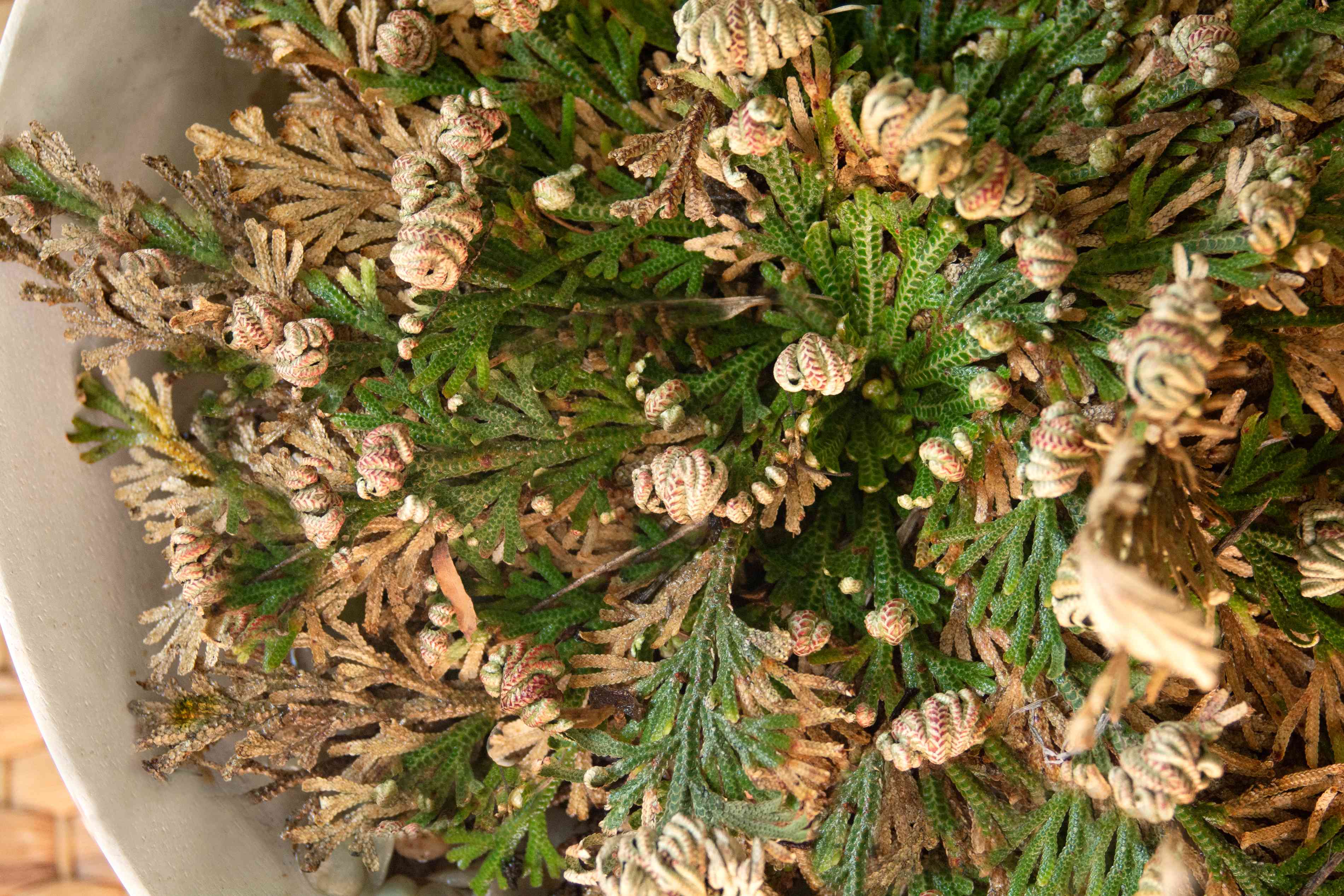
The resurrection plant is the houseplant world’s tiny drama queenand honestly, we respect the performance. One week it looks like a crispy brown tumbleweed that gave up on life, and the next it unfurls into a green, fern-like rosette as if nothing happened. No apology. No explanation. Just botanical theater.
Most plants punish you for forgetting to water them. The resurrection plant, commonly sold as Rose of Jericho, false Rose of Jericho, dinosaur plant, or Selaginella lepidophylla, practically built its brand on surviving drought. Native to seasonally dry regions from the southwestern United States into Mexico and Central America, this spikemoss has evolved to curl up during dry periods and revive when moisture returns.
But “hard to kill” does not mean “impossible to ruin.” The most common way people accidentally harm a resurrection plant is by loving it too muchspecifically, by leaving it sitting in water forever. This guide explains exactly how to grow and care for resurrection plant indoors, how to revive it, when to let it rest, and how to keep it from turning into a soggy little science experiment.
What Is a Resurrection Plant?
The resurrection plant most often sold in the United States is Selaginella lepidophylla, a member of the spikemoss family. Despite its fern-like appearance, it is not a true fern, and despite the common name “Rose of Jericho,” it is not a rose. It also does not flower, produce rosebuds, or whisper ancient desert secretsat least not audibly.
This plant is famous for its ability to survive extreme drying. When moisture disappears, its stems curl inward, forming a tight, brown ball. When water returns, the plant rehydrates, spreads open, and may regain a green color. This process is natural, not a party trick, although it absolutely feels like one the first time you watch it happen on your kitchen counter.
True Rose of Jericho vs. False Rose of Jericho
Here is where the naming gets a little messy. Two different plants are commonly called Rose of Jericho:
- False Rose of Jericho: Selaginella lepidophylla, the commonly sold resurrection plant native to dry regions of North America and Central America.
- True Rose of Jericho: Anastatica hierochuntica, a different desert plant native to parts of the Middle East and North Africa.
If you bought a dried brown ball labeled “resurrection plant” from a garden center, online plant shop, novelty store, or science kit supplier, you most likely have Selaginella lepidophylla. The care advice in this article focuses on that plant.
Quick Resurrection Plant Care Guide
| Care Factor | Best Practice |
|---|---|
| Light | Bright, indirect light; avoid harsh afternoon sun indoors |
| Water | Use shallow water with pebbles; allow regular dry rest periods |
| Soil | Optional; pebbles and a shallow dish are often easier |
| Temperature | Average room temperatures, ideally around 65–85°F |
| Humidity | Average indoor humidity is usually fine; mist lightly if needed |
| Fertilizer | Rarely needed; use very diluted fertilizer once or twice yearly |
| Propagation | Division is easiest; the plant reproduces by spores, not seeds |
How to Revive a Resurrection Plant
Reviving a resurrection plant is simple, but the method matters. The goal is to hydrate the plant without drowning it. Think “spa day,” not “submarine mission.”
Step 1: Choose the Right Container
Use a shallow bowl, saucer, or low dish. A wide container gives the plant room to open, while a shallow shape improves airflow. Deep cups or jars trap moisture around the plant and increase the risk of mold, mildew, and rot.
Step 2: Add Pebbles or Gravel
Place a layer of clean pebbles, small stones, or decorative gravel in the bottom of the container. The pebbles act like a little stage for your plant’s big comeback performance. They help keep the plant above the waterline so the base can touch moisture without being fully submerged.
Step 3: Add Clean Water
Add enough room-temperature water to barely reach the top of the pebbles. Distilled water, rainwater, or tap water that has sat out overnight is best. Resurrection plants can be sensitive to chemicals and mineral buildup, so overly treated or hard water may leave residue or cause browning over time.
Step 4: Place the Plant on Top
Set the dried resurrection plant on the pebbles with the curled side facing upward. The bottom should touch moisture, but the entire plant should not be submerged. Within a few hours, it usually begins to loosen and unfurl. Full greening may take a day or several days, depending on the plant’s condition, age, and storage history.
Step 5: Watchbut Do Not Panic
If your plant opens but stays partly brown, that does not automatically mean you failed. Some resurrection plants sold dry have dead sections, damaged tips, or old growth that will not fully green up. Trim only the parts that remain mushy, black, or permanently brittle after several hydration cycles.
Light Requirements for Resurrection Plant
Resurrection plant care is easiest when the plant receives bright, indirect light. An east-facing window, a bright tabletop near a window, or a spot with filtered sun works well. Indoors, harsh direct sun can scorch the delicate fronds, especially while the plant is hydrated and green.
If your home is dim, a small grow light can help keep the plant looking fresh while it is open. However, this is not a high-maintenance tropical diva demanding a professional lighting rig. Moderate brightness is usually enough.
Signs It Needs Better Light
- The plant opens slowly and remains dull brown for days.
- It looks weak or limp after rehydration.
- Mold appears because the plant stays wet but does not dry efficiently.
Move it to a brighter location with good airflow, but avoid baking it in direct afternoon sun. This plant loves drama, not sunburn.
Watering Resurrection Plant the Right Way
Watering is the heart of resurrection plant care. The plant can survive dry periods, but it can rot if kept constantly wet. That surprises many beginners because the plant is often marketed as something you simply “put in water.” That is only half the story.
Use a Wet-Dry Cycle
For indoor care, give the plant access to shallow water for several days, then let it dry out. A practical schedule looks like this:
- Hydrate the plant in a shallow dish for 3–5 days.
- Remove it from water and let it dry for at least 1–2 days.
- Every few weeks, allow it to dry completely and curl back up.
This mimics the plant’s natural rhythm better than permanent soaking. In the wild, moisture arrives, the plant activates, and then dry conditions return. Indoors, you become the weather. Congratulations on your promotion.
How Much Water Should You Use?
Use just enough water to touch the base of the plant through the pebbles. The plant should never be floating like a sad salad garnish. If water rises above the pebbles and covers the crown, pour some out.
Best Water Type
For best results, use:
- Distilled water
- Rainwater
- Filtered water
- Tap water left out overnight
Room-temperature water is ideal. Very cold water can slow the plant’s response, while hot water can damage tissue. The resurrection plant is tough, but it is not soup.
Can You Grow Resurrection Plant in Soil?
Yes, resurrection plant can be grown in a well-draining medium, but many home growers find the pebble-and-water method easier. In soil, moisture control becomes trickier. Too much water can lead to rot, while bone-dry potting mix may not rehydrate evenly.
If you want to grow resurrection plant in soil, use a gritty, fast-draining mix. A blend made for cacti or succulents can work, especially if amended with extra perlite, pumice, or coarse sand. Keep the plant lightly moist while active, then allow it to dry periodically.
Best Setup for Beginners
For most beginners, a shallow dish with pebbles is the best setup. It is easier to clean, easier to dry, and easier to monitor. It also shows off the plant’s curling and unfurling habit, which is half the fun.
Temperature and Humidity
Resurrection plants prefer average indoor temperatures, roughly in the range most humans also enjoy. If you are comfortable in the room, your plant probably is too. Avoid placing it near heating vents, air conditioners, drafty windows, or extremely hot glass.
Humidity is usually not a major issue when the plant is grown in a shallow water-and-pebble setup. However, very dry indoor air can make it curl faster. If you want to keep it green longer, mist lightly with distilled or filtered water. Do not mist so heavily that water pools in the center.
Fertilizing Resurrection Plant
Resurrection plant is not a hungry houseplant. In fact, overfertilizing can do more harm than good. If you fertilize at all, use a balanced liquid houseplant fertilizer diluted to about one-tenth of the normal strength.
Apply fertilizer only once or twice a year during active, hydrated periods. Spring and midsummer are reasonable times. Never fertilize a dry, dormant plant. That would be like handing someone a sandwich while they are asleep and expecting gratitude.
Pruning and Cleaning
Pruning is minimal. Once the plant has been hydrated for a few days, inspect it closely. Remove fronds that remain black, mushy, foul-smelling, or clearly dead. Use clean scissors and trim gently.
Also clean the container regularly. If the plant is sitting in water, refresh the water every day or two. Rinse the pebbles occasionally to prevent slime, mineral buildup, and mold. Clean water is one of the simplest ways to keep a resurrection plant healthy indoors.
Common Resurrection Plant Problems
Plant Stays Brown After Watering
A resurrection plant may stay brown if it is old, dead, too dry for too long, exposed to poor water quality, or lacking humidity. Give it 24–72 hours before judging. Some plants open quickly but take longer to regain color. If it remains stiff, brittle, and lifeless after several careful rehydration attempts, it may no longer be viable.
Plant Turns Black or Smells Bad
Black, mushy, smelly growth usually means rot. Remove the plant from water immediately, trim affected areas, clean the container, and let the plant dry completely. Going forward, use less water and give it more frequent dry rest days.
Mold Appears
Mold develops when moisture sits too long without airflow. Refresh water often, use a shallow dish, avoid crowding, and let the plant dry out regularly. If mold appears on dead tissue, trim that section away.
Leaves Curl Again Quickly
Curling is not always a problem. It is the plant’s normal response to drying. If it curls faster than expected, the room may be very dry, the plant may be near a vent, or the water level may be too low. Light misting can help keep it open longer.
How to Propagate Resurrection Plant
Resurrection plant does not produce flowers or seeds. Like other spore-producing plants, it reproduces differently from common flowering houseplants. For home growers, division is the most realistic propagation method.
To divide it, wait until the plant is hydrated and flexible. Use clean scissors to cut a healthy section that includes several fronds. Place the division on moist pebbles or a gritty growing medium and care for it as you would the parent plant. Success is not guaranteed, especially with older dried specimens, but healthy green growth has the best chance.
Is Resurrection Plant Safe for Pets?
Selaginella lepidophylla is generally considered a pet-safe and child-safe decorative plant, but that does not mean anyone should snack on it. Keep it away from curious pets and small children to prevent chewing, choking, messes, and the kind of mysterious floor crumbs that make every plant owner squint suspiciously at the cat.
Best Places to Display a Resurrection Plant
Because resurrection plant is compact and unusual, it makes a great conversation piece. Display it in a shallow ceramic bowl, glass saucer, bonsai dish, or low tray with natural stones. It looks especially striking on a desk, windowsill, bookshelf, or plant shelf where guests can see the transformation.
For a more natural look, pair it with stones, sand-colored gravel, or a desert-inspired display. Just remember: decorative does not mean maintenance-free. Even the prettiest bowl needs fresh water and occasional drying.
Seasonal Care Tips
Spring
Spring is a good time to rehydrate a dormant plant, clean its container, and lightly fertilize if desired. It is also the best time to try division if the plant is healthy.
Summer
Keep it in bright, indirect light and protect it from harsh heat. If you move it outdoors, place it in dappled shade and bring it back inside before temperatures become extreme.
Fall
Reduce hydration periods if indoor light decreases. Let the plant dry more often to prevent mold in cooler, dimmer conditions.
Winter
Winter indoor air can be dry, but light levels are lower. Keep the plant away from heaters and drafts. If you do not want to maintain it actively, let it dry and store it in a cool, dry place where it will not be crushed.
Real-World Experiences Growing Resurrection Plant
After growing resurrection plants indoors, one of the first lessons people learn is that this plant does not behave like a pothos, snake plant, or peace lily. It has its own rhythm. The best results often come when you stop trying to keep it green every single day and start treating dormancy as part of its care routine.
A common beginner experience goes like this: the plant arrives as a dry brown ball, looking suspiciously like something swept from under a sofa. You place it in water, check it every 10 minutes, and convince yourself nothing is happening. Then, a few hours later, the outer fronds begin to loosen. By the next day, it looks wider, softer, and greener. Suddenly, you are emotionally attached to a spikemoss that yesterday looked like a forgotten tea bag.
The second lesson is that too much water is the real villain. Many owners keep the plant in a bowl of water for weeks because it looks happiest when open. At first, everything seems fine. Then the center starts to darken, the water smells stale, or fuzzy mold appears near the base. That is the plant politely telling you, “Please stop turning my desert lifestyle into a swamp.” A weekly dry day and a full dry-out every few weeks can make a huge difference.
Another experience: water quality matters more than expected. In homes with hard tap water, white mineral crust can collect on pebbles and fronds. The plant may still open, but it can look dull or patchy. Switching to distilled water, rainwater, or rested tap water often improves the plant’s appearance. Cleaning the bowl regularly also helps, especially if the display container is glass and shows every speck of residue like a tiny museum of neglect.
Light is another area where growers learn through trial and error. In a dim corner, the plant may open but remain tired-looking. In direct, hot sun, it can become crispy in a less charming way. Bright indirect light near a window usually gives the best balance. The plant opens nicely, dries at a reasonable pace, and avoids the scorched look that says, “I have seen the surface of Mercury.”
Many growers also discover that not every resurrection plant sold dry is equally alive. Some specimens revive beautifully. Others open only halfway or stay mostly brown because parts were already dead before purchase. That is why patience matters. Give the plant a few hydration and drying cycles before deciding it is done. Trim clearly dead pieces, refresh the water, and observe how it responds.
The best mindset is to enjoy the plant’s cycle rather than force perfection. A resurrection plant is not supposed to look like a lush tropical centerpiece all year. Its magic is in the transformation: dry, curled, quiet, then open and green again. Once you accept that dormancy is not failure, this little plant becomes one of the easiest and most fascinating houseplants to keep.
Conclusion
Growing and caring for resurrection plant is wonderfully simple once you understand its natural wet-dry rhythm. Give it bright indirect light, clean shallow water, good airflow, and regular dry rest periods. Avoid constant soaking, refresh the water often, and do not panic when it curls up. Curling is not a crisisit is the plant doing exactly what evolution taught it to do.
Whether you grow it as a botanical curiosity, a low-maintenance houseplant, a science lesson, or a tiny desk companion with a flair for dramatic entrances, the resurrection plant rewards patient care with one of the coolest transformations in the plant world. Treat it less like a thirsty tropical and more like a desert survivor, and it will keep performing its little miracle again and again.