Note: This article is written for general food and lifestyle education, based on reputable produce safety, nutrition, and culinary guidance. It is not medical advice.
Introduction: Meet the Tiny Tropical Drama Queen
Passionfruit is one of those fruits that looks like it belongs in a treasure chest, a science lab, or a very fancy smoothie bowl. Its outside is tough, wrinkly, and not exactly glamorous. Then you cut it open andsurprise!inside is a bright golden pulp filled with crunchy edible seeds and a fragrance that practically yells, “Vacation has entered the chat.”
If you have ever stared at a passionfruit and wondered whether you should peel it, bite it, strain it, cook it, or politely hand it to someone more confident, you are not alone. The good news is that learning how to eat passionfruit is easy once you understand its ripeness signs, which parts are edible, and how to use its sweet-tart flavor without letting it bully your yogurt.
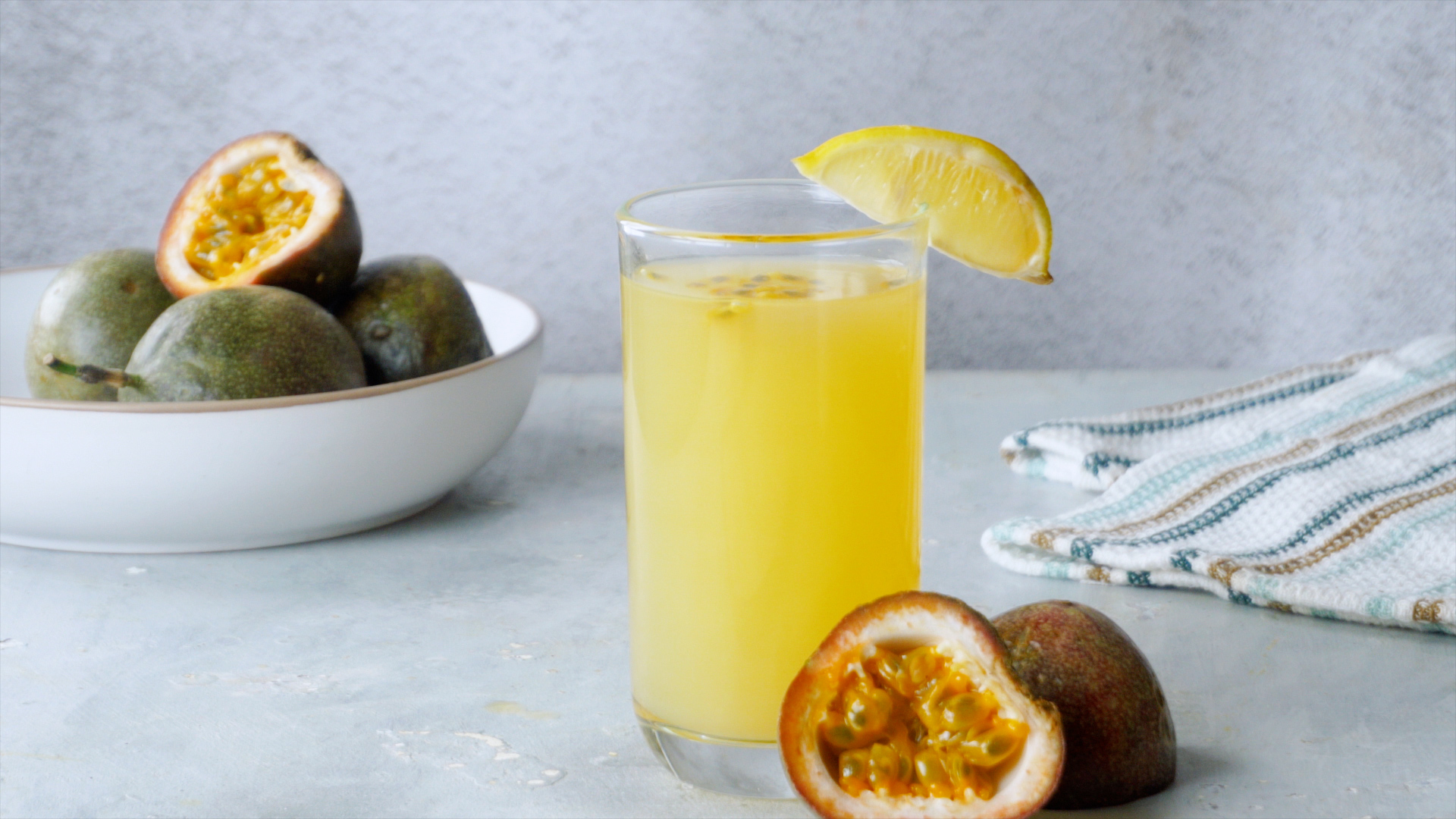
Passionfruit, also called passion fruit, is usually eaten by slicing the fruit open and scooping out the juicy pulp and seeds. The seeds are edible, crunchy, and part of the fun. The rind is tough and generally not eaten, while the white inner pith is very bitter and usually left behind. This guide walks you through 12 practical steps, from choosing a ripe fruit to adding passionfruit to drinks, desserts, breakfasts, sauces, and snacks.
What Does Passionfruit Taste Like?
Fresh passionfruit has a bold tropical flavor that is sweet, tart, floral, citrusy, and slightly musky in the best possible way. Some people compare it to a mix of pineapple, mango, kiwi, and lemon. That description is useful, but passionfruit really has its own personality. It is not shy. It does not whisper. It arrives with maracas.
The texture is just as memorable. Inside the hard shell, you will find slippery, jelly-like pulp wrapped around many small seeds. The pulp is juicy and aromatic; the seeds add crunch. If you enjoy fruit with contrast, passionfruit is a tiny masterpiece. If you dislike seeds, you can strain the pulp and use only the juice.
How to Eat Passionfruit: 12 Steps
Step 1: Choose the Right Passionfruit
Start with fruit that feels heavy for its size. A heavier passionfruit usually means more juicy pulp inside. Look for purple, reddish-purple, or yellow skin, depending on the variety. Avoid fruit that is green, rock-hard, moldy, leaking, or badly bruised.
A ripe passionfruit often has wrinkled skin. This is one of the few times in life when wrinkles are a compliment. Smooth skin does not always mean the fruit is bad; it may simply need a few more days at room temperature to ripen. When the skin becomes slightly wrinkled and the fruit gives off a tropical aroma, it is usually ready to eat.
Step 2: Let Firm Passionfruit Ripen at Room Temperature
If your passionfruit is still smooth and firm, leave it on the counter for a few days. Do not refrigerate unripe passionfruit too early, because cold temperatures slow the ripening process. Keep it away from direct heat and sunlight. A fruit bowl on the counter works perfectly.
Check it daily. When the skin wrinkles slightly and the fruit smells fragrant, you have reached the golden moment. If it becomes very soft, smells fermented, or shows mold, do not eat it. Passionfruit should smell tropical and inviting, not like it has started a secret brewery in your kitchen.
Step 3: Wash the Fruit Before Cutting
Even though you do not eat the outer rind, always wash passionfruit before cutting it. Dirt or bacteria on the surface can transfer to the pulp when your knife slices through the skin. Rinse the fruit under cool running water and rub the outside gently with your fingers. Dry it with a clean towel or paper towel.
Do not use soap, detergent, or commercial produce wash. Plain running water is the best everyday method for cleaning fresh produce. Also wash your hands, cutting board, and knife before preparing the fruit. Passionfruit may look like a tiny helmet, but food safety still matters.
Step 4: Place It on a Stable Cutting Board
Passionfruit is round, and round foods love to roll away at the worst possible time. Place the fruit on a stable cutting board. Hold it firmly with one hand and use a sharp knife with the other. A serrated knife works well because the rind can be tough and leathery.
Slice the fruit crosswise through the middle. Some juice may escape, so do not cut it over important paperwork, your laptop, or your favorite white shirt. If you want to save every drop, cut it over a small bowl.
Step 5: Open the Fruit and Inspect the Inside
Once opened, ripe passionfruit should reveal golden-yellow or orange pulp with dark edible seeds. The aroma should be fresh, tropical, and slightly floral. The pulp may look strange if you are new to itsomewhere between jam, jelly, and alien caviarbut that is exactly what it should look like.
Do not panic if the inside is loose and juicy. That is normal. However, discard the fruit if you see mold, an unpleasant smell, or anything that looks spoiled. Fresh passionfruit should be tangy and fragrant, not sour in a rotten way.
Step 6: Scoop Out the Pulp and Seeds
The easiest way to eat passionfruit is to use a spoon. Scoop the pulp and seeds directly from the shell and eat them as they are. The seeds are edible and provide a pleasant crunch. This is the classic method, and it takes about ten seconds once the fruit is cut open.
If the flavor is too tart, drizzle the pulp with a tiny bit of honey, maple syrup, or agave. You can also spoon it over sweet foods such as vanilla yogurt, ice cream, cheesecake, or oatmeal. Passionfruit is powerful, so a little goes a long way.
Step 7: Decide Whether to Eat or Strain the Seeds
Many people enjoy the seeds because they add texture. They are especially good in yogurt bowls, fruit salads, chia pudding, and smoothie bowls. The crunch makes the fruit feel lively instead of flat.
If you prefer a smoother texture, strain the pulp. Place it in a fine-mesh sieve over a bowl and press gently with the back of a spoon. You will collect the juice while leaving most of the seeds behind. This strained passionfruit juice is excellent for drinks, sauces, curds, glazes, and desserts where a silky texture is preferred.
Step 8: Add Passionfruit to Breakfast
Passionfruit is a breakfast upgrade disguised as fruit. Spoon it over Greek yogurt with granola and berries. Stir it into overnight oats. Add it to cottage cheese with a little honey. Drizzle it over pancakes, waffles, or French toast for a bright tropical pop.
For a quick breakfast bowl, combine plain yogurt, sliced banana, toasted coconut, and one or two passionfruits. The banana brings sweetness, the yogurt adds creaminess, and the passionfruit wakes everything up like a citrusy alarm clock with better manners.
Step 9: Blend It Into Drinks and Smoothies
Passionfruit is famous in beverages because its aroma is intense and refreshing. Add the pulp to smoothies with mango, pineapple, banana, orange juice, coconut milk, or plain yogurt. If you do not like seed bits in your drink, strain the pulp first.
You can also stir passionfruit into lemonade, iced tea, sparkling water, mocktails, or cocktails. A simple passionfruit spritzer takes only strained passionfruit juice, sparkling water, lime juice, and a little sweetener. Serve it over ice and pretend your kitchen has oceanfront views.
Step 10: Use Passionfruit in Desserts
Passionfruit loves desserts. Its tartness balances sugar and cream beautifully. Spoon fresh pulp over vanilla ice cream, panna cotta, pavlova, cheesecake, rice pudding, or coconut pudding. The fruit cuts through richness, making sweet dishes taste brighter and less heavy.
You can also make passionfruit curd by combining strained passionfruit juice with eggs, sugar, butter, and gentle heat. The result is glossy, tangy, and excellent on toast, scones, cakes, tart shells, or thumbprint cookies. If lemon curd is the polite cousin, passionfruit curd is the one wearing sunglasses indoors.
Step 11: Try Passionfruit in Savory Foods
Passionfruit is not only for sweets. Its acidity works well in salad dressings, marinades, salsas, and sauces. Mix strained passionfruit juice with olive oil, lime juice, honey, salt, and a little Dijon mustard for a bright vinaigrette. Use it on greens, grilled shrimp, chicken, or avocado salads.
For a tropical salsa, combine passionfruit pulp with diced mango, red onion, cilantro, lime juice, and a pinch of salt. Serve it with grilled fish, tacos, chicken, or tortilla chips. The sweet-tart flavor adds energy without making the dish taste sugary.
Step 12: Store Leftover Passionfruit Properly
Whole ripe passionfruit can be stored in the refrigerator for a few days. Once cut, scoop the pulp into an airtight container and refrigerate it. Use it soon for the freshest flavor. For longer storage, freeze the pulp in ice cube trays, then transfer the frozen cubes to a freezer-safe bag or container.
Frozen passionfruit cubes are perfect for smoothies, drinks, sauces, and desserts. They also help prevent waste when you buy a bag of passionfruit and suddenly realize that your enthusiasm has exceeded your breakfast schedule.
Which Parts of Passionfruit Are Edible?
The pulp and seeds are the main edible parts of passionfruit. They are the reason people buy the fruit. The seeds can be swallowed and chewed, and they provide crunch. The white inner pith is technically edible but very bitter, so most people avoid it. The hard outer rind is generally not eaten fresh.
If you are trying passionfruit for the first time, keep it simple: cut, scoop, taste. Once you understand the flavor, you can decide whether to eat it plain, sweeten it, strain it, or add it to recipes.
Nutrition Benefits of Passionfruit
Passionfruit may be small, but it brings useful nutrients to the table. It contains dietary fiber, vitamin C, vitamin A compounds, potassium, and plant antioxidants such as polyphenols and carotenoids. The exact nutrition depends on the size and variety of the fruit, but passionfruit is generally valued as a nutrient-dense tropical fruit.
The fiber in passionfruit supports digestive wellness and helps make the fruit more satisfying. Vitamin C contributes to immune function and helps the body absorb plant-based iron. The fruit’s antioxidants help protect cells from oxidative stress as part of an overall balanced diet. In plain English: passionfruit is not magic, but it is a smart, flavorful addition to meals.
Common Mistakes When Eating Passionfruit
Eating It Too Early
Unripe passionfruit can taste sharply sour and disappointing. Let firm fruit ripen until it becomes fragrant and slightly wrinkled.
Throwing Away the Seeds
The seeds are edible. Unless you dislike the texture, there is no need to remove them when eating fresh passionfruit.
Forgetting to Wash the Rind
Always rinse the fruit before cutting. The knife passes through the skin into the pulp, so surface cleanliness matters.
Using Too Much at Once
Passionfruit has a strong flavor. Start with one fruit or a few spoonfuls of pulp, then adjust. Your smoothie should taste tropical, not like it was challenged to a duel.
Simple Passionfruit Serving Ideas
- Spoon fresh passionfruit over vanilla yogurt with granola.
- Mix strained passionfruit juice into lemonade or sparkling water.
- Add pulp to a mango, banana, and coconut milk smoothie.
- Drizzle passionfruit over cheesecake, pavlova, or ice cream.
- Whisk it into vinaigrette for salads or grilled seafood.
- Freeze pulp into cubes for quick drinks and sauces.
- Stir it into oatmeal with honey and toasted coconut.
Safety Notes and Allergy Considerations
Passionfruit is safe for most people when eaten as a normal food. However, food allergies can happen. People with latex allergy may be more likely to react to certain tropical fruits, including passionfruit. If you have a known latex allergy or have reacted to similar fruits before, speak with a healthcare professional before trying it.
Also, avoid eating large amounts of the rind or skin. The edible prize is the pulp and seeds. If the fruit smells fermented, looks moldy, or has spoiled areas, throw it away. No fruit is so exotic that it deserves to argue with your stomach.
Real-Life Experience: Learning to Love Passionfruit Without Overthinking It
The first time many people meet passionfruit, they hesitate. That is understandable. It does not behave like an apple, banana, orange, or grape. You cannot simply peel it in one elegant motion. You cannot neatly slice it into polite wedges. It has a hard shell, a wrinkled face, and an inside that looks like it was designed by a tropical jellyfish. But once you taste it, the confusion usually turns into curiosity.
A practical first experience is to eat it plain over the sink or a small bowl. Cut one ripe passionfruit in half, scoop a little pulp with a spoon, and taste it without adding anything. This gives you the real flavor: tart, fragrant, sweet, sharp, and floral. The seeds may surprise you at first. They crunch more than expected, but they are not hard like cherry pits or annoying like watermelon seeds. They are part of the texture, almost like nature added sprinkles and decided not to ask permission.
After the first plain taste, the best second step is yogurt. Plain Greek yogurt is especially useful because it is creamy and slightly tangy, which matches passionfruit well. Add one passionfruit, a drizzle of honey, and a handful of granola. This combination shows why passionfruit is so popular in breakfast bowls: it turns a basic bowl into something that feels expensive, even if you are eating it while answering emails in pajama pants.
Another experience worth trying is passionfruit in drinks. Strain the pulp from two fruits, mix the juice with lime, cold water or sparkling water, and a little sweetener. Suddenly you understand why passionfruit appears in tropical beverages everywhere. It has enough acidity to refresh and enough aroma to make the drink feel special. If you add too much sugar, though, the flavor can become flat. The trick is balance: let the tartness stay awake.
Cooking with passionfruit teaches a different lesson. When spooned over ice cream or cheesecake, it cuts richness beautifully. When whisked into salad dressing, it behaves almost like citrus juice but with a deeper tropical note. With grilled shrimp or fish, it adds brightness without needing a heavy sauce. One or two fruits can change the whole personality of a dish.
The biggest lesson from eating passionfruit is this: do not judge it by the outside. The wrinklier fruit often tastes better than the smooth, shiny one. The seeds that seem strange at first become enjoyable. The tartness that feels intense by itself becomes perfect with cream, coconut, mango, honey, or sparkling water. Passionfruit rewards curiosity. It is a small fruit with a big opinion, and honestly, the kitchen is more fun because of it.
Conclusion
Learning how to eat passionfruit is simple: choose a ripe fruit, wash it, cut it open, scoop out the pulp and seeds, and enjoy. From there, you can keep it rustic and eat it straight from the shell or get creative with smoothies, yogurt bowls, desserts, drinks, salad dressings, and tropical sauces.
The key is to respect the fruit’s bold personality. Passionfruit is tart, aromatic, juicy, and crunchy. It does not need much help, but it pairs beautifully with creamy, sweet, citrusy, and tropical ingredients. Once you know the 12 steps, this wrinkly little fruit becomes far less mysterious and much more delicious.