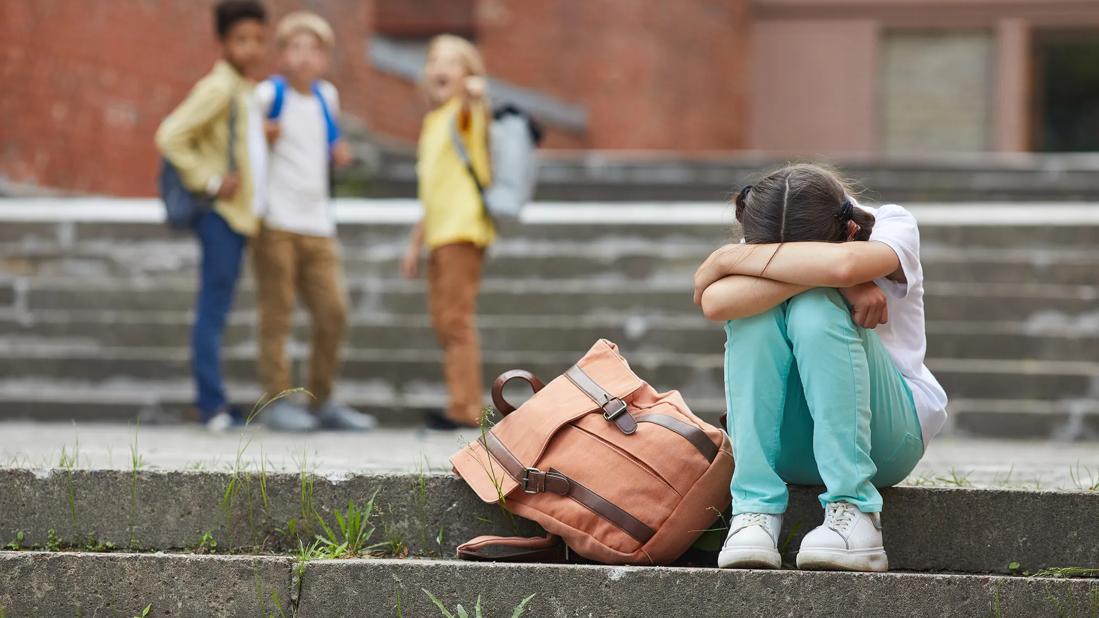
Bullying can make an ordinary hallway, group chat, classroom, office, or neighborhood feel lier the behavior involves insults, threats, exclusion, rumors, physical aggression, or online harassment, the goal is often the same: to gain power by making someone else feel smaller.
The good news is that dealing with a bully does not require becoming louder, tougher, or meaner. It requires a calm strategy, reliable support, good documentation, and the willingness to escalate the situation when necessary. The following steps explain how to deal with a bully safely and effectively at school, online, at work, and in everyday life.
First, Make Sure It Is Bullying
Not every disagreement is bullying. Two people can argue, dislike each other, or have a one-time conflict without either person being a bully. Bullying generally involves unwanted aggressive behavior, a real or perceived power imbalance, and conduct that is repeated or likely to happen again.
The power imbalance may be physical, social, professional, financial, or technological. A physically larger student may intimidate a smaller classmate. A popular group may repeatedly exclude and humiliate someone. A supervisor may misuse authority to embarrass an employee. An anonymous account may use private information to frighten a target online.
Common forms of bullying include:
- Verbal bullying: insults, slurs, mocking, threats, and humiliating comments.
- Physical bullying: hitting, pushing, tripping, blocking movement, or damaging belongings.
- Social bullying: spreading rumors, deliberate exclusion, public embarrassment, or encouraging others to reject someone.
- Cyberbullying: abusive messages, impersonation, unwanted images, threatening posts, or coordinated online harassment.
- Workplace bullying: intimidation, sabotage, repeated humiliation, unreasonable targeting, or misuse of professional authority.
Labels matter less than safety. A single threat, assault, discriminatory incident, or release of private images may require immediate action even when it does not fit the classic definition of repeated bullying.
Put Immediate Safety Ahead of Winning the Argument
When bullying happens, the first goal is not to deliver a movie-worthy comeback. The first goal is to get somewhere safe. If the person is threatening violence, displaying a weapon, blocking your exit, following you, or physically attacking you, move toward other people and contact an appropriate authority.
For students, that may mean finding a teacher, coach, counselor, bus driver, administrator, or parent. At work, it may mean going to a supervisor, security officer, human resources representative, or union representative. In public, enter a staffed business, approach security personnel, or call emergency services if danger is immediate.
Do not remain in an unsafe place merely to prove that you are not frightened. Walking away is not surrender. It is tactical intelligence with shoes on.
Respond Calmly and Assertively
Some bullies are looking for visible distress, a dramatic confrontation, or material they can twist against you later. A brief, calm response may reduce that reward.
Stand upright, keep your voice steady, and use a simple statement:
- “Stop. That is not acceptable.”
- “Do not speak to me that way.”
- “I am leaving now.”
- “Do not contact me again.”
- “This conversation is over.”
Avoid lengthy debates. You are setting a boundary, not auditioning for the Supreme Court. Say what needs to be said, disengage, and move toward support.
Role-playing these responses can help children and teenagers use them under pressure. Adults can rehearse workplace responses too, especially when the person doing the bullying has more authority.
Do Not Retaliate
Retaliation can escalate the danger and make the situation harder to investigate. Hitting back, posting revenge content, spreading counter-rumors, or sending threats may create disciplinary or legal consequences for everyone involved.
Self-defense may be necessary during an immediate physical attack, but the goal should be to escape dangernot to punish the other person. Once you are safe, report what happened and preserve the evidence.
Online retaliation is especially risky. Screenshots rarely explain who “started it,” and a message written during an angry thirty-second eruption can survive for years. Do not hand the bully free evidence wrapped in a digital bow.
Document Every Incident
Bullying is often a pattern, but patterns are difficult to prove when every event exists only in memory. Begin a factual incident log as soon as possible.
Record the following details:
- Date, time, and location.
- Exactly what was said or done.
- Names of the people involved.
- Names of witnesses.
- Physical injuries or damaged property.
- Who received the report and how that person responded.
Save emails, text messages, voicemail recordings, usernames, URLs, photographs, and screenshots. Capture the entire screen when possible so the account name, date, and surrounding context are visible. Keep copies somewhere the bully cannot access.
Write objectively. “At 1:15 p.m., he blocked the doorway and said, ‘You will regret reporting me’” is more useful than “He was being completely insane again.” The second version may be emotionally accurate, but the first is easier for an administrator, investigator, or attorney to evaluate.
Tell Someone Who Can Help
Silence protects the pattern, not the target. Reporting bullying is not tattling. Tattling is usually an attempt to get someone in trouble over something minor. Reporting is an attempt to protect someone from harm.
Choose a trustworthy person who has the authority or ability to intervene. Explain the facts, share the documentation, describe how the behavior is affecting you, and ask for a specific response.
Instead of saying, “Please do something,” try:
“This has happened four times in the past two weeks. I have included the dates, witnesses, and screenshots. I need a safety plan and written information about the next steps.”
If the first person dismisses the complaint, move up the chain of responsibility. At school, that might mean going from the teacher to the principal, district administration, superintendent, or school board. At work, it might mean contacting a higher-level manager, human resources, compliance, a union, or the appropriate government agency.
Work With the School on a Safety Plan
Parents should listen calmly when a child reports bullying. Avoid blaming the child, demanding an immediate confrontation, or charging into the school like an action hero with a parking permit.
Begin by saying:
- “I believe you.”
- “This is not your fault.”
- “You did the right thing by telling me.”
- “We will work on this together.”
Ask what happened, where it usually occurs, who witnessed it, and what would help the child feel safer. Then contact the school and request a practical plan. Possible measures include increased adult supervision, altered seating, a safe person to contact, monitored transitions, transportation changes, or separate schedules.
The target should not automatically be expected to abandon classes, activities, lunch periods, or friendships while the person causing harm experiences no meaningful change. Safety measures should reduce harm without punishing the student who reported it.
When bullying is connected to race, color, national origin, sex, disability, or another protected characteristic, additional civil-rights protections may apply. Families can ask the school how it is meeting its legal obligations and may seek outside guidance when the response is inadequate.
Handle Cyberbullying Strategically
Cyberbullying can follow a person home, spread rapidly, and reappear through new accounts. The response should be deliberate rather than impulsive.
Use this sequence:
- Preserve the evidence. Take screenshots before deleting anything.
- Do not engage in a prolonged argument. A single boundary statement may be enough.
- Block or mute the account. Adjust privacy, tagging, commenting, and messaging controls.
- Report the content. Use the platform’s harassment, impersonation, privacy, or threat-reporting tools.
- Tell a trusted person. Children should involve a parent, guardian, teacher, or counselor.
- Escalate serious conduct. Threats, stalking, extortion, sexual exploitation, or nonconsensual intimate images may require law-enforcement assistance.
Changing every account or leaving the internet entirely may occasionally be necessary for safety, but it should not be the automatic first solution. The person being targeted should not have to disappear because someone else refuses to behave.
Dealing With a Workplace Bully
Workplace bullying can be complicated because not every cruel or unreasonable action is illegal harassment. Federal employment law generally focuses on harassment tied to protected characteristics or retaliation for protected activity. Company policies, employment contracts, union agreements, and state laws may offer additional protections.
Keep records away from company-controlled devices when legally appropriate. Save performance reviews, schedules, written instructions, policy documents, and relevant communications. Record how the behavior affects your assignments, evaluations, health, or ability to work.
When reporting the problem, focus on conduct rather than personality:
“During three team meetings, my supervisor disclosed private medical information and encouraged coworkers to mock me. I am requesting an investigation and protection from retaliation.”
Do not secretly record conversations without checking applicable law and company policy. Depending on the situation, useful resources may include human resources, a union representative, an employment attorney, the Equal Employment Opportunity Commission, or a state labor agency.
Build a Support Network
Bullies are more effective when targets feel isolated. Reconnect with supportive friends, relatives, coworkers, teachers, coaches, counselors, faith leaders, or community members.
Ask allies for practical assistance. A classmate can walk with a student between classes. A coworker can attend a difficult meeting. A friend can help archive online evidence. A parent can send written follow-ups after school meetings.
Bystanders can also make a major difference without starting a dangerous confrontation. They can refuse to laugh, redirect the conversation, stand beside the targeted person, report the incident, or offer private support afterward. Sometimes the most powerful sentence is simply, “I saw what happened, and it was not okay.”
Protect Your Mental Health
Bullying can affect concentration, sleep, confidence, appetite, school performance, work performance, and social relationships. These reactions do not mean the target is weak. They mean repeated stress is doing what repeated stress tends to do.
Maintain routines that support recovery: regular sleep, physical activity, nutritious meals, time with safe people, hobbies, and breaks from hostile online spaces. Consider speaking with a counselor, psychologist, pediatrician, or other qualified health professional when distress continues or interferes with daily life.
Take statements about self-harm or suicide seriously. If someone is in immediate danger, contact emergency services or an appropriate crisis service in the person’s location. Do not leave the person alone while urgent help is being arranged.
What Not to Say to Someone Being Bullied
Unhelpful advice can increase shame and isolation. Avoid statements such as:
- “Just ignore it.”
- “You need to toughen up.”
- “They are only joking.”
- “What did you do to cause it?”
- “Fight back and they will respect you.”
Ignoring minor teasing may occasionally remove the reaction someone is seeking, but chronic bullying rarely disappears because everyone pretends not to notice. A better response is: “I am glad you told me. Let’s document what happened and decide how to make you safer.”
Experiences That Show What Effective Responses Look Like
The following examples are composite scenarios based on common bullying situations. Names and identifying details are fictional.
Experience One: The Hallway Intimidation
Jordan, a seventh-grade student, was repeatedly shoved near a stairwell where adult supervision was limited. At first, he said nothing because he feared being called a snitch. He tried laughing with the group, hoping the behavior would become less entertaining. Instead, the shoving became harder and one student began taking items from his backpack.
Jordan eventually told his older sister, who helped him create a timeline. They wrote down approximate dates, locations, witness names, and the missing items. His parent then emailed the school rather than relying only on a hurried phone call.
The first response was vague: staff members promised to “keep an eye on things.” Jordan’s parent politely requested a written safety plan. The school increased supervision near the stairwell, assigned Jordan a counselor contact, and adjusted transition times temporarily. The incidents stopped.
The important lesson was not that one clever sentence defeated the bullies. Documentation and persistent adult involvement changed the environment that allowed the behavior to continue.
Experience Two: The Cruel Group Chat
Maya discovered that classmates had created edited images of her and were sharing them in a private group. Her first impulse was to post screenshots publicly and insult everyone involved. A friend persuaded her to pause.
Maya captured the messages, account names, dates, and full conversation context. She reported the content to the platform, blocked several accounts, and showed the evidence to her parent and school counselor. Because some posts contained threats and private information, the school involved its safety team.
By not retaliating, Maya preserved clear evidence and avoided turning the incident into a confusing online battle. She also temporarily limited who could tag or message her. Most importantly, she stayed connected to supportive friends rather than abandoning every online space she enjoyed.
Experience Three: The Office “Jokes”
Elena’s manager frequently mocked her accent during team meetings. When she objected, he claimed that she was too sensitive and reduced her responsibilities. Elena initially recorded only the most dramatic incidents, but an adviser encouraged her to document the full pattern.
She saved emails, noted witnesses, retained copies of positive performance reviews, and wrote down how her assignments changed after she complained. Her written report focused on specific conduct, possible discriminatory harassment, and potential retaliationnot on whether the manager was a terrible human being, although she had opinions.
The detailed record gave human resources something concrete to investigate. Elena also consulted an employment professional to understand her options and deadlines. Her experience shows why workplace bullying complaints should describe actions, dates, business consequences, and connections to protected activity whenever relevant.
Experience Four: The Helpful Bystander
Marcus noticed that one student was mocked every day at lunch. He did not feel safe confronting the entire group. Instead, he began sitting beside the targeted student, invited two friends to join them, and privately reported what he had observed to a teacher.
Marcus did not perform a heroic speech. He changed the social equation. The targeted student was no longer isolated, witnesses were willing to speak, and adults received enough information to intervene.
These experiences share a pattern: effective responses rely on safety, evidence, allies, clear boundaries, and appropriate escalation. Courage does not always look like confrontation. Sometimes it looks like saving a screenshot, sending an email, sitting beside someone, or asking for help one more time after the first adult failed to listen.
Conclusion
Learning how to deal with a bully begins with rejecting two bad ideas: that bullying is harmless and that the target must solve everything alone. A safe response involves recognizing the pattern, leaving dangerous situations, speaking assertively, documenting incidents, reporting them, and continuing to escalate until meaningful action occurs.
You do not have to become aggressive to become powerful. Calm boundaries, reliable evidence, supportive people, and a practical safety plan are often far more effective than the perfect comeback. Bullies may enjoy confusion and isolation. A clear record and a united response are much less entertaining.
Note: This article provides general educational information. Threats, violence, stalking, discrimination, sexual exploitation, or severe emotional distress may require assistance from qualified school officials, employers, mental health professionals, legal professionals, emergency services, or law enforcement.