Salmon is one of those foods that makes both humans and dogs suddenly develop excellent manners. You pull a fillet from the oven, and there is your dog, sitting like a tiny furry statue, silently asking, “I too am a sophisticated seafood person, yes?” The good news: dogs can eat salmon when it is cooked properly, served plain, and offered in sensible portions. The not-so-good news: the wrong kind of salmonraw, smoked, heavily seasoned, oily, salty, or full of bonescan turn a cute kitchen moment into a veterinary bill with dramatic background music.
This guide explains how to cook salmon for dogs safely, how much to serve, what ingredients to avoid, and how to make simple salmon dog food and salmon treats at home. Whether you want to add a spoonful of fish to your dog’s regular meal or bake a batch of salmon snacks for training, the goal is simple: tasty, safe, balanced, and not so exciting that your dog begins filing tax documents as “Head of Household.”
Can Dogs Eat Salmon?
Yes, dogs can eat salmon, but it should be fresh, fully cooked, boneless, and unseasoned. Salmon provides high-quality protein and omega-3 fatty acids, which may support skin, coat, joint, and overall wellness. Many commercial dog foods use salmon as a protein source because it is flavorful and nutrient-rich.
However, salmon should not automatically become your dog’s entire diet. Homemade meals can be tricky to balance because dogs need the right proportions of protein, fat, minerals, vitamins, calcium, and calories. A spoonful of cooked salmon as a topper or an occasional salmon treat is very different from replacing your dog’s complete and balanced food with a fish-only menu. Even if your dog strongly believes salmon should be its own food group, your veterinarian may disagree.
Why Cooked Salmon Is Better Than Raw Salmon for Dogs
Raw salmon is risky for dogs. It may contain bacteria, parasites, or, in certain regions, organisms linked to salmon poisoning disease. This condition is especially associated with raw or undercooked salmon, trout, and similar fish from the Pacific Northwest. It can cause vomiting, diarrhea, fever, swollen lymph nodes, weakness, dehydration, and can become life-threatening without treatment.
Cooking salmon thoroughly helps reduce these risks. For safety, cook fish to an internal temperature of 145°F, or until the flesh is opaque and flakes easily with a fork. Do not rely only on color if the fillet is thick; a simple kitchen thermometer is the calm, responsible adult in the room.
How to Choose Salmon for Dogs
Pick Fresh or Frozen Plain Salmon
Choose plain salmon fillets with no marinade, glaze, spice rub, butter sauce, garlic paste, onion powder, lemon-pepper seasoning, teriyaki sauce, or mystery “chef’s special” coating. Fresh or frozen salmon can both work. If using frozen salmon, thaw it safely in the refrigerator before cooking.
Remove Bones Carefully
Always check for bones before serving salmon to your dog. Small pin bones can be hard to see, so run clean fingers over the cooked fish and remove anything sharp. Bones can irritate the mouth, throat, stomach, or intestines. Your dog may be brave, but their digestive system does not need a seafood obstacle course.
Skip Smoked, Cured, and Heavily Salted Salmon
Smoked salmon, lox, gravlax, and cured salmon are not ideal for dogs because they are often high in sodium and may include spices, sugar, or other seasonings. Dogs do not need fancy brunch salmon. They need plain cooked salmon that looks boring to you and smells like a five-star restaurant to them.
Use Canned Salmon Carefully
Canned salmon can be used occasionally if it is packed in water, labeled low sodium or no salt added, and carefully checked for bones. Avoid canned salmon packed in oil, sauces, or added seasoning. Drain it well before mixing it into food or treats.
Ingredients to Avoid When Cooking Salmon for Dogs
When preparing salmon dog food or salmon treats, keep the ingredient list simple. Avoid:
- Garlic, onion, chives, leeks, or powders made from them
- Salt, soy sauce, fish sauce, teriyaki sauce, or salty marinades
- Butter, heavy oil, creamy sauces, or rich gravies
- Xylitol, sometimes listed as birch sugar, especially in baked goods or peanut butter
- Spicy seasonings, chili flakes, hot sauce, or blackened spice blends
- Cooked bones, sharp bones, or fish skin fried in oil
- Lemon-heavy marinades or acidic sauces that may upset the stomach
The best seasoning for dog salmon is no seasoning. Your dog will not complain that the flavor profile lacks complexity. Your dog once tried to eat a napkin. Keep perspective.
How Much Salmon Can Dogs Eat?
Portion size depends on your dog’s weight, age, health, activity level, and total diet. As a general rule, salmon treats and food toppers should be small and should not push your dog over their daily calorie needs. Many veterinarians recommend keeping treats and extras to no more than 10% of a dog’s daily calories.
For a small dog, a teaspoon or two of cooked salmon may be plenty. A medium dog might enjoy a tablespoon or two. A large dog may tolerate a few tablespoons as a meal topper. Start small, especially if your dog has never eaten fish before. Watch for vomiting, diarrhea, itching, gas, or changes in appetite. If your dog has a sensitive stomach, pancreatitis history, kidney disease, food allergies, or is on a prescription diet, ask your veterinarian before adding salmon.
Basic Method: How to Cook Salmon for Dogs
Ingredients
- 1 plain salmon fillet
- Water, if steaming or poaching
- No salt, no oil, no seasoning
Instructions
- Preheat the oven to 375°F if baking, or prepare a steamer or skillet for poaching.
- Place the salmon on parchment paper or in a small baking dish.
- Bake for 12–18 minutes, depending on thickness, until the internal temperature reaches 145°F.
- Let it cool completely before serving.
- Remove the skin if it is oily, crisp, or difficult to digest.
- Check carefully for bones.
- Flake into small pieces and serve in an appropriate portion.
You can also steam salmon for 8–12 minutes or poach it gently in water until fully cooked. These methods keep the fish moist without adding fats or seasonings.
Easy Salmon Recipes for Dog Food
Recipe 1: Simple Salmon and Rice Bowl
This recipe is best used as an occasional topper, not as a complete long-term diet unless your veterinarian or veterinary nutritionist adjusts it for balance.
Ingredients
- 1/2 cup cooked plain salmon, flaked and boneless
- 1 cup cooked white rice or brown rice
- 1/4 cup cooked carrots, finely chopped
- 1/4 cup cooked green beans, chopped
- 1 tablespoon plain pumpkin puree
Instructions
- Cook the salmon until it reaches 145°F, then cool and flake it.
- Cook rice without salt, butter, broth, or seasoning.
- Steam carrots and green beans until soft.
- Mix all ingredients together in a bowl.
- Serve a small portion with your dog’s regular food.
- Refrigerate leftovers for up to three days.
This bowl is gentle, simple, and easy to portion. Pumpkin adds fiber, rice adds digestible carbohydrates, and vegetables bring texture without turning dinner into a science fair project.
Recipe 2: Salmon and Sweet Potato Mash
This soft recipe works well as a topper for senior dogs or dogs who prefer moist food.
Ingredients
- 1/2 cup cooked plain salmon, boneless
- 1 medium sweet potato, cooked and peeled
- 2 tablespoons cooked peas or green beans
- Warm water as needed
Instructions
- Bake, steam, or poach the salmon until fully cooked.
- Cook the sweet potato until soft, then remove the skin.
- Mash salmon and sweet potato together.
- Stir in peas or green beans.
- Add a splash of warm water for a softer texture.
- Cool before serving.
Sweet potato is naturally sweet, so dogs often love this recipe. Serve it in small amounts because it can be calorie-dense. A little mash goes a long way, especially for small dogs who somehow eat like wolves but metabolize like decorative pillows.
Recipe 3: Salmon, Oat, and Pumpkin Meal Topper
This recipe is useful when you want a soft, spoonable topper that can be portioned and refrigerated.
Ingredients
- 1/2 cup cooked plain salmon
- 1/2 cup cooked plain oats
- 2 tablespoons plain pumpkin puree
- 1 tablespoon finely chopped cooked zucchini
Instructions
- Cook oats in water only.
- Cook salmon thoroughly and remove all bones.
- Combine salmon, oats, pumpkin, and zucchini.
- Cool completely.
- Serve a spoonful over your dog’s regular meal.
Use plain oats, not flavored oatmeal packets. Maple-brown-sugar oatmeal is for humans wearing cozy socks, not dogs with delicate digestive systems.
Easy Salmon Treat Recipes for Dogs
Recipe 4: Baked Salmon Training Bites
These small salmon dog treats are soft enough for training and easy to break into tiny pieces.
Ingredients
- 1 cup cooked plain salmon, flaked
- 1 egg
- 1/2 cup oat flour
- 2 tablespoons plain pumpkin puree
Instructions
- Preheat oven to 350°F.
- Mix salmon, egg, oat flour, and pumpkin in a bowl.
- Press the mixture into a thin layer on a parchment-lined baking sheet.
- Bake for 15–20 minutes, or until firm.
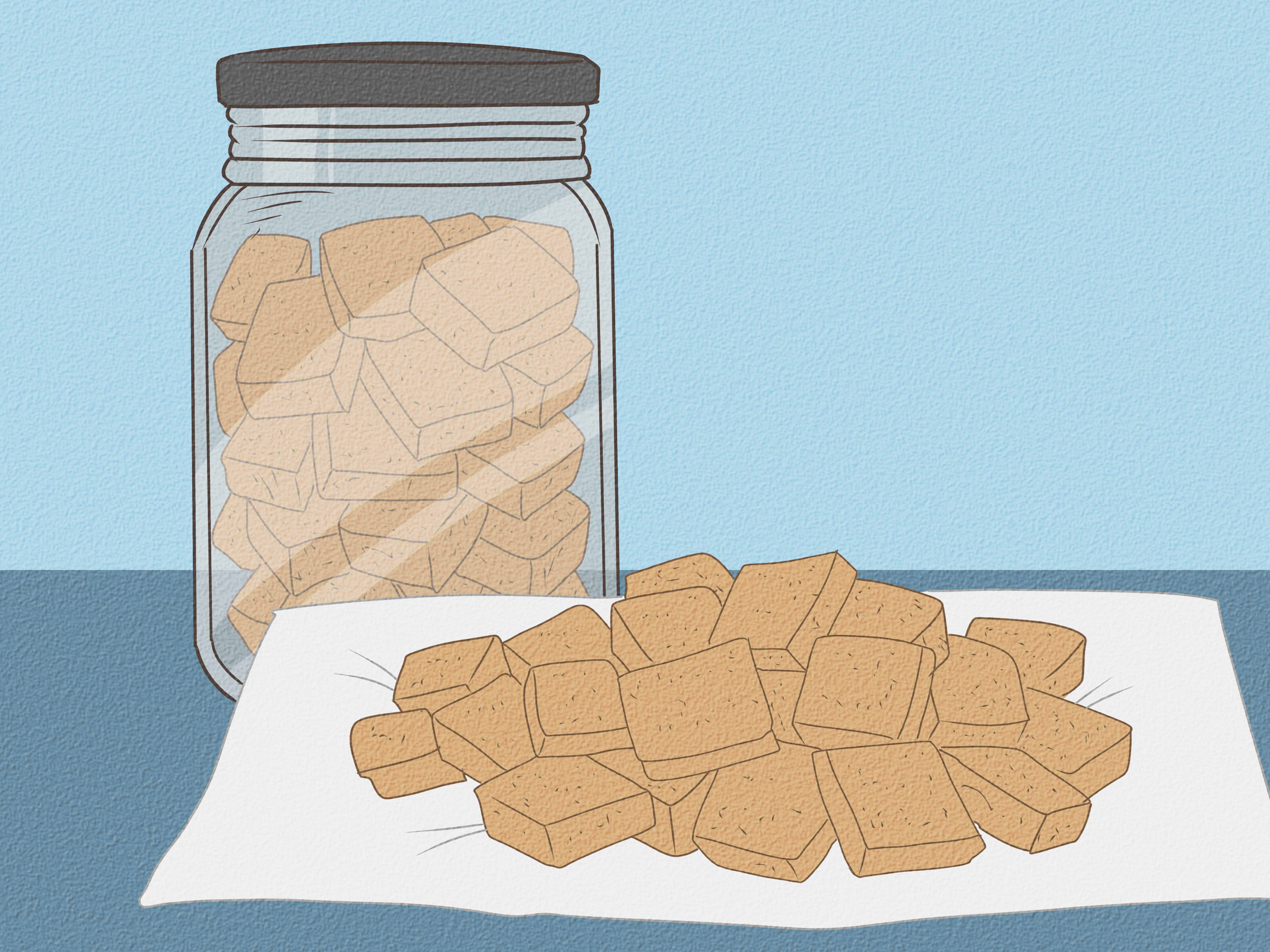
- Cool completely and cut into tiny squares.
- Store in the refrigerator for up to three days or freeze for longer storage.
Keep pieces small. Training treats should be more like confetti than cookies. Your dog gets the reward, and you avoid accidentally feeding half a salmon loaf during “sit practice.”
Recipe 5: Crunchy Salmon and Sweet Potato Treats
These treats are firmer and can be baked a little longer for crunch.
Ingredients
- 1/2 cup cooked salmon
- 1/2 cup mashed sweet potato
- 3/4 cup oat flour
- 1 egg
Instructions
- Preheat oven to 325°F.
- Combine all ingredients into a dough.
- Roll the dough into small balls or flatten into a sheet.
- Bake for 25–30 minutes.
- For extra crunch, turn off the oven and let treats sit inside with the door slightly open for 20 minutes.
- Cool fully before serving.
Because homemade treats do not contain commercial preservatives, store them carefully. Refrigerate short-term and freeze extras. If a treat smells sour, looks moldy, or has become suspiciously fuzzy, throw it away. Your dog may vote against this decision, but you are the adult with thumbs.
Recipe 6: Frozen Salmon Pumpkin Cubes
This no-bake treat is useful in warm weather or for dogs who enjoy lickable snacks.
Ingredients
- 1/2 cup cooked plain salmon
- 1/2 cup plain pumpkin puree
- 1/4 cup water
Instructions
- Blend cooked salmon, pumpkin, and water until smooth.
- Spoon into silicone molds or an ice cube tray.
- Freeze until solid.
- Serve one small cube as an occasional treat.
These cubes are rich, so do not hand them out like party favors. Use them as special treats, enrichment stuffing, or a cool snack after a walk.
Food Safety Tips for Homemade Salmon Dog Treats
Safe preparation matters as much as the recipe. Wash your hands before and after handling fish. Use separate cutting boards for raw fish and ready-to-eat foods. Clean bowls, utensils, counters, and storage containers with hot soapy water. Refrigerate cooked salmon promptly and do not leave fish-based treats sitting on the counter for hours.
Homemade salmon treats should usually be refrigerated and used within three days. For longer storage, freeze them in small portions. Label the container with the date, unless you enjoy playing “Is this dog food or ancient freezer archaeology?” three weeks later.
When Salmon May Not Be Right for Your Dog
Salmon is not perfect for every dog. Avoid or limit salmon if your dog has had allergic reactions to fish, frequent vomiting, chronic diarrhea, pancreatitis, or a medical condition requiring a restricted diet. Dogs with kidney disease, liver disease, bladder stones, or complex health issues should only receive homemade foods approved by a veterinarian.
If your dog develops itching, ear irritation, paw licking, vomiting, diarrhea, gas, or changes in stool after eating salmon, stop feeding it and contact your veterinarian. Introduce any new food slowly and in small amounts. Dogs are enthusiastic, not always biologically subtle.
Can Puppies Eat Salmon?
Puppies can eat tiny amounts of cooked, boneless, plain salmon, but caution is important. Puppies are growing quickly and need complete, balanced nutrition designed for development. Treats and toppers should be minimal. If you want to use salmon for puppy training, cut it into extremely small pieces and count it as part of the day’s treats.
Can Dogs Eat Salmon Skin?
Dogs can sometimes eat a small amount of plain cooked salmon skin, but it is fattier than the flesh and may upset sensitive stomachs. Avoid fried, crispy, seasoned, or oily salmon skin. If your dog has pancreatitis or needs a low-fat diet, skip the skin completely.
Can Dogs Eat Salmon Every Day?
Some complete and balanced dog foods use salmon as the main protein, and those can be fed according to the package directions. Homemade salmon, however, should not become a daily main meal unless a veterinarian or board-certified veterinary nutritionist has formulated the diet. Daily homemade feeding without proper balance can lead to nutrient deficiencies or excesses over time.
For most dogs, cooked salmon is best as an occasional topper or treat. Think “nutritious bonus,” not “the entire menu.”
of Practical Experience: What Cooking Salmon for Dogs Is Really Like
The first thing many dog owners notice when cooking salmon for dogs is that the dog somehow knows. You can roast chicken, chop carrots, boil rice, and your dog may observe politely. But the moment salmon hits the oven, the household security system activates. There is sniffing. There is pacing. There is a deeply emotional performance beside the stove, as if your dog has waited generations for this exact fillet.
In practice, the easiest method is baking. Place the salmon on parchment, skip the oil, skip the salt, and cook until it flakes. The hardest part is not cooking the fish; it is waiting for it to cool while your dog stares at you like you are delaying a royal banquet. Cooling matters because hot fish can burn a dog’s mouth, and dogs are not known for saying, “Actually, I will wait until this reaches an appropriate serving temperature.” They inhale first and ask questions never.
Another real-world lesson: portioning before serving prevents overfeeding. A cooked salmon fillet looks small to a human, especially if dinner was supposed to include side dishes and dignity. But for a 15-pound dog, a few bites can be plenty. The easiest habit is to flake the fish, remove bones, divide it into small containers, and freeze extra portions. That way, salmon becomes a controlled topper instead of a slippery slope toward “Oops, the dog ate restaurant portions.”
Texture also matters. Some dogs love chunky flakes. Others prefer salmon mixed into rice, pumpkin, or sweet potato. Senior dogs or picky eaters may do better with a moist mash. For training treats, soft salmon bites work beautifully because the smell is powerful and the pieces can be tiny. This is useful when teaching recall, leash manners, or the advanced household command known as “Please stop barking at the delivery driver who is already terrified.”
Storage is where many homemade treat attempts go wrong. Salmon treats smell delicious to dogs, but they are not shelf-stable like commercial biscuits. Refrigerate them, freeze extras, and toss anything questionable. If you pack treats for a walk, use a small amount and do not leave them in a hot car or pocket all day. Salmon pocket perfume is not a lifestyle most people choose twice.
Finally, watch the dog, not just the recipe. A salmon treat that works beautifully for one dog may be too rich for another. Start with a tiny serving and check stool, appetite, skin, and energy. When salmon is prepared plainly and used wisely, it can be a healthy, high-value food your dog absolutely adores. The secret is simple: cook it thoroughly, keep it boring, portion it carefully, and let your dog believe you are a culinary genius.
Conclusion
Cooking salmon for dogs is easy when you follow a few safety rules: use plain salmon, cook it fully to 145°F, remove bones, avoid seasonings, and serve small portions. Salmon can be a nutritious treat or meal topper thanks to its protein and omega-3 fatty acids, but it should not replace a complete and balanced diet unless your veterinarian designs the plan.
The best salmon recipes for dogs are simple. Baked salmon, salmon rice bowls, sweet potato mash, training bites, and frozen pumpkin cubes all give your dog the flavor they love without unnecessary ingredients. Keep treats under control, store leftovers safely, and introduce salmon slowly. Your dog may act like salmon is the discovery of the century. You can enjoy that joy while still being the sensible human in charge of the serving spoon.
Note: This article is for general educational purposes only. Always consult your veterinarian before making major diet changes or feeding homemade meals regularly.