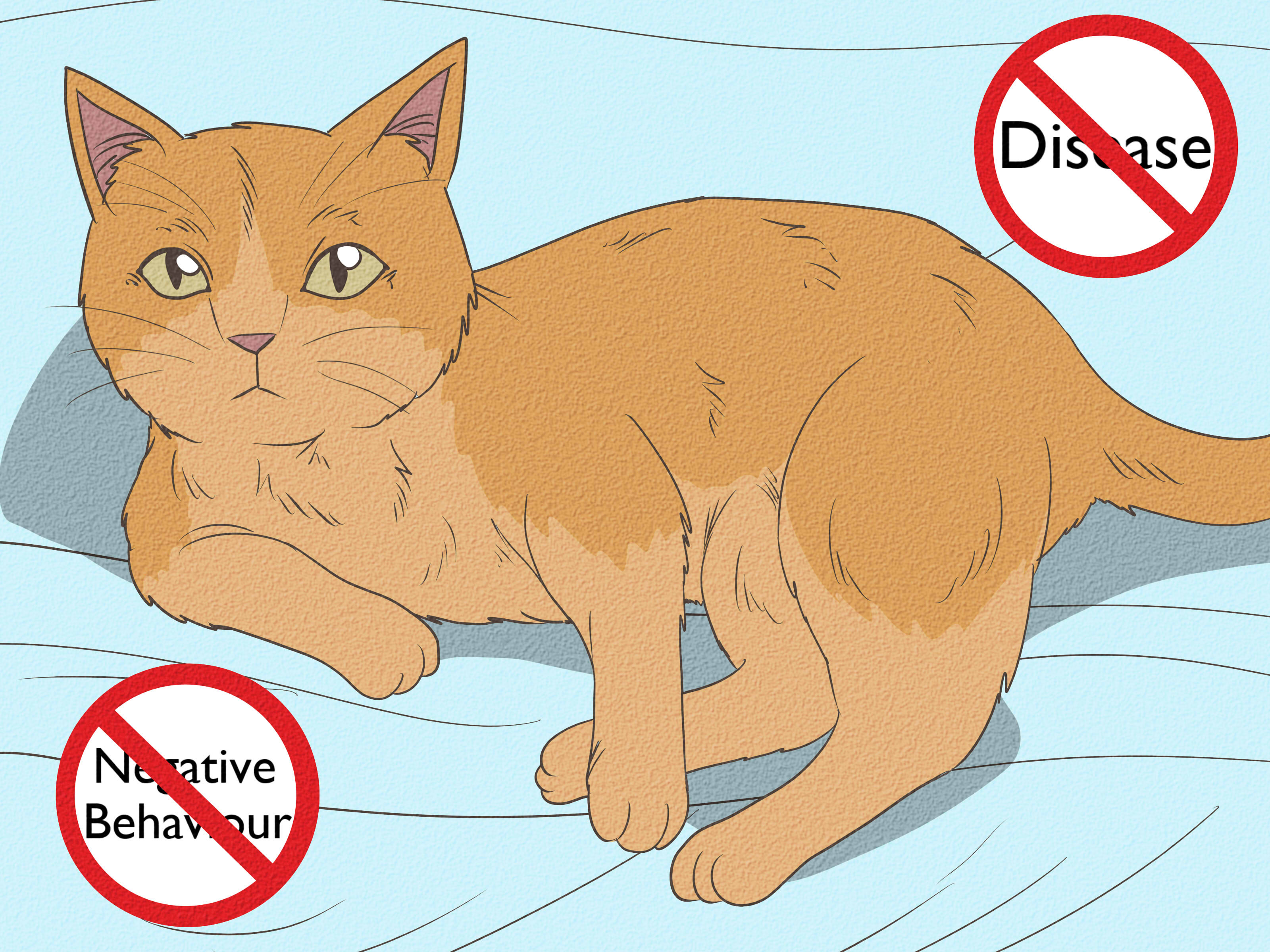
Bringing your cat home after neutering or spaying can feel a little like collecting a tiny, sleepy alien from a veterinary spaceship. One minute your feline is the ruler of the sofa kingdom; the next, they are wearing a cone, walking like they downloaded the wrong software update, and staring at you as if you personally invented anesthesia.
The good news? Most cats recover very well from spay or neuter surgery when their humans follow a few simple rules: keep them calm, protect the incision, offer food and water carefully, give medication exactly as prescribed, and know when something is not normal. The less glamorous news? Your cat will probably believe “rest quietly” is a personal insult. That is where smart aftercare comes in.
This guide explains how to care for your cat after neutering or spaying, what to expect during the first 24 hours, how long recovery usually takes, how to manage the cone situation, and which warning signs mean it is time to call the veterinarian. Think of it as your post-surgery survival manual, minus the panic and with slightly fewer mysterious cat noises.
What Happens During Spaying or Neutering?
Spaying and neutering are common surgical procedures used to prevent reproduction and support long-term health. A female cat is spayed, which usually means her ovaries and often her uterus are removed. A male cat is neutered, which means his testicles are removed. Both procedures are performed under anesthesia by a veterinary team.
Although neutering a male cat is usually less invasive than spaying a female cat, both procedures still require careful recovery. Even if your cat looks energetic the next day, the body is healing beneath the surface. Cats are famously skilled at pretending everything is fine, right up until they leap onto the refrigerator and give every human in the room a tiny heart attack.
How Long Does Cat Spay or Neuter Recovery Take?
Most cats need about 10 to 14 days for full recovery after spaying or neutering. Male cats may seem back to normal sooner, sometimes within a few days, especially after a routine neuter. Female cats often need more careful activity restriction because a spay involves an abdominal incision.
Do not let your cat’s confidence fool you. A cat who feels better on day three may decide to sprint, climb, wrestle, or attempt a dramatic window jump. The incision can still open, swell, or become irritated if activity returns too quickly. Your job is to be the responsible adult in the room, even when your cat believes the room is a democracy and they have already voted against the cone.
The First 24 Hours After Surgery
Prepare a Quiet Recovery Space
Before your cat comes home, set up a calm, warm, and comfortable recovery area. Choose a small room, bathroom, laundry room, or large crate where your cat cannot jump onto high furniture. Add a soft blanket, fresh water, a clean litter box, and a bed placed at floor level.
Keep the space away from children, dogs, other cats, loud televisions, vacuum cleaners, and any household chaos that could turn recovery into a rodeo. Your cat needs peace, not a surprise visit from the family Labrador wearing his emotional support grin.
Expect Grogginess and Wobbly Walking
After anesthesia, your cat may be sleepy, unsteady, quiet, or mildly confused. Some cats hide. Some stare into the distance like they have discovered the meaning of life. Some make small vocal sounds because they feel disoriented. This can be normal during the first evening.
Keep your cat indoors and closely supervised. Do not allow stairs, jumping, or free roaming through the house while they are wobbly. A cat recovering from anesthesia does not have the balance, reflexes, or judgment they normally use to land gracefully. In other words, this is not the night for parkour.
Offer Food and Water Carefully
Your cat’s appetite should gradually return within about 24 hours. When you get home, offer a small amount of water. If your veterinarian allows feeding the same evening, offer a small portion of your cat’s regular food rather than a large meal. Too much food too soon can trigger vomiting after anesthesia.
If your cat refuses one meal but is otherwise alert and comfortable, do not panic immediately. However, call your vet if your cat will not eat after 24 hours, refuses water, vomits repeatedly, or seems weaker instead of brighter. Kittens, senior cats, and cats with medical conditions may need closer monitoring.
How to Protect the Surgical Incision
Check the Incision Once or Twice Daily
A healing incision should generally look clean, dry, and closed. Mild redness, slight swelling, or small bruising can happen, especially during the first few days. What you do not want to see is active bleeding, yellow or green discharge, a bad smell, heat, severe swelling, missing stitches, or an incision that is opening.
Use good lighting and gentle observation. Do not poke, scrub, or stretch the skin. If your cat objects strongly, take a quick look while they are relaxed or ask another adult to help distract them with calm petting. Your goal is inspection, not a full crime-scene investigation.
Do Not Clean the Incision Unless Told To
Many owners assume they should clean the surgical site. In most routine spay and neuter recoveries, you should not apply ointments, sprays, alcohol, hydrogen peroxide, essential oils, powders, or homemade remedies unless your veterinarian specifically instructs you to do so.
The incision needs to stay dry. Moisture and unnecessary products can irritate the skin or introduce bacteria. Your cat does not need a spa treatment. They need a clean, boring, uneventful healing process. Boring is beautiful after surgery.
Keep the Cone or Recovery Suit On
Licking is one of the biggest enemies of cat surgery recovery. A cat’s tongue is rough, and repeated licking can irritate the incision, remove surgical glue, pull sutures, introduce bacteria, and delay healing. This is why veterinarians often recommend an Elizabethan collar, soft cone, inflatable collar, or surgical recovery suit.
Many cats act offended by the cone. Some walk backward. Some freeze. Some give you a look usually reserved for villains in animated movies. Still, the cone has a job. If your vet says your cat needs it, keep it on for the recommended period, often 7 to 14 days depending on the procedure and incision.
Make sure your cat can eat, drink, and use the litter box while wearing the cone. You may need wider food bowls, raised dishes, or shallow plates. Do not remove the cone “just for five minutes” unless you are directly watching. Five unsupervised minutes is enough time for a determined cat to turn a neat incision into a veterinary callback.
Activity Restriction: The Hardest Part of Cat Aftercare
The most important rule after spaying or neutering is simple: no running, jumping, climbing, rough play, or outdoor adventures until your veterinarian says normal activity can resume. For many cats, this means 10 to 14 days of restricted activity.
This may be easy for a mellow cat who enjoys naps and judging people from a pillow. It may be harder for a young cat who treats your curtains like a vertical gym membership. In that case, confinement is not mean. It is medical management.
Use a Small Room or Crate
Choose a recovery area with limited furniture. Remove cat trees, tall shelves, window perches, and anything that encourages jumping. If your cat is extremely active, ask your veterinarian whether crate rest is appropriate. A large dog crate can hold a bed, small litter tray, and food and water dishes while limiting athletic decision-making.
Skip Rough Play
Do not use laser pointers, wand toys, chase games, or wrestling during recovery. Gentle affection is fine if your cat wants it. Quiet enrichment, such as a small food puzzle or calm brushing away from the incision, may help once your cat is fully awake and comfortable.
Keep Your Cat Indoors
Outdoor access should be completely off-limits during recovery. Outside, your cat can run, climb, fight, roll in dirt, hide, or disappear when you need to monitor healing. Even indoor-outdoor cats should stay inside until the incision has healed and the vet gives the all-clear.
Pain Medication and Safety
Your veterinarian may send home pain medication or administer long-lasting medication at the clinic. Give all medicine exactly as prescribed. Do not skip doses because your cat “seems fine,” and do not give extra because your cat “seems dramatic.” Cats are naturally dramatic. That is not a dosing guideline.
Never give your cat human pain relievers such as acetaminophen, ibuprofen, naproxen, or aspirin unless specifically directed by a veterinarian. Some common human medications can be extremely dangerous or fatal to cats. If your cat appears painful, call your veterinary clinic instead of reaching into your medicine cabinet.
Litter Box Care After Spay or Neuter Surgery
Use a clean litter box and keep it close to your cat’s recovery area. Some clinics recommend using low-dust litter, paper litter, or shredded paper for a short time, especially if litter might stick to the incision. This is more commonly discussed after certain procedures or when the incision is low on the body.
Watch for normal urination and bowel movements. Some cats may not defecate immediately after surgery because they fasted before anesthesia and ate less afterward. However, contact your vet if your cat strains, cries in the litter box, cannot urinate, has diarrhea that continues, or seems painful while eliminating.
What Is Normal After Surgery?
Some mild changes can be normal during the first day or two after surgery. Your cat may sleep more, eat less, move carefully, or prefer hiding in a quiet spot. A small amount of swelling or bruising around the incision may also occur.
Your cat should gradually improve, not decline. By the second or third day, many cats are brighter and more interested in food. This is also the dangerous phase when cats begin to feel good enough to make bad choices. Keep restrictions in place even if your cat insists they are medically cleared by the International Board of Zoomies.
Warning Signs: When to Call the Vet
Call your veterinarian promptly if you notice any of the following signs after your cat’s spay or neuter surgery:
- Bleeding from the incision
- Incision opening, gapping, or missing stitches
- Yellow, green, bloody, or foul-smelling discharge
- Severe swelling, growing lump, heat, or increasing redness
- Repeated vomiting or diarrhea
- No appetite after 24 hours
- Extreme lethargy, collapse, or weakness
- Pale gums, labored breathing, or unusual body temperature
- Difficulty urinating or crying in the litter box
- Signs of severe pain, such as hiding, shaking, growling, or refusing to move
If your cat has trouble breathing, collapses, cannot urinate, or appears severely distressed, seek emergency veterinary care. It is always better to call early than to wait and hope a complication politely fixes itself.
Male Cat Neutering Aftercare vs. Female Cat Spay Aftercare
Male Cat Neuter Recovery
Routine male cat neutering is usually a shorter and less invasive procedure. Some male cats do not have external stitches, and the small scrotal incisions may heal quickly. Even so, male cats still need rest, indoor confinement, and protection from licking.
Watch the scrotal area for swelling, bleeding, discharge, or excessive licking. A little tenderness may be expected, but your cat should not seem increasingly painful or lethargic.
Female Cat Spay Recovery
Spaying is abdominal surgery, so female cats need stricter activity control. Jumping, twisting, and rough play can put stress on the incision. The incision may be closed with internal sutures, skin glue, external sutures, or staples depending on the clinic’s method.
Follow your discharge instructions carefully. If your cat has external stitches or staples, your vet may schedule a removal appointment. If absorbable sutures are used, they may not need removal, but the incision still needs monitoring until fully healed.
Helping Your Cat Feel Comfortable
Comfort is not just about medication. A good recovery environment can reduce stress and help your cat rest. Keep the room warm but not hot. Use soft bedding that does not shed threads. Place food, water, and the litter box close enough that your cat does not need to travel far.
Avoid bathing your cat during recovery. Do not let the incision get wet. If your cat gets dirty, call your vet for advice before cleaning near the surgical site. Cats are usually excellent self-cleaners, but during cone time, they may need gentle help with areas far away from the incision, such as wiping food from the cone or brushing the coat lightly.
How to Handle Other Pets in the Home
If you have other cats or dogs, separate them from the recovering cat at first. Other pets may sniff, lick, chase, wrestle, or react strangely because your cat smells like the clinic. Even friendly pets can accidentally cause stress or injury.
Reintroduce pets slowly after your recovering cat is more alert. Supervise interactions and stop any rough play. If another pet keeps bothering the incision or cone, continue separation until healing is complete. Your recovering cat does not need a roommate with boundary issues.
Common Mistakes to Avoid
Removing the Cone Too Soon
The cone is annoying, yes. But an infected or reopened incision is far more annoying. Keep the protective device on for the full recommended period unless your veterinarian approves a change.
Letting Your Cat Jump Because They “Seem Fine”
Cats often feel better before the incision is strong. Continue restricting activity for the full recovery window, even if your cat looks ready to audition for a superhero film.
Using Human Medication
Never give over-the-counter human pain medicine to your cat. Always ask your veterinarian about pain control, side effects, and missed doses.
Ignoring Small Changes
A little redness may be normal. Increasing redness, discharge, swelling, bad odor, or behavior changes are not signs to ignore. When in doubt, call the clinic and describe what you see.
Practical Recovery Timeline
Day 0: Surgery Day
Your cat may be sleepy, quiet, wobbly, or mildly nauseous. Keep them warm, indoors, and separated from other pets. Offer small amounts of food and water as directed. Check the incision briefly.
Days 1–3: Careful Monitoring
Your cat should become more alert. Appetite should improve. Continue medication, cone use, and activity restriction. Watch closely for vomiting, diarrhea, bleeding, swelling, or refusal to eat.
Days 4–7: The “I Feel Better” Trap
This is when many cats start acting normal again. Do not trust them with freedom yet. Continue preventing jumping, licking, climbing, and wild play.
Days 8–14: Final Healing
The incision should look clean and closed. Your cat may be eager to return to normal life. Wait for your vet’s instructions before removing the cone, allowing outdoor access, or restoring full activity.
Real-Life Experience: What Cat Owners Learn During Recovery
Experienced cat owners often say the hardest part of spay and neuter aftercare is not giving medicine, checking the incision, or understanding the vet’s instructions. The hardest part is convincing a cat that recovery is real. Cats do not read discharge paperwork. They do not respect calendars. They wake up after surgery and, once the fog clears, many assume life should immediately return to snacks, windows, and dramatic hallway sprints.
One useful experience is to prepare the recovery room before the appointment. Owners who wait until after pickup often find themselves holding a groggy cat carrier in one hand while panic-moving laundry baskets, unplugging cords, and wondering whether the bathroom rug counts as medical bedding. A prepared room makes the first night calmer. Put the litter box on one side, food and water on another, and bedding in the quietest corner. Keep the lighting soft. The goal is to create a tiny recovery hotel where the guest cannot jump onto the curtain rod.
Another lesson: cones are easier when introduced with patience. Some cats fight a hard plastic cone but tolerate a soft cone or recovery suit better. Others treat recovery suits like suspicious pajamas and refuse to move. There is no universal winner. The best option is the one your cat will wear safely while leaving the incision alone. Check fit often. A cone should be secure enough that your cat cannot slip out, but not so tight that it affects breathing, swallowing, or comfort.
Food can also require flexibility. Many cats prefer a small, familiar meal after surgery rather than a new “special” food. Unless your vet recommends a specific diet, stick with what your cat already knows. Surgery day is not the ideal time to introduce gourmet salmon mousse with a name longer than a tax form. If your cat is mildly nauseous, smaller portions may help. If appetite does not return, call the clinic.
Owners also learn that photos are helpful. Taking a clear picture of the incision once a day can make it easier to notice changes. Is the redness spreading? Is the swelling larger? Does the incision look wetter than yesterday? A photo record can help you explain concerns to your veterinarian. Just avoid obsessively photographing your cat every 15 minutes like a paparazzi team assigned to a celebrity belly.
Medication routines work best when written down. Mark each dose on paper or in your phone. In a busy household, it is easy for one person to think another person already gave the medication. Double dosing can be dangerous, and missed doses can leave your cat uncomfortable. A simple checklist prevents confusion.
The final owner-tested tip is to stay calm. Cats are emotional weather stations. If you hover nervously, gasp every time they move, and whisper “Are you okay?” 200 times, your cat may become more stressed. Be observant, but relaxed. Provide quiet care, follow the vet’s plan, and call when something seems wrong. Most recoveries are smooth, and within two weeks your cat will likely be back to ruling the home with the same furry confidence as beforepossibly with one fewer organ system agenda.
Conclusion
Caring for your cat after neutering or spaying is mostly about protecting the healing process from your cat’s own enthusiasm. Keep your cat indoors, quiet, and comfortable. Monitor the incision daily. Prevent licking with a cone or recovery suit. Give medications exactly as prescribed. Offer small meals at first, keep water available, and restrict jumping or rough play for the full recovery period.
Most cats heal well within 10 to 14 days, but complications can happen. Bleeding, discharge, severe swelling, persistent vomiting, refusal to eat, difficulty urinating, breathing trouble, or extreme lethargy should never be ignored. Your veterinarian is your best partner during recovery, so call whenever you are unsure.
Note: This article is for general educational purposes and does not replace veterinary advice. Always follow the specific discharge instructions given by your cat’s veterinarian, because recommendations may vary based on your cat’s age, health, surgery type, and clinic protocol.