Note: This article is an original, publication-ready synthesis based on current music-career guidance, artist platform best practices, vocal
Becoming a famous singer sounds glamorous from the outside: bright lights, screaming fans, dramatic key changes, and maybe one wind machine working overtime. But behind every “overnight success” is usually a very tired person who has spent years practicing scales, writing songs, recording demos, posting content, getting ignored, improving, trying again, and learning how to smile through feedback that begins with, “Interesting choice.”
The truth is simple: fame in music is not just about having a great voice. A beautiful voice helps, of course. But famous singers also build a memorable identity, understand their audience, protect their vocal health, release music consistently, perform live, network wisely, and learn the business side of the industry. In other words, talent opens the door, but strategy keeps the door from smacking you in the face.
This guide breaks down how to become a famous singer using practical, modern strategies that work for today’s music worldfrom vocal training and songwriting to social media, streaming platforms, branding, live performance, and long-term career planning.
1. Build a Voice People Remember
Before chasing fame, focus on becoming genuinely good. Not “my cousin clapped at Thanksgiving” good, but reliable, expressive, and emotionally convincing. Famous singers are not always the most technically perfect singers, but they almost always have a recognizable sound. Think of voices that make you say, “Oh, that’s definitely them,” within three seconds.
Train Your Voice Like an Athlete Trains Muscles
Singing is physical. Your breathing, posture, vocal folds, tongue, jaw, and even your hydration habits all matter. Work with a vocal coach if possible, especially one who understands your genre. Pop, R&B, country, rock, musical theater, gospel, and classical singing each demand different skills.
A strong routine may include breath control, pitch accuracy, tone work, ear training, diction, range development, and performance expression. Start with short, focused sessions instead of shouting through a two-hour practice session like you are trying to defeat a karaoke machine in battle.
Protect Your Vocal Health
Your voice is your instrument, and unlike a guitar, you cannot casually order a new one online with two-day shipping. Avoid overusing your voice when it feels tired or hoarse. Warm up before singing, cool down afterward, drink water, rest properly, and be careful with yelling, whispering, and singing outside your comfortable range for too long.
Many singers learn this the hard way: you cannot “motivation quote” your vocal cords into recovery. Rest is part of professionalism.
2. Develop a Clear Artist Identity
If you want to become a famous singer, you need more than songs. You need a recognizable artistic world. Your audience should understand who you are, what you sound like, what you stand for, and why they should care.
Define Your Sound
Ask yourself: What genre do I naturally fit into? What emotions do my songs carry? What artists inspire me? What makes my voice or songwriting different? A young singer might start by covering popular songs, but fame usually grows faster when the artist eventually brings something original to the table.
You do not need to invent a completely new genre called “sad disco cowboy cloud pop.” But you do need a signature. Maybe it is your storytelling, your vocal runs, your acoustic arrangements, your dramatic hooks, or your ability to make heartbreak sound suspiciously danceable.
Create a Visual Brand
Branding does not mean pretending to be someone else. It means presenting yourself clearly and consistently. Your photos, logo, colors, clothing style, album covers, website, and social media pages should feel connected. Fans remember patterns. If your Instagram looks like five different people borrowed your phone during a thunderstorm, clean it up.
A strong singer brand includes a professional bio, good photos, a clear music style, consistent posting, and a tone of voice that matches your personality. Be polished, but not plastic.
3. Learn to Perform, Not Just Sing
A famous singer does not simply hit notes. They hold attention. Performance is the art of making people feel something on purpose.
Start With Small Stages
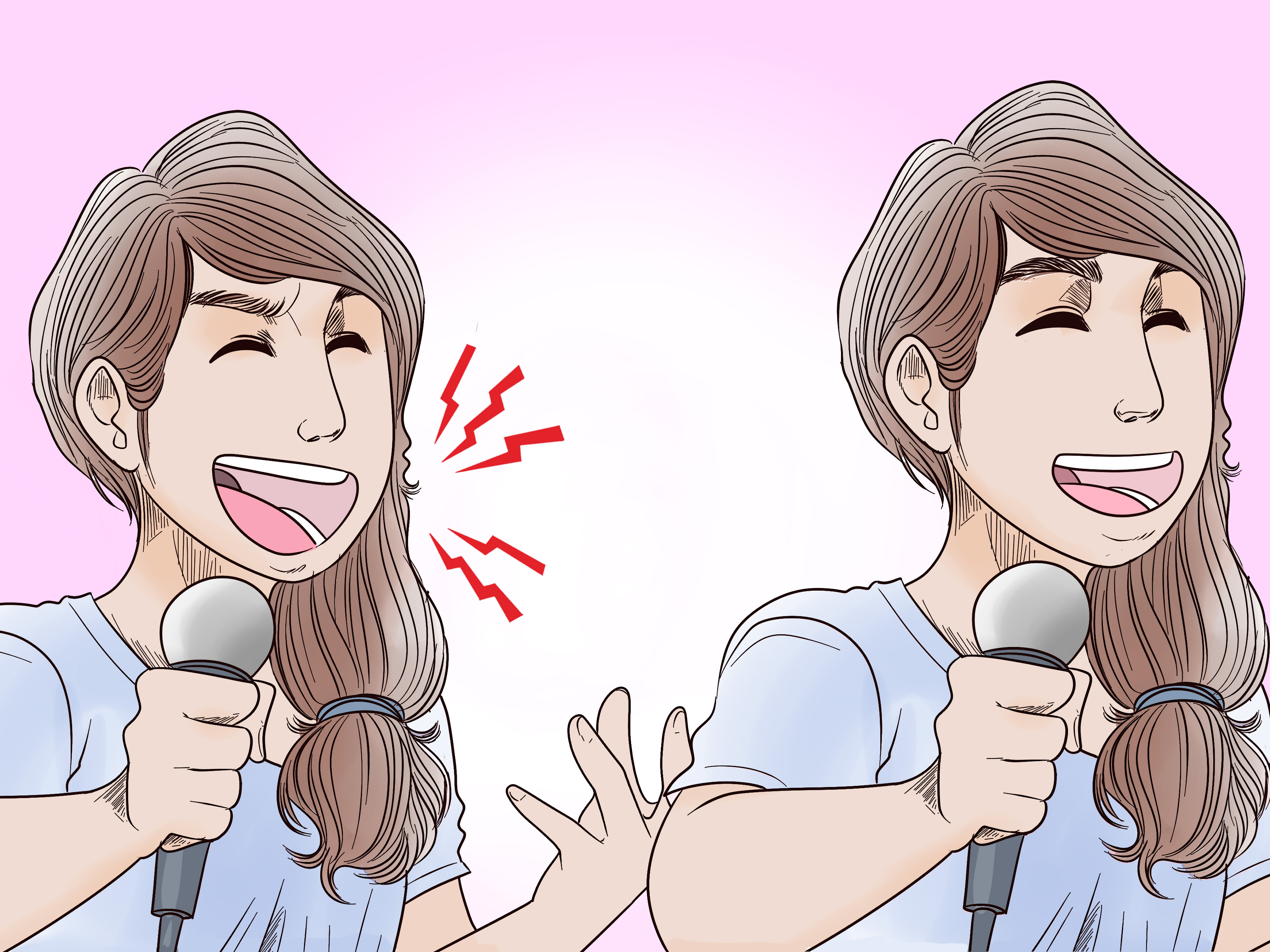
Open mics, school events, church programs, community festivals, talent shows, local cafés, and small venue nights are excellent training grounds. These stages teach you how to handle microphones, nervous energy, unexpected sound problems, quiet audiences, loud audiences, and that one person in the back who is aggressively eating chips during your emotional ballad.
Small stages are not beneath you. They are where your stage instincts grow. Every performance teaches timing, confidence, audience connection, and recovery. If you forget a lyric and keep going smoothly, congratulationsyou have unlocked a professional survival skill.
Record Yourself Performing
Watch your own performances. Yes, it may feel awkward. Yes, your facial expressions may surprise you. Do it anyway. Look for issues with posture, breath, pitch, movement, eye contact, and emotional delivery. Improvement becomes easier when you can see what the audience sees.
4. Release Music Strategically
In the past, singers often waited for a label to “discover” them. Today, independent artists can release music through digital distributors, build audiences on streaming platforms, promote songs through short-form video, and use analytics to understand what listeners actually respond to.
Start With Strong Songs
Fame follows songs that people want to replay, share, sing, quote, cry to, dance to, or send to someone with the message, “This is literally us.” If you write your own music, study song structure: hooks, verses, choruses, bridges, melody, rhythm, and lyrical payoff. If you do not write, collaborate with songwriters and producers who understand your voice.
A great voice can make people stop scrolling. A great song makes them come back.
Use a Release Plan
Do not just upload a song at midnight and hope the internet personally escorts you to fame. Build a release plan. Tease the song before launch, create short videos, share behind-the-scenes clips, explain the story behind the lyrics, pitch the track where possible, update your artist profiles, and ask fans to save or share the song.
After release, keep promoting. Many songs grow slowly. A track might connect weeks or months later because one clip, live version, remix, or fan video finally catches attention.
5. Build Your Online Audience
Social media has changed how singers become famous. A singer can now reach listeners without waiting outside a record label office like a movie character holding a demo CD in the rain. Platforms such as YouTube, TikTok, Instagram, Spotify, and Apple Music allow artists to build visibility, but each platform rewards consistency and creativity.
Post Content With Purpose
Random posting rarely builds a career. Use content pillars: singing clips, covers, original song teasers, songwriting stories, studio footage, live performance moments, vocal tips, personal updates, and fan interaction. Your goal is to help people discover your voice and care about your journey.
Short-form videos are especially useful for testing hooks. If a 15-second chorus makes people comment, save, duet, stitch, or ask for the full version, you may have something worth developing.
Optimize Your Profiles
Make it easy for people to find your music. Use the same artist name across platforms when possible. Add a clear bio, links to your songs, professional images, booking contact information, and a call to action such as “Listen to my new single” or “Join my email list.”
Confused visitors do not become fans. They become people who click away and watch a raccoon opening a refrigerator.
6. Turn Listeners Into Fans
There is a big difference between someone hearing your song once and someone becoming a real fan. Famous singers do not only collect listeners; they build communities.
Engage Like a Human
Reply to comments. Thank people for sharing. Ask questions. Remember early supporters. Share fan covers or reactions when appropriate. Fans love feeling seen, especially when an artist is still growing.
This does not mean you must live online 24 hours a day like a caffeinated notification goblin. Set boundaries. But show up consistently and genuinely.
Create Direct Connections
Social platforms are powerful, but you do not fully control them. Algorithms change. Accounts get hacked. Reach drops for mysterious reasons that make everyone blame “the algorithm” like it is a dragon in a cave. Build an email list or fan club so you can contact your audience directly about new music, shows, merch, and special announcements.
7. Collaborate and Network
Music is a relationship business. Talent matters, but relationships often create opportunities: better producers, stronger songs, opening slots, playlist support, press coverage, and introductions to managers or labels.
Work With Other Creators
Collaborate with singers, producers, instrumentalists, dancers, filmmakers, photographers, and content creators. A duet can introduce you to another artist’s audience. A producer can help shape your sound. A filmmaker can turn a simple song into a visual moment.
Choose collaborators carefully. Professionalism matters. Show up on time, communicate clearly, respect credits, and discuss ownership before releasing music. Nothing kills creative joy faster than arguing about percentages after the song starts gaining attention.
Attend Music Events
Go to local shows, songwriting workshops, music conferences, school programs, and industry panels. Do not treat networking like speed dating with business cards. Build real relationships. Support other artists. Listen more than you pitch. People remember the person who was helpful long before they remember the person who only said, “Check out my single” twelve times near the snack table.
8. Understand the Music Business
A famous singer is also a small business, even if the “office” is a bedroom studio with laundry on the chair. Learn the basics early so success does not arrive wearing legal confusion as a hat.
Know Your Rights
Songs and recordings can involve separate rights. A composition includes the melody and lyrics. A sound recording is the specific recorded version. If you write songs, record music, collaborate, or release tracks, learn about copyright, publishing, performance royalties, mechanical royalties, neighboring rights, split sheets, and licensing.
You do not need to become a lawyer, but you should understand enough to ask smart questions before signing anything. When real money or contracts enter the picture, talk to a qualified music attorney or trusted professional.
Track Your Data
Artist platforms can show where your listeners live, which songs they replay, how they find you, and what content performs best. Use this data to plan releases, choose tour cities, test marketing ideas, and understand your audience. Data should not replace creativity, but it can stop you from guessing in the dark while wearing sunglasses.
9. Get Professional Materials Ready
If opportunity appears, you need to look prepared. A singer who wants to become famous should have basic professional assets ready before they are urgently needed.
Create an Electronic Press Kit
An electronic press kit, often called an EPK, should include your bio, professional photos, music links, videos, press mentions, performance highlights, social links, contact information, and booking details. Keep it simple and updated.
Build a Music Website
A website gives you a central home for your music career. It can include your bio, tour dates, videos, merch, mailing list, contact page, and press kit. Social media is rented land; your website is your own stage.
10. Stay Consistent Without Burning Out
Consistency is one of the least glamorous and most powerful strategies for becoming a famous singer. Practice consistently. Post consistently. Release consistently. Perform consistently. Improve consistently. The music world rewards momentum.
But consistency does not mean self-destruction. Schedule rest. Protect your mental health. Avoid comparing your chapter one to someone else’s headline moment. Fame can be exciting, but a sustainable career is better than a viral week followed by exhaustion and silence.
Common Mistakes New Singers Should Avoid
Waiting Until Everything Is Perfect
Perfectionism delays growth. Your first videos, songs, and performances may not be flawless. That is normal. Start, learn, improve, and keep moving.
Copying Another Artist Too Closely
Influence is normal. Imitation is a trap. Study famous singers, but do not become a discount version of them. Your uniqueness is the product.
Ignoring Live Performance
Online growth is important, but live performance builds confidence, loyalty, and credibility. A singer who can move a room has a powerful advantage.
Not Learning Basic Business Skills
Even creative careers need organization. Track expenses, understand royalties, save contracts, credit collaborators, and keep your music files organized. Future you will send present you a thank-you card.
Experience Section: Real-World Lessons From the Singer’s Journey
One of the most useful experiences for any singer is learning how different the studio, the stage, and the internet can feel. In a bedroom, you might sing a chorus perfectly after ten takes and think, “Great, I am ready for Madison Square Garden.” Then you step onto a small stage, the microphone sounds strange, someone drops a glass, your mouth goes dry, and suddenly the second verse hides from your memory like it owes you money. This is not failure. This is training.
The singers who grow fastest are usually the ones who treat every setting as a classroom. A small café gig teaches you how to hold attention when people did not necessarily come to hear you. A school talent show teaches you how to manage nerves. A studio session teaches you precision. A livestream teaches you how to be warm and natural without immediate applause. A short-form video teaches you how quickly people decide whether to keep watching. Each experience builds a different muscle.
Another real-world lesson is that audience connection often matters more than showing off. New singers sometimes try to prove they can hit the biggest note in the county. Big notes are fun, but emotional honesty is what people remember. A simple lyric sung with truth can outperform a complicated vocal run delivered with no feeling. Listeners may admire technique, but they become fans when they feel understood.
Feedback is also part of the journey. Some feedback will be helpful, such as “Your chorus needs a stronger hook” or “You are rushing the tempo.” Some feedback will be vague, like “Be more star-like,” which sounds dramatic but is about as useful as a map drawn by a squirrel. Learn to separate useful critique from noise. Keep your confidence, but stay coachable.
Many successful singers also discover that discipline beats mood. You will not always feel inspired. Some days your voice will feel average, your post will get six views, and your best lyric will sound like it was written by a toaster. Keep going anyway. Build habits: warm up, practice, write, record, post, review, rest, repeat. Careers are built on ordinary days more than dramatic breakthroughs.
Finally, remember that fame is not one single destination. For one singer, success might mean charting globally. For another, it might mean selling out theaters, building a loyal online fanbase, writing songs for other artists, or making a full-time living from music. Define success clearly enough that you can chase it without losing yourself. The best strategy is not just to become famous. It is to become skilled, recognizable, resilient, and valuable enough that attention has a reason to stay.
Conclusion: Becoming a Famous Singer Takes Talent, Strategy, and Stamina
Learning how to become a famous singer is really learning how to combine art with consistency. You need vocal skill, emotional storytelling, a memorable brand, smart releases, strong content, live performance experience, fan engagement, business knowledge, and enough patience to keep improving when results are slow.
Fame may look sudden from the outside, but most singers build it step by step. Train your voice. Find your sound. Share your music. Study your audience. Protect your rights. Perform whenever you safely can. Build relationships. Keep learning. And when the spotlight finally turns your way, be readynot just to be noticed, but to last.