There are many things you expect to bring home from a hike: muddy shoes, a dramatic story about “almost getting lost,” and maybe twelve blurry photos of the same waterfall. A leech attached to your ankle? Not exactly the souvenir you had in mind.
The good news is that most leech bites are more creepy than dangerous. The less-good news is that removing a leech the wrong way can irritate the wound, increase bleeding, or raise the risk of infection. So, before you panic, scream, or attempt a full wilderness exorcism with table salt, take a breath. This step-by-step guide explains how to remove leeches safely, clean the bite, stop the bleeding, and prevent future bloodsucking hitchhikers from joining your outdoor adventure.
This article focuses on common outdoor leech bites from freshwater or damp environments. It is not a substitute for medical care, especially if the leech is attached inside the nose, mouth, eye, genital area, or if bleeding does not stop.
What Is a Leech, and Why Is It on You?
Leeches are segmented worms related to earthworms. Many live in freshwater, marshy areas, wet forests, and slow-moving streams. Not all leeches feed on blood, but the ones that do are impressively committed to the job. A feeding leech uses suckers to attach to skin, then releases saliva containing natural anesthetic and anticoagulant compounds. Translation: you may not feel the bite, and the small wound may bleed longer than expected after the leech leaves.
That is why leech bites often look more dramatic than they are. The bite may be tiny, but the bleeding can make it seem as though your ankle is auditioning for a horror movie. Stay calm. Most leech bites can be handled with clean hands, a fingernail or plastic card, soap and water, gauze, and patience.
How Do You Remove Leeches Safely?
The safest method is simple: break the suction instead of yanking the leech off. Pulling hard may tear the skin or leave mouthparts behind. Burning, salting, or drowning the leech in chemicals may make it detach, but those methods can irritate the wound and may increase infection risk. The goal is calm, clean, and controlled removal.
Step 1: Stay Calm and Check the Area
First, resist the urge to slap, scrape, or run in circles like a cartoon character. Look closely at where the leech is attached. Leeches usually have two ends: a smaller feeding end and a larger rear sucker used for anchoring. The smaller end is usually the one attached to the bite site.
If you are with someone else, ask them to help inspect hard-to-see areas like the back of your legs, waistband, socks, shoes, and backpack straps. Leeches are not known for respecting personal boundaries.
Step 2: Wash or Sanitize Your Hands
Before touching the bite, clean your hands if possible. Use soap and water, hand sanitizer, or clean disposable gloves from a first-aid kit. You are dealing with a tiny open wound, so the cleaner your hands are, the better.
If you are outdoors and do not have perfect supplies, do the best you can. Clean hands are ideal, but a calm and careful removal is still better than letting panic choose the tools.
Step 3: Find the Smaller Sucker
Look for the narrow end of the leech attached to your skin. That is usually the mouth end. If you cannot tell which end is which, look for the end that seems firmly fixed to the bite spot. The other end may be moving, stretching, or anchoring nearby.
This step matters because you want to break the suction at the feeding end first. Think of it like peeling a sticker from the corner instead of trying to remove the whole thing with one dramatic tug.
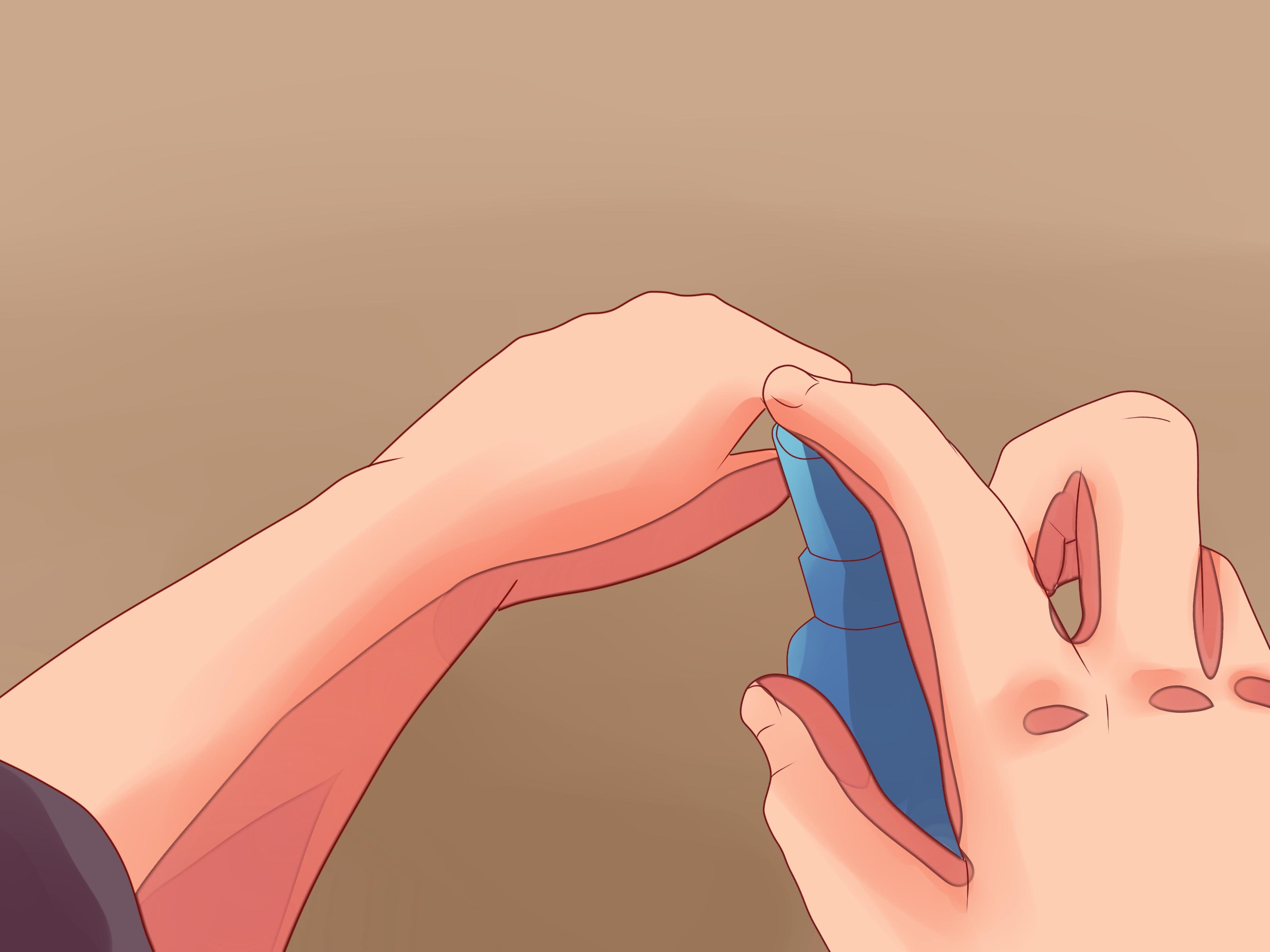
Step 4: Slide a Fingernail or Card Under the Sucker
Use a clean fingernail, the edge of a plastic card, or another smooth, thin object. Gently slide it under the smaller sucker where the leech meets your skin. Do not cut the leech. Do not stab at it. Do not use a dirty knife unless you have no safer option and can avoid cutting yourself.
Once the suction breaks, the leech will loosen. It may try to reattach quickly, because apparently it did not receive the breakup memo. Move steadily and continue to the next step.
Step 5: Detach the Rear Sucker and Flick the Leech Away
After the mouth end releases, detach the rear sucker if it is still holding on. Then flick or place the leech away from your skin. Do not drop it onto your shoe, sock, or pant cuff unless you enjoy sequels.
Move it away from your body and gear. If you are near water, avoid throwing it directly into a crowded swimming area. Leeches are part of the ecosystem, but nobody needs a surprise reunion five minutes later.
Step 6: Clean the Bite Thoroughly
Once the leech is off, clean the bite with soap and clean water. If you have a first-aid cleanser, use it according to the label. Rinse away mud, plant debris, or anything else that may have been introduced while hiking or swimming.
Avoid harsh scrubbing. The bite is small, and your job is to clean it, not sand it like patio furniture. Pat the area dry with clean gauze, a clean towel, or a fresh tissue.
Step 7: Apply Direct Pressure to Stop Bleeding
Leech bites often keep bleeding because leech saliva contains anticoagulant compounds. This is normal, but it still needs attention. Place clean gauze or cloth over the bite and apply steady pressure.
Hold pressure without constantly checking every ten seconds. Peeking too often can disturb clotting. If blood soaks through the first layer, add another layer on top and keep pressing. Do not peel away the original dressing while it is clotting.
Step 8: Cover the Wound
After bleeding slows or stops, cover the bite with a clean adhesive bandage or sterile dressing. Change the bandage if it becomes wet, dirty, or soaked with blood. For the first few hours, you may need to change it more often than you would for a normal scrape.
If you are still hiking, keep the wound covered to protect it from dirt, sweat, and boot friction. A leech bite may be small, but outdoor grime has a talent for making small problems more annoying.
What Not to Do When Removing a Leech
Old outdoor advice has a way of surviving long after it should have retired. Some leech-removal tricks sound tough and outdoorsy, but they are not ideal for wound safety.
Do Not Pour Salt on the Leech
Salt may make a leech detach, but it can also stress the leech and irritate your skin. A stressed leech may release contents into the wound, which is exactly the kind of gross plot twist we are trying to avoid.
Do Not Burn It with a Match or Lighter
Using flame near your skin is a bad trade: one leech removed, one burn gained. Also, if you are wearing synthetic hiking socks, introducing fire to the situation is not the survival wisdom you want.
Do Not Rip It Off
Yanking a leech off can tear the bite site and make bleeding worse. It may also leave parts attached. Gentle suction-breaking is faster, cleaner, and far less dramatic.
Do Not Ignore the Bite After Removal
The leech leaving your body does not mean the job is finished. Clean the wound, stop the bleeding, cover it, and monitor it. The aftercare matters just as much as the removal.
When Should You Seek Medical Help?
Most leech bites do not require a doctor, but some situations deserve medical attention. Get help if bleeding does not slow after steady pressure, if you feel dizzy or weak, or if you have a bleeding disorder or take blood-thinning medication.
You should also seek care if the bite becomes increasingly red, hot, swollen, painful, or begins draining pus. Fever, red streaks spreading from the bite, or worsening symptoms over the next day or two may signal infection.
Medical care is especially important if a leech attaches inside the nose, mouth, throat, eye, ear, rectum, vagina, or urethra. Internal leeches can be difficult and dangerous to remove without proper tools. That is not a “walk it off” situation.
How Long Does a Leech Bite Bleed?
A leech bite may ooze for several hours. That does not automatically mean something is wrong. The anticoagulant effect of leech saliva can keep blood flowing longer than a typical insect bite or scratch.
However, bleeding should gradually slow with direct pressure and a clean dressing. If the bandage keeps soaking through, pressure is not working, or the bite is in a sensitive area, get medical help.
Can Leeches Spread Disease?
Leech bites are not usually known for spreading disease in the same way mosquitoes or ticks can. The bigger concern is secondary infection from dirty water, mud, unclean hands, or poor wound care. That is why cleaning and covering the bite are essential.
People with diabetes, immune system problems, circulation issues, or slow-healing wounds should be more cautious. A tiny bite can become a larger problem when the body has trouble fighting infection or healing skin.
How to Prevent Leech Bites
Prevention starts with understanding where leeches like to hang out. They are commonly found in freshwater, slow-moving streams, wet vegetation, marshes, and damp forest floors. If the trail looks like a soggy salad bar, dress accordingly.
Wear Protective Clothing
Long pants, high socks, and closed shoes help reduce exposed skin. Tuck pants into socks in leech-heavy areas. Yes, it is not a runway look. But fashion critics are rarely invited on muddy jungle hikes anyway.
Check Yourself Often
Do quick leech checks during breaks. Look around ankles, behind knees, under waistbands, around sock lines, and anywhere clothing stays damp. The sooner you find a leech, the easier it is to remove before it feeds for long.
Use Barriers and Repellents Carefully
Some hikers use insect repellent on socks, boots, and pant cuffs. Follow product labels and avoid applying strong chemicals to broken skin. Physical barriers usually matter more than any single spray.
Avoid Sitting Directly on Wet Ground
If you are resting in a damp area, sit on a mat, rock, log, or backpack instead of directly on wet leaves. Leeches are excellent at finding warm, still targets. Do not become the buffet table.
What to Keep in a Leech-Ready First-Aid Kit
You do not need a dramatic survival kit to handle leeches. A small outdoor first-aid pouch can cover the basics.
- Clean gauze pads
- Adhesive bandages
- Medical tape
- Hand sanitizer
- Disposable gloves
- Antiseptic wipes or wound cleanser
- A small plastic card or tick-removal tool
- Clean cloth or pressure dressing
If you hike often in wet regions, keep these items somewhere easy to reach. The worst first-aid kit is the one buried under snacks, rain gear, and the mysterious extra sock you swear you packed for a reason.
Leech Removal for Kids and Pets
Children may react strongly when they see a leech, and honestly, fair enough. Speak calmly, explain that the bite is usually not dangerous, and remove the leech gently. Afterward, clean and cover the bite just as you would for an adult.
For dogs, check between toes, inside ears, under collars, around the belly, and near the tail. Use the same suction-breaking method if the leech is on the skin. If a leech is attached inside a pet’s eye, nose, mouth, or ear canal, contact a veterinarian.
Real-World Experience: What Removing Leeches Actually Feels Like
The first time many people discover a leech, the reaction is rarely elegant. It usually begins with a confused glance at the ankle, followed by the instant realization that the “wet leaf” is moving. Then comes the tiny internal alarm bell: congratulations, nature has selected you for an unpaid blood donation.
In real outdoor situations, the biggest challenge is not the leech itself. It is staying calm long enough to remove it properly. Imagine stepping out of a shallow stream after a humid summer hike. Your socks are soaked, your shoes are making the squish-squish soundtrack of poor planning, and you notice a dark, stretchy little creature attached near your sock line. The instinct is to grab and pull. But the better move is to pause, sit down, clean your fingers if you can, and slide a nail under the small sucker.
Once you break the suction, the leech usually releases more easily than expected. The moment is strange but manageable. There may be a tiny pinch or no pain at all. Then you flick it away and immediately feel like you have completed a wilderness certification course, even if the entire event took less than thirty seconds.
The bleeding afterward often surprises people. A leech bite may continue to ooze even though the wound is barely visible. This is where experience teaches patience. Press clean gauze over the bite and hold it there. Do not lift the gauze every few seconds to see whether the bleeding stopped. That habit is understandable, but it interrupts clotting and makes the process feel longer.
Another practical lesson: check for more than one leech. Where there is one, there may be a tiny fan club. Look around sock cuffs, behind knees, shoe tongues, and waistbands. Leeches can be sneaky, and some are small enough to look like bits of plant debris until they start stretching like miniature yoga instructors.
Many hikers also learn that clothing choices matter. Thin ankle socks and shorts may feel great on a hot day, but they leave plenty of skin available. In wet forests or swampy trails, long socks and tucked pants may look goofy, but they work. Outdoor wisdom often looks ridiculous in photos and brilliant in hindsight.
The most important experience-based tip is simple: do not turn leech removal into a battle. You do not need salt, fire, alcohol, or heroic force. You need a steady hand, a clean edge, wound care, and a little dignity recovery afterward. Maybe also a snack. A person who has just been emotionally ambushed by a worm deserves trail mix.
Conclusion
So, how do you remove leeches? Break the suction gently, clean the bite, apply direct pressure, cover the wound, and watch for signs of infection. That is the whole calm, sensible formula. Leeches may look dramatic, but most bites are manageable with basic first aid.
The biggest mistake is overreacting with old-school tricks like salt, flame, or yanking. Those methods can irritate the wound and make a small problem messier. Instead, use a fingernail or plastic card, detach the leech carefully, and treat the bite like any small outdoor wound that needs cleaning and protection.
Leeches are part of wetland and freshwater ecosystems, but that does not mean they need VIP access to your bloodstream. Dress wisely, check your skin often, and carry a small first-aid kit. With the right steps, a leech encounter becomes less of a crisis and more of a weird story you can tell laterpreferably after changing into dry socks.
SEO Tags
Note: This article is for general educational use. Seek medical help for heavy bleeding, signs of infection, allergic symptoms, bites in sensitive areas, or leeches attached inside the nose, mouth, eye, ear, genital area, or other internal locations.