If you have ever opened your trash can and discovered a tiny white “surprise committee” wiggling around inside, congratulations: you have met maggots, the least charming residents a garbage bin can host. The good news is that maggots do not appear by magic, bad luck, or because your trash can has developed a dramatic personality. They show up because flies found a warm, damp, food-filled place to lay eggs.
The even better news? Preventing maggots from getting in the trash is mostly about boring, sensible habits: sealing food waste, keeping the bin dry, cleaning residue, and blocking flies before they treat your garbage like a luxury maternity ward. Once you understand the fly life cycle, your trash routine becomes much easier to manage.
This guide breaks the problem into four practical methods anyone can use at home. No panic. No fancy equipment. No turning your kitchen into a science lab. Just smart trash management, a little cleaning discipline, and a firm commitment to not giving flies a five-star review.
Why Maggots Get in Trash Cans in the First Place
Maggots are fly larvae. Adult flies are attracted to decaying organic matter, especially food scraps, meat packaging, fruit peels, pet food, diapers, and anything wet enough to create that legendary “garbage juice” at the bottom of a bin. When flies get access to this material, they lay eggs. In warm conditions, those eggs can hatch quickly, which is why a trash can can look normal one day and horrifying the next.
Outdoor garbage cans are especially vulnerable during spring and summer because heat speeds up decomposition and intensifies odors. Indoor kitchen bins can also become a problem if food waste sits too long, bags leak, or lids do not close tightly. The key is to think like a fly for five seconds. A fly wants moisture, smell, warmth, and access. Remove those four things and your trash becomes much less interesting.
1. Seal Trash Properly and Keep Flies Out
The first and most important way to prevent maggots in trash is simple: do not let flies reach the garbage. A fly cannot lay eggs in your trash if it cannot get inside. This sounds obvious, but many infestations begin with small habits: a lid left open after dinner, a torn trash bag, a loose outdoor bin cover, or a bag tied with the energy of someone who has already mentally left the kitchen.
Use a Tight-Fitting Lid
Choose trash cans with lids that close completely. A swing-top lid may look convenient, but if it leaves gaps, flies can slip in. For kitchen trash, a step can with a snug lid is usually better than an open bin. For outdoor garbage, make sure the lid sits flat and is not warped, cracked, or propped open by overfilled bags.
If your outdoor trash can lid no longer closes, replace the bin or contact your local waste service if the container is city-issued. A trash can with a broken lid is basically a neon sign that says, “Flies welcome, snacks inside.”
Tie Bags Like You Mean It
Before placing trash in the outdoor bin, tie the bag tightly. Push excess air out, twist the top, and knot it securely. If the bag contains food scraps, meat wrappers, seafood shells, or anything especially smelly, consider double-bagging it. Strong, leak-resistant bags are worth it if your household throws away a lot of wet waste.
Thin bags may save a little money up front, but one ripped bag full of chicken packaging can turn your bin into a wildlife documentary you did not request. If leaks are common, upgrade the bag before the problem upgrades itself.
Do Not Overfill the Bin
Overfilled trash cans are harder to close, easier for animals to knock around, and more likely to leak. If the lid cannot shut, flies can enter. If bags are squeezed until they split, liquid and food residue collect at the bottom. Keep the bin at a manageable level and take trash out before the bag becomes a leaning tower of regret.
2. Control Food Waste and Moisture
Maggots love wet, decaying organic matter. If sealing the bin is your first defense, controlling food waste and moisture is the second. The goal is to make your trash dry, contained, and less smelly. Think of it as giving flies the worst restaurant experience possible.
Wrap High-Risk Food Scraps
Some foods attract flies faster than others. Meat scraps, fish skins, shrimp shells, bones, spoiled dairy, rotten fruit, and greasy leftovers are the usual troublemakers. Before tossing them, wrap them in newspaper, paper towels, or a small sealed bag. This helps contain odor and absorb moisture.
If trash pickup is still several days away, place the smelliest food waste in a sealed container or freezer bag and freeze it until collection day. This is especially useful for seafood shells, raw meat packaging, and anything that would otherwise announce itself from across the driveway. Your freezer may not love the job, but it beats hosting a maggot parade.
Drain Liquids Before Tossing Containers
Liquid is a major reason trash cans become attractive to flies. Before throwing away bottles, cans, takeout containers, yogurt cups, or food trays, empty liquids into the sink and rinse if needed. Do not toss half-full drink cups or soup containers into the trash unless you enjoy mystery puddles.
That sticky liquid at the bottom of a trash can is not just gross; it is a breeding-friendly environment. It traps food particles, produces odors, and keeps the bin damp. Dry trash is boring trash, and boring trash is exactly what you want.
Use Absorbent Materials at the Bottom
Line the bottom of your indoor or outdoor bin with newspaper, cardboard, or a paper grocery bag before adding the trash bag. These materials can absorb minor leaks and make cleanup easier. Replace the liner whenever it gets wet or dirty.
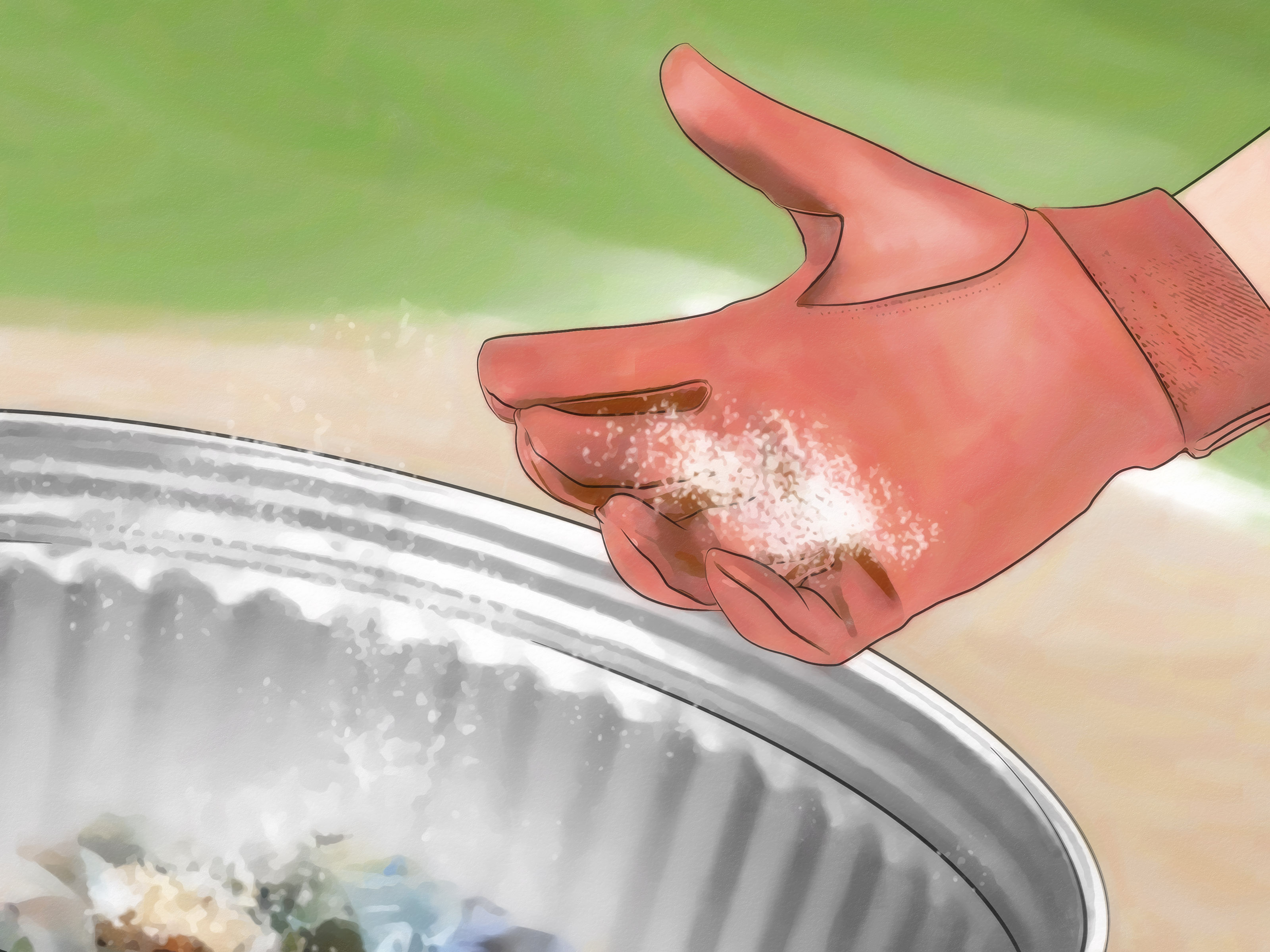
For kitchen bins, a small layer of baking soda under the bag can help absorb odors. For outdoor bins, avoid piling powders so heavily that they create a mess or blow around. The purpose is odor and moisture control, not turning your trash can into a baking project.
Compost Carefully
Composting can reduce the amount of food waste in your trash, but it must be done properly. A poorly managed compost container can attract flies too. If you use a countertop compost bin, choose one with a secure lid and empty it often. Avoid adding meat, dairy, greasy foods, or pet waste unless your local composting program specifically accepts them.
When compost is managed well, it keeps fruit peels, vegetable scraps, coffee grounds, and eggshells out of the garbage. When managed badly, it becomes a side quest in pest control. Choose wisely.
3. Clean and Dry the Trash Can Regularly
Even if you use good bags and seal everything carefully, residue can build up. A splash of sauce here, a leaking watermelon rind there, and suddenly the inside of your trash can smells like a haunted cafeteria. Flies are excellent at detecting odors, so routine cleaning is one of the best ways to stop maggots before they start.
Wash the Bin Before It Smells Terrible
Do not wait until the bin smells like it has a personal grudge. Clean indoor kitchen trash cans at least once a month, and more often during hot weather or after leaks. Outdoor bins may need cleaning weekly or every other week in summer, especially if your household discards lots of food waste.
To clean a trash can, remove all garbage, spray or rinse loose debris, scrub the inside with warm water and dish soap, then rinse thoroughly. Pay special attention to seams, corners, lid hinges, and the bottom of the bin where liquid collects.
Disinfect Safely
After washing, use a household disinfectant according to the label directions. If using diluted bleach, never mix it with vinegar, ammonia, or other cleaners. Wear gloves, work in a ventilated area, and keep children and pets away until the bin is rinsed and dry. Safety matters more than making the trash can smell like a swimming pool.
Disinfecting helps reduce bacteria and odor-causing residue. However, disinfectant is not a substitute for removing the actual grime. Soap and scrubbing do the heavy lifting; disinfectant is the final polish.
Let the Bin Dry Completely
This step is easy to skip, but it is important. A clean trash can that stays wet can still attract pests and odors. After rinsing, turn the bin upside down or leave it open in the sun until fully dry. Sunlight and airflow help remove moisture, and a dry bin is much less friendly to fly eggs and larvae.
Once dry, add a fresh liner and make sure the lid closes properly. If the bin still smells after cleaning, check for cracks, hidden residue, or old liquid trapped in the lid mechanism. Sometimes the stink is hiding in the tiny places your sponge ignored.
4. Manage Trash Timing, Odor, and Outdoor Storage
The fourth way to prevent maggots is to manage when and where trash sits. Even perfectly bagged garbage can become a problem if it bakes in the sun for days. Timing and placement can make a big difference, especially in warm climates.
Take Trash Out at the Right Time
Indoor trash should not sit too long when it contains food waste. If you cook with meat, fish, or strong-smelling ingredients, take the bag out the same day if possible. In summer, empty the kitchen bin more often, even if the bag is not completely full.
For outdoor collection, place high-risk waste in the bin as close to pickup day as practical. If collection is on Monday morning, avoid putting seafood scraps in the outdoor bin on Thursday afternoon unless you are trying to create a weekend horror special.
Keep Outdoor Bins in the Shade
Heat makes garbage decompose faster and increases odors. If possible, store outdoor trash cans in a shaded, well-ventilated area. Avoid placing bins directly under windows, near doors, or beside outdoor seating areas. You want the trash accessible for pickup, not close enough to join family dinner.
Make sure the area around the bin stays clean too. Food spills, loose scraps, and sticky pavement can attract flies even if the inside of the bin is sealed. Rinse the area occasionally and pick up any trash that falls out during bag changes.
Use Odor Control as a Backup, Not a Cover-Up
Odor-control products can help, but they should not replace cleaning. Baking soda, charcoal deodorizers, trash can odor packets, and absorbent liners may reduce smells. However, if the bin is coated with old food residue, adding a fresh scent is like spraying perfume on gym socks. Technically something happened, but nobody is impressed.
Natural scent deterrents such as mint, citrus peels, eucalyptus, or vinegar may make bins less attractive to flies, but results vary. Use them as a supporting strategy after sealing, drying, and cleaning. The real solution is removing the conditions flies need to reproduce.
What to Do If Maggots Are Already in the Trash
If maggots are already present, act quickly. Tie and remove the trash bag if possible. Keep the bag sealed and place it outside for collection. For the bin itself, pour hot water carefully over affected areas, scrub with soap, rinse, disinfect, and let the bin dry completely. Wear gloves and avoid splashing contaminated water.
If you use boiling water, be extremely careful to avoid burns. For plastic bins, very hot water can sometimes warp thin plastic, so use judgment. If the infestation is heavy or the bin is damaged, cleaning may not be worth the drama. Replacing the bin can be the most peaceful option.
After cleaning, look for the cause. Was the lid open? Did a bag leak? Did food sit too long? Was the bin stored in direct sun? Maggots are not the main problem; they are the evidence. Fix the condition that attracted flies, and the infestation is far less likely to return.
Common Mistakes That Invite Maggots
Leaving Food Scraps Exposed
Food scraps tossed loosely into a bin are an open invitation for flies. Always bag, wrap, or contain wet organic waste.
Ignoring Small Leaks
A tiny leak can create a smelly puddle at the bottom of the trash can. Check bags before removing them and clean spills immediately.
Using a Dirty Lid
People often scrub the bottom of the bin and forget the lid. Flies land on lids, residue collects there, and odors linger around the rim.
Waiting Too Long Between Cleanings
If a bin smells bad when empty, it is not really empty. It is holding residue, bacteria, and odor. Clean it before the next bag goes in.
A Simple Weekly Trash Routine
Here is a practical routine that keeps maggots away without turning trash day into a full-time job. First, empty indoor food waste frequently, especially after cooking meat or seafood. Second, check that bags are tied tightly before they go outside. Third, keep the outdoor lid closed at all times. Fourth, rinse or wipe any spills as soon as you notice them. Finally, clean and dry the bin on a regular schedule.
During cooler months, you may not need to clean as often. During hot, humid weather, increase the frequency. Trash care is seasonal. A bin that behaves politely in January may become a tiny swamp monster in July.
Experience-Based Tips: What Actually Works in Real Life
After dealing with trash cans in hot weather, one lesson becomes clear: maggot prevention is less about one miracle trick and more about consistency. People often want a single product that solves everything, but the most reliable solution is a routine. The families who rarely deal with maggots usually do the same small things over and over. They tie bags tightly. They do not let wet food sit around. They clean spills quickly. They keep lids shut. It is not glamorous, but neither is discovering larvae before breakfast.
One of the most useful habits is creating a “high-risk waste” system. In many homes, most trash is harmless: packaging, paper towels, wrappers, and dry waste. The trouble usually comes from a small category of items: raw meat trays, fish scraps, spoiled fruit, dirty diapers, pet food cans, and leftovers with sauce. Treat those items differently. Wrap them, seal them, freeze them, or take them out immediately. You do not need to overthink every piece of trash. Focus on the waste that smells fast.
Another real-world tip is to stop trusting the trash bag completely. Even good bags can leak if sharp packaging pokes them. Takeout containers, broken plastic, can lids, and bones can puncture the liner. Before placing sharp or wet waste in the bag, wrap it or put it inside another small bag. This extra ten seconds can prevent the dreaded bottom-bin puddle that attracts flies and ruins your afternoon.
Outdoor bin placement also matters more than people expect. A trash can sitting in direct sunlight all day becomes a heat box. Food breaks down faster, smells get stronger, and flies arrive like they received invitations. Moving the bin to a shaded side of the house can make a noticeable difference. If shade is not available, keeping the lid tightly closed and reducing wet food waste becomes even more important.
Cleaning the bin right after pickup is another habit that works well. Once the garbage truck empties the can, check the bottom. If there is residue, rinse and scrub it before adding new bags. This timing is ideal because the bin is empty, lighter, and easier to clean. Waiting until the bin is full again makes the job more annoying, which means it probably will not happen.
For indoor kitchen bins, smaller can be better. A huge kitchen trash can encourages people to let food waste sit for days. A smaller bin fills faster, gets emptied more often, and gives flies less time to discover it. This is especially helpful for apartments, warm kitchens, and households that cook daily. The goal is not to create more chores; it is to shorten the amount of time food waste sits indoors.
Odor is also a useful warning sign. If you smell the trash when the lid is closed, flies probably can too. Do not ignore that smell. Empty the bag, check for leaks, and wipe the lid and rim. Many trash problems begin around the top edge of the bin where food touches the lid or bag handles smear residue. A quick wipe can prevent a bigger cleaning session later.
The final experience-based lesson is emotional: do not panic if maggots appear. It happens, especially in hot weather. It does not mean your home is filthy or doomed. It means flies found food, moisture, and access. Remove the bag, clean the container, dry it well, and adjust the routine. Once you understand the cause, the solution becomes straightforward. Your trash can does not need to be perfect. It just needs to be less appealing than whatever the flies find next.
Conclusion
Preventing maggots from getting in the trash comes down to four smart habits: block fly access, control food waste and moisture, clean the bin regularly, and manage trash timing and storage. These steps work because they target the real cause of maggots: flies laying eggs in warm, wet, decaying material.
A clean, dry, sealed trash can is not exciting, but that is exactly the point. Flies are looking for opportunity. When your garbage is wrapped, your lid is closed, your bin is dry, and your pickup routine is organized, maggots have very little chance to move in. Your trash can may never smell like a rose garden, but it can absolutely stop acting like a fly nursery.
Note: This article is written as original, web-ready content based on practical sanitation, pest-control, and household cleaning guidance. It is intended for general home maintenance and should be adapted to local waste rules, climate, and pickup schedules.