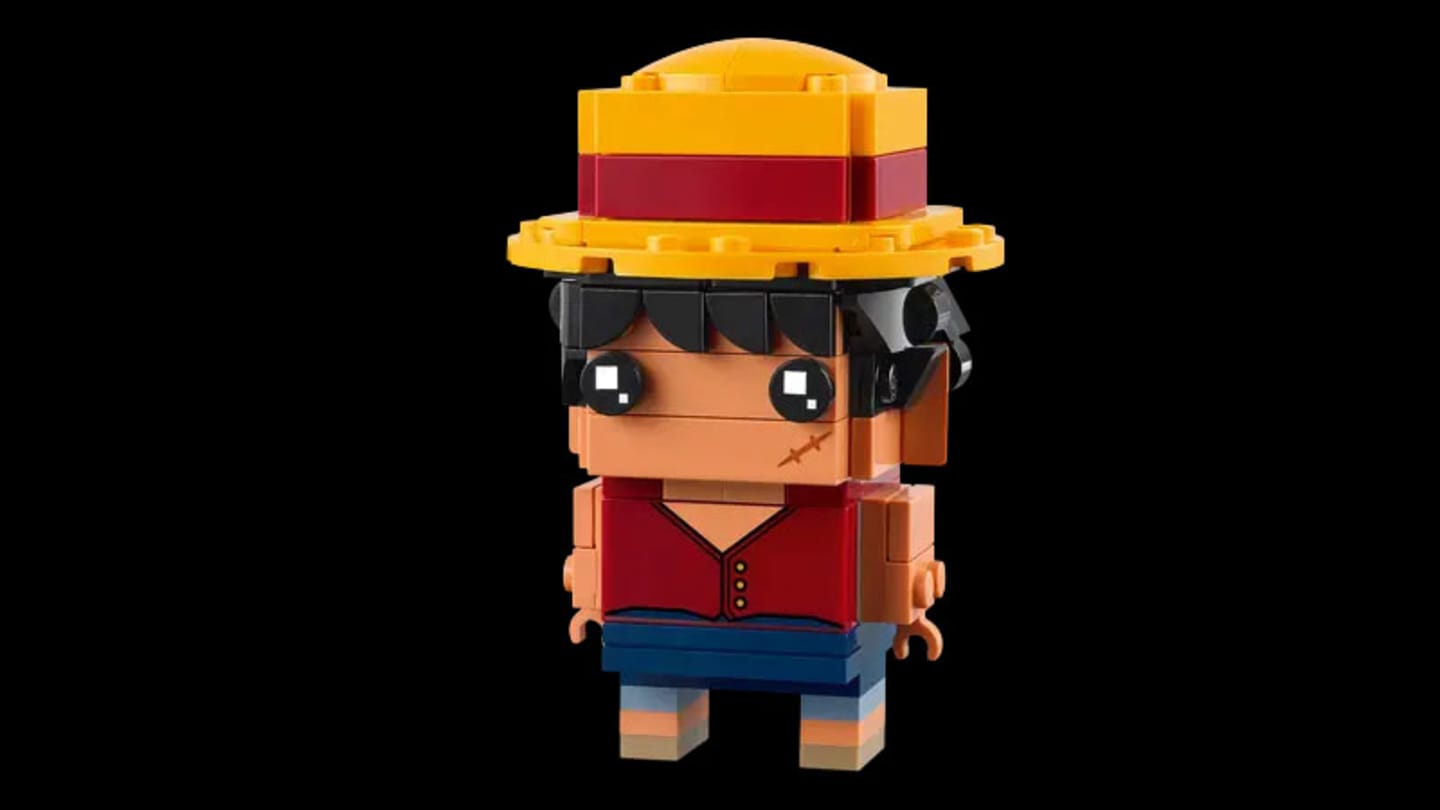
If you heard a distant “yo-ho-ho” followed by the unmistakable click of plastic bricks, do not panic. That is simply the sound of the Grand Line getting a little more blocky. One Piece is getting the LEGO treatment, and for fans of Monkey D. Luffy, Netflix’s live-action pirate adventure, and the sacred household ritual known as “please do not step on that brick barefoot,” this collaboration is a treasure chest worth opening.
The LEGO Group, Netflix, and Tomorrow Studios officially joined forces to bring the world of One Piece into LEGO form for the first time. The partnership focuses on the Netflix live-action adaptation, which has helped introduce Eiichiro Oda’s legendary manga universe to a new wave of viewers while keeping longtime Straw Hat loyalists aboard. The result is a line of LEGO One Piece sets built around familiar ships, villains, villages, restaurants, wanted posters, and fan-favorite characters who now have the honor of being small, square, and incredibly easy to lose under the couch.
At its heart, the LEGO One Piece collection makes perfect sense. One Piece is about imagination, found family, wild locations, impossible dreams, and the kind of adventure that starts with a boy in a straw hat declaring he will become King of the Pirates. LEGO is about imagination, world-building, dramatic battles between tiny figures, and occasionally spending 40 minutes looking for one gray piece that was in your hand the whole time. This is not just a merchandise drop. It is a meeting of two fandoms that understand the joy of building something bigger than yourself, one piece at a time.
Why the LEGO One Piece Collaboration Feels Like a Big Deal
For years, fans imagined what official LEGO One Piece sets might look like. Would LEGO choose the anime? The manga? The live-action version? Would the Going Merry have a proper sheep figurehead? Would Buggy’s nose survive the transition into brick form? Important questions, all of them. The official answer arrived through a collaboration inspired by Netflix’s live-action One Piece, giving LEGO designers a more compact visual universe to adapt while still honoring the story’s iconic East Blue energy.
The first wave of LEGO One Piece sets launched around key Season 1 locations and moments, including the Going Merry Pirate Ship, the Baratie Floating Restaurant, Battle at Arlong Park, Buggy the Clown’s Circus Tent, and Windmill Village Hut. These are not random locations pulled from a pirate hat. They are emotional checkpoints in the early Straw Hat journey: Luffy’s childhood inspiration, Nami’s painful past, Zoro’s pride, Sanji’s culinary home, Usopp’s chaos, and the crew’s first real sense of becoming a family.
That is why the collection works so well for both collectors and casual fans. A great licensed LEGO theme does more than turn a brand logo into a box. It translates story beats into playable, displayable scenes. With One Piece, the LEGO format gives fans a way to physically rebuild the story’s most memorable moments, from Luffy’s first big pirate dreams to the crew’s voyage toward the Grand Line.
The Going Merry Pirate Ship: The Set Everyone Saw Coming
No LEGO One Piece line could truly set sail without the Going Merry. The ship is more than transportation. It is a floating symbol of the Straw Hats’ early adventure, complete with cozy interiors, pirate spirit, and the emotional baggage of a beloved vehicle that fans treat like a crew member. In LEGO form, the Going Merry Pirate Ship captures the vessel’s deck, cabin, kitchen, workshop, printed Jolly Roger sail, and character-ready play areas.
The set includes minifigures of Luffy, Zoro, Nami, Usopp, and Sanji, making it the natural centerpiece for fans who want the core crew in brick form. The inclusion of collectible “Wanted” posters also adds a clever extra layer. One Piece fans love bounties almost as much as LEGO fans love exclusive printed tiles, so this feature is basically fan-service with studs on top.
As a display piece, the Going Merry has immediate shelf appeal. As a playset, it has enough interior features to invite storytelling. That balance matters because LEGO One Piece has to serve several audiences at once: kids discovering the live-action show, adult collectors who watched the anime or read the manga for years, and people who simply enjoy pirate ships because pirate ships are objectively cool.
The Baratie Floating Restaurant: Dinner, Drama, and 3,402 Pieces
If the Going Merry is the emotional heart of early Straw Hat travel, the Baratie Floating Restaurant is the place where dinner comes with a side of life-changing sword fights. The LEGO Baratie set is one of the biggest highlights of the collection, designed as a detailed build-and-display model with more than 3,400 pieces. It includes areas such as the kitchen, dining rooms, Zeff’s quarters, and a treasure room, giving fans plenty of corners to explore.
The Baratie is especially appealing because it blends architecture, character drama, and humor. It is a fish-shaped floating restaurant where chefs can throw down in the kitchen and on the battlefield. That is exactly the kind of location LEGO loves: instantly recognizable silhouette, strong color blocking, multiple rooms, built-in play scenes, and enough personality to make a shelf look less like storage and more like a tiny nautical soap opera.
The minifigure lineup is also generous, with characters such as Luffy, Zoro, Nami, Usopp, Sanji, Zeff, Vice Admiral Garp, Helmeppo, Koby, and Dracule Mihawk. For collectors, that is a major draw. For fans who want to recreate Zoro and Mihawk’s legendary encounter, it is basically an invitation to clear the dining table and emotionally prepare.
Battle at Arlong Park: Building the Emotional Punch
Arlong Park is one of the most important early locations in One Piece. It is where Nami’s backstory hits with the force of a cannonball and where Luffy’s loyalty becomes impossible to misunderstand. Translating that into LEGO means creating more than a pretty structure. The set needs to feel like a showdown.
The LEGO Battle at Arlong Park set does that through action features such as a collapsible pagoda, target-shooting elements, scenery, accessories, and minifigures tied to the central conflict. It lets builders stage the kind of battle that made fans realize One Piece was not just goofy pirates and stretchy punches. It was also about trauma, friendship, freedom, and occasionally solving problems by punching architecture.
For younger builders, the action features make the set lively. For older fans, the emotional context makes it meaningful. That is the trick LEGO One Piece seems to understand: the best scenes are not just famous because they look cool. They matter because characters change inside them.
Buggy the Clown’s Circus Tent: Chaos in Brick Form
Every great adventure needs a villain who looks like he got dressed inside a fireworks factory. Enter Buggy the Clown, a character practically born to become a LEGO set. Buggy’s Circus Tent gives the collection a burst of color, comedy, and theatrical danger. The set includes escape contraptions, a water tank, a spinning table, a hanging cage, and enough pirate-circus nonsense to make any shelf instantly louder.
Buggy is a smart choice for LEGO because his whole personality is visual. The red nose, the clown makeup, the exaggerated attitude, the strange mix of silly and threateningit all translates well into minifigure form. The circus setting also gives builders a break from ships and villages while still staying firmly inside the One Piece world.
More importantly, Buggy brings humor. LEGO themes often shine when they include a little absurdity, and One Piece has absurdity by the barrel. A clown pirate with dramatic villain energy is not a side dish here. He is part of the feast.
Windmill Village Hut: Small Set, Big Nostalgia
Not every LEGO One Piece set needs to be a massive display model. Windmill Village Hut offers a smaller, more approachable build tied to one of the story’s most important origins: young Luffy, Shanks, Makino, and the Gum-Gum Fruit. It is the kind of set that works well as an entry point for younger builders, budget-conscious fans, or collectors who want a compact scene with meaningful characters.
The detachable roof, interior accessories, and village setting make it easy to stage quiet character moments rather than giant battles. That matters because One Piece is not only about fighting stronger enemies. It is also about promises, dreams, meals, jokes, and the emotional weight of a hat passed from one generation of pirates to another.
Wanted Posters, BrickHeadz, and Collector Bait Done Right
One clever detail across the LEGO One Piece lineup is the inclusion of collectible “Wanted” posters. These small extras give fans a reason to explore multiple sets and create a shared visual thread across the collection. They also tap into one of the franchise’s most beloved recurring ideas: bounties as status symbols, story markers, and comedy machines.
The line has also included LEGO BrickHeadz versions of characters such as Monkey D. Luffy and Buggy the Clown. BrickHeadz are not for everyonesome fans love their chunky charm, others prefer minifiguresbut they make sense as companion collectibles. They are display-friendly, affordable compared with larger sets, and ideal for fans who want a quick desk-sized tribute without rearranging an entire bookcase.
Season 2 Sets Expand the Grand Line
The LEGO treatment did not stop with the first wave. After Netflix’s live-action One Piece continued into Season 2, LEGO revealed a new group of sets inspired by the Grand Line adventure. The 2026 wave includes builds such as Dr. Hiriluk’s Hideout, Showdown with Captain Smoker, Tony Tony Chopper, Dorry vs. Brogy – Giants of Little Garden, Battle at Drum Castle, and Garp’s Marine Battleship.
This expansion is important because Season 2 brings bigger locations, stranger islands, new allies, and larger-scale fantasy elements. Chopper alone changes the flavor of the line. A posable Tony Tony Chopper build gives fans a character-focused display piece, while Dr. Hiriluk’s Hideout brings a more emotional story setting into LEGO form. Dorry and Brogy introduce giant figures, and Battle at Drum Castle adds height, snow, and castle-like drama.
Garp’s Marine Battleship also signals that LEGO One Piece is not only about pirate freedom. It can also explore the Marines, rival factions, and the broader world that makes the Grand Line feel unpredictable. That variety helps the theme avoid becoming “boats, but different.” Instead, it becomes a flexible building universe.
The LEGO One Piece Animated Special Adds Another Layer
The collaboration also extends beyond physical sets. A two-part LEGO One Piece animated special is scheduled to arrive on Netflix, retelling events from the first two seasons in brick-built style. That is a smart move because LEGO animation has a proven talent for turning familiar franchises into playful, fast-moving comedy while still respecting the source material.
For new viewers, the special could work as a fun entryway into the Straw Hats’ story. For veteran fans, it offers a chance to see familiar scenes reimagined with LEGO humor, exaggerated expressions, and brick-built action. In other words, expect chaos, jokes, and possibly the most emotionally intense plastic reindeer doctor you have ever seen.
Why This Collaboration Works for LEGO and One Piece Fans
The strength of LEGO One Piece is not just brand recognition. It is compatibility. One Piece has a world that is already modular in spirit. Every island feels like its own playset. Every ship has personality. Every villain has a memorable silhouette. Every crew member has a dream, a fighting style, a costume, and at least one expression that deserves to be immortalized as a minifigure face print.
LEGO thrives on worlds that can be broken into scenes and rebuilt through imagination. That is why franchises like Star Wars, Harry Potter, Marvel, and Nintendo properties have worked so well in brick form. One Piece belongs in that conversation because its locations are colorful, its characters are distinct, and its story is powered by adventure rather than static lore.
There is also a generational advantage. Many longtime One Piece fans are now adults with shelves, disposable income, and the dangerous belief that “just one set” is a realistic plan. At the same time, the Netflix series has made the franchise easier for newer audiences to enter. LEGO sits right between those groups, offering toys for kids and display models for adults who pretend they are buying them “for organization purposes.”
Buying and Display Tips for LEGO One Piece Fans
Start with the scene that matters most to you
If you are a Luffy loyalist, the Going Merry is the obvious anchor. If Sanji’s story hits you hardest, Baratie is the premium choice. If Nami’s arc is your emotional pressure point, Arlong Park may feel more meaningful. LEGO collecting is more fun when the shelf tells your version of the story.
Think about space before buying the big sets
The Baratie Floating Restaurant is gorgeous, but it is not exactly a tiny desk ornament. Before buying a large LEGO One Piece set, measure your shelf. Nothing ruins pirate glory faster than discovering your new restaurant ship must live sideways next to a printer.
Keep minifigures together
One Piece characters are the soul of the theme, so consider using a small display stand for minifigures and wanted posters. It keeps the crew organized and prevents the tragic mystery of “where did tiny Zoro go?” which, to be fair, is extremely in character.
Build slowly and enjoy the details
Licensed LEGO sets often hide clever references in small accessories, room layouts, printed elements, and background props. Do not rush the build like Luffy spotting meat. Slow down, enjoy the Easter eggs, and let the set tell the story as it comes together.
Experience: What It Feels Like to Build the Grand Line in LEGO Form
There is a special kind of joy in opening a LEGO box tied to a story you already love. Before the first bag is even emptied, the ritual begins: clear the table, flatten the instructions, sort the pieces, and silently promise yourself that this time you will not lose a 1×1 tile. This promise will last approximately seven minutes.
Building a LEGO One Piece set feels different from building a generic pirate ship because every detail carries memory. When the Going Merry starts to take shape, it is not just a hull and mast. It is the ship where the Straw Hats laugh, argue, train, eat, dream, and sail toward the unknown. When Baratie’s rooms come together, you can almost hear the kitchen chaos, the clatter of plates, and Sanji insisting that food deserves respect even when pirates are being ridiculous nearby.
The best experience comes from treating the build like a rewatch. Put on the Netflix series or the anime soundtrack in the background. Let the story run while the pieces click into place. Suddenly the build becomes more than assembly; it becomes a physical recap. You remember why Luffy’s loyalty matters, why Nami’s freedom feels earned, why Zoro’s ambition is so intense, and why Usopp can be both the biggest coward and the bravest person in the room depending on the minute.
There is also a social side to the LEGO One Piece experience. These sets are excellent conversation starters because they attract three kinds of people: LEGO fans, One Piece fans, and curious visitors who ask, “Why is there a clown pirate on your shelf?” That question alone is worth the purchase. Explaining Buggy to someone unfamiliar with One Piece is like describing a dream after eating too much birthday cake, but somehow it works.
For families, the sets offer a bridge between generations. A parent or older sibling who knows the manga can build with a younger viewer who discovered the Straw Hats through Netflix. One person explains the lore; the other finds the missing piece. Teamwork, friendship, and mild panicbasically the Straw Hat experience.
For collectors, the challenge is display storytelling. Instead of lining up boxes randomly, arrange the sets like a journey: Windmill Village first, then Buggy’s Circus Tent, then the Going Merry, Baratie, and Arlong Park. Add the wanted posters around them like a bounty wall. When Season 2 sets join the shelf, the display can expand into the Grand Line with Drum Castle, Chopper, Loguetown, and Marine presence. The result is not just a collection; it is a map.
The emotional payoff comes after the final piece clicks in. LEGO sets often create a small moment of silence at the end, when you look at the finished build and think, “Yes, this was worth covering my table in plastic chaos.” With One Piece, that moment hits harder because the story itself is about building a crew, a dream, and a future from scattered parts. Every brick becomes a tiny reminder that adventure is rarely assembled all at once. It comes in steps, mistakes, jokes, battles, repairs, and unexpected friendships.
And yes, there will be practical issues. Dust will gather. Minifigures will fall over. Someone will move Luffy’s hat. A sword accessory may vanish into another dimension. But that is part of the experience. LEGO One Piece is not meant to be sterile. It is meant to feel alive, playful, a little chaotic, and proudly weirdjust like the series that inspired it.
In the end, the LEGO treatment gives One Piece fans something rare: a way to hold the adventure in their hands. You can build the ship, place the crew, stage the battles, rearrange the scenes, and make the Grand Line your own. That is the magic of this collaboration. It does not replace the manga, anime, or live-action series. It adds another way to sail.
Conclusion: A Brick-Built Treasure Worth Chasing
One Piece getting the LEGO treatment is more than a clever licensing move. It is a natural pairing between a story about impossible dreams and a toy system built on endless possibility. From the Going Merry and Baratie to Arlong Park, Buggy’s Circus Tent, Windmill Village, Chopper, Drum Castle, and Garp’s Marine Battleship, the collection turns memorable scenes into builds that fans can play with, display, and personalize.
For longtime fans, LEGO One Piece is a nostalgic treasure map. For newcomers, it is an inviting entry point. For collectors, it is a dangerous new shelf-planning problem. And for anyone who has ever believed that adventure begins with one small stepor one small brickit is a joyful reminder that the Grand Line is always waiting.
So hold on to your straw hat. The seas are rough, the wanted posters are collectible, and the bricks are very real. The One Piece may still be out there, but LEGO fans have already found a pretty impressive treasure.