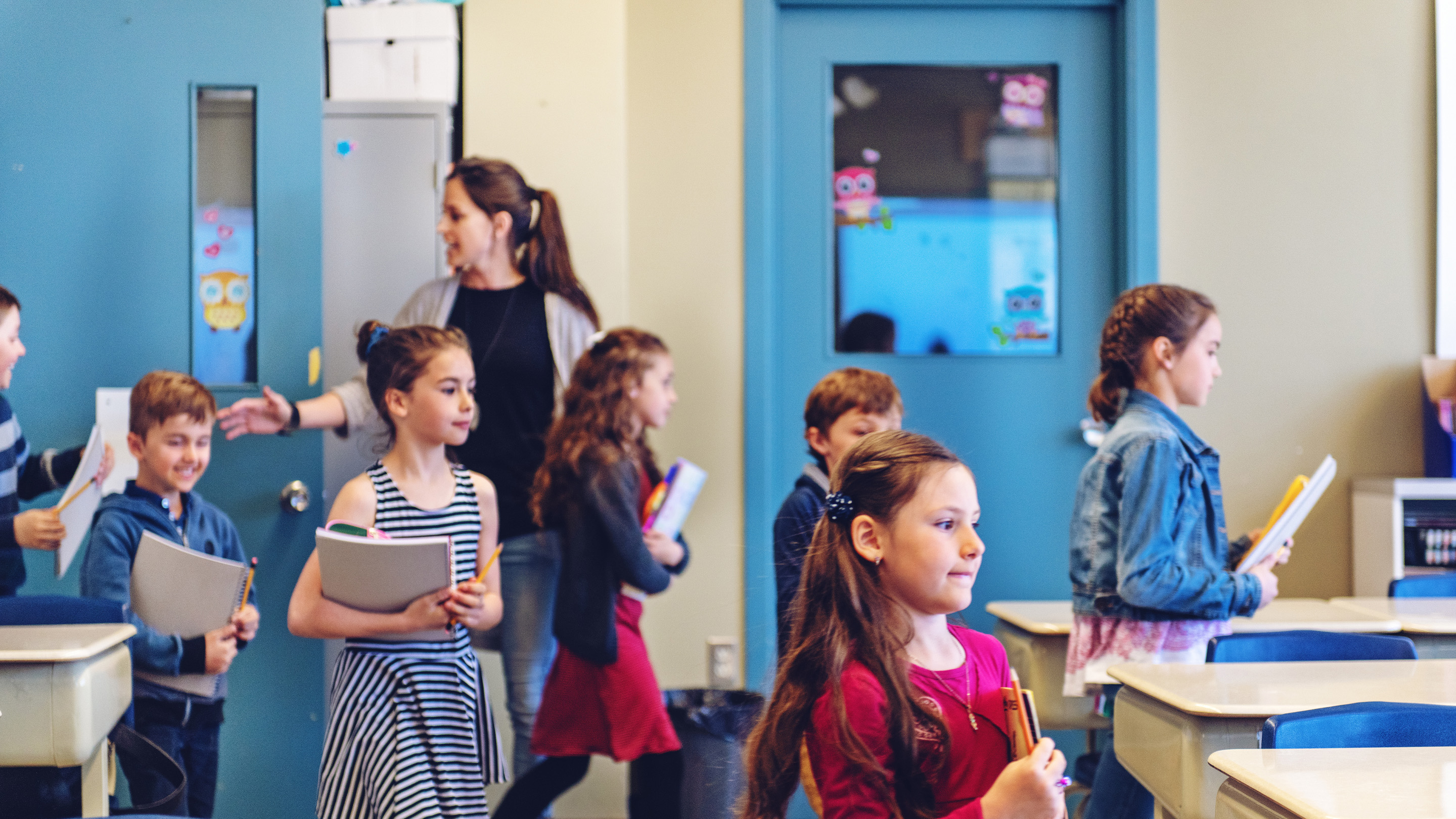
Monday has a reputation. For adults, it arrives with unread emails, half-finished coffee, and the quiet betrayal of the alarm clock. For students, the start of the week can feel just as jarring. After a weekend of different routines, later bedtimes, family activities, sports, screen time, or simply the glorious freedom of not asking permission to sharpen a pencil, many students walk into school needing more than a worksheet. They need a bridge.
Helping students transition into the week is not about making Monday “easy” or lowering expectations. It is about creating a thoughtful, predictable, and emotionally safe entry point into learning. When teachers design the first part of the week with intention, students are more likely to feel connected, focused, and ready to participate. The best Monday routines do not shout, “Wake up, scholars, it is time to conquer fractions!” They say, “You belong here. We have a plan. Let’s begin together.”
Strong weekly transitions combine classroom routines, social-emotional learning, relationship-building, student voice, and clear academic direction. Whether you teach kindergarten, middle school, high school, or a room full of students who appear to have left their motivation somewhere between Saturday cartoons and Sunday night, the goal is the same: help students re-enter the learning community with confidence.
Why the Start of the Week Matters
The beginning of the school week sets the tone for everything that follows. A chaotic Monday morning can ripple through the day like a spilled glitter jarsmall at first, then somehow everywhere. Students may arrive tired, anxious, distracted, excited, or carrying emotional weight from home. Some may have had a peaceful weekend. Others may have experienced stress, food insecurity, family conflict, loneliness, or inconsistent sleep. A strong transition routine gives every student a stable starting line.
Research and best practices in education consistently point to the value of school connectedness, predictable routines, and supportive classroom environments. Students who feel connected to school are more likely to engage academically and develop positive relationships. Clear classroom routines also reduce uncertainty, which is especially helpful for students who struggle with transitions, anxiety, attention, or executive functioning.
In simple terms, students learn better when they are not busy wondering, “What are we doing? Where do I put this? Why is everyone moving? Did I miss something? Is Monday legally allowed to exist?” Structure calms the nervous system. Belonging opens the door to participation. A thoughtful Monday routine does both.
Start With a Predictable Monday Morning Routine
The first 10 to 20 minutes of Monday can either settle the room or stir it like a blender without a lid. A predictable routine helps students know exactly what to do when they enter. This does not mean the routine must be boring. Predictable and dull are not twins. Predictable means students understand the rhythm; engaging means they actually want to follow it.
Try a Three-Part Arrival Routine
A simple Monday arrival routine might include three parts: greeting, grounding, and goal-setting.
Greeting: Welcome students by name at the door or as they enter the room. A quick “Good morning, Maya” or “Glad you’re here, Jordan” may seem small, but it communicates belonging. Students are not just bodies in seats; they are noticed members of the classroom community.
Grounding: Offer a short, quiet task that helps students shift from weekend mode to school mode. This could be a journal prompt, a breathing exercise, a visual check-in, silent reading, or a “soft start” choice board with calm academic activities.
Goal-setting: Invite students to name one realistic goal for the week. For younger students, this might be “I will raise my hand before speaking.” For older students, it might be “I will turn in my missing lab report by Wednesday.” The key word is realistic. “Become a perfect human by Friday” is ambitious, but not classroom-friendly.
Use Morning Meetings to Build Community
Morning meetings are one of the most effective ways to help students transition into the week. They create space for connection before content. A strong morning meeting does not have to take half the class period. Even 10 minutes can help students feel seen, heard, and ready.
A classic morning meeting often includes a greeting, sharing, a group activity, and a message. On Mondays, this structure can be adapted into a weekly launch. Students might greet one another, respond to a low-pressure question, preview the week, and end with a short encouragement or challenge.
Monday Morning Meeting Ideas
For elementary students, ask: “What is one word that describes your weekend?” or “What is something you are looking forward to this week?” These prompts help children practice self-awareness and listening.
For middle school students, try: “What is one thing that helps you reset when you feel overwhelmed?” Middle schoolers may pretend they are allergic to reflection, but many appreciate the chance to talk when the question feels practical and not painfully cheesy.
For high school students, use prompts with more independence: “What is one deadline, responsibility, or challenge you want to manage well this week?” This supports executive functioning and helps students connect school habits to real-life skills.
The goal is not to turn every Monday into group therapy. The goal is to make connection normal. When students practice checking in, listening, and planning, they build skills that support both learning and life beyond the classroom.
Make Emotional Check-Ins Quick and Useful
Students do not need a dramatic spotlight to communicate how they are doing. In fact, many prefer quiet check-ins. A Monday emotions check-in can be as simple as asking students to place a sticky note on a mood chart, choose a color that matches their energy, rate their readiness from 1 to 5, or complete a private sentence starter such as, “Today I am bringing ___ into the classroom.”
These quick routines help teachers notice patterns. If half the class marks “tired,” it might be wise to begin with movement. If several students mark “worried,” a calm preview of the week can reduce anxiety. If everyone marks “hungry,” well, that is not a metaphorsomeone may need breakfast support.
Emotional check-ins should never be used to force disclosure. Students should have the option to keep responses private or neutral. A simple “I’m here” can be enough. The purpose is to create awareness, not to collect personal stories like emotional trading cards.
Preview the Week Before Diving Into Work
One of the best strategies for helping students transition into the week is giving them a clear preview. Students are more likely to participate when they understand where the week is going. A weekly preview can include major assignments, tests, projects, class events, learning goals, and reminders.
Keep the preview simple and visual. A Monday agenda slide, anchor chart, digital classroom post, or weekly roadmap can help students see the big picture. For example:
- Monday: Review last week’s concept and introduce the new topic.
- Tuesday: Practice with partners.
- Wednesday: Small-group activity or lab.
- Thursday: Independent application.
- Friday: Quiz, reflection, or project checkpoint.
This kind of structure reduces surprises. Surprises are wonderful for birthday parties and terrible for students who just discovered there is a quiz after lunch.
Use “Soft Starts” to Ease Students Into Learning
A soft start gives students a calm, flexible beginning instead of immediately launching into high-pressure work. This is especially useful on Mondays. Soft starts can still be academic, but they should feel approachable.
Examples include independent reading, vocabulary review games, math warm-ups with choice, journaling, puzzle challenges, drawing a concept map, organizing materials, or reviewing feedback from the previous week. The activity should be meaningful but not overwhelming.
Soft starts work because they respect the reality of transition. Students are shifting environments, expectations, and attention. Giving them a few minutes to settle can improve focus for the rest of the lesson. It is the classroom version of stretching before runningexcept with fewer gym shorts and more pencils.
Reconnect to Last Week’s Learning
Students often need help picking up the academic thread from Friday. Teachers may remember exactly where the class stopped, but students may remember only that lunch involved pizza and someone’s water bottle made a strange noise. A brief review helps rebuild continuity.
Try a “Last Week in Three” routine. Ask students to identify three things they remember from the previous week: one key idea, one question, and one skill they practiced. This can be done individually, with partners, or as a whole-class discussion.
Another option is a retrieval warm-up. Instead of reteaching everything, ask students to recall what they know. Low-stakes retrieval strengthens memory and helps teachers identify gaps. Keep it short, encouraging, and focused. Monday review should feel like opening a familiar door, not being hit with a textbook-shaped thunderbolt.
Build Student Ownership Into Weekly Planning
Students transition better when they have some control over the week ahead. Student ownership does not mean students vote to cancel grammar forever. It means they participate in routines, goals, and responsibilities.
For younger students, classroom jobs can reset each Monday. Assign line leader, technology helper, materials manager, kindness captain, or schedule assistant. These roles give students a reason to feel invested in the classroom.
For older students, invite them to set weekly academic goals, track assignments, or choose from two acceptable work options. A Monday planning sheet can include: “What is one task I need to complete? What support do I need? What might get in my way? What is my first step?”
This kind of planning teaches self-management. It also helps students move from passive participation to active responsibility.
Use Movement to Reset Energy
Many students arrive on Monday either sluggish or wildly energized, with very little middle ground. Movement helps both groups. A two-minute movement break can wake up tired brains and organize restless bodies.
Movement does not need to be elaborate. Try standing stretches, silent line-ups by birthday month, “walk and talk” partner discussions, four corners responses, gallery walks, or quick rhythm claps. For younger students, a short song or movement pattern can work wonders. For older students, keep it dignified unless you enjoy watching teenagers make eye contact with the floor.
Physical movement supports attention because students are not designed to sit motionless for endless stretches. A little movement at the beginning of the week can make the classroom feel more human and less like a waiting room with homework.
Create a Calm Reset After the Weekend
Not every student returns from the weekend refreshed. Some students come back carrying stress. Others may feel disconnected from school routines. A calm reset helps them re-enter without shame.
Teachers can create a reset by using a steady voice, clear directions, visual schedules, and a welcoming tone. Avoid starting Monday with scolding, sarcasm, or a dramatic lecture about “how we forgot everything.” Students usually know when they are off-track. What they need is a path back.
A helpful reset statement might sound like: “It is Monday, and Mondays take a minute. We are going to start with our check-in, review our plan, and then move into today’s work one step at a time.” That message is calm, direct, and reassuring.
Support Students Who Struggle With Transitions
Some students need extra support moving into the week. This may include students with ADHD, autism, anxiety, trauma histories, learning differences, or executive functioning challenges. A strong Monday routine can reduce friction for everyone, but targeted supports may also be necessary.
Helpful strategies include visual schedules, first-then directions, private reminders, checklists, transition warnings, preferred seating, quiet entry options, and predictable routines. Students who struggle with transitions may also benefit from having the same Monday task each week, such as organizing materials or completing a short reflection.
Consistency matters. If the Monday routine changes every week, students who rely on predictability may feel like they are playing classroom bingo without a card. Keep the structure stable, and vary only small details when needed.
Partner With Families Without Adding Pressure
Family communication can make weekly transitions smoother. A short Friday or Sunday message with reminders, upcoming assignments, and encouragement can help students and caregivers prepare for Monday. However, communication should be realistic. Families are busy, and not every household has the same time, technology, or resources.
Keep messages brief and useful. For example: “Next week we will begin our unit on ecosystems. Students should bring their science notebooks on Monday. We will have a short quiz Friday. One helpful question to ask your child: What is one thing living things need to survive?”
This kind of communication supports continuity between home and school without turning parents into unpaid project managers. The goal is partnership, not panic.
A Sample Monday Transition Plan
Here is a practical structure teachers can adapt for many grade levels:
First 5 Minutes: Welcome and Settle
Greet students at the door. Students enter, put away materials, and begin a soft-start activity. The task is posted clearly before they arrive.
Next 5 Minutes: Emotional or Energy Check-In
Students complete a private readiness rating, mood color, or one-word check-in. The teacher scans responses to adjust the lesson if needed.
Next 7 Minutes: Community Connection
Use a short prompt, partner share, or class greeting. Keep it structured and positive.
Next 5 Minutes: Weekly Preview
Review the week’s goals, major tasks, and important dates. Students record one personal goal or priority.
Final 5 Minutes: Academic Reconnection
Use a retrieval question, quick review, or “What do we remember?” activity to connect back to learning.
This entire routine can take about 25 to 30 minutes, or it can be shortened to 10 minutes. The exact length matters less than the consistency and purpose behind it.
Common Monday Mistakes to Avoid
Even caring teachers can accidentally make Mondays harder. One common mistake is starting too fast. Jumping immediately into a difficult lesson may leave students behind before they have fully arrived mentally.
Another mistake is using Monday as a punishment zone: “Since Friday was rough, we are starting with a quiz.” This may create compliance, but it rarely builds motivation. Accountability matters, but it should be paired with clarity and support.
A third mistake is overloading students with announcements. If the first five minutes include twelve reminders, three deadlines, a schedule change, and a speech about responsibility, students may absorb approximately none of it. Use visuals, repeat key points, and prioritize what matters most.
Finally, avoid assuming every student had the same weekend. Some students return rested. Others return depleted. A compassionate Monday routine makes room for both.
Real Classroom Experiences: What Helping Students Transition Into the Week Looks Like
In real classrooms, Monday transitions are rarely perfect. They are human, which means someone will forget a backpack, someone will announce that their dog ate their permission slip, and someone will ask if Friday is “soon.” Still, the best routines are built from small, repeated practices that help students feel steady.
One elementary teacher described Monday as the day her class needed “extra runway.” Instead of beginning with a spelling test, she started with a basket of quiet choices: reading, drawing about the weekend, math puzzles, or writing a note to the teacher. At first, she worried this soft start would waste instructional time. Instead, she found that students settled faster and argued less. By 9:00 a.m., the room felt calmer than it had when she used to begin with strict seatwork. The academic work did not disappear; it became easier to reach because students were emotionally ready to begin.
A middle school teacher used a weekly “Monday Map.” Students opened their notebooks and divided a page into four boxes: assignments, questions, goals, and help needed. The routine took seven minutes. Some students wrote detailed plans. Others wrote, “Do not lose Chromebook charger,” which, frankly, is a noble academic goal. Over time, students became better at naming what they needed before small problems grew into missing-work avalanches. The teacher also used the maps to identify students who needed a quick check-in.
In a high school English class, the teacher began each Monday with a quote, a short journal prompt, and a preview of the week. Students did not have to share their journal responses unless they wanted to. The privacy mattered. Teenagers often resist public vulnerability, but many will reflect honestly when they know their thoughts are not being put on display. The routine helped students shift from hallway noise to classroom focus. It also gave the teacher a quiet moment to take attendance, check in with students, and prepare for discussion.
Another teacher found success with a “Monday reset circle” after difficult weekends or school breaks. Students responded to simple prompts: “One thing I need this week is…” or “One way I can help our class this week is…” The teacher kept the tone light but respectful. No one was forced to reveal personal information. Over time, students began using the language of support naturally. They said things like, “I need reminders,” “I need quiet today,” or “I can help pass materials.” These small statements built a stronger classroom culture.
The most important lesson from these experiences is that transitions are not empty time. They are teaching time. Students learn how to enter a room, manage energy, set goals, reconnect with peers, and prepare for learning. These are not side skills. They are life skills wearing a backpack.
Teachers who handle Mondays well also tend to give themselves grace. A routine may flop. A prompt may land with all the enthusiasm of cold oatmeal. A movement break may become too exciting. That does not mean the strategy failed forever. It means the teacher gathers information, adjusts, and tries again. Effective Monday transitions are built through practice, not magic.
Helping students transition into the week is ultimately about designing a classroom students can return to with trust. They know the teacher will greet them. They know the plan will be clear. They know there will be room to reset. They know learning will begin, but it will begin with them, not in spite of them.
Conclusion
Helping students transition into the week is one of the most practical and powerful classroom management strategies teachers can use. A strong Monday routine supports emotional readiness, academic focus, student belonging, and smoother classroom behavior. It does not require expensive programs or elaborate decorations. It requires consistency, compassion, and a clear plan.
When teachers use morning meetings, emotional check-ins, soft starts, weekly previews, movement, and student goal-setting, they help students move from weekend mode into learning mode with less stress. The classroom becomes more than a place where assignments happen. It becomes a community students know how to rejoin.
Monday may never be everyone’s favorite day. That is a lot to ask from a day that follows Sunday. But with the right routines, teachers can make Monday feel less like a crash landing and more like a steady takeoff into a meaningful week of learning.