Note: This article is written from publicly available fraud-prevention guidance, banking security information, and cybersecurity reporting. It is for consumer education only.
The New ATM Skimmer Is Not a Chunky Plastic Goblin Anymore
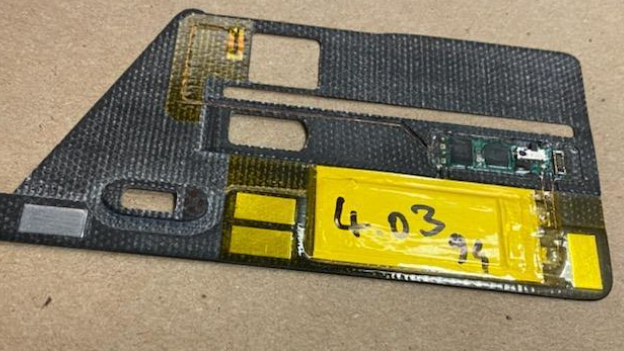
Once upon a time, spotting an ATM skimmer felt almost possible. You could give the card reader a suspicious little wiggle, look for crooked plastic, glare at the keypad like a detective in a low-budget crime drama, and feel reasonably proud of yourself. Those days are not completely gone, but criminals have become annoyingly good at shrinking their tools. Modern ATM skimmers are getting thinner, stealthier, and harder to spot, especially the so-called “deep insert” devices that hide inside the card slot instead of sitting awkwardly on top of it.
The phrase “ATM skimmer” usually makes people imagine a fake reader glued over the real one. That still exists, and yes, you should still watch for loose parts. But the newer threat is more elegant in the worst possible way. Some devices are wafer-thin, flexible, and designed to slip into the mouth of the card reader, where ordinary customers cannot see them. Pair that with a tiny hidden camera, a keypad overlay, or some other PIN-capturing trick, and the ATM becomes a quiet little data buffet.
Card skimming is not just a technical curiosity for cybersecurity fans who enjoy zooming into circuit boards at 2 a.m. It is a real consumer problem. Fraudsters use illegally installed devices on ATMs, point-of-sale terminals, and fuel pumps to capture card data and, in many cases, PINs. The stolen information can then be used to create counterfeit cards, drain accounts, or commit unauthorized purchases. In other words, the skimmer may be thin, but the financial headache can be extra-large.
What Is an ATM Skimmer?
An ATM skimmer is a hidden device that captures payment card information when someone inserts, dips, or swipes a card. Traditional skimmers often sat over the card slot, pretending to be part of the machine. They were the criminal equivalent of a fake mustache: sometimes convincing from far away, embarrassing up close.
Newer skimmers can be much harder to detect. Deep insert skimmers are placed inside the card acceptance slot. Instead of changing the exterior shape of the ATM, they hide within the machine’s own hardware path. This makes them especially tricky because the ATM may look normal. The card may go in normally. The screen may behave normally. Your money may dispense normally. Meanwhile, the skimmer has quietly collected the magnetic stripe data like a pickpocket with an engineering degree.
Skimmers, Shimmers, and Other Tiny Trouble
There are two related terms consumers should know: skimmers and shimmers. Skimmers usually target magnetic stripe data, while shimmers are extremely thin devices that can be inserted into chip-card readers to interfere with or collect data from chip transactions. Chip cards are much safer than old magnetic-stripe-only cards, but they are not magic shields from the kingdom of “Nothing Bad Can Happen.”
Most modern fraud prevention depends on layered defense: EMV chips, encrypted transactions, fraud monitoring, contactless payments, bank alerts, and consumer awareness. Criminals adapt when one defense gets stronger. That is why skimmers keep getting smaller, thinner, and more carefully disguised. The fraud economy, unfortunately, has an R&D department.
Why Thin ATM Skimmers Are Such a Big Deal
The thinner a skimmer gets, the less it needs to change the outside appearance of an ATM. That matters because traditional anti-skimming advice often focuses on visible signs: loose card readers, mismatched colors, strange attachments, sticky residue, or suspicious plastic. Those tips still help, but they are less reliable against devices hidden inside the card slot.
A very thin deep insert skimmer can sit beyond the visible edge of the reader. The outside of the ATM may look clean, professional, and boring, which is exactly how an ATM should look. No crooked plastic. No weird blinking gadget. No tiny villain laughing from the cash tray. Just a normal machine doing normal machine things while quietly betraying you.
The Miniaturization Problem
Electronics have become smaller across every industry. Phones are thinner, sensors are smaller, batteries are better, cameras are tiny, and flexible circuit boards can fit into spaces that would have seemed ridiculous years ago. Criminal skimming devices follow the same hardware trend. A modern skimmer does not need to look like a bulky add-on. It can be a slender strip of electronics with just enough capability to read card data and store it or transmit it later.
That does not mean every ATM is secretly dangerous. Most are not. Banks, ATM operators, card networks, and law enforcement agencies invest heavily in fraud detection and prevention. But it does mean consumers need to update their mental picture of the threat. The enemy is no longer always a clunky plastic cover. Sometimes it is a nearly invisible device hiding where your eyes cannot reach.
How Criminals Capture the PIN
Card data alone is valuable, but a PIN can make debit-card fraud far more damaging. That is why ATM skimmers are often paired with PIN-capturing methods. The classic method is a hidden pinhole camera aimed at the keypad. These cameras can be disguised in brochure holders, plastic trim, overhead panels, or other small fixtures near the ATM.
Another method is a keypad overlay. This is a fake keypad placed over the real one. When you press the buttons, the overlay records the numbers while still allowing the real keypad underneath to work. If the keypad feels unusually thick, stiff, spongy, misaligned, or difficult to press, that is a warning sign. Your PIN should not feel like it is passing through a lasagna noodle.
This is why covering the keypad with your hand still matters. It will not stop every type of skimming, especially if a keypad overlay is involved, but it can block hidden cameras. It is a simple habit that costs nothing and looks only mildly dramatic. Think of it as giving your PIN a tiny privacy umbrella.
Where ATM Skimmers Are Commonly Found
Skimming devices can appear anywhere cards are used, but some locations are more attractive to criminals than others. ATMs in isolated areas, poorly lit spots, tourist zones, convenience stores, bars, and transportation hubs may be targeted because there is high foot traffic and less supervision. Standalone ATMs can be riskier than machines inside bank branches because criminals may have more opportunity to tamper with them.
Fuel pumps are another common target. Pay-at-the-pump systems may be unattended for long periods, and older pump hardware can be easier to compromise. Retail checkout terminals can also be targeted, especially when criminals install fake overlays or internal devices. The lesson is not to live in fear of every card reader. The lesson is to stop treating every card reader like a trusted childhood friend.
Bank ATMs Are Usually a Better Choice
When possible, use ATMs located at bank branches, especially indoor or lobby machines. These are more likely to be monitored by cameras, inspected regularly, and maintained under tighter security procedures. A random ATM in a dark corner of a parking lot may be convenient, but convenience is also how fraudsters whisper, “Come here, I have terrible surprises.”
How to Spot an ATM Skimmer
Even though thin skimmers are harder to detect, basic inspection still helps. Before inserting your card, take a few seconds to look at the machine. Compare the card reader with nearby ATMs if there is more than one. Does one reader look newer, bulkier, or slightly different? Are the graphics misaligned? Does the card slot feel loose? Is there extra plastic around the keypad? Is there a strange object near the screen or PIN pad?
Gently tug the card reader. Do not try to dismantle the ATM like you are auditioning for a heist movie. Just check whether anything wiggles, lifts, or feels poorly attached. Look above and around the keypad for tiny holes that could hide a camera. Check whether the keypad feels unusually raised or hard to press. If something feels wrong, cancel the transaction and use another machine.
Warning Signs to Remember
- A loose, crooked, bulky, or mismatched card reader
- A card slot that feels unusually tight or resistant
- A keypad that feels thick, stiff, raised, or spongy
- Unusual plastic trim, tape, glue marks, or damaged panels
- Odd signs telling customers to use only one specific ATM
- Small holes or suspicious fixtures pointed toward the keypad
- An ATM located in a poorly lit or poorly monitored area
None of these signs proves a skimmer is present, but any one of them is enough reason to walk away. There is no prize for being brave at a suspicious ATM. The machine will not respect your courage. It will simply eat your card data with ranch dressing.
Why Contactless Payments Help
Contactless cards and mobile wallets can reduce exposure to skimming because the card does not need to enter a potentially compromised reader. Digital wallets such as Apple Pay, Google Pay, and similar services typically use tokenization, meaning the merchant receives a temporary payment token rather than the actual card number. That makes stolen transaction data much less useful.
Tap-to-pay is not perfect for every situation, and not every ATM supports contactless access. But when you have the option, contactless is usually a safer choice than swiping or inserting a card into a machine you do not fully trust. The less physical contact your card has with mystery hardware, the better.
What to Do If You Suspect a Skimmer
If an ATM looks suspicious, do not use it. If you already inserted your card and something feels wrong, cancel the transaction if possible and leave. Contact your bank immediately if your card is retained, if you notice unauthorized transactions, or if you believe your card information may have been compromised.
Report the suspicious machine to the bank, store manager, ATM owner, or local law enforcement. Do not remove a suspected skimmer yourself. It may be evidence, and there is also the small matter of not wanting to be the person on security footage yanking parts off an ATM while insisting, “No, really, I’m helping.” Let the professionals handle it.
Fast Actions After Possible Skimming
- Lock or freeze your card through your bank app if available.
- Call the bank using the number on the back of your card or the official app.
- Review recent transactions for unfamiliar withdrawals or purchases.
- Change your PIN if your bank recommends it.
- Set up transaction alerts for card purchases and ATM withdrawals.
- Request a replacement card if compromise is likely.
The Bigger Trend: Fraud Is Becoming Less Visible
The evolution of ATM skimmers reflects a broader pattern in financial fraud: the less visible the attack, the more dangerous it becomes. Old scams often depended on obvious trickery. Newer scams depend on blending into normal life. A fake reader looks like a real reader. A phishing email looks like a delivery notice. A scam text looks like a bank alert. A deep insert skimmer looks like nothing at all because it is hiding inside the machine.
This is why consumer security habits need to be boring, consistent, and automatic. Fraud prevention is not about becoming paranoid. It is about building small habits that make you a harder target. Use secure ATMs. Cover your PIN. Prefer contactless payments. Turn on alerts. Check your statements. Avoid sketchy machines. These habits are not glamorous, but neither is calling your bank while standing in a grocery store parking lot wondering who just bought sneakers with your debit card.
Real-World Experience: Learning to Look at ATMs Differently
The first time you really understand how thin ATM skimmers are getting, you start looking at card readers with a new level of suspicion. Not panic, exactly. More like the expression a cat gives a cucumber. The machine may be perfectly safe, but suddenly you notice details you used to ignore: the seam around the card slot, the texture of the keypad, the angle of the plastic trim, the odd little brochure holder that seems to be staring at your PIN hand.
Many people only become skimmer-aware after a scare. Maybe a friend gets hit with unauthorized withdrawals. Maybe a bank sends a replacement card “out of an abundance of caution,” which is banking language for “something weird happened, but please remain seated.” Maybe you read about deep insert skimmers and realize that the old wiggle-the-reader routine is useful but not enough. That moment changes how you use payment machines.
One practical habit is choosing the ATM before you need cash urgently. When people are rushed, they make lazy security decisions. They use the first machine they see, even if it is outside, isolated, poorly lit, or attached to a convenience store wall with the energy of a haunted vending machine. A better approach is to use an ATM at your own bank branch, during the day, preferably indoors or in a monitored lobby. It may add a few minutes, but those minutes are cheaper than a fraud claim.
Another experience-based lesson is that covering your PIN should become muscle memory. At first it feels theatrical, like you are protecting nuclear launch codes while withdrawing twenty dollars for tacos. But after a while, it becomes normal. One hand enters the PIN, the other hand blocks the view. It is simple, free, and effective against hidden cameras. Even if the person behind you is not a criminal, they also do not need a front-row seat to your financial life.
It also helps to separate embarrassment from security. If a card reader looks strange, walk away. If the keypad feels wrong, cancel the transaction. If the ATM swallows your card or tells you to try again in a weird way, contact the bank directly. People often continue because they do not want to look fussy. But criminals count on that politeness. Your money does not need you to be socially graceful. It needs you to be mildly inconvenient.
The biggest lesson is that skimmer defense is not one magic trick. It is a cluster of small decisions. Use tap-to-pay when possible. Keep debit cards away from questionable machines. Use credit cards for purchases when appropriate because they often offer stronger fraud protections. Turn on instant alerts so suspicious activity reaches your phone quickly. Review your statements even when life is busy. A thin skimmer depends on being unnoticed; your job is to make your accounts noisy enough that fraud cannot quietly settle in.
In the end, thin ATM skimmers are impressive in the same way a mosquito is impressive: tiny, efficient, and deeply unwelcome. You do not need to become a hardware engineer to protect yourself. You just need to slow down, look twice, cover your PIN, and choose safer payment options whenever possible. Modern skimmers may be getting thinner, but your defenses can get sharper.
Conclusion
ATM skimmers have evolved from bulky fake attachments into slim, hidden devices that can be difficult for ordinary users to detect. Deep insert skimmers, shimmers, hidden cameras, and keypad overlays show how payment fraud keeps adapting to modern security. The good news is that smart habits still work. Use secure bank ATMs, inspect machines before inserting your card, cover your PIN, choose contactless payments when available, monitor your accounts, and act quickly if something feels off.
The next time you approach an ATM, do not panic. Just pause. A few seconds of attention can make the difference between a normal withdrawal and a very annoying conversation with your bank. The skimmers may be thin, but your awareness does not have to be.