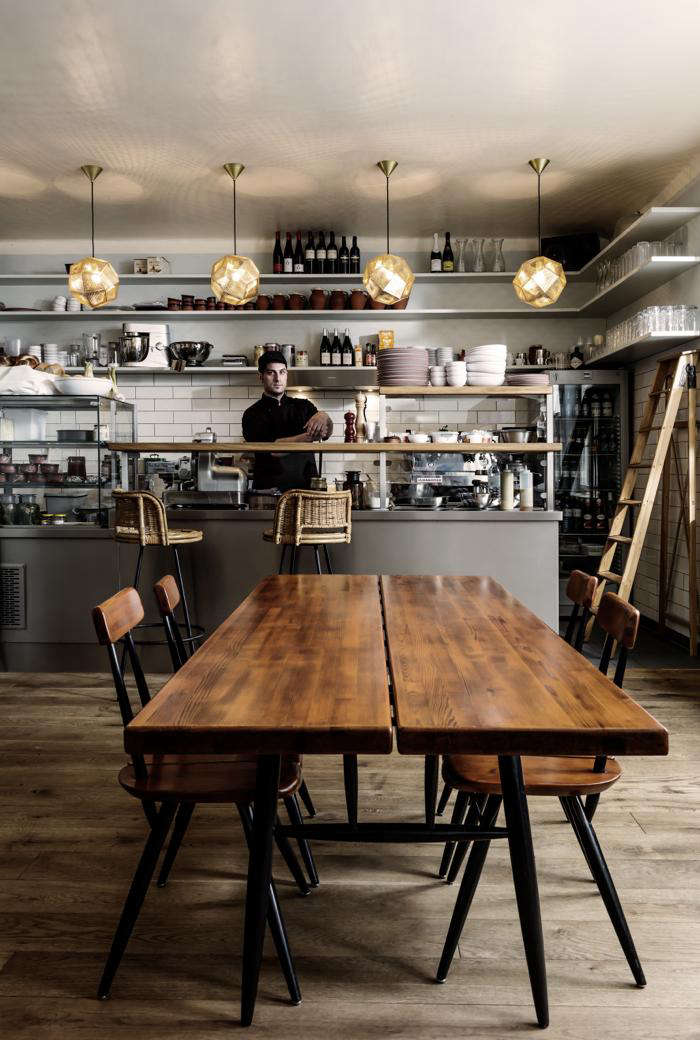
Berlin has never been shy about borrowing good ideas and giving them a leather jacket, a bicycle lane, and a surprisingly serious coffee program. So when a New York-style deli arrives in the German capital, it does not simply copy Manhattan. It translates it. The pastrami gets smoked with local precision, the rye bread meets Berlin’s bakery culture, the room looks like a design editor’s daydream, and the whole thing somehow feels both nostalgic and brand-new.
That is the charm of a New York deli in Berlin: it is not just a sandwich shop. It is a cultural crossover, a food memory, a design story, and a reminder that comfort food travels beautifully when treated with respect. From stacked pastrami and Reuben sandwiches to matzah ball soup, pickles, cheesecake, bagels, and that unmistakable deli-counter energy, Berlin’s version of the New York deli proves that a great sandwich does not need a U.S. passport. It only needs patience, smoke, rye, and the confidence to be messy in public.
What Makes a New York Deli So Iconic?
A New York deli is not defined by one ingredient. It is defined by abundance. The sandwich should look slightly unreasonable. The pickle should snap. The mustard should announce itself like a tiny brass band. The counter should feel casual but practiced, as if everyone knows the rules even when no rules are posted.
The classic Jewish-American delicatessen grew from immigrant food traditions, especially those brought to New York by Jewish communities from Eastern and Central Europe. Over time, foods like pastrami on rye, corned beef, knishes, matzah ball soup, smoked fish, bagels with cream cheese, pickled vegetables, and cheesecake became part of the city’s edible identity. The deli was practical, loud, generous, and democratic. You could be a banker, cab driver, artist, tourist, grandmother, or hungry student with mustard on your sleeve. The sandwich did not judge.
In New York, famous names like Katz’s Delicatessen, Russ & Daughters, Carnegie Deli, and the old Lower East Side appetizing shops shaped the way Americans imagine deli culture. Katz’s became legendary for hand-cut pastrami. Russ & Daughters became a temple of smoked fish and bagels. Carnegie Deli helped turn oversized sandwiches and cheesecake into tourist mythology. Together, they built a food language that is instantly recognizable: salty, smoky, sour, creamy, chewy, and proudly excessive.
Berlin Was Ready for Its Pastrami Moment
Berlin may be famous for currywurst, döner kebab, schnitzel, techno snacks, and bread so serious it deserves its own passport control, but the city has always welcomed food from elsewhere. Its dining scene is restless and international. A person can eat Vietnamese noodles for lunch, Turkish grilled meats for dinner, Syrian sweets afterward, and still complain that the bagel shop closes too early.
Into that environment came the New York-style deli concept, most famously represented by Mogg, originally known as Mogg & Melzer. Founded by Paul Mogg and Oskar Melzer, the deli became known for bringing proper pastrami culture to Berlin. The project was not simply about importing an American menu. It was about recreating the emotional weight of a New York deli while allowing Berlin’s architectural, culinary, and cultural character to shape the final result.
The original setting helped make the story unforgettable. Mogg was housed in a former Jewish girls’ school on Auguststraße in Berlin-Mitte, a red-brick building designed by architect Alexander Beer. The structure carries deep historical significance, and its transformation into a cultural and culinary destination added layers of memory to the dining experience. Eating a pastrami sandwich there was never just about lunch. It was about place, history, reinvention, and the complicated beauty of Berlin itself.
Inside the Deli: Smoke, Rye, Pickles, and Design
The best New York-style deli food depends on discipline. Pastrami is not fast food, even when served between two slices of bread. Good pastrami begins with beef brisket or another well-chosen cut, then moves through curing, seasoning, smoking, steaming, slicing, and serving. The meat should be tender but not mushy, peppery but not harsh, smoky but not like it spent the weekend camping against its will.
Mogg became known for house-cured and smoked pastrami, the centerpiece of its pastrami sandwiches and Reuben. The Reuben, in particular, is the kind of sandwich that makes moderation step outside for a cigarette. It usually combines pastrami or corned beef with Swiss-style cheese, sauerkraut or coleslaw, dressing, and rye bread toasted until everything melts into an edible architectural decision. Berliners, who already understand the importance of bread, were well positioned to appreciate the seriousness of this operation.
But the food was only half the appeal. The interior design played a major role in the deli’s identity. Instead of copying a New York diner with chrome, red vinyl, and neon signs, the Berlin version leaned into a more curated, midcentury-meets-modern mood. Vintage furniture, clean lines, warm lighting, art, and the building’s historic bones created a room that felt stylish without becoming stiff. It was less “shout your order over a counter” and more “take your pastrami somewhere with excellent taste.”
Why the Concept Works in Berlin
At first, a New York deli in Berlin might sound like culinary cosplay. Why not just eat German bread with German meats in Germany? The answer is simple: because cities are living things. They collect influences. They remix memory. They make room for cravings that arrive from elsewhere.
Berlin and New York share certain urban traits. Both cities have immigrant histories, restless creative communities, strong neighborhood identities, late-night habits, and a talent for turning ordinary food into cultural symbolism. Both cities understand that a sandwich can be lunch, identity, and performance at the same time. The New York deli feels at home in Berlin because Berlin is good at absorbing outside ideas without polishing away their eccentricity.
There is also a deeper connection. Jewish food history belongs to both Europe and America. Bagels, cured meats, pickles, and soups carry stories of migration, adaptation, and survival. In New York, Jewish immigrants transformed these foods into American classics. In Berlin, serving New York-style deli food inside or near spaces marked by Jewish history creates a powerful loop: food traditions that left Europe, evolved in America, and returned in a new form.
The Pastrami Sandwich as Cultural Ambassador
If food diplomacy were a real government department, the pastrami sandwich would deserve an office with a very sturdy chair. It communicates instantly. You do not need to explain much after someone sees thick slices of smoked meat stacked on rye with mustard and pickles. The sandwich speaks fluent appetite.
In Berlin, pastrami works because it offers both novelty and familiarity. Germans understand cured and smoked meats. They understand bread. They understand pickles. What feels new is the New York deli arrangement: the height of the sandwich, the sharp mustard, the deli-style ritual, the unapologetic richness. It is familiar ingredients wearing a Manhattan attitude.
The result is not imitation. It is interpretation. A Berlin deli does not need to become Katz’s. It can respect Katz’s while becoming something else: more design-conscious, perhaps more restrained in atmosphere, but still devoted to the central promise that a good deli sandwich should leave you full, happy, and briefly convinced that your life choices are excellent.
Beyond Pastrami: The Full Deli Vocabulary
A proper New York-style deli is not a one-hit sandwich album. The supporting cast matters. Matzah ball soup brings warmth and tradition, the kind of comfort that tastes like someone’s grandmother has taken over the kitchen and is not interested in your excuses. Pickles add acidity and crunch. Cheesecake provides the final act: dense, creamy, and dramatic enough to deserve stage lighting.
Bagels also play an important role in the wider New York deli and appetizing tradition. A real bagel is boiled before it is baked, giving it a shiny crust and chewy interior. When topped with cream cheese, smoked salmon, capers, onion, and tomato, it becomes one of New York’s most famous breakfast-to-lunch inventions. Berlin’s modern bagel shops and Jewish-inspired delis have helped introduce more diners to that texture and ritual.
The deli vocabulary also includes small details that do heavy lifting: mustard with bite, rye bread with character, coleslaw that balances creaminess and tang, Russian dressing that refuses to be subtle, and sliced meat served warm enough to release its aroma. These are not decorative extras. They are the rhythm section. Without them, the sandwich is just meat doing a solo.
Design, Memory, and the Berlin Twist
One reason the New York deli concept became so compelling in Berlin is that it arrived with a strong sense of place. The former Jewish girls’ school on Auguststraße is not a neutral backdrop. Its history matters. The building’s red-brick exterior, modernist lines, and cultural transformation created an atmosphere that linked past and present in a way few restaurant spaces can.
Berlin is full of buildings that have lived several lives. Factories become galleries. Power stations become clubs. Schools become cultural centers. Courtyards become cafés. A deli in such a setting fits the city’s habit of reuse and reinvention. It also asks diners to slow down and notice where they are. You may come for pastrami, but you leave thinking about architecture, migration, memory, and whether you should have ordered cheesecake to go. The answer, for future reference, is yes.
The design approach also helped distinguish Berlin’s deli scene from a simple theme restaurant. The goal was not to build a fake Lower East Side movie set. It was to create a modern Berlin dining room that understood New York deli culture without wearing a costume. That restraint matters. Nobody needs a pastrami sandwich served under a plastic Statue of Liberty unless it is part of a very specific bachelor party.
What Diners Love About the Experience
People love deli food because it delivers emotional clarity. You do not need a tasting menu lecture to understand why pastrami, rye, mustard, and pickles work. The flavors are bold and direct. The pleasure is immediate. The experience feels casual enough for lunch but memorable enough to become a destination.
In Berlin, that experience can feel especially satisfying because it contrasts with the city’s everyday food rhythms. A New York-style deli offers a different kind of indulgence from German bakery culture or street-food staples. It is less about speed and more about craft hidden inside informality. The sandwich arrives looking simple, but behind it is time-consuming work.
That combination of casual service and serious preparation is exactly what modern diners often want. They do not always need white tablecloths. They do want evidence that someone cared. A properly smoked pastrami sandwich provides that evidence in thick, pepper-crusted slices.
How to Order Like You Know What You’re Doing
If you are visiting a New York-style deli in Berlin for the first time, begin with the pastrami or the Reuben. This is not the moment to be mysterious. Order the thing the place is famous for. Add pickles. If matzah ball soup is available, consider it, especially on a cold day when Berlin’s sky looks like a wet newspaper.
Do not overcomplicate the sandwich. Deli classics work because their parts have already negotiated the treaty. Mustard, rye, warm pastrami, pickles: this is a stable alliance. If you choose a Reuben, expect richness. It is not a light snack; it is a small event. Plan your afternoon accordingly. Avoid scheduling a sprint, a serious meeting, or a fitting for slim trousers immediately afterward.
For dessert, cheesecake is the natural move. New York-style cheesecake is dense, tangy, and confident. It does not wobble nervously. It stands there like it owns real estate. Paired with coffee, it closes the deli experience with just the right amount of excess.
Experiences Related to “A New York Deli Comes to Berlin”
Imagine arriving in Berlin on a gray afternoon, the kind of day when the city seems to be rendered in charcoal and bicycle bells. You have walked through Mitte, passed galleries, courtyards, boutiques, and buildings with histories too large for plaques. Then the smell finds you: smoke, toasted bread, warm meat, and something sharp from pickles. Suddenly, your travel plans become very simple. You are going inside.
The first experience is visual. A Berlin deli inspired by New York does not feel exactly like a deli in Manhattan. There is less rush, more design, and a certain Berlin coolness that acts as emotional air-conditioning. The room may be calm, but the plate is not. When the pastrami sandwich arrives, it has presence. It looks like lunch went to drama school. The rye holds everything together with admirable professionalism, while the meat spills just enough to remind you that dignity is overrated when the food is good.
The first bite is where the concept proves itself. The pastrami is smoky, salty, peppery, and tender. The bread brings structure. The mustard cuts through the richness. The pickle resets the palate like a tiny green referee. For a moment, Berlin and New York overlap. Outside, people may be speaking German, locking bikes, and discussing art openings. On the plate, the Lower East Side is humming.
One of the most memorable parts of the experience is the contrast between history and comfort. You may be eating in or thinking about a space connected to Berlin’s Jewish past, while enjoying a food tradition that Jewish immigrants helped transform in New York. That loop gives the meal meaning without making it heavy-handed. The sandwich is still delicious. The soup is still warm. But the context adds depth. It reminds you that food is never only food; it carries routes, losses, inventions, and returns.
Another experience is social. Deli food encourages sharing, comparing, and friendly overconfidence. Someone at the table will insist they can finish the whole sandwich easily. Ten minutes later, they will be negotiating with the second half as if it were a mortgage. Someone else will claim they only want “a bite” of cheesecake, then perform a quiet excavation with their fork. This is the deli’s secret power: it turns meals into scenes.
For travelers, a New York deli in Berlin also offers comfort without boredom. It is familiar enough for Americans craving a taste of home, but different enough to feel like discovery. For Berliners, it offers a satisfying break from routine: a sandwich with a backstory, a lunch with architecture, a plate that feels international without becoming generic. You can bring a visiting friend, a date, a colleague, or just your own appetite. The pastrami will not mind.
The best way to enjoy the experience is to let it be both casual and special. Do not rush. Notice the bread. Notice the smoke. Notice the room. Order the pickle. Say yes to cheesecake if your schedule and waistband permit. Then walk back into Berlin with that pleasant post-deli heaviness, the kind that makes museums seem more philosophical and public transportation seats more luxurious.
Conclusion: Berlin Gets the Deli, and the Deli Gets Berlin
A New York deli in Berlin works because it is more than a novelty. It connects two great food cities through memory, migration, craftsmanship, and appetite. The pastrami sandwich becomes the headline, but the full story includes Jewish-American food traditions, Berlin’s layered history, thoughtful design, and the universal human desire to eat something warm, salty, smoky, and slightly too big.
The success of this concept shows that great food travels best when it is adapted with respect. Berlin does not need to become New York to understand the deli. It only needs to honor the essentials: good meat, good bread, good pickles, a sense of place, and a willingness to serve comfort food with confidence. When those pieces come together, the result is not just a meal. It is a delicious conversation between cities.
Note: This article synthesizes publicly available information from reputable restaurant, travel, design, food-history, and cultural sources, including official deli pages, Berlin food guides, New York deli history references, Jewish food history resources, and architecture/history materials related to the former Jewish Girls’ School in Berlin.