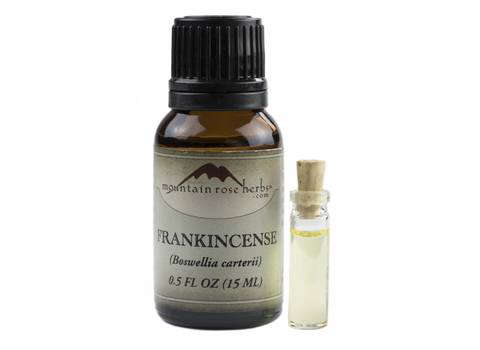
Frankincense essential oil sounds like something that should arrive by camel, wrapped in gold foil, and carried by someone with excellent posture. In reality, it is a fragrant, resin-derived essential oil that has traveled from ancient rituals into modern diffusers, skincare shelves, massage blends, meditation corners, and wellness routines. Its aroma is warm, woody, slightly citrusy, balsamic, and quietly dramaticthe kind of scent that makes a regular living room feel like it suddenly hired an interior designer.
But behind the beautiful smell is a topic worth understanding carefully. Frankincense essential oil is popular for relaxation, aromatherapy, grounding, skincare blends, and massage, yet it is often surrounded by claims that gallop far ahead of the evidence. Some people treat it like a miracle in a bottle. Others dismiss it as expensive tree perfume. The useful truth sits somewhere in the middle: frankincense essential oil can be a pleasant, supportive part of a wellness routine when used safely, but it should not replace medical care, prescribed treatments, or basic common sensethe most underrated supplement of all.
This guide explains what frankincense essential oil is, how it is made, what it may help with, how to use it safely, what to avoid, and how to choose a quality product without falling for marketing fairy dust.
What Is Frankincense Essential Oil?
Frankincense essential oil is a concentrated aromatic oil distilled from the resin of trees in the Boswellia genus. Frankincense resin, also called olibanum, has been used for centuries in incense, spiritual ceremonies, traditional medicine systems, perfumery, and personal care. The essential oil is usually produced by steam distilling the hardened resin tears collected from the tree bark.
Common frankincense-producing species include Boswellia carterii, Boswellia sacra, Boswellia serrata, Boswellia frereana, and Boswellia papyrifera. Different species can produce oils with slightly different aromas and chemical profiles. One bottle may smell bright, piney, and lemony; another may smell deeper, sweeter, or more resinous. This is not necessarily a flaw. Frankincense is a natural material, not a lab-created copy-paste button.
Frankincense Resin vs. Frankincense Essential Oil
One of the most important things to know is that frankincense resin, frankincense extract, Boswellia supplements, and frankincense essential oil are not the same product. The resin contains heavier compounds, including boswellic acids, which are often discussed in research on inflammation and joint health. Essential oil, on the other hand, is mainly made of volatile aromatic compounds that evaporate easily and create the scent.
This matters because many health claims about “frankincense” are actually based on Boswellia resin extracts or oral supplements, not the essential oil you put in a diffuser. Confusing the two is like reading research on oranges and assuming it applies equally to orange-scented candles. Related? Yes. Interchangeable? Not quite.
What Does Frankincense Essential Oil Smell Like?
Frankincense essential oil has a scent profile that is often described as woody, resinous, balsamic, earthy, spicy, and softly citrus-like. It is less sharp than tea tree oil, less floral than lavender, and less “wake up, your sinuses have a meeting” than peppermint. The aroma is calming without being sleepy, elegant without being fussy, and spiritual without requiring you to own a gong.
Because of this balanced aroma, frankincense blends well with many essential oils, including lavender, cedarwood, sandalwood, bergamot, sweet orange, myrrh, geranium, rosemary, and clary sage. In perfumes and room blends, it often acts as a grounding base note that helps brighter scents feel warmer and more polished.
Potential Benefits of Frankincense Essential Oil
Frankincense essential oil is widely used in aromatherapy and topical wellness routines. Some benefits are supported mostly by traditional use and early research, while others are better described as possible or anecdotal. Responsible wellness writing should never need a megaphone and a cape. So, let’s keep things honest.
1. It May Support Relaxation and Stress Relief
Many people use frankincense essential oil for relaxation, prayer, meditation, breathwork, yoga, journaling, or winding down after a long day. The scent can create a calm atmosphere, which may help the body shift away from the mental “browser with 47 tabs open” mode.
Aromatherapy in general is commonly used to support mood, relaxation, sleep quality, and stress management. Frankincense is especially popular because its aroma feels grounding rather than sugary or overly floral. A few drops in a diffuser during quiet time can turn an ordinary evening into something that feels more intentionaleven if the laundry pile is still staring from across the room.
2. It Can Be Used in Massage Blends
When properly diluted in a carrier oil, frankincense essential oil can be used in massage blends. Its warm, resinous scent pairs well with slow massage, stretching routines, and post-workout relaxation. Some users like it in blends for areas that feel tense or overworked, such as shoulders, neck, lower back, or hands.
However, it is important to be precise: frankincense essential oil should not be marketed as a cure for arthritis, chronic pain, inflammation, or injury. Some Boswellia extracts have been studied for inflammatory conditions, but that does not mean rubbing essential oil on your knee will turn it into a brand-new hinge. Use it as a supportive aromatic massage ingredient, not as a substitute for medical evaluation.
3. It Is Popular in Skincare
Frankincense essential oil appears in facial oils, creams, body butters, serums, and mature-skin blends. People often like it for dry-looking skin, dullness, uneven texture, and the overall feeling of a luxurious routine. Its aroma also gives homemade skincare products a spa-like personality, which is helpful when your bathroom counter otherwise looks like a science project.
Still, skincare claims should be realistic. Frankincense essential oil may make a moisturizer smell beautiful and may be tolerated well by many people when diluted properly, but it is not a replacement for sunscreen, retinoids, dermatologist-recommended treatments, or a good night’s sleep. If a product promises that frankincense oil will erase wrinkles overnight, it is selling confidence in a bottle, not science.
4. It May Help Create a Better Sleep Environment
Frankincense essential oil is not a sedative, but its calming aroma can be part of a bedtime ritual. A consistent routinedim lights, less screen time, gentle stretching, soft music, and relaxing scentscan signal to the brain that the day is finally done. Frankincense blends nicely with lavender, cedarwood, or chamomile for an evening diffuser blend.
For best results, use the diffuser before bed rather than running it all night. Essential oils are concentrated, and more is not always better. Your bedroom should smell peaceful, not like a botanical fog machine at a wellness nightclub.
5. It Can Enhance Meditation and Mindfulness
Frankincense has a long association with spiritual and ceremonial use. Today, many people use frankincense essential oil during meditation, prayer, breathwork, yoga, or quiet reflection. The aroma can act as a sensory cue: when you smell it, your mind begins to associate the scent with slowing down.
This is one of the most practical uses of frankincense essential oil. It does not need to “cure” anything to be valuable. If a scent helps you pause, breathe deeply, and stop mentally arguing with an email you received three hours ago, that is a useful wellness tool.
How to Use Frankincense Essential Oil Safely
Frankincense essential oil is highly concentrated. A tiny bottle may look harmless, but essential oils are powerful plant extracts. Using them safely protects your skin, lungs, pets, children, and furnitureespecially that one wood table you keep promising to use coasters on.
Use It in a Diffuser
Add a few drops of frankincense essential oil to a water-based diffuser according to the manufacturer’s directions. Start with less rather than more. Diffuse in a well-ventilated room for a limited period, such as 15 to 30 minutes, especially if you are new to essential oils.
Avoid diffusing around babies, very young children, pets, people with asthma, or anyone with respiratory sensitivities unless a qualified healthcare professional says it is appropriate. Cats, birds, and some dogs may be especially sensitive to essential oils, so pet owners should be cautious.
Dilute It Before Applying to Skin
Never apply frankincense essential oil directly to the skin without dilution. Mix it with a carrier oil such as jojoba oil, sweet almond oil, coconut oil, grapeseed oil, or sunflower oil. For general adult use, a conservative dilution is often best, especially on the face or sensitive areas.
A simple body blend could include 1 tablespoon of carrier oil with 1 to 3 drops of frankincense essential oil. For facial use, use even less. The face is not the place to experiment like a medieval alchemist with Wi-Fi.
Do a Patch Test
Before using a new essential oil blend, apply a small amount of the diluted mixture to a small patch of skin, such as the inner forearm. Wait 24 hours and watch for redness, itching, burning, swelling, or irritation. If your skin objects, listen to it. Skin is dramatic sometimes, but it is usually trying to protect you.
Do Not Ingest Frankincense Essential Oil
Do not swallow frankincense essential oil unless you are under the direct care of a qualified professional and using a product specifically intended for that purpose. “Natural” does not automatically mean edible, safe, or gentle. Many essential oils can be toxic when swallowed, and accidental ingestion can be especially dangerous for children.
Keep It Away From Eyes and Mucous Membranes
Frankincense essential oil should not go in the eyes, ears, nose, mouth, or other sensitive areas. If accidental exposure happens, do not rinse essential oil with water alone, because oil and water are not best friends. Use a carrier oil to help dilute and remove it from the skin, and seek medical advice if irritation is significant.
Who Should Be Careful With Frankincense Essential Oil?
Some people should use extra caution with frankincense essential oil or avoid it unless advised by a healthcare professional. This includes pregnant or breastfeeding people, infants, young children, people with asthma or respiratory disease, people with allergies or sensitive skin, and anyone taking medications or undergoing treatment for a serious condition.
People receiving cancer treatment should be especially careful with any supplement, herbal product, or concentrated botanical preparation. Frankincense is sometimes discussed online in relation to cancer, but essential oil should never be used as a cancer treatment. Anyone dealing with cancer should discuss complementary therapies with their oncology team.
Frankincense Essential Oil Myths
Myth 1: “It Cures Disease”
No essential oil should be promoted as a cure for disease. Frankincense essential oil may support relaxation, aroma-based rituals, and topical self-care when used properly, but it is not a substitute for medical diagnosis, prescription medication, surgery, therapy, or professional care.
Myth 2: “Pure Means Safe”
Purity is good, but pure essential oil can still irritate skin or cause harm if misused. Pure chili pepper would also be natural, but nobody wants it as eye cream. Quality matters, but safe use matters just as much.
Myth 3: “More Drops Mean More Benefits”
With essential oils, more often means stronger exposure, greater irritation risk, and a room that smells like a tree is trying to move in. Use the smallest effective amount. A gentle aroma is usually better than a scent cloud with ambition.
How to Choose a Quality Frankincense Essential Oil
Shopping for frankincense essential oil can be confusing because labels often sound like they were written by a poet, a chemist, and a salesperson trapped in the same elevator. Look for clear, practical details rather than vague magic words.
Check the Botanical Name
A quality bottle should list the botanical name, such as Boswellia carterii, Boswellia sacra, Boswellia serrata, or Boswellia frereana. “Frankincense oil” alone is less informative. The species can affect aroma, composition, and price.
Look for Extraction Method and Plant Part
The label should ideally state that the oil is steam distilled from resin. This helps confirm what you are buying. Avoid products that do not clearly identify the plant source, extraction method, or ingredients.
Be Skeptical of “Therapeutic Grade” Claims
Terms like “therapeutic grade” may sound official, but they are often marketing language rather than a regulated quality standard. Instead of relying on fancy label phrases, look for batch testing, GC/MS reports, transparent sourcing, and a company willing to answer questions.
Choose Ethical and Sustainable Sources
Frankincense comes from trees that can be stressed by overharvesting, poor land management, grazing pressure, climate challenges, and global demand. A responsible brand should care about sustainable harvesting, fair supplier relationships, and traceability. The cheapest bottle is not always the best deal if the supply chain treats trees and harvesters like disposable accessories.
Easy Frankincense Essential Oil Blends
Calm Evening Diffuser Blend
Combine 2 drops frankincense essential oil, 2 drops lavender essential oil, and 1 drop cedarwood essential oil in a diffuser. Use during reading, stretching, or pre-bedtime quiet time.
Grounding Workday Blend
Blend 2 drops frankincense essential oil, 2 drops sweet orange essential oil, and 1 drop rosemary essential oil. This creates a warm, clear aroma for desk work, journaling, or planning the day.
Simple Massage Oil
Mix 1 tablespoon jojoba oil with 2 drops frankincense essential oil and 1 drop lavender essential oil. Massage into shoulders, hands, or feet. Avoid broken skin and wash hands afterward.
Facial Oil Aroma Boost
Add 1 drop frankincense essential oil to 2 tablespoons of a carrier oil such as jojoba or squalane. Use sparingly and patch test first. Avoid the eye area, and do not use on irritated or freshly exfoliated skin.
Common Mistakes to Avoid
The first mistake is applying frankincense essential oil undiluted. This can cause irritation even if the oil is high quality. The second mistake is assuming that because a product is expensive, every claim attached to it is true. Luxury pricing does not automatically equal clinical evidence.
The third mistake is using essential oils around children or pets without checking safety guidance. A relaxing scent for one person may be overwhelming or unsafe for another living creature. The fourth mistake is ingesting essential oils because someone online said it changed their life. The internet also says raccoons are cute roommates. Be selective.
The fifth mistake is expecting frankincense essential oil to do everything. It can support rituals, mood, massage, and skincare enjoyment. It cannot replace sunscreen, sleep, hydration, medical care, or the emotional maturity required not to read comment sections before bed.
Real-Life Experiences With Frankincense Essential Oil
People often describe frankincense essential oil as one of those products they did not fully understand until they used it in a routine. The first experience is usually scent-based. Someone opens the bottle, expecting something sharp or perfume-like, and instead finds a warm, resinous aroma that feels both ancient and surprisingly clean. It is not a flashy scent. It does not burst into the room like peppermint or announce itself like eucalyptus. Frankincense is more like the quiet guest at dinner who says one thoughtful sentence and suddenly everyone pays attention.
One common experience is using frankincense essential oil during stressful evenings. Picture the end of a long workday: emails answered, dishes waiting, phone buzzing, brain still acting like it is presenting quarterly results to an invisible boardroom. Adding frankincense to a diffuser, especially with lavender or cedarwood, can help create a psychological boundary between “productive mode” and “human being mode.” The oil itself is not magic, but the ritual matters. Filling the diffuser, dimming the lights, and taking a few slow breaths gives the nervous system a cue that the day is changing shape.
Another popular experience involves skincare. Some users add a properly diluted amount of frankincense essential oil to a carrier oil and use it as part of a nighttime routine. The appeal is partly the aroma and partly the luxurious feel. When paired with jojoba or rosehip oil, frankincense can make a simple face oil feel more intentional and spa-like. Many people say they enjoy it most during colder months, when skin feels dry and routines become more comforting. The key is restraint. One drop can be enough. Five drops is not “extra luxury”; it is your skin filing a complaint with management.
Frankincense essential oil also shows up in meditation and prayer routines. For some people, scent becomes a habit anchor. They smell frankincense and immediately associate it with sitting still, breathing slowly, or reading something reflective. This can be especially helpful for beginners who find meditation difficult. The aroma gives the mind something gentle to notice without becoming a distraction. Over time, the scent can become a shortcut into a calmer state, much like a favorite song can bring back a memory.
Massage is another area where people appreciate frankincense. A diluted blend rubbed into hands, feet, shoulders, or neck can feel grounding after travel, exercise, gardening, or hours spent at a computer. The benefit is not just the oil; it is the combination of touch, scent, slowness, and attention. In a culture where many people treat rest like a suspicious activity, even a five-minute hand massage can feel rebellious in the best possible way.
Some users discover frankincense essential oil through seasonal home routines. During fall and winter, it blends beautifully with orange, cinnamon leaf, cedarwood, myrrh, or fir oils. During spring and summer, it can be softened with bergamot, geranium, or lemon. Used carefully, it makes a room smell warm and composed rather than artificially sweet. It is a good choice for people who dislike heavy candles but still want their home to smell welcoming.
The most useful experience, however, may be learning moderation. Frankincense essential oil teaches the “less but better” principle. A small amount, used thoughtfully, can support a peaceful routine. Too much becomes overwhelming. Used safely, it can be a lovely companion to relaxation, skincare, meditation, and massage. Used carelessly, it can irritate skin, bother lungs, or create false expectations. The best relationship with frankincense essential oil is respectful, informed, and pleasantly aromaticlike inviting a wise old tree into your routine, but not asking it to do your taxes.
Conclusion
Frankincense essential oil has earned its reputation as one of the most beloved essential oils, not because it performs miracles, but because it fits beautifully into modern wellness routines. Its warm, woody, resinous aroma can support relaxation, meditation, massage, and skincare rituals. It blends well with many other oils and adds a grounded, elegant note to both personal care and home fragrance.
The smartest way to use frankincense essential oil is with appreciation and caution. Dilute it before applying to skin, avoid ingestion, use diffusers responsibly, keep it away from children and pets, and be skeptical of dramatic health claims. Also remember the difference between frankincense essential oil and Boswellia resin extracts. They come from related material, but they are not identical products.
In short, frankincense essential oil is best viewed as a supportive aromatic tool: calming, beautiful, versatile, and historically fascinating. It may not solve every problem in your life, but it can make your evening routine smell like you have everything togetherand some days, that is a pretty respectable start.