Advanced prostate cancer can turn mealtime into a moving target. One week the issue is appetite, the next it is nausea, taste changes, constipation, diarrhea, or fatigue that makes cooking feel like a full-time job. The good news is that food is not a cure, but it can be a powerful support tool. Major U.S. cancer organizations and hospitals consistently point toward a mostly plant-based eating pattern, enough protein to preserve strength, limited processed meat and sugary foods, and careful attention to treatment side effects.
It also helps to set expectations honestly. Nutrition for advanced prostate cancer is not about chasing a miracle superfood. It is about protecting weight, muscle, energy, and quality of life while supporting the heart and bones at the same time. That matters because advanced disease often spreads beyond the prostate, commonly to bones and sometimes other organs, and the body can burn through energy faster than usual.
What the evidence says about diet and advanced prostate cancer
Across NCI, ACS, AICR, and leading cancer centers, the theme is remarkably similar: emphasize vegetables, fruits, whole grains, beans, nuts, seeds, and healthy fats; keep red and processed meats low; and avoid letting weight swing wildly in either direction. Some research suggests healthy dietary patterns may be associated with slower prostate cancer progression or better survival, especially when the pattern looks Mediterranean or broadly plant-forward. That does not mean a kale salad can outfight cancer by itself, but it does mean daily habits matter more than dietary perfection.
One reason this advice keeps showing up is that advanced prostate cancer treatment often affects the whole body, not just the tumor. Hormone therapy can change metabolism and body composition, radiation can irritate the bowel and bladder, and chemotherapy or radiopharmaceuticals can reduce appetite and energy. Good nutrition helps patients keep up with treatment, recover better between cycles, and avoid falling into the trap of losing muscle while the scale looks deceptively “fine.”
The best overall eating pattern
Build most meals around plants
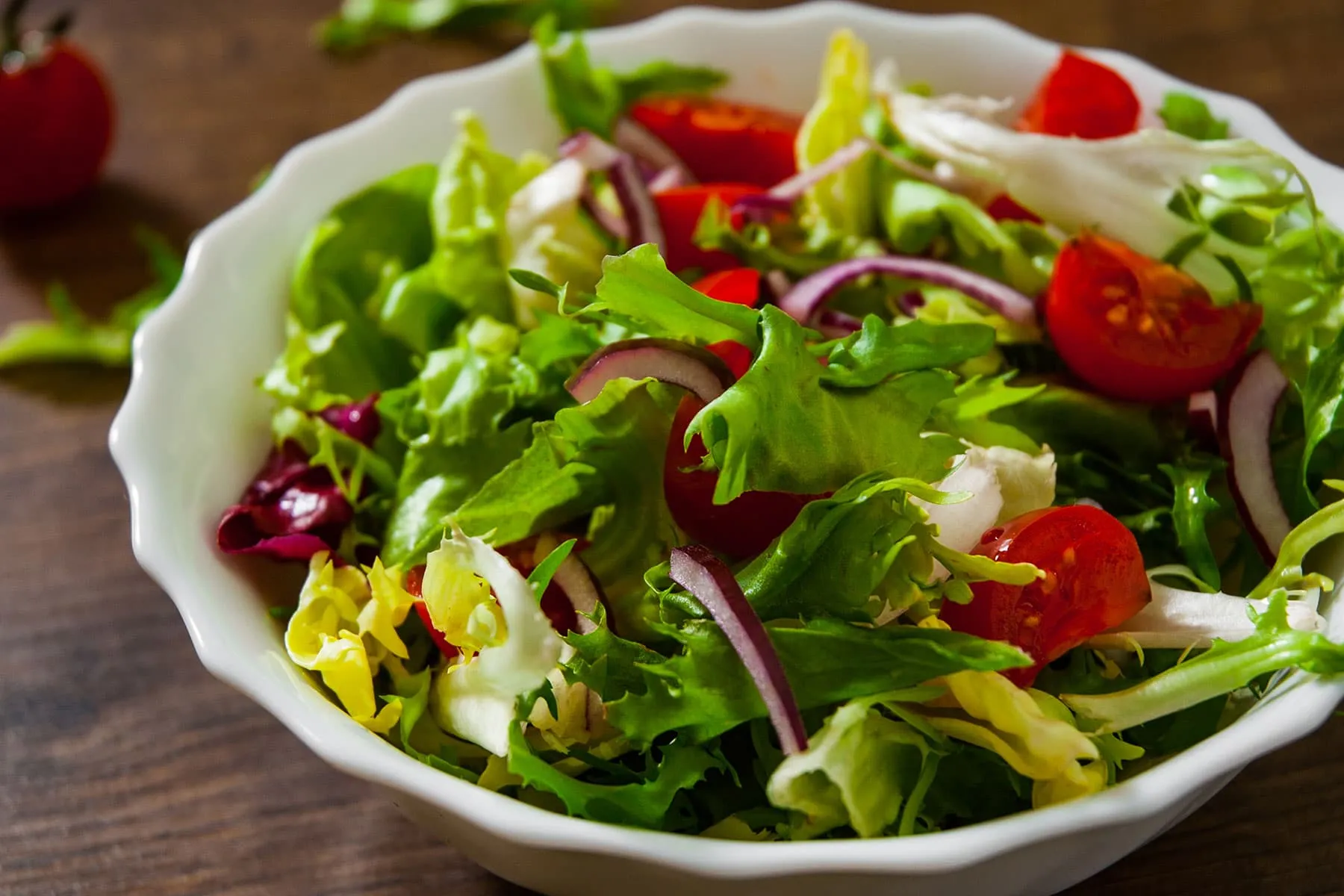
The simplest target is to make plants the main event. Think vegetables at lunch and dinner, fruit at breakfast or snacks, beans in soups or salads, and whole grains instead of refined ones whenever your stomach cooperates. Johns Hopkins, MD Anderson, AICR, MSK, and the American Cancer Society all point in this direction, with Mediterranean-style eating often appearing in the research as a useful long-term pattern. Tomatoes, broccoli, leafy greens, legumes, nuts, seeds, olive oil, and fish keep showing up because they deliver fiber, vitamins, minerals, and healthier fats without the baggage of heavily processed foods.
Keep protein steady
Protein is not just for bodybuilders and gym selfies. During cancer treatment, the body may need more of it to preserve muscle and repair tissue. NCI, ACS, and Mayo Clinic suggest focusing on protein-rich foods such as eggs, yogurt, fish, chicken, beans, tofu, nut butters, and milk-based or fortified drinks when appetite is low. If large meals feel impossible, smaller protein doses spread through the day often work better than one heroic dinner that ends in regret.
Choose fats that help instead of hijack the meal
Fats are not the enemy, but the type of fat matters. Many experts recommend olive oil, nuts, seeds, avocados, and fatty fish over saturated and trans fats from heavy fried foods, processed snacks, and large amounts of red meat or high-fat dairy. Some prostate-cancer-specific guidance also suggests keeping processed meats, charred meats, and excess saturated fat low. In practical terms, that means the occasional burger is not a moral failure; it just should not be the daily template.
Foods to favor more often
A strong plate for advanced prostate cancer usually includes colorful vegetables, berries, whole fruit, beans, lentils, oats, brown rice, whole-grain bread, nuts, seeds, olive oil, and omega-3-rich fish such as salmon or sardines. Research summaries from AICR, PCF, Johns Hopkins, MD Anderson, and UCLA repeatedly describe these patterns as useful for overall health, weight control, and possibly better prostate-cancer outcomes. Tomatoes deserve a special mention because cooked tomato products are a rich source of lycopene, which has been studied for prostate health.
Soy foods can also fit into the plan in moderation. Tofu, edamame, soy milk, and tempeh are useful because they bring protein without the same saturated-fat load as many animal-heavy meals. Flaxseed and other plant foods show up in some studies and reviews as interesting, but they should be treated as food, not as a casino chip for cancer control. Food is strategy; supplements are a different conversation.
Foods to limit
Processed meats, charred meats, red meat-heavy patterns, sugary drinks, and highly refined snacks deserve less real estate on the plate. The American Cancer Society and several cancer centers advise limiting red and processed meats, sugar-sweetened beverages, and highly processed foods, while PCF and UCLA note that high red-meat intake and Western-style dietary patterns are not great neighbors for long-term prostate-cancer health. Again, the point is not panic; it is frequency. A little less of the stuff that crowds out nutrition can go a long way.
Calcium deserves nuance. Some prostate cancer guidance notes that high calcium intake, especially from supplements or very large dietary amounts, has been associated in some studies with advanced disease risk or recurrence, but the evidence is not fully settled. That means no one should dramatically cut dairy without medical advice, especially if bone health is already a concern. This is a “talk to your oncology team” issue, not a “rip the yogurt out of the fridge tonight” issue.
Diet tips for common treatment side effects
When appetite disappears
Loss of appetite is common, especially during active treatment. NCI and Mayo Clinic recommend small, frequent meals; calorie-dense snacks; protein first when appetite is strongest; and easy options like yogurt, nut butters, smoothies, soups, and fortified drinks. Some patients do better with breakfast foods at dinner or “mini meals” every few hours. The best meal is the one that actually gets eaten.
When nausea or taste changes take over
If food smells weird, tastes metallic, or feels too heavy, go simpler. Mayo Clinic suggests foods that are bland, easy to digest, and not too greasy when nausea flares. Crackers, toast, rice, potatoes, bananas, applesauce, broth, oatmeal, pudding, eggs, and mild smoothies are often easier than spicy or heavily fried dishes. Cold foods may also smell less intense than hot ones, which is useful when the kitchen suddenly becomes the enemy.
When the bowel gets grumpy
Radiation and some drugs can cause constipation or diarrhea. The fix is not one-size-fits-all. If constipation is the problem, fluids, prunes, fruit, oats, beans, and movement can help if your doctor says it is safe. If diarrhea is the problem, temporary low-fiber, bland foods may be better, with a gradual return to fiber once things settle. Hydration matters more than people think; dehydration can make fatigue and constipation feel twice as nasty.
When bones need support
Advanced prostate cancer and hormone therapy can raise bone-health concerns, so food choices should support calcium, vitamin D, protein, and weight-bearing exercise as advised by the care team. The goal is not to guess your way through bone health with random supplements. The goal is to use food sensibly, check labs when needed, and coordinate with oncology, especially if treatment is affecting strength or fracture risk.
A simple one-day menu
Breakfast: oatmeal with berries, ground flaxseed, and yogurt or soy milk. Lunch: lentil soup, whole-grain toast, and a side salad with olive oil. Snack: banana with peanut butter or a smoothie. Dinner: baked salmon or tofu, brown rice, and roasted broccoli or tomatoes. Evening option: fruit, crackers, or a protein shake if appetite is low. This style of eating aligns with what NCI, ACS, PCF, MD Anderson, and MSK describe as a practical, nourishing pattern during cancer care.
Supplements, miracle diets, and other shiny distractions
It is tempting to hunt for a supplement that promises to “starve” prostate cancer or reverse advanced disease. The evidence does not support that fantasy. NCI and MSK caution that dietary supplements can be risky, unnecessary, or misleading, and some can interfere with treatment. Even folic acid supplements are not something to self-prescribe just because a label looks healthy and the bottle has a leaf on it. If a supplement matters, it should be discussed with the oncology team first.
What patients and caregivers often learn in real life
In the real world, people do not eat from perfect nutrition textbooks. They eat between appointments, around side effects, and with a brain that is already busy thinking about PSA numbers, scans, and whether that new ache is “nothing” or “the thing.” The best diet plan is usually the one that makes dinner simpler, not more dramatic. Many patients discover that a good lunch matters more than a perfect dinner, and that eating something every three to four hours can be more effective than waiting for a full appetite to magically return.
Caregivers often become detectives. They notice that one week soup works, then the next week soup smells offensive and toast is the hero. They learn to keep a few “always okay” foods around: yogurt, bananas, peanut butter, oatmeal, crackers, frozen fruit, broth, eggs, and canned beans. That stash is not boring; it is tactical. It keeps calories and protein coming in when the patient is too tired to negotiate with the fridge. A smooth diet during advanced cancer is less about gourmet cooking and more about reliability.
Another lesson is that portion size matters more than willpower guilt. Some people can still eat three square meals a day. Others do better with six snacks and two modest meals. That is not failure; that is adaptation. Advanced prostate cancer treatment can change hunger signals, digestion, and taste, so insisting on a “normal” eating pattern can backfire. If food tastes bland, adding herbs, lemon, vinegar, garlic, or different textures can help. If smells bother you, cold foods may work better. If eating is exhausting, smoothies and nutrient-dense liquids can be easier than a plate-and-fork production.
People also learn that body weight is not the only scorecard. A patient can have an “okay” weight and still be losing muscle, energy, and stamina. That is why protein, physical activity as tolerated, and regular check-ins matter. Healthier lifestyle patterns have been linked with longer survival and better cardiovascular outcomes in men with prostate cancer, which is especially important because cancer care is often a marathon, not a sprint. The diet has to support life outside the cancer center, not just the next scan.
At the emotional level, food can also restore a bit of normal life. A patient who cannot control the cancer may still control the breakfast bowl. A caregiver who cannot erase fear may still make a tolerable smoothie. That matters. Small, repeatable wins are not trivial in advanced cancer care; they help people feel less like passengers and more like participants. Even a simple meal can become a daily vote for strength, comfort, and dignity. That is not marketing language. It is the lived reality of treatment days that are too long and appetites that are too unpredictable.
The final real-life lesson is to ask for help early. Oncology dietitians can tailor food advice to weight loss, constipation, diarrhea, mouth sores, kidney issues, diabetes, or bone loss. That kind of personalization is worth more than a random internet “detox” list. The moment a patient starts skipping meals, losing weight, or struggling with side effects, the nutrition plan should change too. In advanced prostate cancer, the best diet is the one that fits the treatment plan, the symptoms, and the person actually living through them.
Conclusion
For advanced prostate cancer, the smartest diet tips are also the most durable ones: eat more plants, protect protein intake, choose healthier fats, keep highly processed foods in check, and adapt quickly to treatment side effects. Food will not replace oncology care, but it can help people stay stronger, recover better, and navigate treatment with a little more control and a lot less misery.
When in doubt, the most useful question is not “What diet is perfect?” It is “What can this person actually eat today that supports strength, comfort, and treatment?” That answer changes from week to week, and that is exactly why nutrition should stay flexible, practical, and personal.
Note: Any major diet change, supplement, or fasting plan should be reviewed with the oncology team or a registered oncology dietitian, especially during active treatment.