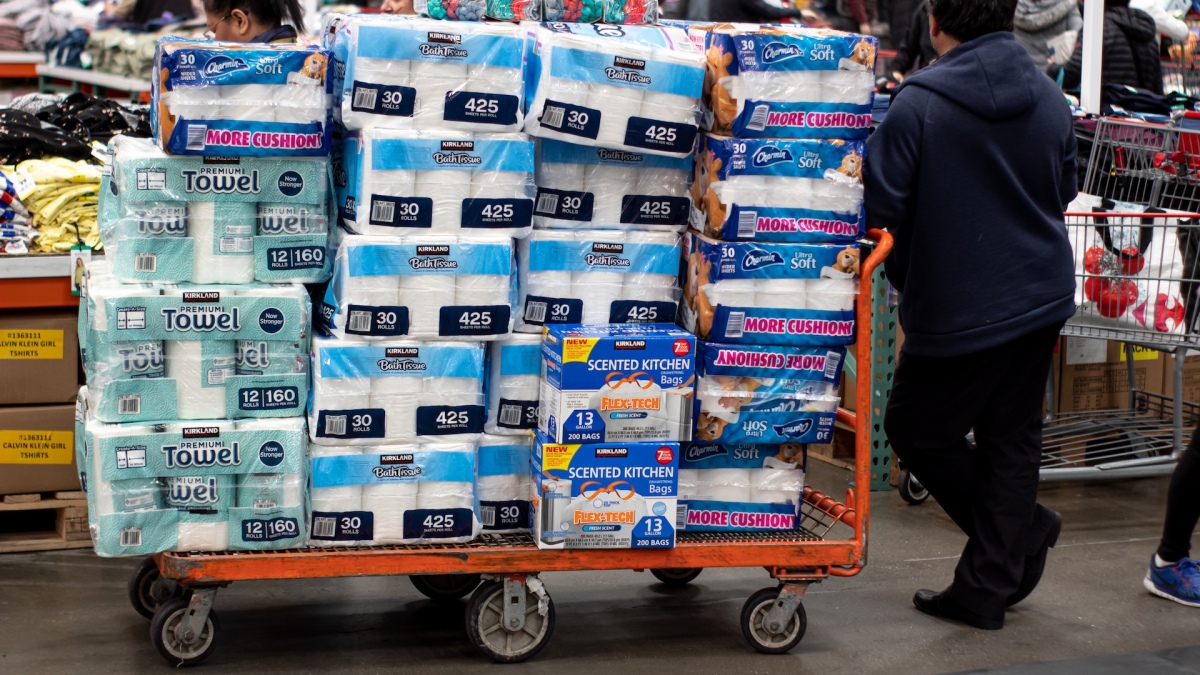
Note: In this article, “hoard” means “buy strategically before prices rise,” not “clear the shelves like you are preparing to open a basement Costco.” Smart stockpiling is about saving money, avoiding waste, and protecting your household budget from tariff-driven price increases.
Why Tariffs Can Make Everyday Stuff More Expensive
Tariffs sound like something discussed by serious people in suits while a chart gently ruins everyone’s afternoon. But for shoppers, the translation is simple: when imported goods cost more to bring into the United States, those extra costs often show up in the price of phones, furniture, shoes, appliances, cookware, auto parts, and even some grocery items.
A tariff is a tax on imported goods. Companies technically pay it when goods enter the country, but businesses rarely treat that cost like a surprise gift they are thrilled to absorb. Some negotiate with suppliers. Some change factories. Some trim profit margins. And many raise prices. That is why tariff price increases can feel slow at first, then suddenly appear everywhere: the laptop you were “thinking about” buying costs more, the couch has a mysterious new price tag, and the sneakers that used to be a casual purchase now require a motivational speech.
The best response is not panic buying. Panic buying creates clutter, waste, and the deeply humbling experience of owning 47 phone chargers but no clean socks. Instead, the goal is to identify products that are imported, durable, useful, and likely to become more expensive. Then you buy what you already planned to buy, a little earlier and a little smarter.
The Smart Hoarding Rule: Buy Need, Not Fear
Before you stock up, ask three questions: Will I definitely use this? Does it store well? Is the likely price increase bigger than the cost of buying early? If the answer is yes, it may belong on your tariff stock-up list. If the answer is “maybe I will someday need a karaoke fog machine,” congratulations, you have found a want wearing a fake mustache.
Tariff-sensitive goods usually share a few traits. They rely heavily on imported materials or overseas assembly. They are expensive enough that a 10% to 20% increase hurts. They are not perishable. And they are difficult to substitute quickly with a domestic alternative. That is why laptops, appliances, furniture, tires, tools, clothes, shoes, and baby gear rank higher than bananas, novelty mugs, or that third air fryer you keep flirting with online.
1. Electronics: Laptops, Tablets, Phones, TVs, and Gaming Gear
If your laptop is wheezing like it just climbed a mountain, do not wait until prices jump to hold a dramatic goodbye ceremony. Consumer electronics are among the most tariff-sensitive categories because many devices depend on international supply chains for chips, screens, batteries, circuit boards, chargers, and final assembly.
What to buy before prices rise
Prioritize laptops, tablets, smartphones, monitors, TVs, printers, routers, external hard drives, computer accessories, and gaming consoles. If you run a home office, freelance business, school setup, or content workflow, this is not just shopping; it is infrastructure. A reliable laptop bought at today’s sale price may be cheaper than waiting for “next month” and discovering next month has developed expensive hobbies.
Also consider smaller accessories you know you will need: USB-C cables, backup chargers, power banks, mouse-and-keyboard sets, printer ink, screen protectors, and replacement batteries where appropriate. These items are easy to store and often annoying to buy at full price during an emergency.
What not to hoard
Do not stockpile trendy gadgets with short life cycles. A smart speaker that becomes obsolete, a random off-brand tablet, or a gaming accessory for a console you do not own is not a hedge against tariffs. It is clutter with Bluetooth.
2. Major Appliances and Small Kitchen Appliances
Appliances are classic “buy before the increase” items because they are expensive, bulky, and often rely on imported components. Refrigerators, dishwashers, washers, dryers, microwaves, ranges, and air conditioners can all be affected by higher import costs, metal prices, parts shortages, and shipping changes.
If your refrigerator is making a sound like a haunted lawn mower, start comparing models now. Waiting until it dies means you will shop under pressure, pay for rush delivery, and possibly accept whatever model is available. That is how people end up with a fridge that has seventeen smart features but somehow cannot fit a pizza box.
Best appliance stock-up moves
Buy replacement water filters, vacuum bags, range hood filters, refrigerator filters, dishwasher cleaner, and spare parts for appliances you already own. These smaller items are practical, easy to store, and less risky than buying a major appliance you do not need.
For small appliances, focus on items you use weekly: coffee makers, blenders, pressure cookers, toasters, food processors, rice cookers, electric kettles, and stand mixers. Skip “aspirational appliances” unless you have a real plan. The pasta maker will not improve your finances if it spends the next three years judging you from a cabinet.
3. Furniture, Mattresses, Rugs, and Home Goods
Home goods are especially vulnerable because furniture, textiles, lighting, rugs, storage products, and decor often depend on imported wood, metal, fabric, foam, glass, and finished goods. Even when a product is assembled in the United States, its materials may come from abroad.
If you already planned to buy a mattress, sofa, dining table, desk, dresser, nursery furniture, patio set, or area rug, it may be wise to purchase before new shipments arrive with higher landed costs. Big-ticket home goods are where a modest percentage increase becomes real money. A 10% increase on a $40 item is annoying. A 10% increase on a $1,500 sectional is a conversation with your bank account.
What to buy now
Consider practical, durable items: mattresses, bed frames, sofas, office chairs, bookshelves, dining chairs, dressers, curtains, curtain rods, blinds, rugs, lamps, storage bins, bathroom hardware, and basic bedding. Look for neutral styles and standard sizes. Trendy furniture can become dated faster than you can say “why did I buy a neon velvet mushroom ottoman?”
4. Clothing and Shoes, Especially Basics
Apparel and footwear are heavily import-dependent, which makes them prime candidates for tariff-related price increases. But this does not mean you should buy fifteen party dresses and call it economic strategy. Focus on basics you will actually wear.
Good stock-up categories include underwear, socks, school uniforms, work pants, jeans, athletic shoes, winter coats, children’s shoes, rain boots, bras, plain T-shirts, hoodies, and durable workwear. Kids’ clothing deserves special attention because children grow with the calm financial violence of a subscription service. Buying the next size during a sale can save real money.
How to avoid clothing mistakes
Buy classic colors, known sizes, and brands you already trust. Do not buy “goal size” clothing as a tariff strategy. That is not financial planning; that is emotional roulette with hangers. For shoes, prioritize athletic shoes, work shoes, school shoes, and weather-appropriate boots. Shoes are harder to substitute, wear out predictably, and can become noticeably more expensive when import costs rise.
5. Baby Gear and Children’s Essentials
Parents already know that children are adorable little budget accelerators. Tariff increases can make that worse because many child-related products are imported or contain imported parts and textiles.
Smart buys include car seats if yours is approaching expiration, strollers, high chairs, baby monitors, crib mattresses, bottles, replacement nipples, diaper bags, kids’ shoes, winter clothing, backpacks, lunch boxes, and school supplies. Diapers and wipes are not always tariff-sensitive in the same way as imported durable goods, but stocking up during sales still makes sense if you have storage space and your child will use the size.
Safety comes first
Never buy used car seats unless you know the full history and can confirm they are not expired or damaged. Do not stockpile formula unless you follow expiration dates carefully and your pediatrician-approved type is stable for your child. A bargain is not a bargain if it creates safety or health risks.
6. Auto Parts, Tires, and Maintenance Supplies
Cars are rolling collections of global supply chains. Even vehicles assembled in America may use imported parts, electronics, steel, aluminum, rubber, batteries, and sensors. Tariffs on vehicles and components can ripple into repair bills, tires, replacement parts, and accessories.
If your tires are near the end of their life, replacing them before price increases may be smart. The same goes for brake pads, windshield wipers, cabin air filters, engine air filters, spark plugs, car batteries, motor oil, coolant, and basic maintenance supplies. These are not glamorous purchases, but neither is being stranded in a parking lot while your car battery performs its final monologue.
Do not overbuy parts
Only buy parts that match your vehicle exactly and that you can store safely. Car parts are not universal, no matter how confidently the internet says “fits most.” Tires also age, so do not buy a set years before you need them. The goal is to pull necessary maintenance forward, not turn your garage into a discount auto warehouse.
7. Tools, Hardware, and DIY Supplies
Tools and hardware are worth watching because many are imported or made with imported steel, aluminum, plastics, motors, batteries, and electronics. If you are planning repairs, renovations, or seasonal projects, buying key supplies early can prevent both price shock and project delays.
Good candidates include power tools, drill bits, saw blades, screws, nails, hinges, drawer slides, locks, plumbing fixtures, electrical parts, extension cords, LED bulbs, paint tools, caulk, adhesives, fasteners, and safety gear. If you own battery-powered tools, consider buying replacement batteries from the same platform before prices rise. Tool batteries are small, expensive, and always seem to fail when you are halfway through assembling something with 143 steps and one tiny Allen wrench.
8. Pantry Staples With Import Exposure
Not all groceries are equally exposed to tariffs, and food prices move for many reasons, including weather, fuel, labor, disease, and transportation. Still, some pantry items have meaningful import exposure. Coffee, tea, cocoa, chocolate, olive oil, canned seafood, spices, rice varieties, pasta, imported sauces, vinegar, specialty condiments, and shelf-stable international foods can become more expensive when import costs rise.
Stock up only on foods your household already eats and can store properly. Buy two or three extra bags of coffee if you drink it daily. Buy extra olive oil if you cook with it constantly. Buy spices you use often, not a decorative jar of something you cannot pronounce and will meet again during a cabinet cleanout in 2031.
Watch expiration dates
Pantry hoarding can backfire because food expires, oils go rancid, spices lose flavor, and pests are rude little freeloaders. Use airtight containers, rotate older items forward, and write purchase dates on bulk goods. Saving money is excellent. Feeding pantry moths is less excellent.
9. Household Consumables and Personal Care Products
Some household staples may rise in price because of imported packaging, chemicals, fragrances, paper inputs, plastic components, or finished goods. Even domestic brands can be affected if their supply chain includes imported materials.
Consider buying extra laundry detergent, dish soap, shampoo, conditioner, toothpaste, razors, deodorant, toilet paper, paper towels, trash bags, cleaning sprays, sponges, batteries, light bulbs, and basic first-aid supplies when they are on sale. These items are useful, predictable, and easy to rotate.
But do not overdo it. A year’s supply of shampoo sounds practical until you realize your bathroom closet now looks like a hotel supply raid. Aim for a three- to six-month cushion for products you use constantly.
10. Pet Supplies
Pet owners should also pay attention. Pet beds, crates, leashes, collars, grooming tools, aquarium equipment, cat trees, litter accessories, toys, and some specialty foods may be exposed to tariff-related cost increases. If your dog destroys toys at the speed of a tiny wood chipper, buying durable replacements during sales can help.
For food and medicine, be careful. Do not switch your pet’s diet just because something is cheap. Do not stockpile prescription items without veterinary guidance. But if your pet uses the same litter, waste bags, grooming supplies, filters, or treats every month, buying ahead can be sensible.
What You Should Not Hoard
Some products are bad candidates for tariff stockpiling. Avoid buying perishable food in quantities you cannot use, trendy fashion, untested electronics, furniture that does not fit your space, tools for projects you may never start, and anything you need to finance with high-interest debt.
Also avoid buying just because a retailer uses scary language. “Prices may never be this low again” is a marketing sentence, not a prophecy. Compare prices, check historical sale patterns, and remember that a discount on something unnecessary is still an expense. The cheapest kayak is not cheap if you live in a studio apartment and fear water.
How to Build a Tariff-Proof Shopping Plan
Step 1: List upcoming purchases
Write down what you already expected to buy in the next 12 months: laptop, tires, school clothes, mattress, refrigerator, work shoes, phone, desk, cookware, or baby gear. These are your top candidates.
Step 2: Sort by urgency and exposure
Move imported, durable, expensive, and necessary goods to the top. A laptop for work matters more than decorative pillows. Tires matter more than a novelty waffle maker shaped like a dinosaur, although respect to the dinosaur waffle community.
Step 3: Track prices for two weeks
Use price trackers, store apps, browser alerts, and weekly circulars. Compare warehouse clubs, local retailers, manufacturer websites, and refurbished options. For electronics, check open-box deals from reputable sellers. For appliances and furniture, ask about floor models, delivery fees, and price matching.
Step 4: Buy in layers
Do not drain your emergency fund to beat a possible price increase. Start with items you will definitely use and can afford now. A smart stockpile should reduce stress, not create a new financial circus with monthly payments.
Real-World Experiences: How Smart Shoppers Prepare Without Going Full Doomsday
The most useful tariff stock-up strategy is boring in the best possible way. Imagine a family that knows their washer is 12 years old, their child will need school shoes by August, and their laptop battery now lasts about as long as a sneeze. Instead of waiting for everything to break at once, they move those purchases into a planned buying window. They compare models, stack coupons, use a holiday sale, and buy only what was already on the household roadmap. No panic, no drama, no bunker full of cereal.
One practical experience many shoppers share is that early buying works best for “known replacements.” For example, if you have worn the same running shoe model for years, buying the next pair during a sale is low risk. You know the size, the fit, and the use case. The same logic applies to printer ink, refrigerator filters, air filters, pet supplies, work gloves, socks, school uniforms, and basic jeans. These are not fantasy purchases. They are future expenses you are pulling forward before the price tag gets ideas.
Another common lesson is that big-ticket items deserve more research, not more speed. A household shopping for a refrigerator might save money by buying before new tariff-adjusted inventory arrives, but only if the model fits the kitchen, has reliable reviews, and comes with reasonable delivery and haul-away terms. The wrong appliance bought quickly can become a very expensive monument to impatience. Measure twice, buy once, and make sure the door can actually open without fighting the island.
Small businesses and remote workers often feel tariff price increases quickly because technology is not optional for them. A freelancer who depends on a laptop, monitor, router, backup drive, and phone cannot simply shrug when electronics jump in price. Buying a needed device before a price increase can protect productivity. The key is to avoid upgrading for vanity. If your current laptop runs perfectly, you may not need a new one. If it crashes during video calls and sounds like a leaf blower, that is different. The laptop is not asking for retirement; it is filing paperwork.
Parents often benefit from a size-ahead strategy. Buying children’s coats, shoes, backpacks, lunch boxes, and basics one season ahead can help smooth the budget. The trick is to keep receipts, avoid overbuying, and remember that children sometimes skip sizes like tiny chaotic rockets. Buy flexible categories first: socks, underwear, jackets with room, school supplies, and shoes only when sizing is predictable.
For pantry goods, the best experience-based rule is “buy more of what disappears.” If coffee, rice, pasta, olive oil, canned tuna, or tea gets used every week, a modest backup makes sense. If something has been sitting unopened since the last time you felt inspired by a cooking show, do not buy six more. Your pantry is not a museum of abandoned ambitions.
The smartest shoppers also create a “replacement shelf” rather than a hoard. One shelf for filters, batteries, detergent, soap, razors, light bulbs, and pet waste bags is manageable. A whole room of supplies is usually a sign that fear, not math, is driving the cart. Label items, rotate them, and stop buying when the shelf is full. Physical space has value too.
Finally, the best experience is emotional: having essentials on hand reduces the number of expensive emergency purchases. When prices rise, the prepared household can wait for sales, use backups, and avoid buying under pressure. That is the real win. Tariff-proofing your budget is not about predicting every policy change. It is about being less vulnerable when the shelf price starts acting dramatic.
Conclusion: Hoard Like a Strategist, Not a Squirrel With Wi-Fi
Tariff price increases do not hit every product at the same time or with the same force. The smartest items to buy before prices rise are the ones you already need, can store safely, and would be painful to replace later at a higher price. Electronics, appliances, furniture, clothing basics, shoes, baby gear, auto parts, tools, pantry staples, household supplies, and pet essentials all deserve a spot on your watch list.
The wrong approach is panic buying. The right approach is planned buying. Review your next 12 months of purchases, identify import-heavy categories, watch prices, buy during real sales, and keep your emergency fund intact. A good stockpile should make your life calmer, not turn your closet into a warehouse with emotional issues.
In short: buy what you need before it gets more expensive, skip what you only want because the internet yelled “tariffs,” and remember that the best bargain is still the one you actually use.