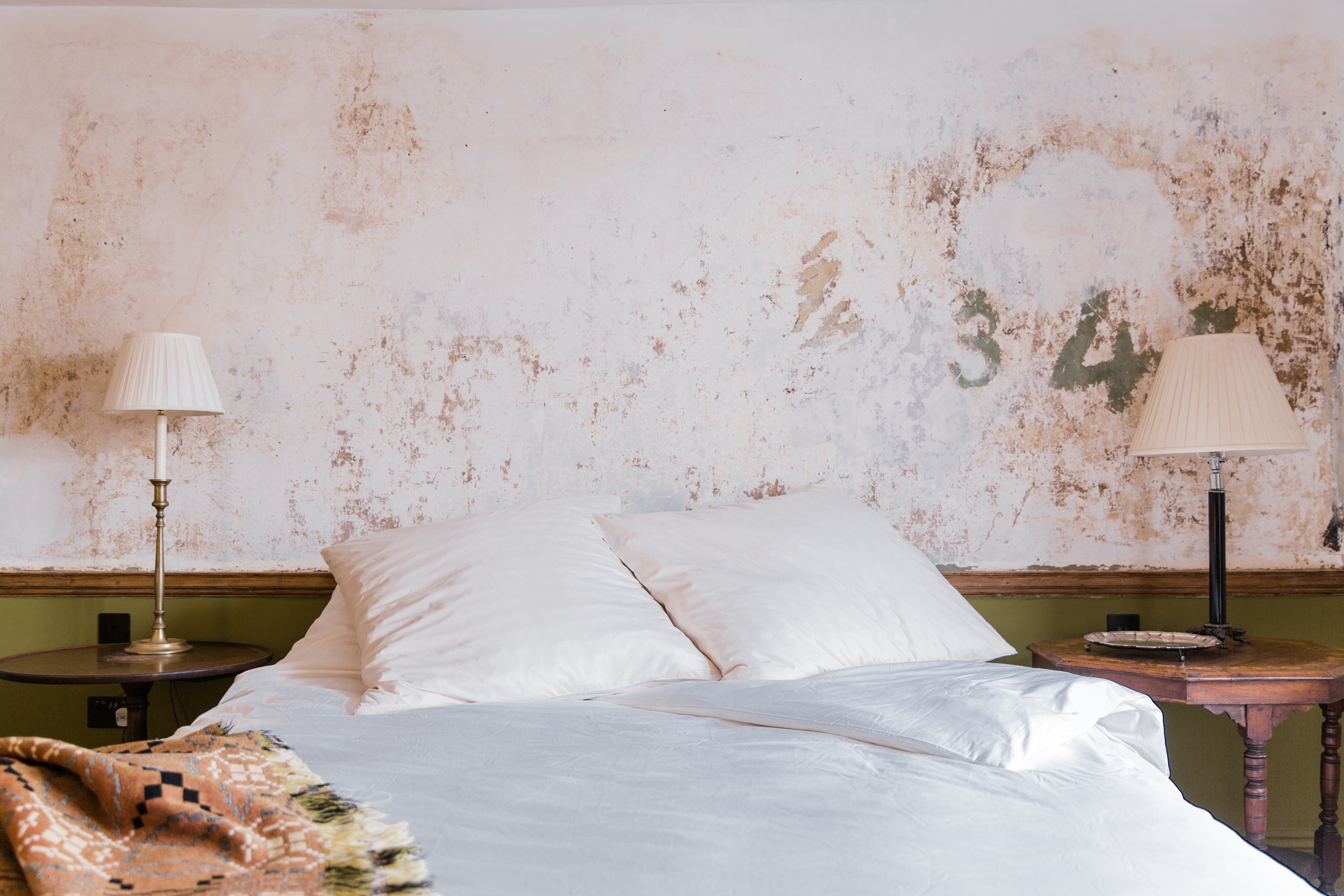
There was a time when “staying in” sounded like a backup plan. Now? It is the plan. The great indoors has become less of a compromise and more of a lifestyle: part sanctuary, part hobby studio, part wellness retreat, part snack-based headquarters. And honestly, the couch has never looked more employable.
Today’s indoor living trend is not just about decorating a room so it photographs well. It is about creating a home that supports real life: working, resting, hosting, cooking, reading, exercising, making things, recovering from the world, and occasionally staring at a houseplant like it owes you rent. Across interior design, wellness, real estate, and lifestyle culture, the same idea keeps showing up: people want homes that feel warmer, more personal, more functional, and more emotionally useful.
The phrase “Current Obsessions: The Great Indoors” captures a bigger mood. We are obsessed with rooms that comfort us, objects that tell stories, corners that invite us to slow down, and design choices that make ordinary days feel slightly more cinematic. The great indoors is not about hiding from the outside world. It is about making the inside world worth coming home to.
Why the Great Indoors Is Having a Moment
The rise of the great indoors makes perfect sense when you look at how people actually live. Americans spend a huge portion of their time inside, which means the quality of indoor spaces affects mood, health, productivity, sleep, and even relationships. A home is no longer just a place to store shoes and argue with Wi-Fi routers. It is a daily environment that can either drain you or restore you.
Design trends for 2026 point strongly toward comfort, character, and wellness. Minimal, cold, showroom-style rooms are losing ground to interiors that feel layered, warm, and lived-in. Think earth tones instead of sterile gray, curved furniture instead of hard edges, textured walls instead of flat blankness, and personal collections instead of one-size-fits-all decor. The new luxury is not necessarily marble everything. It is a room that lowers your shoulders the second you walk in.
This shift is also practical. More people want flexible rooms that do more than one job. A guest bedroom may double as a reading room. A dining table may serve as a work desk, craft zone, and Friday-night board game arena. A bathroom may become a small spa. A kitchen may be both a cooking space and the emotional center of the home. The great indoors rewards creativity because every square foot is asked to be useful, beautiful, and not aggressively annoying.
The New Indoor Mood: Cozy, Personal, and Slightly Theatrical
The strongest current obsession in home design is personality. For years, many interiors looked like they had been gently frightened into beige submission. Now, color and character are returning. Color drenching, for example, has become a major home trend because it turns a room into an immersive experience. Instead of painting one accent wall and calling it a personality, homeowners are wrapping walls, ceilings, trim, and sometimes furniture in a single strong shade.
Deep greens, clay tones, chocolate browns, smoky blues, rust, mushroom, and warm taupes are especially popular because they feel grounded. These colors do not scream for attention; they hum in the background like a very stylish bass line. They also pair well with natural materials such as wood, stone, linen, rattan, wool, and terracotta.
Another obsession: curves. Arched doorways, rounded kitchen islands, scalloped tile, circular mirrors, soft sofas, and sculptural lamps are all part of a wider move away from sharp, boxy spaces. Curves make rooms feel gentler and more human. They say, “Come sit down,” rather than, “Please do not touch the furniture; it has a graduate degree in minimalism.”
Biophilic Design: Bringing Nature Inside Without Inviting Mosquitoes
One of the most important great indoors trends is biophilic design, which means designing spaces that connect people with nature. This can be as simple as adding plants and natural light or as ambitious as installing living walls, indoor herb gardens, water features, organic textures, and nature-inspired color palettes.
Houseplants remain central to the indoor obsession because they offer instant visual softness. A snake plant in a corner, a pothos trailing from a shelf, or a fiddle-leaf fig dramatically existing near a window can change the emotional temperature of a room. Plants make interiors feel alive. They also create rituals: watering, pruning, rotating pots, checking leaves, and pretending you are not emotionally attached to a fern.
Biophilic interiors are not only about greenery. They also include daylight, airflow, natural fibers, wood grain, stone surfaces, botanical patterns, earthy scents, and tactile finishes. A room can feel nature-connected without resembling a greenhouse. Try linen curtains that move with the breeze, a wooden coffee table with visible grain, a jute rug underfoot, warm-toned lighting in the evening, and a few hardy plants that do not demand the personality of a full-time gardener.
Indoor Wellness Is No Longer a Luxury Add-On
The great indoors also reflects a growing awareness that homes should support health. Indoor air quality, ventilation, natural light, noise control, and materials matter. A beautiful room is wonderful, but a beautiful room with stale air, harsh lighting, and a chair designed by someone who hates spines is not exactly wellness.
Start with air. Good indoor living means reducing pollutants where possible, improving ventilation, using exhaust fans while cooking, choosing low-VOC paints and finishes, cleaning filters, and considering air purifiers when needed. This is not glamorous in the usual design-magazine sense, but breathing comfortably is a pretty solid lifestyle upgrade.
Lighting is another major part of indoor wellness. During the day, natural light helps rooms feel energetic and open. In the evening, warmer, softer lighting tells the body it is time to relax. Layered lighting works best: overhead lighting for general use, task lighting for reading or cooking, and ambient lighting from table lamps, sconces, or lantern-style fixtures. One ceiling light glaring down like a supermarket interrogation lamp is not a mood. It is a warning.
The Rise of the Indoor Hobby Room
One of the most charming parts of the great indoors trend is the comeback of hobbies. Not “side hustles.” Not “content.” Hobbies. Activities done for pleasure, curiosity, calm, or the deeply human satisfaction of making something slightly crooked with your own hands.
Creative activities, reading, puzzles, music, cooking, sewing, painting, journaling, indoor gardening, model building, gaming, and board games are all finding their way into home design. This is why we are seeing more reading nooks, craft corners, music rooms, libraries, game tables, and analog entertainment spaces. People are tired of every spare minute becoming screen time. The great indoors invites slower entertainment: a deck of cards, a stack of books, a half-finished watercolor, a sourdough starter with main-character energy.
You do not need an entire room to create a hobby zone. A rolling cart can hold art supplies. A small cabinet can store puzzles and games. A comfortable chair, lamp, and side table can become a reading nook. A kitchen windowsill can become an herb garden. The key is visibility and ease. If your hobby supplies are buried in a closet behind holiday decorations and an emotionally suspicious vacuum cleaner, you will probably not use them.
Texture Is the Quiet Star of Indoor Design
Texture is what makes a room feel finished. It is the difference between “nice” and “I want to cancel plans and stay here forever.” Current indoor design is leaning heavily into tactile materials: limewash walls, plaster finishes, boucle chairs, nubby rugs, woven baskets, aged wood, honed stone, linen bedding, ceramic lamps, and quilted throws.
Layering texture makes a home feel collected rather than decorated in one frantic weekend. A smooth leather chair next to a wool throw, a stone bowl on a wooden table, a soft rug under a metal floor lamp, or cotton curtains beside a plaster wall all create contrast. The room becomes more interesting because your eyes and hands have different things to notice.
This is especially important in neutral rooms. If you love beige, cream, taupe, and white, texture keeps the space from looking like a bowl of unseasoned oatmeal. Mix matte, glossy, rough, soft, woven, polished, and handmade surfaces. Suddenly, a quiet palette has depth.
Small Spaces, Big Indoor Energy
The great indoors is not reserved for large houses. In fact, small spaces often benefit most from intentional design. A studio apartment, small bedroom, or compact living room can become deeply satisfying when every item earns its place.
Start with zones. Even in one room, you can create separate areas for sleeping, working, relaxing, and eating. Rugs, lighting, shelves, folding screens, curtains, and furniture placement can visually divide space without building walls. A narrow desk behind a sofa can become a work zone. A corner chair with a lamp becomes a reading area. A wall shelf becomes a mini bar, plant ledge, or display for favorite objects.
Storage matters, but it should not make your home feel like a warehouse pretending to be a person. Choose storage that looks good: woven baskets, wood cabinets, under-bed drawers, wall hooks, ottomans with hidden compartments, and trays that corral small objects. The goal is not perfection. The goal is being able to find your charger without launching an archaeological dig.
Kitchen Comfort: The Indoor Heartbeat
The kitchen remains one of the most important rooms in the great indoors movement. Current kitchen trends favor warmth, function, and connection. Rich wood cabinets, bold backsplashes, mixed materials, soft lighting, hidden storage, and smarter layouts are replacing cold, overly polished kitchens that look afraid of toast crumbs.
People want kitchens that can handle real life: weekday breakfasts, meal prep, late-night tea, homework, casual hosting, and the occasional dramatic opening of the refrigerator while hoping inspiration appears. A great indoor kitchen does not have to be huge. It needs good flow, useful storage, comfortable lighting, and surfaces that can survive both cooking and conversation.
Open shelving, when used carefully, can display beautiful everyday items: ceramic bowls, glassware, cookbooks, spices, or plants. But open shelving should not become a stage for objects you never use. The best kitchens feel alive because they support habits, not because every jar has been forced into alphabetical obedience.
The Bathroom Becomes a Retreat
Bathrooms are also getting more attention. Once treated as purely functional, they are now becoming small indoor retreats. Spa-inspired bathrooms are popular, but the trend is broader than white towels and eucalyptus. Some homeowners are choosing dramatic wallpaper, moody paint, vintage mirrors, sculptural lighting, warm stone, colorful tile, and personal art.
This makes sense. A bathroom is one of the few places where people can reasonably request privacy without forming a committee. Good lighting, soft textiles, organized storage, pleasant scent, and warm materials can make daily routines feel less rushed. Even small upgrades help: a better bath mat, a dimmable lamp, matching containers, a wooden stool, a plant that enjoys humidity, or a shower curtain that does not look like it gave up in 2013.
How to Create Your Own Great Indoors
Creating a better indoor life does not require a full renovation. Begin with how you want to feel at home. Calm? Energized? Creative? Cozy? Social? Rested? Your answer should guide your choices more than any trend list.
1. Build a Comfort Corner
Choose one spot and make it irresistible. Add a comfortable chair, a lamp, a small table, a soft throw, and something personal: a book stack, plant, candle, sketchbook, or speaker. This becomes your indoor reset button.
2. Improve the Light
Replace harsh bulbs with warmer options in living spaces and bedrooms. Add table lamps and floor lamps. Use task lighting where you read, cook, or work. Good lighting is one of the fastest ways to make a home feel more expensive and less like a dentist’s waiting room.
3. Add One Natural Element
Bring in a plant, wooden tray, linen curtain, stone bowl, wool blanket, or terracotta pot. Natural materials age well and help soften modern interiors.
4. Make Hobbies Easier to Start
Keep your favorite indoor activity visible and accessible. Put puzzles in a basket, yarn in a tote, books beside the chair, paints on a cart, or herbs near the kitchen window. Convenience is the secret engine of good habits.
5. Edit Without Sterilizing
Decluttering does not mean erasing personality. Keep the objects that tell your story, serve your routines, or make you smile. Remove the things that only create guilt, dust, or mysterious emotional static.
Experiences: Living With the Great Indoors
The best way to understand the great indoors is to experience it slowly. It is not a single shopping trip or a dramatic weekend makeover. It is a series of small decisions that gradually make home feel more like a supportive companion and less like a storage unit with plumbing.
One of the most satisfying indoor experiences is the rediscovery of morning rituals. A well-placed chair near a window can turn coffee into a ceremony. Add a small table, a plant, and a book you are actually excited to read, and suddenly ten quiet minutes feel like a luxury vacation with no airport security. The space does not have to be perfect. In fact, perfection can ruin it. A blanket slightly rumpled over the arm of the chair and a mug on the table make the room feel used in the best way.
Another great indoor pleasure is cooking with intention. Not every meal needs to be a culinary masterpiece. Sometimes the win is chopping herbs from a windowsill pot, simmering soup while music plays, or baking something simple just because the house will smell better afterward. The kitchen becomes more than a task zone; it becomes a place where time slows down. Even washing dishes feels less offensive when the lighting is soft and the counter is not buried under mail, keys, and one battery nobody can identify.
Indoor hobbies also change the feeling of a home. A puzzle on the dining table invites people to pause and participate. A sketchbook left beside the sofa makes creativity feel casual instead of intimidating. A stack of board games turns a quiet evening into a social one. These small invitations matter. They remind us that leisure does not always need a screen, a reservation, or a purchase confirmation email.
Plants bring their own kind of companionship. Caring for indoor greenery teaches patience, observation, and humility. One week you feel like a botanical genius; the next week a basil plant collapses like it has read bad news. Still, the ritual is grounding. Watering plants, wiping leaves, moving pots toward better light, and noticing new growth can make home feel alive in a way that furniture alone cannot.
The great indoors is also about emotional weather. Some days call for bright music, open curtains, and an ambitious cleaning session. Other days require dim lamps, a soft blanket, soup, and absolutely no heroic productivity. A well-designed home allows both. It gives you places to gather and places to retreat. It supports energy and rest. It makes space for beauty, mess, focus, play, and recovery.
Ultimately, the great indoors is not about becoming a person who owns the perfect sofa or knows the correct pronunciation of “boucle.” It is about paying attention. What corner do you avoid? What room makes you feel best? Where do you naturally want to sit? What object do you touch every day? What would make your evening easier, your morning calmer, or your weekend more enjoyable? Answer those questions, and your home begins to design itself around your real life.
Conclusion: The Great Indoors Is a Lifestyle, Not a Lock-In
Current obsessions with the great indoors reveal something simple but powerful: people want homes that feel good to live in. Not just impressive. Not just organized. Not just trendy. Good. The modern indoor lifestyle blends comfort, wellness, creativity, nature, personality, and function. It values a reading nook as much as a statement sofa, clean air as much as paint color, and meaningful objects as much as polished finishes.
The great indoors does not ask you to reject the outside world. It asks you to build an inside world that helps you return to yourself. Whether that means a plant-filled apartment, a cozy family kitchen, a moody color-drenched bedroom, a hobby corner, or a bathroom that feels like a tiny private spa, the goal is the same: make home a place that supports the life you actually want to live.
And if that life includes staying in on a Friday night with soup, slippers, a good lamp, and a dramatic little side table shaped like fruit? Congratulations. You are not boring. You are simply ahead of the curve.