Note: This article is for general health education only and is not a substitute for medical advice. People with COPD should ask their healthcare provider about vaccines, medications, oxygen use, and COVID-19 treatment options that fit their personal health history.
COVID-19 is no longer the mysterious new houseguest that arrived in 2020 and refused to leave. But for people living with chronic obstructive pulmonary disease, or COPD, the virus still deserves respect. Not panic. Not doom-scrolling at 2 a.m. Respect. COPD already makes breathing harder by narrowing airways, damaging air sacs, increasing mucus, or reducing the lungs’ ability to move air efficiently. COVID-19, meanwhile, is a respiratory infection that can inflame the lungs, worsen shortness of breath, and trigger complications such as pneumonia. Put the two together, and the lungs may feel like they have been asked to run a marathon while wearing jeans two sizes too tight.
The good news is that people with COPD are not helpless. Vaccination, early testing, good medication routines, cleaner indoor air, smart masking, and a clear action plan can sharply reduce risk. Even better, these precautions do not require living inside a bubble, unless that bubble has excellent ventilation and a recliner.
Why COVID-19 Can Be Riskier for People With COPD
COPD is an umbrella term that includes emphysema and chronic bronchitis. In emphysema, the tiny air sacs in the lungs lose elasticity and become less efficient at exchanging oxygen. In chronic bronchitis, the airways are chronically irritated and produce extra mucus. Many people have features of both. Symptoms often include ongoing cough, wheezing, chest tightness, mucus production, and shortness of breath during activity.
COVID-19 can affect the respiratory system in several ways. Some people have mild symptoms, such as sore throat, congestion, fatigue, fever, or cough. Others develop lower respiratory problems, including worsening shortness of breath, pneumonia, low oxygen levels, or severe inflammation. For a person whose lungs already have less reserve, even a “moderate” infection can feel like a major event.
COPD Reduces Breathing Reserve
Healthy lungs usually have extra capacity. If an infection causes swelling or mucus, the body can often compensate. COPD narrows that margin of safety. A person may already be working harder to breathe on a normal day, so COVID-related inflammation can quickly push symptoms into uncomfortable or dangerous territory. This is one reason people with chronic lung disease are considered at higher risk for severe COVID-19 outcomes.
COVID-19 May Trigger a COPD Flare-Up
A COPD flare-up, also called an exacerbation, happens when symptoms suddenly worsen beyond the usual day-to-day pattern. Viral infections are common triggers. COVID-19 can increase coughing, mucus, wheezing, fatigue, and breathlessness. Sometimes the challenge is figuring out whether the problem is “just COPD acting up,” COVID-19, flu, RSV, pneumonia, or a mix of several unwelcome guests at the lung party.
Other Health Conditions Can Add Risk
Many people with COPD also have other conditions, such as heart disease, diabetes, kidney disease, obesity, sleep apnea, or a history of smoking. These factors can increase the chance of hospitalization or complications. Age matters too. Older adults, especially those over 65, face higher risk from COVID-19, and COPD can make that risk more serious.
COVID-19 Symptoms That Matter Most for COPD Patients
COVID-19 symptoms can vary, but people with COPD should pay close attention to changes in breathing. A mild sore throat is annoying; sudden shortness of breath at rest is a different story. The most important clue is change: what is different from your normal COPD baseline?
Common COVID-19 symptoms include fever, chills, cough, sore throat, runny nose, congestion, fatigue, headache, muscle aches, loss of taste or smell, nausea, vomiting, or diarrhea. Respiratory symptoms may include dry cough, worsening mucus, chest tightness, wheezing, or shortness of breath.
Warning Signs That Need Urgent Help
Seek emergency medical care if there is severe trouble breathing, chest pain or pressure that does not go away, confusion, bluish lips or face, fainting, or oxygen levels lower than the range your clinician told you is safe. People who use home oxygen should follow their care plan and should not change oxygen flow settings without medical guidance unless they have been specifically instructed how to respond in an emergency.
Prevention: The COPD-Friendly COVID-19 Safety Plan
Prevention works best when it is layered. Think of it like Swiss cheese: one slice has holes, but several slices stacked together block much more. For COPD and COVID-19, the practical layers are vaccination, ventilation, masks when risk is higher, hand hygiene, avoiding sick contacts, and keeping COPD well controlled.
Stay Current on COVID-19 Vaccination
COVID-19 vaccination remains one of the most important protections against severe illness. People with COPD should discuss the current vaccine recommendation with their healthcare provider, especially if they are older, have multiple medical conditions, are immunocompromised, or have had severe respiratory infections before. Vaccines may not prevent every infection, but they help lower the risk of hospitalization, severe disease, and death.
Do Not Ignore Flu, Pneumonia, and RSV Vaccines
COVID-19 is not the only respiratory villain in town. Flu, pneumococcal pneumonia, and RSV can also cause serious problems for people with COPD. A strong prevention plan often includes annual flu vaccination, age- and risk-based pneumococcal vaccination, RSV vaccination when recommended, and staying current with COVID-19 vaccines. Your healthcare provider or pharmacist can help you figure out which vaccines are due and how to space them.
Use Masks Strategically
Masks are not a personality test. They are a tool. A well-fitting mask can be especially useful in crowded indoor spaces, public transportation, clinics, pharmacies, airports, or during local respiratory virus surges. For someone with COPD, the goal is not to wear a mask forever in every situation; the goal is to use it when the risk is higher and the air is less trustworthy.
Improve Indoor Air
Ventilation matters. Opening windows when practical, using exhaust fans, running a portable HEPA air cleaner, and avoiding smoky or poorly ventilated rooms can reduce respiratory irritants and infectious particles. Cleaner air is particularly helpful for COPD because smoke, dust, strong fragrances, and pollution can irritate the lungs even when no virus is present.
Medication Management During COVID-19 Risk Season
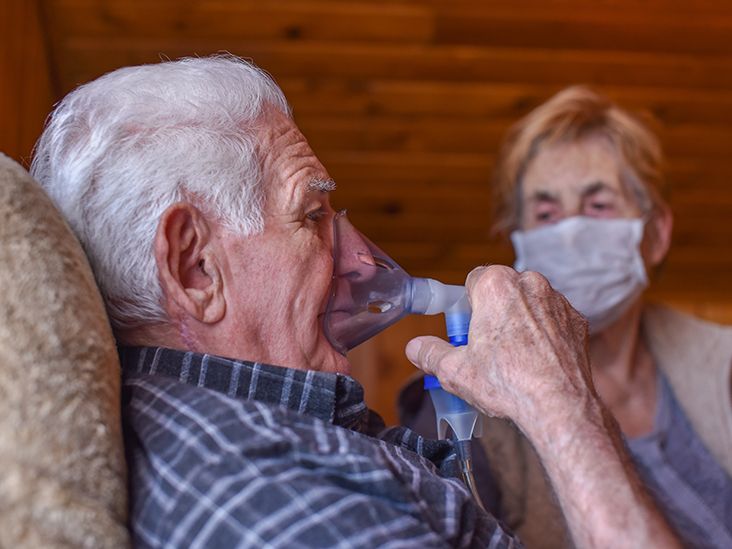
One of the biggest mistakes people make is stopping COPD medications because they feel “mostly fine.” COPD maintenance medicines are like seat belts: you do not wait until the crash to appreciate them. Inhalers, nebulized medicines, oxygen therapy, and other treatments should be used exactly as prescribed unless a clinician says otherwise.
Keep Rescue Medication Available
People with COPD should know which inhaler is for daily control and which is for quick relief. A rescue inhaler should be available, not hiding in a coat pocket from three winters ago. Check expiration dates, refill before running out, and ask your healthcare team to review inhaler technique. A good medication is less useful if most of it lands on your tongue instead of in your lungs.
Have a COPD Action Plan
A COPD action plan explains what to do when symptoms change. It may include when to increase rescue medication, when to call the doctor, when to start prescribed flare-up medicines, and when to seek urgent care. The plan should also include what oxygen level is concerning for you, because “normal” can vary depending on the person and their baseline condition.
Testing and Early Treatment: Do Not Wait Too Long
If you have COPD and develop COVID-like symptoms, testing early is important. Many COVID-19 treatments work best when started soon after symptoms begin. Antiviral medications may be recommended for people at higher risk of severe disease, but they must be prescribed based on eligibility, timing, kidney or liver function, medication interactions, and other health factors.
Call Early, Especially If You Are High Risk
Do not wait until day six of symptoms to wonder whether treatment exists. Contact your healthcare provider promptly after a positive test or after symptoms begin, especially if you are older, use oxygen, have frequent COPD flare-ups, or have other chronic conditions. Early action is the difference between “we have options” and “why did we all agree to procrastinate?”
Ask About Medication Interactions
Some COVID-19 treatments can interact with common medicines, including certain heart medications, blood thinners, cholesterol drugs, seizure medications, and inhaled therapies. This does not mean treatment is impossible. It means your clinician or pharmacist needs your full medication list, including supplements and over-the-counter products. The more complete the list, the safer the plan.
How to Tell COVID-19 From a COPD Flare-Up
COVID-19 and COPD flare-ups can overlap. Both may cause coughing, fatigue, shortness of breath, and chest tightness. Clues that suggest infection include fever, chills, sore throat, body aches, sudden fatigue, new congestion, loss of taste or smell, or known exposure to someone who is sick. However, symptoms alone are not reliable. Testing helps.
If breathing worsens suddenly, mucus changes color or amount, wheezing increases, or daily activities become much harder, contact a healthcare professional. The cause may be COVID-19, another virus, bacterial infection, pollution exposure, medication issues, heart problems, or something else. Lungs are dramatic, but they are not always specific.
Daily Precautions That Actually Fit Real Life
Precautions work best when they are realistic. Nobody wants a 47-step routine that requires a spreadsheet, a whistle, and a motivational speech. Focus on habits that are simple enough to repeat.
Before Leaving Home
Check how you feel. Bring rescue medication. Carry a mask for crowded indoor places. If you use oxygen, make sure you have enough supply for the trip plus extra time in case errands take longer. Keep hand sanitizer available. Avoid places where people are visibly sick, coughing heavily, or treating personal space like a myth.
At Medical Appointments
Medical offices are important, but they can also gather sick people in one convenient waiting room. Wear a well-fitting mask if respiratory viruses are circulating. Ask whether telehealth is appropriate for routine follow-ups. Bring an updated medication list. Tell the clinician if your exercise tolerance, oxygen needs, cough, or mucus pattern has changed.
At Home
Keep frequently used items easy to reach to save energy. Clean inhaler devices as instructed. Avoid smoke, vaping aerosols, strong chemical odors, and indoor pollutants. If someone in the household is sick, improve airflow, separate when possible, mask during close contact, and clean high-touch surfaces. The goal is not a sterile museum home; it is a breathing-friendly home.
Smoking, Vaping, and COVID-19: The Lung Irritation Problem
Smoking is one of the leading causes of COPD and can worsen respiratory infections. Vaping can also irritate the airways. Quitting is not easy, and nobody needs a lecture delivered with a raised eyebrow. But quitting smoking remains one of the most powerful steps for protecting lung function, lowering flare-up risk, and improving overall health. Even people who have smoked for many years can benefit from quitting.
If quitting feels overwhelming, ask about nicotine replacement therapy, counseling, prescription medications, quitlines, or structured programs. The best quit plan is not the one that sounds heroic; it is the one you can actually follow on a Tuesday when life is annoying.
Exercise and Pulmonary Rehab After COVID-19
Movement can help many people with COPD maintain strength and stamina, but COVID-19 recovery may require patience. After infection, some people experience lingering fatigue, shortness of breath, cough, or reduced exercise tolerance. Returning too quickly can backfire. A gradual plan is safer.
Pulmonary rehabilitation may help people with COPD learn breathing techniques, build endurance, manage symptoms, and reduce anxiety around breathlessness. If symptoms worsen after COVID-19, ask your healthcare provider whether pulmonary rehab, medication adjustment, imaging, oxygen reassessment, or additional testing is appropriate.
Mental Health: The Invisible Part of Breathing Trouble
COPD already comes with emotional weight. Add COVID-19 risk, isolation, changing guidance, and the occasional internet comment section, and anxiety can rise fast. Breathlessness can trigger panic, and panic can make breathing feel worse. That loop is real and exhausting.
Helpful strategies include pacing activities, practicing pursed-lip breathing if recommended, keeping a symptom diary, staying connected with supportive people, and asking for help early. If fear of infection keeps someone from all activity or medical care, it may be time to talk with a clinician or counselor. Precaution should protect life, not shrink it to the size of a couch cushion.
Experience-Based Tips for Living With COPD During COVID-19
People living with COPD often become experts in practical problem-solving. They know which grocery aisle feels like a hike, which chair has the best breathing angle, and which family member says “it’s just allergies” right before sneezing like a trumpet. The following experience-style lessons reflect common, real-world challenges COPD patients and caregivers often describe.
Experience 1: The “Normal Baseline” Notebook
One useful habit is writing down your normal breathing pattern before illness happens. For example: How far can you walk on a good day? How often do you use your rescue inhaler? What is your usual oxygen saturation if you monitor it at home? How much mucus is typical? When COVID-19 symptoms appear, this baseline helps you notice meaningful changes instead of guessing. It also gives your healthcare provider clearer information than “I feel weird,” although “weird” is still medically underrated.
Experience 2: The Refill Rule
Many COPD patients learn not to wait until the last puff of an inhaler to request a refill. During respiratory virus season, delayed refills can create unnecessary stress. A simple rule is to check supplies weekly: maintenance inhalers, rescue inhalers, nebulizer solution if prescribed, oxygen supplies, batteries for devices, masks, tissues, and a working thermometer. This is not hoarding. It is preventing the dramatic pharmacy trip nobody wanted.
Experience 3: The “Clean Air Corner”
Some people create a breathing-friendly area at home: a favorite chair, good airflow, no smoke, no strong scents, medications nearby, water within reach, and a phone charger close enough to avoid acrobatics. During COVID-19 recovery or a COPD flare-up, this small setup can make daily life easier. It is also a quiet reminder that comfort is part of care.
Experience 4: The Family Script
People with COPD sometimes feel awkward asking others to stay away when sick. A prepared script helps: “Because of my COPD, respiratory infections can hit me harder. Let’s visit when you’re better, or we can talk by video today.” This is polite, direct, and harder to argue with than a vague excuse. Healthy boundaries are not rude; they are lung maintenance.
Experience 5: The Early-Call Promise
Many people delay calling the doctor because they hope symptoms will pass. With COPD and possible COVID-19, waiting can reduce treatment options. A helpful promise is: “If I test positive or my breathing changes, I will call early.” Not panic-call every time the wind changes direction, but call when symptoms are new, worse, or outside the action plan. Early communication can lead to testing, antiviral evaluation, medication adjustment, or advice on monitoring at home.
Experience 6: The Energy Budget
COVID-19 recovery can drain energy. COPD already makes some tasks harder. Together, they require budgeting energy like money: spend it where it matters. Showering, cooking, laundry, and stairs may need spacing out. Sit while preparing food. Use delivery or ask for help during recovery. Take rest breaks before exhaustion hits. The goal is not laziness; it is smart pacing. Your lungs do not award trophies for folding towels while breathless.
Conclusion: COPD Makes COVID-19 More Serious, but Precautions Work
COVID-19 remains especially important for people with COPD because chronic lung disease can reduce breathing reserve and increase the risk of severe illness. But risk is not destiny. Staying current on vaccines, keeping COPD well controlled, improving indoor air, using masks in higher-risk settings, testing early, and contacting a healthcare provider quickly after symptoms begin can make a real difference.
The best plan is personal. A 45-year-old with mild COPD and no oxygen needs may need a different strategy than an 80-year-old with severe COPD, heart disease, and frequent flare-ups. Work with your healthcare team, keep your action plan updated, and treat respiratory symptoms early. Your lungs have a hard job. Give them the backup crew they deserve.