Some kitchen tools quietly do their job. Others walk in wearing a flamenco jacket, pour golden olive oil with perfect confidence, and make a simple tomato toast feel like lunch in Andalusia. Classic Spanish oil olive dispensers belong firmly in the second category.
Known in Spain as aceiteras, alcuzas, or olive oil cruets, these dispensers are more than decorative bottles. They are practical tools designed for the everyday rhythm of Mediterranean cooking: drizzle, dress, sauté, dip, repeat. A good Spanish olive oil dispenser lets you control the pour, protect your extra virgin olive oil, and bring a little old-world charm to the counter without turning the kitchen into an oil-slick crime scene.
Whether you love hand-painted ceramic, blown glass, stainless steel, or a simple anti-drip cruet, this guide explains what makes classic Spanish olive oil dispensers special, how to choose one, how to care for it, and why the right dispenser can make your cooking feel instantly more intentional.
What Is a Classic Spanish Olive Oil Dispenser?
A classic Spanish olive oil dispenser is a reusable vessel made to store and serve olive oil in small, controlled amounts. Traditional versions often feature a narrow neck, a curved or angled spout, and a body made from glass, ceramic, stoneware, or metal. In Spanish kitchens, the dispenser is not treated like a fancy object reserved for guests. It is a daily tool, sitting near the stove or dining table, ready for fried eggs, grilled vegetables, salads, soups, bread, beans, and just about anything that needs a glossy finishing touch.
The word aceitera comes from aceite, meaning oil. An alcuza is another traditional term for an oil cruet or oil container. These names matter because they show how deeply olive oil is woven into Spanish food culture. Spain is one of the world’s great olive oil regions, with Andalusia especially famous for olive groves, olive mills, and extra virgin olive oils ranging from mild and buttery to grassy, peppery, and bold.
Why Spanish Oil Dispensers Became Kitchen Classics
The popularity of Spanish olive oil dispensers comes from a simple truth: olive oil is used constantly. In many Spanish homes, oil is not just an ingredient; it is the start and finish of the meal. It goes into the pan before garlic, over toast before tomato, across roasted peppers before salt, and into a bowl for dipping when nobody feels like pretending bread is optional.
Traditional Spanish oil cruets developed around convenience. Large containers of olive oil were not always easy to handle at the table, so families poured smaller amounts into practical vessels. The dispenser allowed a slow stream for dressing vegetables, emulsifying sauces such as aioli, or finishing a plate without drowning it. That controlled stream is still the whole point today. A tablespoon of excellent olive oil can make a dish sing; half a bottle can make it sound like it fell into a swimming pool.
Popular Types of Classic Spanish Oil Olive Dispensers
1. Glass Spanish Olive Oil Cruets
Glass olive oil cruets are among the most recognizable Spanish-style dispensers. Some are clear and elegant, while others are tinted green, amber, or smoky gray to help reduce light exposure. Traditional glass cruets often have a rounded belly, a handle, and a curved spout that gives a thin, graceful pour.
Glass is popular because it is easy to see when the oil is running low. That may sound like a tiny advantage until you are halfway through making gazpacho and realize your dispenser has been running on optimism. The downside is that clear glass does not protect oil from light as well as opaque materials. If you choose clear glass, use it for oil you finish quickly and store it in a cabinet, not in full sun like a houseplant with culinary ambitions.
2. Ceramic and Hand-Painted Dispensers
Ceramic olive oil dispensers are beloved for their Spanish personality. They often feature hand-painted patterns, blue-and-white motifs, warm terracotta tones, floral designs, or rustic Mediterranean glazes. They look beautiful on a dining table and pair naturally with tapas boards, ceramic plates, and crusty bread.
Ceramic also has a practical benefit: it blocks light. That makes it a strong choice for extra virgin olive oil, especially if you keep the dispenser on the counter. A ceramic Spanish oil dispenser feels less like a gadget and more like a small piece of kitchen furniture. It says, “Yes, I cook,” even if dinner is just fried potatoes and confidence.
3. Stainless Steel Aceiteras
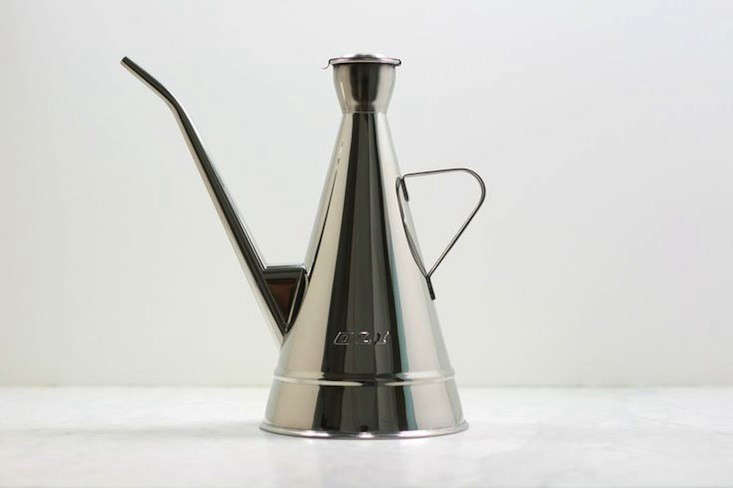
Stainless steel oil dispensers are durable, simple, and highly practical. In Spain, metal aceiteras are valued because they are tough, easy to handle, and excellent at blocking light. They usually have a clean, classic look and often include anti-drip spouts for daily cooking.
If ceramic is the romantic option and glass is the elegant one, stainless steel is the no-nonsense professional. It does not care about matching your backsplash. It cares about pouring oil into the pan without drama. For busy home cooks, that is deeply attractive.
4. Anti-Drip Olive Oil Dispensers
The anti-drip dispenser is the hero of anyone who has ever picked up an oil bottle and immediately needed a paper towel. Many Spanish-style dispensers use a spout designed to reduce leaks and control flow. The best versions allow a steady stream without oil sliding down the side of the bottle.
Anti-drip design matters because olive oil is slippery, fragrant, and surprisingly talented at spreading across countertops. A good spout saves oil, reduces mess, and prevents the bottle from becoming something only a raccoon could grip confidently.
What to Look for When Buying a Spanish Olive Oil Dispenser
Choose the Right Material
The best material depends on how you cook. For maximum freshness, choose opaque ceramic, stainless steel, or dark tinted glass. These materials help protect olive oil from light, one of the factors that can weaken flavor and aroma over time. Clear glass is fine for small amounts used quickly, but it should be stored away from sunlight.
Look for a Controlled Pour
A classic Spanish oil dispenser should not gush like an overturned canoe. It should give you control. A narrow spout is ideal for finishing salads, drizzling over grilled fish, or adding oil to a hot pan. If you often make sauces, dressings, or aioli, a slow and steady pour is especially useful.
Pay Attention to the Seal
Olive oil dislikes oxygen, heat, light, and time. That means a dispenser should close reasonably well when not in use. Some pour spouts are permanently open, which is convenient but not ideal for long storage. If you use oil quickly, an open spout may be acceptable. If your bottle lasts for weeks, choose a dispenser with a cap, stopper, flip-top lid, or sealed spout.
Pick a Practical Capacity
For most homes, a 12- to 17-ounce dispenser is a smart size. It holds enough oil for regular use but not so much that the oil sits around forever. Smaller dispensers are excellent for premium finishing oils, while larger ones work well for everyday cooking oil. The goal is simple: refill often enough to keep oil fresh, but not so often that you feel like you have adopted a needy kitchen pet.
Choose a Wide Mouth If You Hate Funnels
A wide opening makes refilling and cleaning much easier. Narrow-neck cruets can look gorgeous, but they often require a funnel and extra patience. If you already know you will spill oil while refilling, respect your future self and choose a wider mouth.
How to Use Classic Spanish Oil Olive Dispensers
The beauty of a Spanish olive oil dispenser is that it encourages better cooking through small gestures. Instead of pouring from a bulky bottle, you can add just the right amount. That changes how you cook, especially when using extra virgin olive oil as a finishing ingredient.
Try using your dispenser for pan con tomate, the Spanish classic of toasted bread rubbed with tomato, garlic, olive oil, and salt. A controlled drizzle lets the oil soak into the bread without turning it soggy. Use it over grilled peppers, roasted eggplant, chickpea salads, seafood, tortilla española, white beans, or a bowl of tomato soup. A few lines of good olive oil can make a dish look finished, even when the entire recipe took twelve minutes and one suspiciously loud pan.
Best Olive Oils to Keep in a Spanish Dispenser
Extra virgin olive oil is the most common choice because it brings aroma and flavor as well as cooking performance. Spanish varieties such as Arbequina, Picual, Hojiblanca, and Cornicabra offer different personalities. Arbequina is often mild, fruity, and approachable. Picual can be greener, more robust, and peppery. Hojiblanca may bring balanced fruitiness with herbal notes, while Cornicabra can be bold and complex.
If you use a dispenser at the table, fill it with an oil you enjoy tasting directly. If it is mainly for cooking, choose a reliable everyday extra virgin olive oil. Avoid filling a beautiful ceramic dispenser with an oil that tastes tired, waxy, or stale. The dispenser can dress it up, but it cannot perform miracles. It is a cruet, not a wizard.
Where to Keep Your Olive Oil Dispenser
Keep your olive oil dispenser in a cool, dark place whenever possible. A cabinet near the prep area is better than a sunny windowsill or the ledge behind the stove. Heat can flatten flavor and speed up deterioration, while light can damage freshness. The classic kitchen mistake is placing olive oil right next to the range because it looks convenient. It is convenient, yes, in the same way parking your ice cream beside a fireplace is convenient.
If you love the look of your Spanish ceramic dispenser on the counter, choose an opaque one and keep it away from heat. If you use a clear glass cruet, store it in a pantry or cupboard between meals. For premium oils, consider filling only a small amount at a time and keeping the original bottle sealed in a dark cabinet.
How to Clean a Spanish Olive Oil Dispenser
Cleaning matters because old oil residue can turn stale and affect the flavor of fresh oil. Before refilling, wash the dispenser with warm water and mild dish soap. For narrow bottles, a bottle brush is helpful. If the opening is too slim for a brush, add warm water, a drop of soap, and a spoonful of uncooked rice, then swirl gently. The rice helps scrub the inside without scratching most glass surfaces.
Rinse thoroughly and allow the dispenser to dry completely before adding oil. Water and olive oil are not friends; they are awkward neighbors. Any trapped moisture can affect quality and create unpleasant odors. For ceramic or hand-painted pieces, always follow the maker’s cleaning instructions. Some are dishwasher-safe, but many handmade dispensers prefer gentle hand washing.
Spanish Olive Oil Dispenser vs. Regular Oil Bottle
A regular oil bottle is perfectly fine for storage, especially if it is dark glass or tin with a secure cap. A Spanish oil dispenser, however, is better for serving and controlled cooking. The main difference is usability. A large bottle can be clumsy, while a cruet lets you pour neatly with one hand.
The tradeoff is freshness. Original bottles are often designed to protect oil better than decorative tabletop dispensers. That is why the smartest approach is to use both: keep the main oil supply sealed in its original container and decant a smaller amount into your Spanish dispenser for daily use.
Design Styles That Work in Modern Kitchens
Classic Spanish oil olive dispensers fit surprisingly well in many kitchen styles. A hand-painted ceramic cruet adds warmth to farmhouse, Mediterranean, rustic, and eclectic kitchens. A clear blown-glass dispenser suits traditional and coastal spaces. A stainless steel aceitera works beautifully in modern, industrial, or minimalist kitchens.
If your kitchen is neutral, a Spanish ceramic dispenser can provide color without overwhelming the room. If your shelves are already packed with spices, bowls, plants, and one mug nobody is allowed to touch, a slim metal or tinted-glass dispenser may be better. The best dispenser is the one you will actually use, clean, refill, and not accidentally knock over while reaching for the salt.
Common Mistakes to Avoid
Leaving Oil in the Dispenser Too Long
Only pour in what you can use within a reasonable period. Fresh oil tastes alive: fruity, green, buttery, peppery, or nutty. Old oil tastes flat and sometimes crayon-like. No dispenser can save oil that has overstayed its welcome.
Using a Permanently Open Spout for Slow-Moving Oil
Open spouts are convenient but expose oil to air. If you cook with olive oil daily, this is less of a problem. If you use it occasionally, choose a cap or sealed spout.
Keeping It Beside the Stove
The stove is hot. Olive oil dislikes heat. This relationship is not going to improve with counseling. Store the dispenser away from burners, ovens, and direct sunlight.
Never Washing the Dispenser
Refilling forever without cleaning can leave old oil residue inside. Clean and dry the dispenser between refills, especially when changing oils.
Are Classic Spanish Olive Oil Dispensers Worth It?
Yes, if you cook with olive oil regularly. A classic Spanish dispenser makes daily cooking easier, cleaner, and more enjoyable. It helps you pour with precision, adds beauty to the kitchen, and connects a modern home to a long Mediterranean tradition. The best ones are not merely decorative; they solve real problems: messy bottles, over-pouring, awkward storage, and bland presentation.
For serious cooks, the right dispenser becomes muscle memory. You reach, tilt, drizzle, and move on. For casual cooks, it makes simple food look more considered. Even a bowl of beans or a slice of toast becomes more inviting with a shiny ribbon of olive oil across the top.
Experience Notes: Living With a Classic Spanish Olive Oil Dispenser
The first thing you notice after switching to a classic Spanish olive oil dispenser is how often you use it. Before, olive oil may have lived in a tall bottle at the back of the pantry, pulled out only when a recipe demanded “two tablespoons.” After the dispenser appears, olive oil becomes part of the cooking rhythm. You drizzle a little into the skillet before eggs. You add a thin stream to salad greens. You finish lentil soup with a golden swirl. Suddenly you are not just cooking; you are composing tiny edible postcards from Spain.
The second thing you notice is control. A big bottle asks for trust. Sometimes it gives you one teaspoon; sometimes it gives you half the Mediterranean. A good Spanish-style cruet behaves better. The spout lets you draw lines of oil over roasted vegetables or add just enough to coat a pan. This is especially useful with premium extra virgin olive oil, where every pour feels a little precious. Nobody wants to waste beautiful oil because a bottle hiccuped.
There is also a sensory pleasure to using one. A ceramic dispenser has weight and warmth. A glass cruet catches the light at breakfast. A stainless steel aceitera feels practical and professional. The object changes the mood of the kitchen in a small but real way. It turns olive oil from an anonymous ingredient into something visible, valued, and ready. That sounds dramatic for a bottle with a spout, but kitchen happiness is often built from small upgrades that quietly remove friction.
One of the best uses is at the table. Put a Spanish olive oil dispenser beside bread, sea salt, tomatoes, olives, and a little vinegar, and suddenly appetizers appear without anyone officially cooking. Guests understand what to do. They tear bread, pour oil, sprinkle salt, and begin talking. A dispenser invites participation. It makes the table feel generous.
There are practical lessons, too. Do not overfill it. Smaller amounts stay fresher and are easier to handle. Wipe the spout after use, especially if the oil is thick or the dispenser has a decorative lip. Keep it away from the stove even if it looks charming there. Charm is not worth rancid oil. If the dispenser is handmade, treat it gently; a beautiful ceramic aceitera is not the place to test your dishwasher’s aggressive personality.
After a while, the dispenser becomes one of those kitchen items you stop noticing because it simply belongs. It is there for weeknight pasta, weekend tapas, tomato toast, grilled fish, salad dressing, and the emergency snack of bread dipped in olive oil while dinner is “almost ready.” Classic Spanish oil olive dispensers earn their place not because they are trendy, but because they make everyday cooking easier, neater, and a little more joyful.
Conclusion
Classic Spanish oil olive dispensers bring together beauty, function, and food culture in one small kitchen tool. They help control the pour, reduce mess, protect oil when chosen wisely, and make simple meals feel more polished. Glass cruets offer elegance, ceramic dispensers provide color and light protection, and stainless steel aceiteras deliver durability for everyday cooking.
The best dispenser for your kitchen depends on your habits. If you use olive oil quickly, a glass cruet may be perfect. If you want better protection and a traditional look, choose ceramic. If practicality comes first, stainless steel is hard to beat. Whatever style you choose, keep the oil away from light, heat, and air, clean the dispenser regularly, and fill it with olive oil worth tasting.
In the end, a Spanish olive oil dispenser is not just about storage. It is about the moment before the meal: the tilt of the wrist, the golden stream, the smell of good oil, and the quiet satisfaction of making food just a little better.
SEO Tags
Note: This article is written as original, publication-ready web content based on real culinary, storage, product-testing, and Spanish food-culture information, with no copied source text or unnecessary citation placeholders.