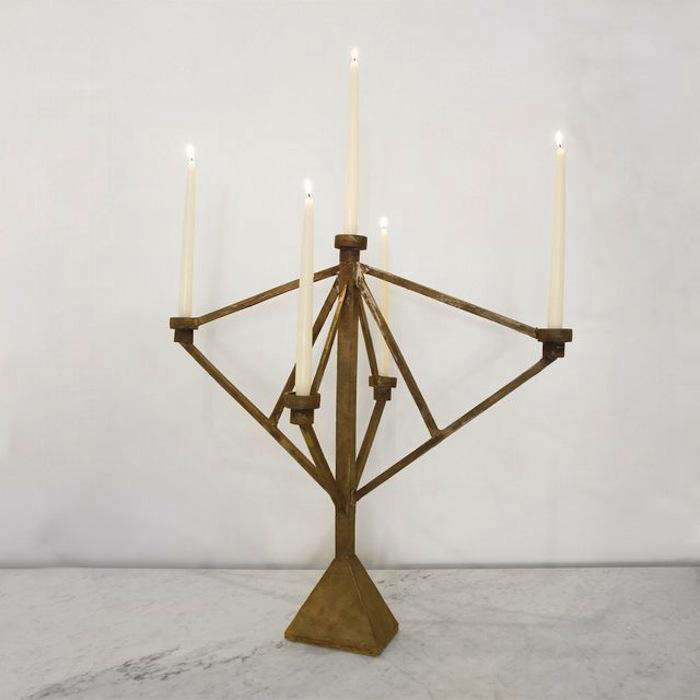
Every home deserves at least one object that makes visitors pause mid-sentence and say, “Well, that looks expensive.” A cast bronze candelabra is remarkably good at that job. It has weight, warmth, history, and just enough theatrical flair to make an ordinary dinner feel like a treaty negotiation between small kingdoms.
But bronze candelabras are not reserved for castles, velvet capes, or people who own a chair nobody is allowed to sit in. In a modern home, they can be bold centerpieces, sculptural mantel accents, moody dining-table lighting, or even a slightly dramatic answer to the question, “What does this console table need?” The answer, naturally, is more bronze.
For the modern monarch, a cast bronze candelabra is not about pretending to be royalty. It is about creating a home that feels collected, intentional, and a little more memorable than a room filled with furniture that looks as though it arrived in one cardboard box.
Why Cast Bronze Candelabras Feel So Powerful
Bronze has a visual authority that many materials cannot fake. It is warm without being sugary, dark without being gloomy, and reflective without behaving like a mirror that reveals every fingerprint from the last six months. The metal can be polished to a golden glow, darkened to near-black, aged to a deep brown, or finished with a greenish patina that suggests it has survived several empires and at least one very dramatic family scandal.
A cast bronze candelabra also has physical presence. Unlike lightweight decorative candleholders, it tends to feel grounded. A substantial base, sculpted arms, and carefully balanced candle cups make it read as an object of permanence rather than a seasonal accessory that might disappear after New Year’s Eve.
That sense of permanence is part of the appeal. A well-made bronze candle holder can move from apartment to house, from dining room to entry table, and from “I just bought this because it looked cool” to “This has been in the family for years.” Even when it is brand new, it has the confidence of something that expects to outlive your current throw pillows.
Cast Bronze vs. Brass, Resin, and Other Look-Alikes
Not every warm-toned metal candle holder is bronze. Brass and bronze are often confused because both can appear golden or brown, but they are different copper-based alloys with different visual personalities. Brass often leans brighter and yellower. Bronze usually appears deeper, earthier, and more complex, especially as it develops a patina over time.
Resin candleholders can imitate bronze at a lower price, and some are impressively convincing from across the room. The problem is that “across the room” is doing a lot of work. Up close, resin often lacks the subtle texture, density, and natural variation that make cast bronze special. It may also feel too light for a tall taper candle arrangement, which is not ideal when your dinner party centerpiece has the stability of a startled flamingo.
Cast bronze is made by pouring molten metal into a mold. Many decorative bronze objects are created through variations of lost-wax casting, a process that allows artists and makers to capture detailed surfaces, flowing shapes, leaves, figures, animals, and other ornamental details. That is why bronze works so well for candelabras with sculptural arms and dramatic organic forms.
The casting process can leave behind small variations, seams, texture changes, and evidence of hand-finishing. These are not necessarily flaws. In many cases, they are exactly what give a bronze candelabra its character. Perfection is nice for spreadsheets. Decorative metalwork benefits from a little mystery.
From Ancient Lampstands to Contemporary Statement Pieces
Candelabra have been part of interior life for centuries. Ancient Mediterranean lampstands often used bronze because the material was durable, workable, and suitable for elaborate decorative details. Museum collections include tall bronze candelabra with fluted shafts, animal-footed bases, branching arms, mythological figures, and ornamental finials that turned a practical lighting object into a piece of sculpture.
Over time, candelabras became symbols of ceremony, hospitality, wealth, and ritual. In European interiors, gilt bronze and bronze-mounted candelabra appeared in formal salons, dining rooms, palaces, and grand houses. Their designs ranged from classical columns and urns to rococo branches, flowers, animals, and fantastically energetic scrollwork.
Today, the modern version does not need to look like it escaped from a royal banquet hall. A cast bronze candelabra can be minimalist, brutalist, organic, art nouveau-inspired, mid-century, neoclassical, or unapologetically ornate. The important thing is that it brings visual structure to a room. It acts like jewelry for furniture: a little sparkle, a little weight, and a lot of personality.
How to Choose the Right Bronze Candelabra
Start With Scale, Not Drama
Before falling in love with a towering five-arm candelabra shaped like a forest creature, measure the surface where it will live. A large dining table can handle a substantial centerpiece. A narrow console table may need something lower and slimmer. A fireplace mantel can support a pair of medium-height candelabras, especially if they frame artwork or a mirror.
For dining tables, consider sightlines. A tall centerpiece can be magical, but not if guests must lean around it to make eye contact. Lower, wider forms work well for everyday meals. Taller candelabras are better suited to buffet tables, entrance halls, sideboards, and occasions when the visual drama matters more than discussing whether anyone watched the latest streaming show.
Choose the Number of Candle Arms Carefully
Three-light candelabras feel balanced and approachable. Five-light designs create more ceremony and visual fullness. Seven-light pieces can look extraordinary, but they require space and confidence. A single-arm bronze candle holder is not technically a candelabra, but it can still create a regal effect when grouped with others at varying heights.
Think of candle arms as architectural lines. Straight arms feel tailored and contemporary. Curved arms feel romantic and traditional. Branching arms create a natural, sculptural look. Angular arms can make a bronze candelabra feel modern, especially in a room with stone, concrete, glass, or clean-lined furniture.
Pay Attention to the Base
The base does more than hold everything upright. It determines the visual tone of the entire piece. A round pedestal base feels classical. Paw feet or animal feet bring historical drama. A geometric block base feels modern and substantial. A branching or root-like base gives the candelabra a more organic, hand-forged appearance.
Look for a base that feels proportionate to the candle arms. If the arms spread wide but the base looks tiny, the piece may feel visually nervous. A good candelabra should look as though it could survive a strong dinner-table opinion without toppling over.
Where Cast Bronze Candelabras Work Best in a Modern Home
The Dining Table
The dining table is the classic location for a cast bronze candelabra, and for good reason. Candlelight softens a room, adds movement, and makes even takeout noodles look slightly more intentional. A bronze centerpiece works especially well with wood tables, marble tops, dark stone, linen runners, and handmade ceramics.
For a clean modern table, choose one sculptural bronze candelabra and keep the rest of the styling simple. For a layered, collected look, combine two smaller candelabras with taper candles, a low bowl of fruit, and a few textured serving pieces. The goal is abundance, not a tabletop obstacle course.
The Fireplace Mantel
A mantel is a perfect stage for bronze. Place a pair of matching cast bronze candelabras on either side of a mirror, painting, or sculptural object. Matching pieces create symmetry, while mismatched vintage-style candelabras feel more relaxed and personal.
Bronze is especially effective against pale plaster, white walls, black stone, deep green paint, and richly grained wood. It adds contrast without the sharpness of chrome or glossy black metal. In a minimalist room, one antique-inspired bronze piece can keep the space from feeling too sterile.
The Entry Console
A bronze candelabra in an entryway announces that the home has opinions. It tells guests that they are entering a place where details matter, lighting is considered, and someone probably has strong feelings about coasters. Pair it with a bowl for keys, a stack of art books, a small lamp, or a vase with branches.
For everyday use, flameless taper candles can provide the same silhouette without requiring a pre-flight safety checklist every time someone comes home late.
The Bedroom or Bathroom: Use the Look, Skip the Flame
Bronze candleholders can look beautiful in bedrooms and bathrooms, especially in spaces with moody paint, stone counters, or vintage-inspired furniture. However, open flames are not a good fit for sleeping areas or spaces where fabric, towels, hair products, and general human chaos are nearby.
Use battery-operated taper candles in these rooms. Modern flameless candles can create a convincing flicker while allowing your interior design to remain regal rather than becoming a very expensive fire department story.
How to Style Bronze With Modern Materials
One of the biggest misconceptions about bronze is that it belongs only in traditional interiors. In reality, bronze is highly adaptable. It looks excellent beside materials that offer contrast: pale oak, white plaster, blackened steel, travertine, marble, boucle upholstery, smoked glass, and even glossy lacquer.
In a modern neutral room, bronze adds warmth. In a dark, dramatic room, it adds depth. In a colorful room, it provides an earthy anchor. It can also bridge different design eras, making a new sofa feel more substantial or helping a family heirloom feel less like it wandered in from another century.
Try pairing a cast bronze candelabra with matte black accents for a moody, tailored look. Combine it with cream linen and light wood for softer old-world warmth. Place it near green glass, deep burgundy flowers, or a dark blue wall for a more theatrical effect. Bronze is not shy, but it plays well with others when given enough breathing room.
Caring for Cast Bronze Without Erasing Its Character
Bronze develops patina over time. That gradual darkening or color variation is often part of its appeal. A polished bronze surface may become warmer and deeper with handling, air exposure, and age. This is not automatically a problem. It is often the material doing what it does best: becoming more interesting.
For regular care, dust the candelabra with a soft, dry cloth. Avoid abrasive scrubbers, harsh chemical cleaners, or random kitchen products that promise to “restore shine” with suspicious enthusiasm. These can damage the finish, remove intentional patina, or leave behind residue.
If wax drips onto the metal, let it harden first. Then gently lift it away with a plastic card or a wooden tool, taking care not to scratch the surface. Avoid using sharp knives, metal tools, or the sort of aggressive scraping technique normally reserved for removing ice from a windshield.
For valuable antiques, unusual finishes, or heavily corroded pieces, consult a professional conservator or restoration specialist. A beautiful aged finish can be easy to ruin and difficult to recreate convincingly. Bronze has survived thousands of years in museum collections; it deserves better than an experimental cleaning session involving lemon juice and panic.
Candle Safety for a Truly Modern Monarch
A candelabra may look royal, but fire safety is not optional. Use sturdy taper candles that fit securely in the candle cups. Keep the candelabra on a stable, uncluttered surface away from curtains, dried flowers, paper decorations, pets, sleeves with ambition, and guests who gesture enthusiastically while telling stories.
Never leave lit candles unattended. Extinguish them before leaving the room, going to sleep, or beginning any activity that requires you to forget they exist. Keep burning candles well away from anything flammable, and avoid using open flames in bedrooms, bathrooms, or areas where children and pets may knock them over.
For long dinner parties, crowded tables, or homes with curious cats, flameless taper candles are an excellent choice. You still get the shape, glow, and ceremonial atmosphere without worrying that the family pet has decided to audition for a medieval siege scene.
Buying a Cast Bronze Candelabra: What to Look For
When shopping for cast bronze candelabras, look beyond color. Ask about the material, casting process, finish, dimensions, and weight. A reputable seller should be able to tell you whether the piece is solid bronze, bronze-plated metal, brass, resin, or another material with a bronze-colored finish.
Examine the candle cups and arm joints. They should feel secure, balanced, and capable of holding standard taper candles without wobbling. Check the base for stability, especially on taller pieces. A dramatic design is wonderful; a dramatic collapse is less so.
For vintage or antique pieces, inspect for repairs, cracks, missing elements, loose arms, and unstable soldered sections. Signs of age are not necessarily bad. In fact, they may add charm and value. But structural problems should be addressed before the candelabra becomes part of your entertaining routine.
Commissioned bronze candelabras are another option for homeowners, designers, restaurants, and boutique hotels. A custom piece allows you to choose the height, number of arms, patina, base shape, and visual style. It can be tailored to a dining table, a lobby console, a wedding venue, or a space that simply needs a little more “royal but make it current.”
Final Thoughts: Rule Your Space With Better Lighting
Cast bronze candelabras bring together sculpture, history, craftsmanship, and atmosphere in one remarkably useful object. They can make a minimalist interior feel warmer, a traditional room feel fresher, and an ordinary meal feel like an event worth dressing up for.
The best bronze candelabra is not necessarily the biggest, oldest, or most ornate. It is the one that fits your space, supports your style, and makes you happy every time you light the candles or switch on the flameless versions. That is the true privilege of the modern monarch: not owning a palace, but making home feel like one.
Experiences With Cast Bronze Candelabras for the Modern Monarch
The first time you bring a cast bronze candelabra into a room, you may be surprised by how quickly it changes the atmosphere. It does not simply sit there holding candles. It rearranges the emotional furniture. A plain dining table becomes a gathering place. A quiet mantel becomes a focal point. A hallway console suddenly looks as though someone important might leave a handwritten invitation there.
One of the best experiences is using a bronze candelabra for an ordinary dinner instead of saving it for a holiday. Set it on the table on a Tuesday night. Add a few taper candles, a linen napkin, and whatever meal you actually made. It does not have to be roast duck with pears and a dramatic reduction sauce. It can be pasta. It can be pizza. It can be cereal, although that may be the exact point at which the candelabra begins to question your reign.
At a dinner party, a cast bronze candelabra creates a kind of visual center of gravity. Guests naturally gather around the table, and the warm candlelight tends to make conversations feel slower and more generous. Phones disappear more often. People linger after dessert. Someone eventually tells a story that begins with, “I probably should not admit this,” which is usually a sign that the evening is going well.
Bronze also photographs beautifully. In daylight, it catches soft highlights and shows off the depth of its finish. At night, it reflects candlelight in small warm flashes that make a room feel layered instead of flat. This is particularly useful for home entertaining, holiday tables, anniversary dinners, and anyone who enjoys taking approximately forty-seven photos before choosing one for social media.
There is also something satisfying about the ritual of setting up a candelabra. Selecting the taper candles, trimming the wicks, arranging the piece in the center of the table, and lighting each flame can become a small ceremony. Modern life is often rushed, bright, and full of alerts. Candlelight asks you to slow down for a minute. It is difficult to rush while lighting candles unless you are in a period drama or have made several questionable decisions.
For people who love design but do not want their home to feel overly formal, bronze candelabras offer a useful middle ground. They are luxurious without needing to be precious. A sculptural bronze piece can sit beside a stack of paperbacks, a ceramic bowl, a casual bouquet, or even a well-worn wooden table. It makes the room feel intentional, not untouchable.
Some homeowners use a pair of bronze candelabras as a seasonal tradition. In autumn, they are paired with branches, figs, dark linens, and amber glass. During winter holidays, they sit among evergreen clippings and simple white taper candles. In spring, they are softened with tulips or flowering branches. In summer, they can be moved to an outdoor dining table for evening meals, provided the weather is calm and the setup remains safe.
Another rewarding experience is finding a vintage bronze candelabra with a little history in its surface. The darkened areas, small scratches, softened edges, and uneven patina can make it feel more human than a perfectly polished new object. It may not have an official royal pedigree, but it carries a sense of having seen things. Perhaps it once sat on a grand dining table. Perhaps it spent decades in a quiet family home. Perhaps it survived several unfortunate paint colors from the 1980s. Either way, it has a story.
Ultimately, living with cast bronze candelabras is about more than decorating. It is about choosing objects that create mood, invite gathering, and make daily life feel a little richer. You do not need a crown, a castle, or a staff of loyal attendants. You only need a good table, a few candles, and enough confidence to let bronze take up a little space.